
The right pair of hiking backpacking boots changes everything about how a trail feels. Your feet carry you over sharp scree, muddy switchbacks, river crossings, and long downhills, so fit, traction, and weather protection matter more than any other piece of gear. This roundup focuses on backpacking boots and approach-style hikers that handle loaded miles, unpredictable weather, and the kind of rough terrain that punishes cheap outsoles. Whether you’re breaking into overnight trips or chasing multi-day routes, the picks below cover men’s and women’s options across different weights and use cases.
The Leading Options At A Glance
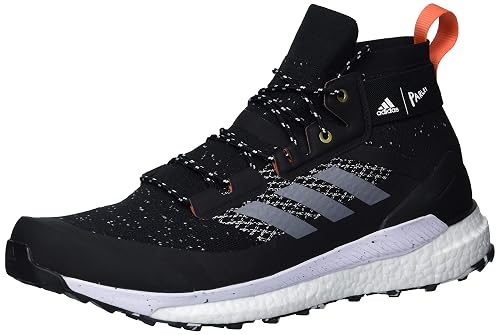
adidas Men’s Terrex Free Hiking Shoe
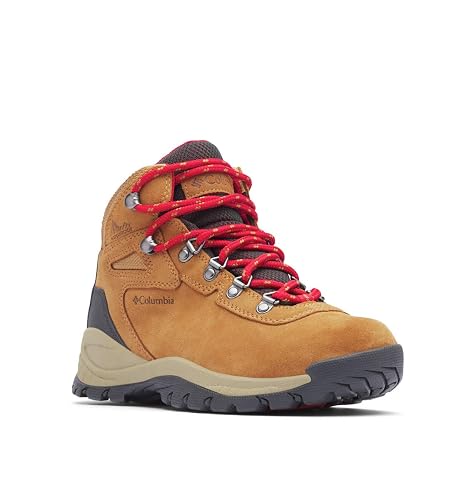
Columbia Women’s Newton Ridge Plus Waterproof Hiking Boot
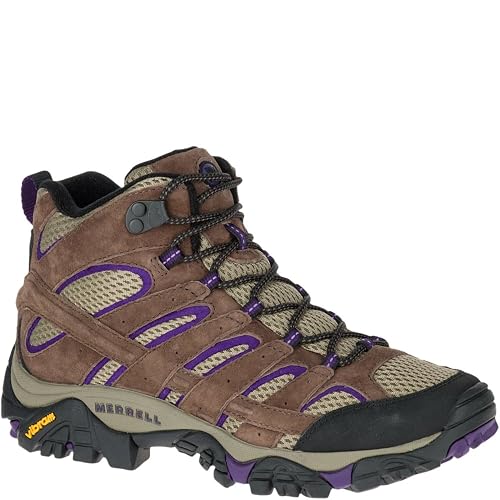
Merrell Women’s Moab 2 Vent Mid Hiking Boot
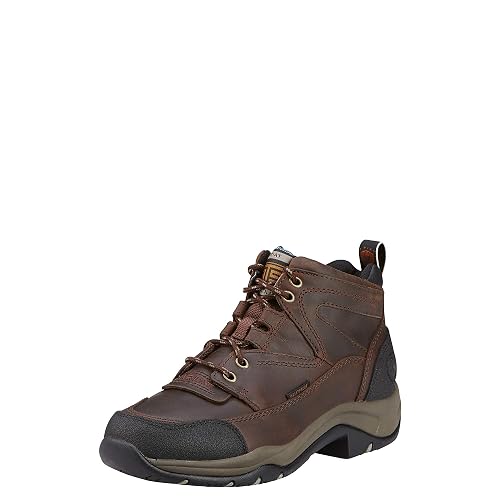
ARIAT Women’s Terrain Waterproof Boots

Columbia Men’s Firecamp Boot

COTTIMO Womens Hiking Snow Winter Boots
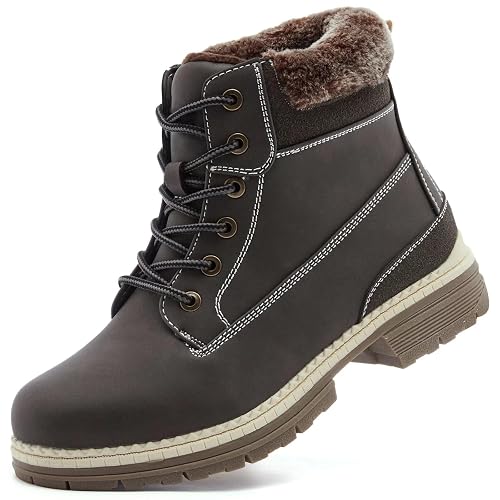
COTTIMO Snow Hiking Winter Boots for Women
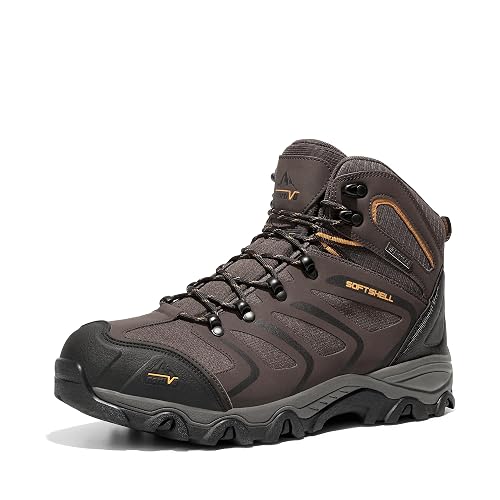
NORTIV 8 Men’s Ankle High Waterproof Hiking Boots
More Details On Our Top Picks
The adidas Terrex Free sits at the lighter end of the hiking shoe category, built for moving quickly on maintained trails rather than hauling heavy packs through remote wilderness. Where the Columbia Newton Ridge below leans toward a traditional waterproof shell, this Terrex model is closer to a trail-running shoe with hiking manners. For day hikes and ultralight backpacking on established paths, that balance tends to feel right.
You’ll notice the flexibility first: the upper bends with your foot instead of locking it in, which rewards fast, athletic hiking styles. The aggressive lug pattern handles loose gravel and rooty climbs, though you may find the platform less forgiving on rocky trails with a full overnight pack. It’s a strong pick for people who count grams and prioritize speed.
The Helpful Details
- Lightweight build reduces fatigue on long, fast day hikes
- Aggressive outsole lugs grip loose dirt and gravel
- Flexible upper supports a natural, athletic stride
- Breathable construction keeps feet cooler in warm weather
Points To Keep In Mind
- Less ankle support than a mid-cut backpacking boot for heavy loads
- Water resistance may be limited compared to fully waterproof membranes
- Sizing can run narrow for hikers with wider feet
Feature Snapshot
Whose Trail This Belongs On
Fast hikers and ultralight backpackers tackling established routes with sub-20-pound loads.
Look Elsewhere When
The Columbia Men’s Firecamp Boot suits you better if you carry heavier packs into cold, wet conditions that demand more insulation.
The Columbia Newton Ridge Plus is a classic mid-cut waterproof hiker with the kind of straightforward construction that appeals to people who want a familiar boot for weekend trips. Compared to the trail-runner feel of the Terrex above, this Columbia leans traditional: taller shaft, stiffer platform, sealed against rain and stream crossings. It’s been a go-to choice for entry-level backpackers who need reliability without surprises.
The boot handles day hikes and short overnights comfortably, with enough structure to keep your ankles steady on uneven ground. You’ll find it less nimble on technical scrambles than lighter shoes, but the trade-off is protection. For typical trail conditions across most regions, the waterproof membrane is the real selling point.
The Case For It
- Waterproof construction handles stream crossings and wet trails
- Mid-cut shaft adds ankle stability on uneven ground
- Proven design trusted by entry-level backpackers
- Durable outsole grips dirt, rock, and moderate mud
Trade-Offs To Consider
- Heavier than trail-running-style hikers for fast movement
- Break-in period may be needed before longer trips
Built With In Mind
Weekend backpackers and hikers tackling wet, variable conditions on established trails.
Skip It When
The Merrell Women’s Moab 2 Vent Mid Hiking Boot fits better if you want more breathability and quicker break-in for warm-weather hiking.
The Merrell Moab series has earned its reputation through years of consistent performance, and the Moab 2 Vent Mid keeps that tradition alive with a breathable mid-cut design aimed at warm-weather hiking. Where the Columbia Newton Ridge above leans toward waterproof protection, this Moab 2 prioritizes airflow and immediate comfort. The name “Moab” nods to the rugged Utah desert, and the boot lives up to that billing.
You step into these and they feel broken in from the first mile, which matters when you’re testing gear on a tight schedule. The mid-cut shaft gives your ankles enough support for uneven terrain without feeling locked down. For three-season hiking on mixed surfaces, this is one of the more accommodating options you’ll find.
A Strong Showing
- Immediate out-of-the-box comfort reduces break-in time
- Ventilated upper keeps feet cooler in warm conditions
- Vibram outsole delivers confident traction on varied terrain
- Mid-cut design balances support with flexibility
- Synthetic leather construction holds up to regular trail use
Honest Caveats
- Ventilation means less weather protection in wet conditions
- Not designed for heavy winter or mountaineering use
Quick Facts
Best Suited To
Three-season hikers and backpackers who want comfort and traction over waterproofing.
Reach For A Different Pick When
The Columbia Women’s Newton Ridge Plus Waterproof Hiking Boot is the smarter choice if wet, rainy trails dominate your hiking calendar.
ARIAT built the Terrain line with endurance riding in mind, which means covering long distances across mixed terrain in shifting weather. That background translates into a hiking boot with exceptional all-day support and a waterproof build designed to handle varied conditions. Compared to the Moab 2’s emphasis on breathability, this ARIAT leans toward protection and stability.
For long days on your feet, whether hiking or working outdoors, the footbed and arch support tend to be the standout features. You’ll find the boot sturdy enough for trail use while still comfortable enough to wear around the barn, job site, or campsite. It’s a versatile pick for people whose outdoor life doesn’t fit neatly into one category.
Strengths Worth Knowing
- All-day comfort from supportive footbed design
- Waterproof build handles wet grass, rain, and shallow crossings
- Sturdy construction suited to rough terrain and outdoor work
- Durable outsole grips dirt, mud, and rocky ground
A Few Limitations
- Heavier build than trail-running-style hiking shoes
- Style leans toward work-boot aesthetic rather than ultralight hiker
Who Will Love This
Outdoorsy women who split time between hiking, riding, and yard work and want one boot for all of it.
Where A Sibling Pick Shines
The adidas Terrex Free Hiking Shoe suits you better if you prioritize light weight and quick movement over all-day support.
The Columbia Firecamp is built for cold-weather use, combining a waterproof shell with low-bulk insulation that keeps feet warm without weighing you down. Where the lighter Terrex above is meant for fast movement in mild conditions, this boot is aimed at snowy trails, frozen morning starts, and shoulder-season weather. It’s a practical pick for hikers who don’t pack their gear away when temperatures drop.
You’ll appreciate the balance Columbia struck between warmth and weight: heavy enough to insulate, light enough not to feel like snow boots. The cushioned interior softens impact on frozen ground, and the boot handles both mountain trails and everyday winter wear. For hikers in northern climates, it’s a sensible year-round option.
What Helps Most
- Built-in insulation keeps feet warm in cold conditions
- Waterproof construction handles snow, slush, and wet ground
- Plush cushioning reduces fatigue on frozen or rocky terrain
- Versatile design works for hiking and casual winter wear
Where It May Fall Short
- Too warm for summer hiking in mild climates
- Stiffer feel reduces agility on technical terrain
Core Features
Right Fit For
Hikers in cold climates who need a waterproof, insulated boot for winter trails and shoulder-season trips.
Swap It Out When
The Merrell Women’s Moab 2 Vent Mid Hiking Boot is a smarter pick for warm-weather hiking where breathability matters more than insulation.
The COTTIMO Hiking Snow Winter Boot is an ankle-height, lace-up boot with a fur-lined interior, aimed at casual outdoor wear in cold weather. Compared to the Columbia Firecamp’s purpose-built trail credentials, this is more of a lifestyle boot that handles light hiking, dog walks, and winter errands. For backpackers on a tight budget or shoppers who want something warmer than a sneaker, it fills a niche.
You’ll find the fur lining surprisingly effective for short outings in freezing temperatures, though it’s not built for multi-day backcountry travel. The lace-up design gives a customizable fit, and the ankle height keeps snow out better than a low-cut shoe. It’s a reasonable choice when conditions are cold but you don’t need technical trail performance.
Well-Handled Touches
- Fur-lined interior adds warmth for cold-weather wear
- Lace-up closure allows a personalized, secure fit
- Lightweight construction suits casual daily use
- Affordable entry into cold-weather hiking footwear
Potential Drawbacks
- Not designed for serious backpacking or rugged terrain
- Durability under heavy trail use is limited compared to technical boots
- Lacks the ankle support of mid- or high-cut hiking boots
- Insulation may be insufficient for prolonged sub-freezing exposure
Who Should Grab It
Casual hikers and walkers looking for an affordable, warm boot for winter errands and light outdoor use.
Another Choice May Suit
The Columbia Women’s Newton Ridge Plus Waterproof Hiking Boot fits better when you need real trail performance alongside weather protection.
The second COTTIMO entry on this list is a combat-inspired ankle boot with a waterproof leather upper and fur lining. Where the first COTTIMO above leans toward lace-up casual styling, this one borrows from work-boot design with a tougher silhouette. It’s meant for shoppers who want something that looks intentional in town but still handles snow and slush.
You’ll appreciate the non-slip outsole on slick sidewalks and the warm interior for daily winter wear. For actual trail hiking or backpacking, it has clear limits, but for the town-to-trail crossover crowd, the styling is the main draw. The brown leather finish ages nicely with regular use.
A Few Strong Suits
- Waterproof leather upper handles rain, slush, and light snow
- Non-slip outsole grips wet pavement and icy surfaces
- Fur-lined interior provides warmth for cold-weather wear
- Combat-boot styling transitions easily from trail to town
Things To Weigh
- Not built for technical trail use or backcountry hiking
- Ankle height limits support on uneven terrain
Perfect Match For
Shoppers who want a stylish winter boot that handles cold, wet conditions without looking like technical gear.
Not Your Match When
The ARIAT Women’s Terrain Waterproof Boots are a better fit if you need real trail traction alongside weather protection.
The NORTIV 8 Ankle High is an accessible waterproof hiking boot for men who want basic trail protection without a major investment. Compared to the COTTIMO winter boots above, this is more of a straightforward hiking boot than a fashion crossover, aimed at entry-level backpackers and weekend adventurers. The ankle-high cut strikes a middle ground between low-top hiking shoes and full mid-cut boots.
You get waterproof construction and a lugged outsole at a price that makes sense for first-time gear shoppers. It’s not as refined as the Columbia Newton Ridge or as light as the Terrex, but the value proposition is real. For casual backpacking on established trails, it’s a sensible starting point.
Key Advantages
- Waterproof construction keeps feet dry on wet trails
- Lugged outsole grips dirt, gravel, and moderate mud
- Accessible price point for entry-level backpackers
- Ankle-high cut balances support with flexibility
Some Limits To Know
- Build quality and materials trail premium options
- Less supportive under heavy overnight pack loads
- Long-term durability under frequent use is limited
Spec Overview
Made For
New backpackers and casual hikers who want waterproof performance without paying for premium materials.
Consider Something Else When
The Columbia Men’s Firecamp Boot suits you better if you need insulation and cold-weather performance alongside waterproofing.
What To Weigh Before Choosing Your Next Pair
Fit is the single most important factor in any hiking boot. Even the best-built boot will ruin a trip if it doesn’t match your foot shape, so trying on with the socks you plan to hike in matters more than chasing specs on paper. Foot volume, arch height, and toe-box width vary widely between the picks above, and a snug heel combined with roomy toes is the usual goal.
Weight is the second decision point. Lighter shoes like the adidas Terrex reward fast movement on established trails, while heavier boots like the Columbia Firecamp carry insulation and structure that slow you down but protect your feet over rough miles. Match the boot’s weight to your typical pack weight and trip length rather than buying the lightest option available.
Traction and weather protection round out the practical concerns. Lug depth and rubber compound determine how the boot behaves on wet rock, mud, and loose scree, while waterproof membranes keep your feet dry in rain and stream crossings. Ventilated boots like the Merrell Moab 2 breathe better but soak through faster, which is a real trade-off depending on your climate.
Finally, think about ankle support relative to your experience and the terrain you tackle. Mid-cut and ankle-high boots stabilize weak ankles on uneven ground and under load, while low-cut hiking shoes give you freedom on smoother trails. The right answer depends on your body’s needs and the routes you plan to walk.
Key Considerations Across These Picks
Where Shoppers Go Wrong
A common mistake is choosing a boot based on the brand’s reputation rather than how it actually fits your foot. Hiking boot sizing varies more than running shoes, and a half-size difference can mean blisters over a long weekend. Always prioritize fit testing over feature lists.
Another trap is buying a waterproof boot for warm, dry climates. Waterproof membranes trap heat and moisture, and on summer trails that combination causes the same blisters as ill-fitting shoes. The Merrell Moab 2 Vent exists specifically because ventilation matters in three-season hiking.
Where The Extra Money Goes
Premium hiking boots typically cost more because of better materials: full-grain leather, higher-density midsoles, and Vibram rubber outsoles that outlast cheaper compounds. The construction quality shows up over years of use, not in the first few hikes.
The upgrade also pays off in refined design details like anatomical footbeds, gusseted tongues that keep debris out, and rubber rand protection that shields your toes from rock strikes. Whether that matters depends on how often you hike and how hard you push your gear. For occasional weekend trips, an affordable pick like the NORTIV 8 delivers real value. For regular multi-day trips, the long-term durability of a premium boot tends to justify the higher upfront cost.
Frequently Asked Questions
What is the difference between hiking shoes and backpacking boots?
Hiking shoes are lower-cut and lighter, suited to day hikes and fast movement on maintained trails. Backpacking boots are taller, stiffer, and more protective, designed to handle heavier pack loads and rougher terrain over longer distances.
How important is waterproofing in a hiking boot?
Waterproofing matters most in wet climates, snow, and trips involving stream crossings. For dry, warm conditions, a ventilated boot like the Merrell Moab 2 often performs better because it dries faster and breathes more.
Should hiking boots be a half size larger than regular shoes?
Most hikers benefit from a half size up to allow for foot swelling on long descents and thicker hiking socks. Your toes should have room to splay without pressing the front of the boot, especially on downhill sections.
How long does it take to break in new hiking boots?
Modern hiking boots and shoes often need little break-in, though leather and stiffer constructions may require several short hikes before longer trips. Start with shorter walks and watch for hot spots before committing to a multi-day trip.
Can backpacking boots be resoled when the outsoles wear out?
Many quality hiking boots can be resoled by a cobbler, which extends their lifespan significantly. The outsole is usually the first component to wear, and a resoled boot often feels nearly new again.
The Takeaway
The best hiking backpacking boots are the ones that match your feet, your climate, and the trails you actually walk. Lightweight trail-runner-style shoes like the adidas Terrex reward fast movement, while traditional waterproof boots like the Columbia Newton Ridge handle wet conditions with proven reliability. For cold-weather trips, the insulated Firecamp keeps feet warm, and budget-friendly options like the NORTIV 8 give newcomers a solid starting point. Focus on fit and use case first, and the right pick tends to become obvious.