
A solid daypack quietly decides how a trail feels. The wrong one rubs a hip, swallows your water bottle, or rides like a suitcase after mile four. The right one disappears, keeps your layers handy, and hauls snacks without making you pick a side. This roundup covers seven hiking backpacks for day hikes that handle a wide spread of trail ambitions, from quick summit pushes to longer, gear-heavy routes where you still want to be back at the car before dinner.
The Shortlist At A Glance
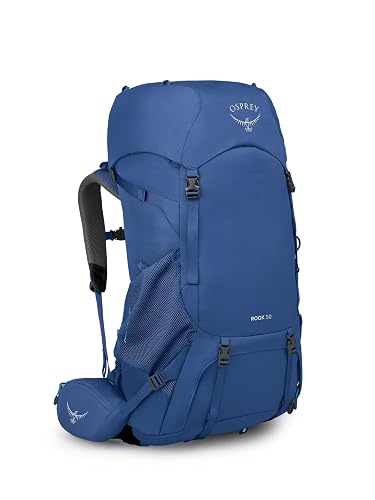
Osprey Rook 50L Men’s Backpacking Backpack, Blue
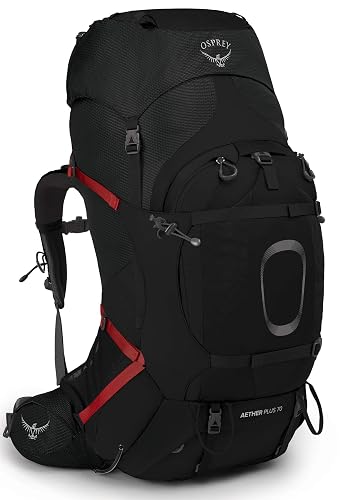
Osprey Aether Plus 70L Men’s Backpacking Backpack
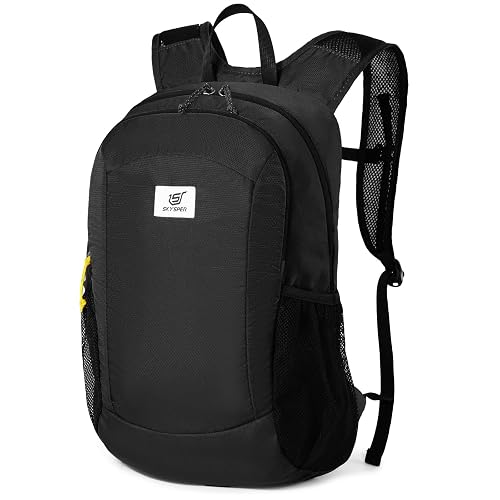
SKYSPER 16L Ultralight Packable RFID Daypack
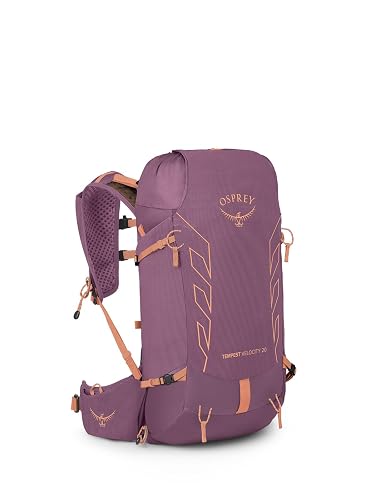
Osprey Tempest Velocity 20L Women’s Hiking Backpack

YETI Crossroads Backpack
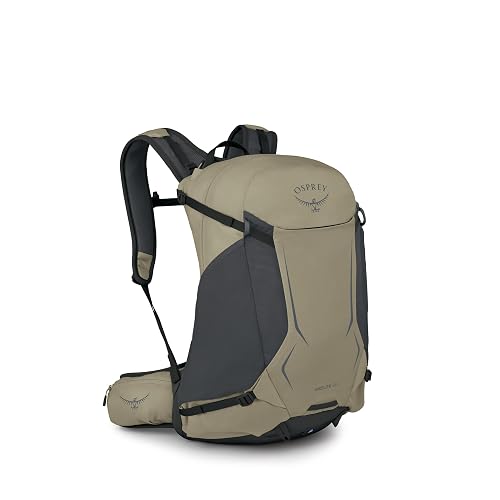
Osprey Hikelite 28L Hiking Backpack
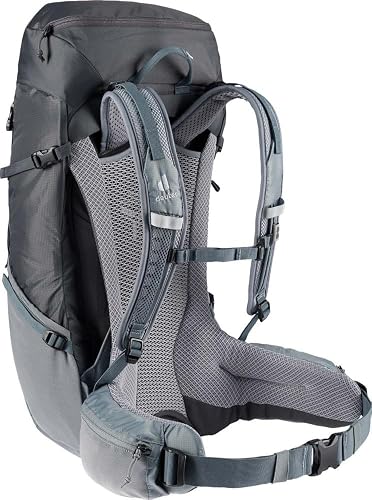
Deuter Unisex Futura 26 Hiking Backpack
The Details Behind The Selections
The Osprey Rook 50 sits in that sweet spot where first-timers and seasoned hikers both find something to like. The 50-liter volume swallows a multi-day kit without ballooning into a logistics project, and the ladder-style torso adjustment, the sliding rail that lets you match the pack’s back length to your spine, is the kind of fit detail that pays off the moment weight goes on.
Compared to the larger Aether Plus reviewed next, the Rook feels friendlier and less committed. You are not buying expedition muscle. You are buying a stable, well-organized carry for weekends and ambitious day hikes that might stretch into an overnight.
Standout Benefits
- Injection-molded ladder lock torso adjustment that holds its setting through rough scrambles and repeated loading
- Built-in raincover, tucked into its own pouch, so a sudden cloudburst does not soak your down jacket
- 50 liters of capacity sized for a real backpacking load, not a glorified daypack pretending to be more
- bluesign-certified build, meaning the materials meet a recognized standard for responsible textile production
- AirSpeed-style suspension, a mesh tensioned backpanel that lifts the pack off your back and lets air move underneath
Worth Noting
- 50 liters is overkill for a quick half-day loop, and the unused space shifts around unless you add a foam pad or stuff sacks
- Commonly reported break-in time of a few miles before the hipbelt settles into its true shape
At A Glance
Who It Suits Best
First-time backpackers who want a forgiving pack that grows with them from weekend trips to their first longer route.
Consider Something Else When
The Osprey Aether Plus 70L makes more sense for experienced haulers carrying serious weight on a week-long push.
Where the Rook is friendly, the Osprey Aether Plus 70 is purposeful. The 70-liter shell is built to manage heavy loads on long stretches, and the Fit-on-the-Fly hipbelt lets you micro-tune the wrap around your hips while you are wearing it, a small thing that becomes huge on day three of a trail.
Stepping up from the Rook reviewed above, this is the workhorse profile. The lid also detaches and reshapes into a smaller pack for side hikes from basecamp, which quietly answers a frustration most backpackers learn about the hard way.
The Good Stuff
- Fit-on-the-Fly hipbelt and shoulder harness, both adjustable in motion, so the carry keeps improving as the miles stack up
- Removable top lid converts into a DayLid daypack, a fully functional mini-pack for summit bids without dragging the whole kit
- 70-liter capacity for week-long routes or family-sized weekend loads
- Stow-on-the-Go trekking pole attachment, a clip system that lets you store and retrieve poles without taking the pack off
- Integrated raincover stashed out of sight until weather turns
Trade Offs
- At full 70-liter capacity the pack can feel oversized on a short day hike, with empty space shifting if you do not pad it out
- Heavier than smaller daypacks on this list, so ultralight fast-and-light hikers may find it overbuilt
Feature Snapshot
Made For
Through-hikers and gear-heavy backpackers who want one pack that handles a full week without babying it.
Look Elsewhere When
The Osprey Hikelite 28L is a better match for hikers sticking to short local loops with light loads.
The SKYSPER 16L plays a different game than everything else here. It folds down small enough to live in a carry-on, then opens into a usable little daypack when you wander off into town or onto a trail. The RFID-shielded pocket is the kind of quiet upgrade that matters more than it sounds in crowded transit hubs.
It will not carry what the Rook or the Aether Plus can. That is not the point. The point is keeping hands free and valuables zipped away from casual scanners, which makes it a strong secondary pack for travelers who already own a larger hiking bag.
The Upside
- Stuff-sack design packs into its own pocket, so it slips into a larger bag without eating space
- RFID-blocking pocket shields cards and passports from common 13.56 MHz and 125 kHz scanner frequencies, the bands most contactless ID readers use
- Lightweight nylon construction that survives being stuffed, unstuffed, and stuffed again
- 16-liter capacity fits a light layer, water bottle, snacks, and a small camera
Honest Caveats
- Minimal frame and no structured backpanel, so a full water bottle and a laptop ride close to your spine
- Thin straps dig under heavier loads, which limits it to light daypack duty
- Not built for serious trail abuse; rock scrapes and bushwhacking show up fast on the fabric
Right Fit For
Travelers and city-to-trail commuters who want a pack that disappears in luggage and reappears when needed.
Swap It Out When
The Osprey Hikelite 28L is the better pick for hikers planning actual trail miles with a loaded bag.
The Tempest Velocity 20 leans into a vest-style harness, the kind of soft, body-hugging strap system borrowed from running packs, that lets your shoulders keep working naturally even when the trail tilts uphill. The flexible backpanel flexes with your torso instead of fighting it, which is a real advantage on quick, lung-busting miles.
Where the SKYSPER is for travel and the Hikelite is for casual day hikes, this is the pick for hikers who treat a trail day like a workout. At 20 liters it carries exactly what you need and nothing more, which is the point.
Benefits That Matter
- Running-vest-inspired harness that distributes weight across the upper body, freeing your hips for full stride
- Lightweight design that does not punish you on longer days out
- bluesign-certified construction for responsibly sourced materials
- Flexible backpanel that moves with you instead of clamping down
- Quick-access pockets on the harness for soft flasks, gels, and a phone
Some Limits To Know
- 20 liters is tight once you add a warm layer, a rain shell, and a real lunch
- Harness-style straps sit closer to the neck than traditional packs, which some hikers find unfamiliar at first
- Less padding around the backpanel means a hard water bottle or phone can press on you when fully loaded
Who Should Grab It
Active hikers and trail runners who want a pack that feels closer to a running vest than a traditional daypack.
A Better Fit Elsewhere
The Osprey Rook 50L suits hikers who want to carry more food, layers, and gear on slower, longer routes.
The YETI Crossroads sits at the intersection of travel bag and trail pack, and it commits to both. The clamshell opening, the wide hinge that lets the bag open flat like a suitcase, makes packing a layered system instead of a stuffed tube. For people whose hiking happens between flights, that is the feature that decides the purchase.
Compared to the SKYSPER, which is built to disappear, the Crossroads is built to be noticed, and to take a beating without showing it. It is the pack you toss in the truck, drag through the airport, and still load up for a trailhead the same afternoon.
What Earns Its Place
- 35-liter capacity in a structured shell that holds its shape whether packed or empty
- 180-degree clamshell opening for tidy packing and fast access on the go
- Built-in pass-through panel for sliding onto roller luggage handles, so airport walks stop being a juggling act
- Tough, abrasion-resistant fabric designed to shrug off trail scrapes and overhead bin abuse
Points To Keep In Mind
- Heavier than a typical daypack, with structure that costs you on long, technical climbs
- Less ventilation on the backpanel than mesh-suspended packs like the Hikelite
Built With In Mind
Travelers and road-trippers who want one bag that handles airports, hotels, and a same-day trail without swapping gear.
Reach For A Different Pick When
The SKYSPER 16L fits travelers who would rather stash a packable daypack inside a larger roller.
The Hikelite 28 is the kind of daypack that quietly becomes the one you reach for. The AirSpeed tensioned mesh backpanel keeps air moving between pack and spine, the panel-loading main compartment opens like a suitcase instead of a top tube, and the included raincover means you skip the at-the-trailhead purchase.
After the travel-leaning Crossroads reviewed above, the Hikelite feels like a return to trail-first design. It is built for the hike, not the airport, and it does that job with very few wasted features.
Key Advantages
- AirSpeed tensioned mesh backpanel for active ventilation on warm climbs
- 28 liters sized for water, layers, food, and a small first-aid kit without becoming a porter
- Panel-loading main compartment for fast rummaging at lunch breaks
- Integrated raincover stashed in its own pocket, ready when skies shift
- Padded hipbelt with built-in pockets for snacks or a phone
Practical Considerations
- 28 liters runs out fast on hikes that call for extra water, a tripod, or a four-season layering system
- Hipbelt pockets sit smaller than expected, so large phones can be a tight fit depending on case
Quick Facts
Best Suited To
Regular day hikers who want one reliable pack for the trailhead, the summit, and the trip back to the car.
Where A Sibling Pick Shines
The Osprey Tempest Velocity 20L is a stronger pick for fast hikers and runners who want a vest-style fit.
The Deuter Futura 26 closes the list with a focus on hot-weather comfort. The Aircomfort suspension, a spring steel frame that holds the backpanel away from your back while mesh circulates air, is the headline feature, and it makes the Futura a friend on climbs where back sweat would otherwise soak your base layer.
The elastic front pocket stretches to accept a damp jacket, a map, or a quick snack grab without unpacking. Compared to the Osprey Hikelite above, the Futura leans more ventilation than pure hauling, and the choice between them usually comes down to climate.
Useful Highlights
- Aircomfort back system with mesh ventilation for active airflow against the back
- Stretch front pocket that expands to hold layers, a map, or a wet shell mid-hike
- 26 liters sized for a full day of essentials without the bulk of a backpacking pack
- Recycled 210D polyamide ripstop, a lightweight woven fabric reinforced to resist tearing, and 600D polyester body fabric for everyday abrasion resistance
Where It May Fall Short
- Aircomfort frame adds a touch of bulk compared to stripped-down running packs
- Front pocket is great for soft items but not the place for anything you cannot squish
Details At A Glance
Whose Shelf It Belongs On
Warm-climate hikers and anyone whose current pack turns into a sweat lodge by mile three.
Not Your Match When
The YETI Crossroads 35L makes more sense for travel-heavy weeks that double as trail days.
What Separates A Great Daypack From A Frustrating One
A daypack is mostly a fit problem in disguise. Capacity, pockets, and fabrics matter, but the real test is whether the harness settles onto your hips so your shoulders can relax. Torso length is the number to chase, not liters. Two packs at the same volume can feel wildly different on the same body, and that difference multiplies over six miles.
Ventilation is the next thing you will feel. Mesh-suspended backpanels like those on the Hikelite and Futura cost a little extra weight in exchange for actual airflow, which matters more than any pocket on warm climbs. Pockets and access points shape daily use. A panel-loading main compartment is easier to live with than a top-loading tube, and stretch front pockets become the second-most-reached feature after the hipbelt pouches.
Finally, think about what you carry off-trail. A pack that doubles for travel, commuting, or kid-hauling on weekends will get used more than a perfect technical daypack that sits in the closet. Match the pack to the life around the hikes, not just the hike itself.
Key Considerations Across These Picks
Mistakes Worth Dodging
Chasing liters is the most common slip. A 70-liter pack sounds generous, but a half-empty main compartment swings on every step and pulls the carry off-center. Sizing to your typical day keeps the load stable. The other classic miss is ignoring torso fit. Shoulder straps should curve around, not perch on, your shoulders, and the hipbelt should sit on the bony shelf above your hips, not around your waist.
What The Higher Tier Buys
Premium packs earn their keep in the harness and the backpanel. Adjustable, on-the-fly hipbelts and tensioned mesh suspensions cost more because they actually move weight and air around your body. Reinforced fabrics, integrated raincovers, and convertible lids add up too, but the comfort upgrades are what hikers feel first. The honest read is that beginners do not need every premium touch, while regular hikers will feel the difference within a season.
Frequently Asked Questions
How big should a day hike backpack be?
Most day hikers land between 20 and 30 liters, which holds water, layers, food, and a small first-aid kit without forcing the pack to ride heavy. Going much smaller leaves you short on room, and going much larger usually means wasted space on most trips.
Is a daypack with a hipbelt worth it?
Yes, especially on routes with elevation or longer miles. A padded hipbelt shifts roughly 80 percent of the load off your shoulders and onto your hips, which is the difference between feeling strong at mile five and feeling cooked.
Do I need a built-in rain cover?
It depends on your climate. A dedicated cover adds weight and a layer of insurance you may never use in arid regions. In wetter areas or shoulder seasons, an integrated cover is the kind of feature you stop noticing and start being grateful for.
What is RFID blocking, and do I need it on a daypack?
RFID blocking uses shielded fabric in a pocket to block common contactless scanner frequencies, which can prevent casual skimming of cards and passports. On a travel daypack like the SKYSPER 16L it earns its place. On a remote trail daypack it is more peace of mind than necessity.
How do I clean and maintain a hiking backpack?
Empty the pack fully, brush out dust, hand-wash the body in cool water with mild soap, and air-dry out of direct sunlight. Skip the washing machine, which can stress zippers, frame stays, and coatings. Owners commonly find that periodic cleaning of the hipbelt mesh extends the comfort life of the pack noticeably.
Final Verdict
The right hiking backpack for day hikes is the one that fits your torso, hauls your real kit, and disappears on the trail. Beginners usually do well starting with the Osprey Rook 50L, regulars will find a long-term home in the Hikelite 28L or Deuter Futura 26, and travelers will lean on the YETI Crossroads or the SKYSPER depending on how they pack. Pick the match to your climate, your distance, and your week, and the trail will feel easier from the first mile.