
Walking into your first trailhead with a pack that doesn’t fit, doesn’t breathe, or just plain swallows your gear is a fast way to sour on the hobby. Beginners need a backpack that carries the basics without punishing shoulders, fits a frame that won’t shift on switchbacks, and stays out of the way while you focus on foot placement. The eight packs below cover the main ways newcomers actually use a hiking pack, from quick loop hikes to overnight trips and water-heavy day routes. Each pick comes with a clear reason it earned a spot, a real-world scenario where it shines, and an honest note on where it falls short so you can match the pack to the trail, not the other way around.
How The Shortlist Stacks Up
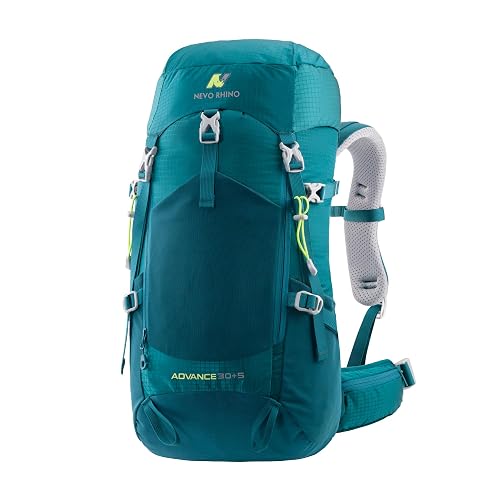
N NEVO RHINO 35L Internal Frame Backpack with Rain Cover
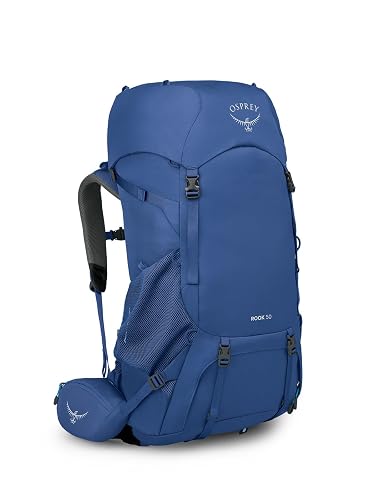
Osprey Rook 50L Men’s Backpacking Backpack (Blue OS)
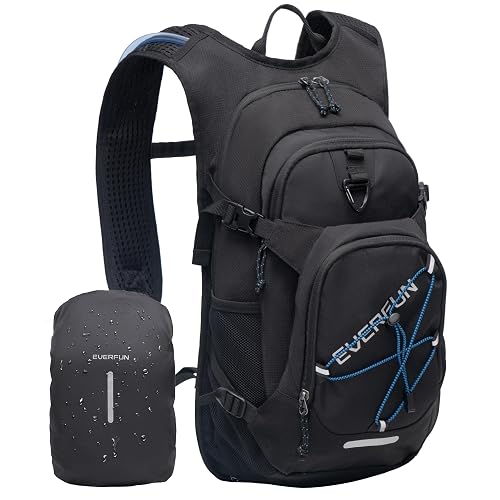
Everfun 18L Hydration Backpack with Water Bladder
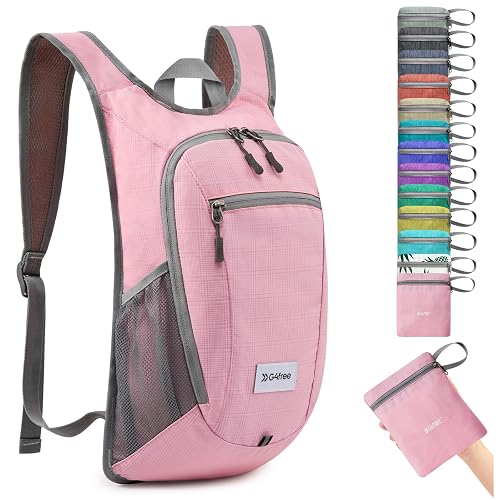
G4Free 10L/15L Lightweight Packable Hiking Daypack
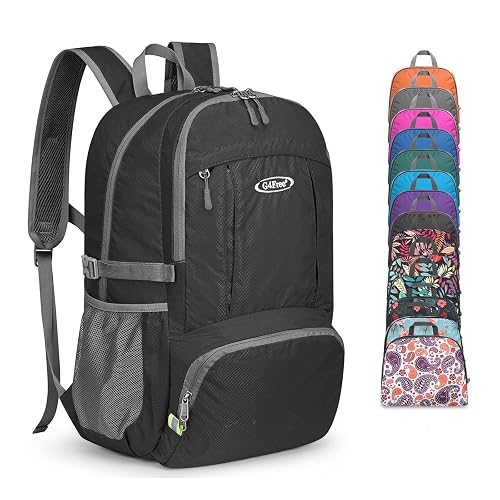
G4Free 40L Lightweight Packable Hiking Daypack
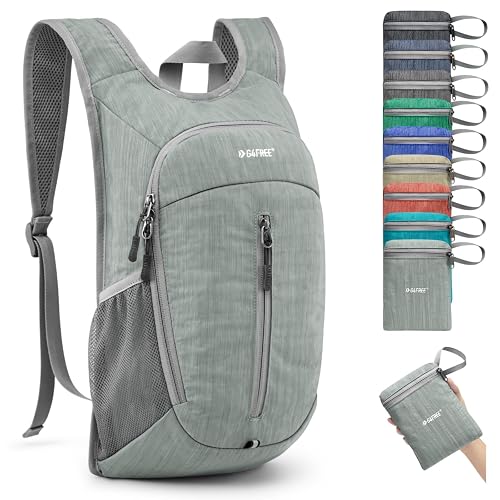
G4Free 10L Packable Travel Hiking Daypack
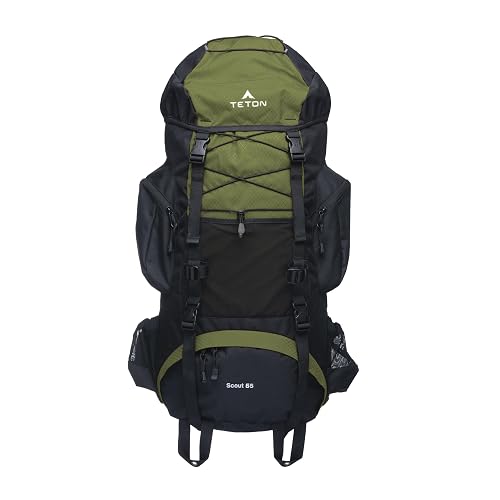
Teton Sports 55L Scout Internal Frame Backpack (Olive)
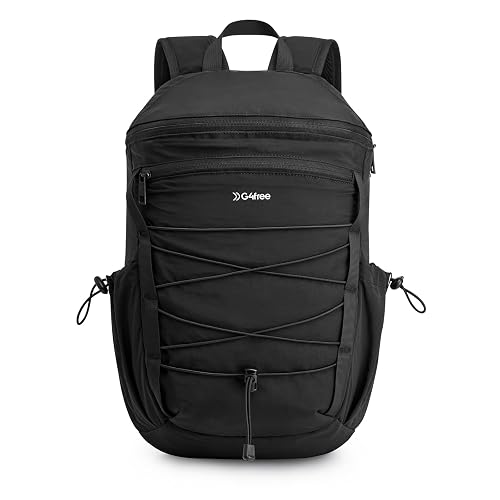
G4Free 20L Hiking Travel Backpack
What Each Pick Brings To The Table
Internal-frame packs give beginners a real backbone instead of a floppy sack, and this 35-liter option from N NEVO RHINO hits a sensible middle-ground size for first overnighters and long day hikes. The carry is built around ripstop polyester and nylon panels, with bar-tacked reinforcement at every stress point so straps don’t peel away after a season of use.
Compared to the bare-bones daypacks later in this list, this one ships with a proper internal frame and a built-in rain cover stowed in the bottom, so weather isn’t an afterthought. For newcomers easing into gear ownership, the pack offers enough structure to handle a sleeping bag and pad without sagging.
Well-Handled Touches
- Ripstop shell shrugs off scrapes from granite scrambles and overhanging branches on wooded trails.
- Stress-point stitching keeps shoulder straps anchored through years of weekend trips, not just one season.
- Integrated rain cover deploys fast when afternoon storms roll over ridges, with no separate pouch to forget at home.
- 35L capacity swallows a beginner’s full kit, layers, food, and water for a single overnight.
Things To Consider
- The internal frame adds weight over a frameless daypack, which you’ll feel on short, fast hikes.
- Owners commonly report the suspension runs warm in summer; mesh panels help, but airflow isn’t class-leading.
- Color/finish details from the source aren’t fully listed, so checking the listing page for visual fit is worth the extra click.
Who Should Grab It
First-time backpackers planning one-night trips who want a structured carry and a rain cover bundled in.
Look Elsewhere When
The Everfun 18L Hydration Backpack fits shorter, water-heavy day routes better where bladder access matters more than overnight volume.
The Osprey Rook 50 is the kind of pack that grows with you, and that matters for beginners who don’t yet know their preferred torso length or trip style. An injection-molded ladder-lock torso adjustment makes it easy to dial fit precisely without guessing, and the AirSpeed suspension uses a tensioned mesh back panel to keep airflow moving across your spine.
Where the N NEVO RHINO 35L leans into overnight basics, the Rook 50 pushes toward real multi-day capacity and a refined fit system. It carries enough volume for a beginner’s first 2-3 night trips, with the integrated rain cover and bluesign certification adding practical and material credibility.
Points In Its Favor
- Ladder-lock torso lets you reset the fit between hikes, which is helpful when you’re still dialing in your body mechanics.
- AirSpeed mesh back panel pulls load weight away from the spine and channels heat outward on summer climbs.
- 50L main bay holds a sleeping bag, pad, shelter, and food for a real multi-day, not just a single overnight.
- Integrated rain cover deploys from a dedicated pocket, so you’re not stuffing a loose cover into a side strap.
Worth Noting
- 50L feels oversized for casual day hikes; the pack carries best when loaded near its rated volume.
- Frame and suspension add noticeable weight over the G4Free daypacks earlier and later in this list.
- Premium fit system comes at a price premium compared to starter internal-frame options.
Key Product Details
Built With In Mind
Beginners transitioning from day hikes into their first multi-day trips who want a fit system they can grow into.
Consider Something Else When
The Teton Sports 55L Scout Internal Frame Backpack fits shorter torsos and smaller frames more naturally, making it a better pick for compact body types.
A hydration bladder is the difference between sipping water on the move and stopping every mile to dig out a bottle, and the Everfun 18L is built specifically around that experience. It comes ready to run a 2L or 3L water reservoir, with an insulated back panel that helps keep water cooler in summer and protects the bladder against body-heat soak-through.
Compared to the Osprey Rook 50L’s multi-day ambitions, this pack is squarely a day-use piece. It works equally well on festival grounds and trailheads where quick hydration matters more than load-hauling capacity.
Positive Points
- Included bladder slot accepts either 2L or 3L reservoirs, so you can scale water capacity to the day’s forecast.
- Eight functional pockets keep phones, snacks, and keys reachable without taking the pack off at every stop.
- Velvet-lined pocket protects sunglasses and phones from scratches when you stash them mid-trail.
- Front quick-access pocket sits high on the chest for the items you grab while still moving.
Trade Offs
- 18L leaves no room for a beginner’s overnight kit, so multi-day trips need a different pack entirely.
- Bladders need periodic cleaning and tube replacement; expect light ongoing maintenance that pure bottle users skip.
- Hose routing across the sternum strap can feel finicky until you find the strap height that matches your torso.
Feature Snapshot
Made For
Runners, bikers, and day hikers who want hands-free sipping and a low-profile carry without bulk.
Not Your Match When
The G4Free 40L Lightweight Packable Hiking Daypack suits swimmers and paddlers better, thanks to a sealed wet pocket that this hydration pack doesn’t offer.
Short, fast day hikes demand a different tool than multi-night trips, and G4Free’s packable 10L/15L daypack leans into that minimalist use case. The shell uses tear-resistant polyester with SBS metal zippers that don’t snag the way lighter plastic coils can, and the adjustable shoulder strap is breathable enough to stay comfortable on warm afternoons.
Unlike the structured N NEVO RHINO 35L reviewed earlier, this pack collapses flat when empty, so it lives in your car’s glovebox or suitcase without claiming real estate. The trade-off shows up in capacity: you get one main compartment, a small package pocket, and a front pocket suited for a 7-inch phone.
What Helps Most
- Folds down small enough to stash in a coat pocket, making it a “just-in-case” carry for unexpected trail stops.
- Reinforced stitching at stress points holds up under repeated folding and unfolding without seam failures.
- SBS metal zippers survive sand, dirt, and dust better than budget plastic alternatives.
- Breathable shoulder strap mesh keeps the pack from feeling sticky on quick summer loops.
Room For Improvement
- No internal frame means heavier loads shift on your back during longer walks.
- Limited pocket count forces you to nest small items inside the main compartment, slowing access.
- Lack of dedicated hydration sleeve means you’ll clip or strap a bottle on the outside.
Right Fit For
Beginners tackling quick loop hikes, urban walking routes, or short nature walks where the pack weighs more than the contents.
Swap It Out When
The Everfun 18L Hydration Backpack is a better fit for hot, dry hikes where a built-in bladder matters more than foldable storage.
For swimmers, paddlers, and hikers who get caught in sudden cloudbursts, wet gear is a real headache, and this G4Free 40L pack solves it with a fully waterproof rear pocket. Phone, wallet, and dry clothes stay sealed off from damp towels and soaked layers, which is a detail most frameless daypacks ignore.
The 40L size is generous for a packable pack, so it bridges the gap between the smaller 10L/15L G4Free and the multi-day Osprey Rook 50. The foldable design keeps weight down while still swallowing enough gear for a long day out.
Bright Spots
- Sealed wet pocket keeps electronics bone-dry when towels and rain gear go inside the main compartment.
- 40L capacity swallows picnic blankets, towels, and a change of clothes for post-swim outings.
- Packable construction weighs less than rigid framed packs, easing shoulder fatigue on long walks.
- Multi-compartment layout separates clean from used layers without mixing smells and moisture.
Honest Caveats
- Packable fabric is comfortable but doesn’t carry weight as cleanly as framed packs near its upper capacity.
- No internal frame means the pack can fold on itself when overloaded, leaving an awkward load against your spine.
- Waterproofing applies to the rear pocket only; the main compartment needs a separate rain cover in heavy storms.
Whose Shelf It Belongs On
Swimmers, kayakers, and casual hikers who need a sealed compartment for wet gear without committing to a framed pack.
A Better Fit Elsewhere
The Osprey Rook 50L Men’s Backpacking Backpack suits multi-day backpackers better, with a real internal frame and integrated rain cover for full-trip loads.
Travelers need a daypack that disappears when they’re not using it, and this G4Free 10L folds into a 7.5-by-6-inch bundle that genuinely fits inside a coat pocket. Unfold it when you land, and it expands to roughly 15.5 x 9 x 3.5 inches for sightseeing days and casual trail stops.
The smaller 10L profile makes it the more pocketable cousin to the 10L/15L G4Free reviewed earlier, trading some volume for a tighter fold. It’s a solid choice for backpackers and business travelers who want a stowable backup bag without the weight penalty.
Noteworthy Benefits
- Inverted-pocket fold design means no separate stuff sack to lose track of mid-trip.
- Pocket-sized folded footprint slips into luggage, handbags, and large jacket pockets.
- Unisex styling suits shared use between travel partners without looking mismatched.
- Lightweight shell keeps carry weight low, which matters after a long flight or train ride.
Points To Note
- 10L is tight for anything beyond a phone, wallet, water bottle, and a light layer.
- Fabric has a thinner hand-feel than the heavier 40L G4Free reviewed earlier, so it isn’t ideal for rough use.
- No hip belt or sternum strap to stabilize heavier loads.
Feature Snapshot
Best Suited To
Travelers and commuters who want a backup daypack they can unfold only when needed.
Reach For A Different Pick When
The G4Free 40L Lightweight Packable Hiking Daypack handles wet gear and longer outing volumes better for active trail days.
Many adult packs assume a long-torso build, leaving shorter hikers with a fit that floats on their hips and pulls on their shoulders. The Teton Sports 55L Scout addresses that with a 3/4-length frame designed for shorter torsos, including younger hikers and smaller adults, plus an adjustable back panel that lets you dial the fit over time.
It’s the framed-pack sibling to the N NEVO RHINO 35L reviewed at the top of this list, with more volume and an integrated rain cover for serious weather. The olive colorway keeps a low visual profile, which some hikers prefer on wildlife-heavy trails.
Practical Pluses
- 3/4-length frame fits shorter torsos that standard adult packs tend to overshoot.
- Integrated rain cover deploys fast, matching what the Osprey Rook 50L offers at a different price tier.
- Adjustable torso back panel lets you reset the carry as your body or layering changes.
- 55L handles multi-day trips without forcing you to strap bulky items to the outside.
Less Ideal Details
- 55L runs heavy when fully loaded; shorter hikers may feel the load more acutely on long climbs.
- Olive colorway limits visibility in emergencies; bright fabric is easier for searchers to spot.
- Optional protection plans cover breakdowns but add recurring cost to the upfront investment.
The Right Fit
Smaller-framed adults and youth hikers who need a real internal-frame pack in shorter dimensions.
Where A Sibling Pick Shines
The Osprey Rook 50L Men’s Backpacking Backpack suits taller hikers better, with an industry-leading fit system for adult-length torsos.
Closing out the list, the G4Free 20L sits in a useful middle zone: bigger than the 10L travel pack earlier, smaller than the 40L wet-weather model, and aimed squarely at day hikers who want a low-key carry. The unisex cut works for a wide range of body types without looking oversized on smaller frames.
For beginners who mostly walk local trails and don’t want to invest in a structured pack yet, this one delivers everyday-use capacity without weight penalty. It’s the casual alternative to the more technical offerings earlier in the roundup.
The Upside
- 20L capacity fits lunch, layers, water, and the small accessories beginners actually carry.
- Lightweight shell keeps the pack from becoming a workout on its own.
- Unisex shape suits a wide range of wearers without tailoring.
- Daypack dimensions slip under airline personal-item sizing rules for hybrid travel-and-hike trips.
Some Limits To Know
- Source data offers limited spec detail, so confirm dimensions and pockets on the product page before committing.
- No internal frame means heavier loads shift against your back during longer days.
- Basic pocket layout lacks the specialized sleeves you’d find on hydration-specific packs.
Feature Rundown
Who Will Love This
Beginners easing into day hiking who want a casual, travel-compatible pack without the cost or weight of framed options.
Skip It When
The N NEVO RHINO 35L Internal Frame Backpack handles heavier, structured loads better for beginners stepping up to overnight trips.
How To Choose The Right Pack For Your First Trails
Match Volume To Your Real Trip Length
A 10-15L pack feels right for a one-to-three-hour local loop, but you’ll outgrow it the moment you add a lunch, extra layers, and water for a half-day outing. Most beginners do well starting at 18-20L for day hikes and stepping up to 35-50L only when overnight trips enter the picture. Picking more pack than you need tempts you to overfill it, which strains your shoulders faster than a smaller, well-packed bag.
Fit Matters More Than Spec Sheets
Torso length, hip-belt engagement, and shoulder-strap curve determine comfort far more than liters or fabric weight. A pack that’s two inches too long floats on your hips, and one that’s too short crushes your lower back. Adjustable systems, like the Osprey Rook 50’s ladder-lock or the Teton Scout’s torso panel, give beginners room to grow into a fit instead of locking them in.
Suspension And Ventilation Define Day-Long Comfort
An internal frame transfers weight from shoulders to hips, which is the difference between feeling fresh at mile six and feeling broken. Mesh-panel back designs channel heat away from the spine; closed foam backs insulate better in winter but run hot in summer. Pick based on the climate you’ll hike in most, not the climate you wish you had.
Weather And Hydration Shouldn’t Be Afterthoughts
Rain covers, sealed wet pockets, and hydration sleeves look like small details until you’re five miles in and soaked. Built-in covers beat aftermarket ones because you can’t forget them. Bladders work great for steady sipping; bottles work better for short hikes and quick refills. Think about which habit fits your day before committing.
What Sets Beginner-Friendly Packs Apart
Common Mistakes First-Time Hikers Make
The trap is buying a pack that’s either too big or too small based on imagined future trips rather than current ones. Many newcomers also skip the hip belt, treating it as optional instead of the primary load-bearing contact point. A related slip-up is ignoring ventilation in favor of capacity, which makes every uphill stretch feel harder than it should.
When Spending More Actually Helps
Premium packs earn their keep with fit systems that survive years of adjustment, suspension that ventilates on real climbs, and materials that resist abrasion on rocky terrain. For casual day hikers, the upgrade rarely pays off, since a basic pack handles the load. For multi-day backpackers or daily trail users, the better suspension alone can justify the higher tier over several seasons of use.
Frequently Asked Questions
What size hiking backpack do beginners actually need?
Most beginners do well with an 18-30L pack for day hikes and a 35-55L pack when overnight trips enter the picture. Going larger than your trip demands usually means overpacking, which strains shoulders faster than a smaller, well-curated bag.
How do I know if a backpack fits properly?
A good fit puts most of the weight on your hips, with the shoulder straps acting more like stabilizers than load-bearers. The hip belt should sit on your iliac crest, and the torso length should match the distance between your C7 vertebra and your hip belt.
Do beginners need a framed backpack?
Framed packs help once loads exceed 15-20 pounds or trips stretch past half a day. For short, light day hikes, a frameless packable daypack is usually enough and far more comfortable.
How important is a rain cover on a hiking pack?
A rain cover matters the moment weather becomes unpredictable, which is most shoulder seasons and mountain climates. Integrated covers are easier to remember, while aftermarket covers let you swap coverage between packs.
Are hydration bladders worth it for beginners?
Bladders shine on long, hot, water-scarce routes where stopping for bottles breaks your rhythm. For short, urban-style hikes, bottles are simpler and avoid bladder cleaning and tube maintenance.
Wrap Up
Pick the pack that matches the trail you actually hike most, not the trail you dream about. For day loops, start with a 10-20L daypack; for overnights, step into a structured 35L+ option that fits your torso. Fit, suspension, and weather protection will matter far more than marketing copy as your trail time adds up.