
A kid’s pack is one of those things you only think about once they’re halfway up a hill, sweating through a too-heavy bag with a strap digging into one shoulder. The right hiking pack for kids fits a smaller torso, holds water where they can reach it, and doesn’t fight them on the trail. These six picks cover everything from schoolyard-friendly daypacks to lightweight hydration vests, so you can match the gear to where your kid actually walks.
The Lineup, Simplified
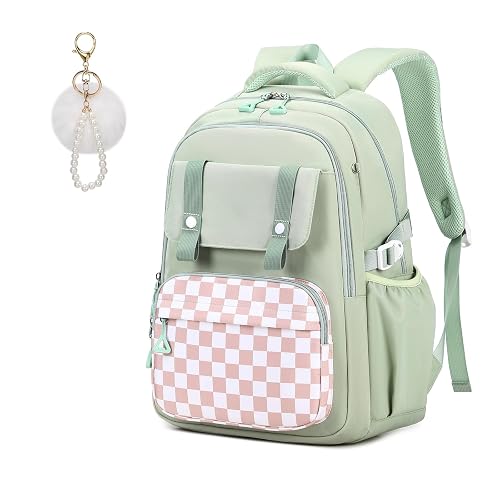
MUSEVOS Girls Backpack Kawaii Checkered Green
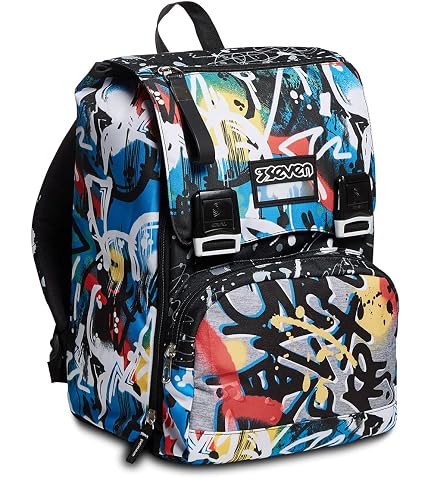
Seven Urban Rock Extendable Backpack
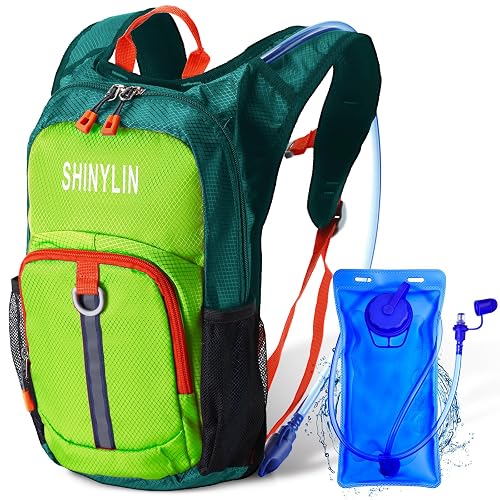
Shinylin Kids Hydration Backpack 1.5L
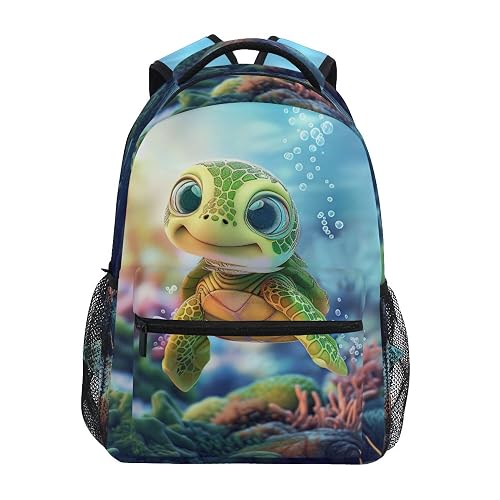
UWSG Ocean Sea Turtle Kids Backpack
senya Sea Turtle Starfish Shells Backpack
Zelvot Kids Hydration Running Vest
A Breakdown Of The Leading Choices
The MUSEVOS Girls Backpack leans hard into personality, pairing a checkered green pattern with a decorative pendant that doubles as a small bag charm. Built for ages roughly 6 through 14, it spans the awkward stretch between elementary school and the early teen years when kids want a bag that feels like theirs, not a hand-me-down.
You get a roomy main compartment plus enough internal space for binders, a lunchbox, and the usual trail-day extras like a light jacket. The styling is the main draw, and on a school-to-park afternoon, that matters as much as any feature. It reads more as a daily-use bookbag than a technical pack, so expect to treat it accordingly on rougher terrain.
Positive Takeaways
- Eye-catching design that appeals strongly to style-focused kids
- Spacious interior that fits binders, a lunchbox, and a light layer together
- Decorative pendant adds personality without getting in the way of zippers
- Age range covers elementary through early middle school in one bag
Things To Consider
- Lacks a dedicated hydration sleeve, so you may need a separate bottle pocket solution for longer walks
- Embellishments can snag on branches during wooded hikes
Whose Shelf It Belongs On
Fits kids who care about how their bag looks and want something that works for both classroom and trailhead use.
Skip It When
The Shinylin Kids Hydration Backpack is the stronger call for trail-focused outings where built-in water storage matters more than styling.
Unlike the MUSEVOS pick, which trades on personality, the Seven Urban Rock Extendable Backpack is built around an Ergosystem back panel. That’s a pre-shaped, contoured back with an integrated base, designed to keep weight close to a child’s center of gravity so the load doesn’t tug backward on climbs.
The 28-liter capacity opens up further through dual side zippers, which is genuinely useful when a kid is hauling a school project, sports kit, and a packed lunch in the same bag. Padded, fabric-covered shoulder straps round out the comfort story. Compared to the UWSG Ocean Sea Turtle bookbag, this is a more grown-up silhouette aimed at older kids who need real carrying capacity.
Positive Points
- Expandable design adapts to bigger loads without buying a second bag
- Pre-shaped back panel helps distribute weight across the torso
- Fabric-covered straps reduce the strap-digging-into-shoulders problem on long walks
- Sturdy 100% polyester build handles daily school use
Worth Noting
- At 28 liters, it can feel oversized for shorter elementary kids under nine
- Single front pocket limits quick-access organization
Feature Snapshot
Best Suited To
Older elementary and middle school kids who carry a heavier load and need a bag that grows with them.
Look Elsewhere When
The MUSEVOS Girls Backpack is a friendlier match for younger kids who’d rather carry a smaller, personality-driven bag.
The Shinylin Kids Hydration Backpack is the first pick in this list designed around a hydration bladder. That’s a flexible water reservoir that sits inside a dedicated sleeve, with a drinking tube routed over the shoulder so kids can sip without stopping or taking the pack off. You get a 1.5-liter bladder included, sized for shorter adventures.
The pack itself measures roughly 14.9 x 8.2 x 3.8 inches, which lands it firmly in small-torso territory. Two main compartments and two side pockets cover snacks, a light layer, and small tools. Compare that to the senya School Backpack, which focuses on pockets for books; this one prioritizes hands-free water access for moving kids.
Key Advantages
- 1.5L bladder included, removing the need to buy hydration separately
- Lightweight build reduces fatigue on longer rides and walks
- Drinking tube means kids hydrate without stopping mid-trail
- Four total pockets keep snacks and gear separated
Honest Caveats
- Smaller volume means limited room for a change of clothes or thick jacket
- Bladders need periodic cleaning to prevent mildew, which is an extra ownership step
Who Should Grab It
Active kids who bike, scoot, or hike short-to-medium distances and need water on demand.
Consider Something Else When
The Zelvot Kids Hydration Running Vest is a better fit for kids who run or race and want a more body-hugging profile.
The UWSG Ocean Sea Turtle Bookbag is the friendliest entry on this list for the smallest hikers. It’s aimed at kids over age 3, and at roughly 11.4 x 6.9 x 16 inches, it fits a toddler or early-elementary frame without dwarfing them. The ocean-themed artwork gives it strong appeal for animal-loving kids.
The 24-liter capacity lands in a useful middle ground, big enough for snacks, a light sweatshirt, and a small stuffed companion, while staying light enough that a young child can carry it without protest. The empty bag reportedly stands upright on its own, which is a small but helpful detail for kids still learning to manage their own gear. For more structured load-hauling, the Seven Urban Rock is the upgrade path.
What Works In Its Favor
- Stand-up design helps young kids set the bag down without it toppling
- Animal theme appeals broadly to ages 3 through 8
- Lightweight at about 15.5 oz, kind to small shoulders
- Reasonable 24L volume for half-day outings
Soft Spots
- Themed exterior may feel too young for tweens
- Limited internal organization compared to the senya School Backpack
Made For
Preschool and early-elementary kids taking their first family hikes or nature walks.
Another Choice May Suit
The senya School Backpack is a smarter pick for kids who need a bag to handle both classroom and weekend trail duty.
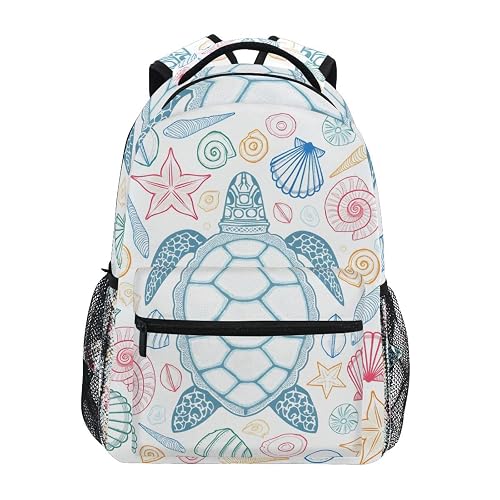
The senya School Backpack sits in the crossover zone between school bag and trail pack, which is where a lot of parents actually need a bag to live. One size fits a wide range, and the sea-turtle-and-starfish print keeps it firmly in kid territory without skewing too young.
Inside, you get a large zippered main section plus four smaller internal pockets for a phone, wallet, or small tools. Two exterior side pockets handle water bottles. That’s noticeably more organization than the UWSG Sea Turtle bookbag, and a more school-friendly layout than the Shinylin hydration pack. For families who want one bag to do double duty across the week, this is a sensible middle-of-the-road option.
The Practical Payoff
- Six total pockets make organizing school and trail items easy
- One-size design stretches across elementary age groups
- Side bottle pockets keep drinks reachable without opening the main compartment
- Coastal theme holds appeal for a wide age range
Possible Compromises
- No built-in hydration bladder, so longer hikes need a separate bottle plan
- One-size fit can run large for the youngest kids
Right Fit For
Families who want a single bag that follows a kid from classroom to weekend trail without swapping gear.
Reach For A Different Pick When
The Shinylin Kids Hydration Backpack is a stronger choice for days when hands-free drinking matters more than pocket count.
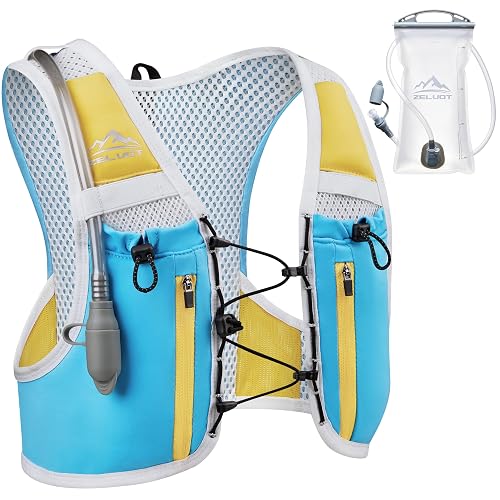
The Zelvot Kids Hydration Backpack doubles as a running vest, which is the key thing separating it from the Shinylin hydration pack earlier in this list. The fit is closer to the body, so it stays put during faster movement like trail running or off-road biking.
The size-matched bladder is a thoughtful touch. XS/S gets a 1-liter reservoir, while larger sizes step up to 1.5 or 2 liters, so the bladder matches the vest’s capacity rather than swamping a small frame. The bite valve (the mouthpiece where the drinking tube ends) uses a pull-up, push-down design that mimics how adult runners hydrate, so kids learn the same habits. For pure trail-day versatility, the Seven Urban Rock still wins on storage, but on pace, this is the one.
Bright Spots
- Size-matched bladder prevents reservoir overflow in smaller vests
- Body-hugging profile reduces bounce during runs and rides
- BPA-free, PVC-free bladder construction eases safety concerns
- Pull-up bite valve teaches proper on-the-go hydration technique
Points To Keep In Mind
- Less storage than a traditional backpack, so it isn’t a school-day option
- Tight fit may feel restrictive to kids who prefer a looser carry
Who Will Love This
Young athletes running short trail races, biking, or training for a junior outdoor event.
Where A Sibling Pick Shines
The UWSG Ocean Sea Turtle Backpack is a better match for casual family hikes where bounce control isn’t the priority.
What Matters Most Before Choosing Hiking Backpacks For Kids
Fit Comes Before Features
A pack that doesn’t fit a kid’s torso will hurt them long before the trail gets hard. Look for shoulder straps that sit squarely on the shoulders without sliding off, and a back panel that follows the natural curve of a child’s spine. The Seven Urban Rock’s pre-shaped back panel is a good example of this principle in action. If a bag pulls backward or forces a child to lean forward, it’s the wrong size regardless of how much it holds.
Match Capacity To The Trip
A 24-liter pack sounds roomy until a kid has to lug it for three miles. For short nature walks, 10 to 20 liters is plenty for a snack, water, and a light layer. Full-day hikes push toward 25 to 30 liters, which is where the Seven Urban Rock lives. Packs sized for adult commuting tend to be too tall and too deep for smaller frames, even if the volume numbers look right.
Hydration Changes The Day
A dedicated bladder sleeve plus a drinking tube routed over the shoulder is the single biggest upgrade for kids who fight with water bottles mid-hike. The Shinylin and Zelvot hydration packs both solve this, with the Zelvot edging ahead for active use. For casual walkers, side bottle pockets are a perfectly good alternative, and you avoid the cleaning routine a bladder requires.
Weight Matters More Than Pockets
An empty pack should feel almost unnoticeable when you pick it up. Kids carry a higher proportion of their body weight on the trail than adults, so every extra ounce counts. Check the listed empty weight before adding gear, and resist pockets you won’t actually use. The UWSG’s roughly 15.5-ounce build is friendly for younger kids, while a heavier school-style pack can feel like a burden before the hike even starts.
Key Considerations Across These Picks
Pitfalls Shoppers Hit
The most common miss is buying by age range alone, since “ages 6 to 14” covers wildly different torso sizes. A second is overlooking torso length, which matters more than age for how a pack actually wears. Finally, skipping a bladder-cleaning plan turns hydration packs into mildew problems within a season, so factor that routine in before committing.
What The Higher Tier Buys
Stepping up usually means better back-panel construction, more durable fabric, and smarter weight distribution. The Seven Urban Rock and the Zelvot vest both deliver on that front, and the upgrade is most visible on longer days when a cheaper bag would start to sag or dig in. For one short afternoon hike a month, the value picks do the job; for weekly use, the tier above pays for itself in comfort and longevity.
Frequently Asked Questions
What size backpack does a child need for hiking?
A capacity between 10 and 20 liters suits most day hikes for kids under 10, while 20 to 30 liters works for older kids or full-day outings. Torso fit matters more than volume, since a too-tall pack shifts weight onto the lower back.
Are hydration backpacks safe for kids?
Yes, modern kids’ hydration bladders use BPA-free and PVC-free materials, and the bite valves are sized for smaller mouths. The bigger ownership task is regular cleaning, since a damp bladder left closed will develop mildew.
How heavy should a kids’ hiking backpack be when packed?
Aim for a loaded pack that weighs no more than 10 to 15 percent of your child’s body weight. For a 60-pound child, that caps the carry at around 9 pounds, including water, snacks, and an extra layer.
Can a school backpack work for short hikes?
For short, flat walks a sturdy school bag with padded straps can do the job. The trade-off is no dedicated hydration system and a fit designed for a classroom, not a moving child on uneven ground.
How do you clean a kids’ hydration bladder?
Rinse with warm water and a small amount of baking soda after each use, then hang the bladder open to air-dry completely. A bottle brush helps reach the corners, and most bladder manufacturers recommend a deeper clean every few weeks.
The Takeaway
Match the pack to the kid, not the other way around. A confident trail runner gets something like the Zelvot vest, a style-driven elementary kid reaches for the MUSEVOS bag, and a family that wants one pack to do everything will land on the senya or the Seven Urban Rock. The right fit is the one your child forgets they’re wearing somewhere around the second mile.