
The Appalachian Trail runs roughly 2,194 miles from Georgia to Maine, crossing rocky ridges, root-strewn footpaths, and stream fords that punish your feet daily. Kit matters here, and footwear leads the list. Long-distance hikers plan around water crossings, ankle support on uneven granite, and socks that fight blisters across hundreds of thousands of steps. The boots and gear below cover entry-level day hikers, full thru-hikers, and everyone tuning a kit between the two.
A Quick View Of The Lineup
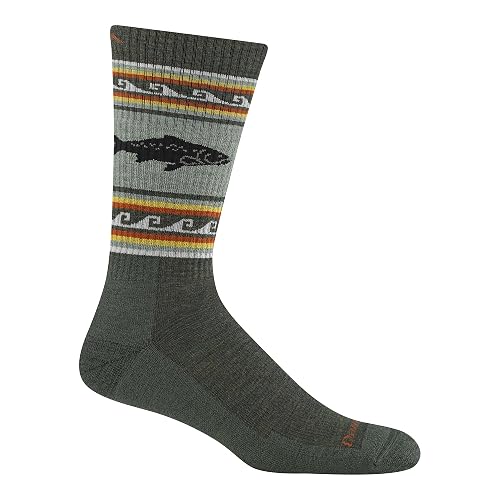
Darn Tough Vermont Vangrizzle Boot Cushion Hike Socks

Darn Tough Vermont ATC Mountain Micro Crew Hike Socks

BUFF Original EcoStretch Neck Gaiter

Columbia Men’s Fairbanks Low
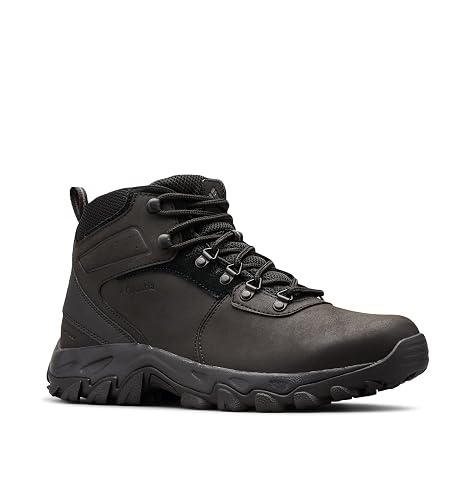
Columbia Men’s Newton Ridge Plus II Waterproof
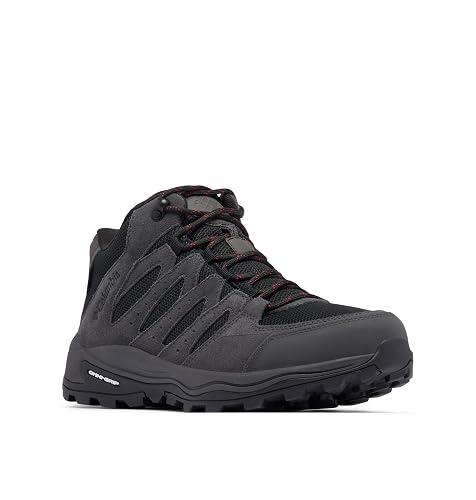
Columbia Men’s Redmond IV Mid Waterproof
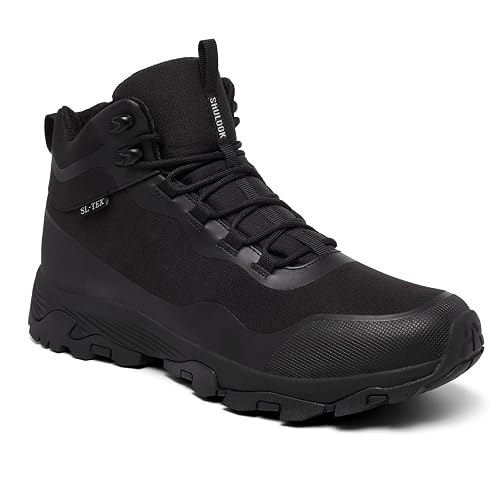
SHULOOK Men’s Waterproof Hiking Boots

SHULOOK Men’s Low Top Waterproof Hiking Shoes
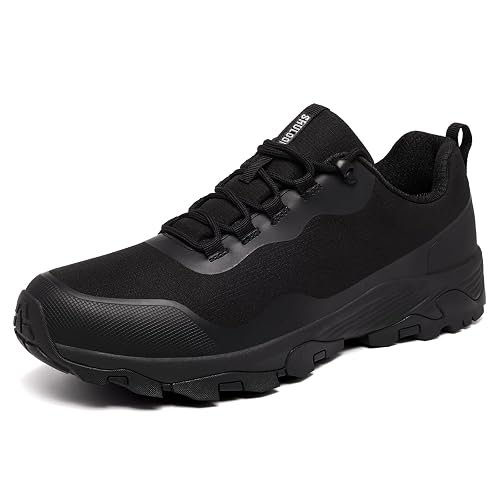
SHULOOK Men’s Waterproof Trail Trekking Shoes
Meet The Standout Selections
Sock height decides a lot on the AT, and the Vangrizzle sits at boot-cut to keep debris, grit, and stray ticks off your lower calf on long days. Merino wool manages moisture and odor across multi-day stretches, while the knit construction holds its shape wash after wash. Pair these with a mid or full-cut boot and you’ve covered one of the most failure-prone pieces of a thru-hiker’s kit.
Compared to the lighter Darn Tough pick that follows, the Vangrizzle leans into denser cushioning for colder sections like the Smokies and the Whites. The tradeoff shows up in warmth on summer ridge walks, where a thinner sock breathes better. Section hikers chasing shoulder-season miles get the most from this profile.
What Earns Its Place
- Boot-height cuff blocks trail debris from dropping into your footwear on root-heavy sections.
- Merino blend handles odor across multi-day resupply gaps where laundry is not an option.
- Targeted cushion underfoot softens repeated impact during 20-plus-mile days.
- Durable knit holds up to repeated wash cycles common for thru-hiker resupply routines.
Points To Note
- Denser cushion can run warm in mid-summer ridge conditions, depending on your pace.
- Boot height may feel excessive for hikers in low-cut trail shoes.
Who It Suits Best
Thru-hikers and section hikers tackling cooler shoulder seasons or higher-elevation stretches who prefer a taller sock profile.
Where Another Pick Suits Better
Hikers in low-cut shoes running hot and dry in summer will find the Darn Tough Vermont ATC Mountain Micro Crew Cushion Hike Socks more breathable.
Named for the AT itself, the ATC Mountain sits at micro-crew height, a popular middle ground that clears the boot collar without piling fabric above it. Merino wool wicks sweat through stream crossings and humid Virginia sections, and the knit rebounds from repeated machine washing in town stops. For many long-distance hikers, this is the daily sock that quietly does its job.
The ATC pairs naturally with mid-cut boots like the Columbia Newton Ridge Plus II or Redmond IV a few rows down. Less cushion underfoot than the Vangrizzle above means more breathability, which helps in summer. Footwear swaps and resupply runs both stay simpler with one trusted sock in rotation.
Advantages To Know
- Micro-crew cuff sits above the boot line to seal out grit without bulk.
- Merino fibers pull moisture away from skin through wet grass and stream fords.
- Cushion level handles daily mileage without overheating summer feet.
- Resilient knit construction holds shape through hundreds of wash cycles.
- Year-round versatility from spring desert sections to fall mountain weather.
Honest Caveats
- Not as warm as the Vangrizzle for freezing ridge camps.
- Crew height can still let in debris on dusty treadways, depending on gait.
Key Specs
Right Fit For
Through-hikers and section hikers who want one dependable sock for most of the calendar, paired with mid-cut boots.
Skip It When
Late-fall and winter hikers on snow-covered sections may want a taller, warmer sock like the Darn Tough Vermont Vangrizzle Boot Cushion Hike Socks instead.
The BUFF gaiter pulls double duty on exposed ridges and baldfaces where sun, wind, and dust all hit at once. UPF 50 rating (the Ultraviolet Protection Factor, measuring how much UV the fabric blocks) shields the back of your neck above the boot and sock line, while the stretch blend stays comfortable around your face or wrist on the fly. It weighs almost nothing in your pack and earns its space on every section.
Versus the boot-led picks in this list, the BUFF is the lightweight sidekick that handles everything a boot cannot. Use it as a sun shield on the Maine AT, a dust mask on dry Virginia fire roads, or a beanie liner on cold nights. The recycled fiber construction also appeals to hikers watching their gear footprint.
Positive Points
- UPF 50 fabric blocks harsh sun on exposed balds like the Grayson Highlands.
- Recycled polyester blend stays light and dries quickly after stream crossings.
- One-size stretch accommodates most adults without sizing guesswork.
- Multi-functional: wear as neck cover, headband, mask, or wrist wrap.
- Seamless construction reduces chafing under chin straps or hat brims.
Trade-Offs To Consider
- UPF 50 alone is not a substitute for sunscreen on long unprotected stretches.
- Thin fabric offers limited insulation in freezing weather, depending on layering.
- Single-layer stretch can snag on rough brush and Velcro, depending on use.
Made For
Sun-conscious hikers logging exposed miles in summer and shoulder months who want one adaptable piece for face, neck, and head coverage.
Look Elsewhere When
Hikers focused purely on a winter-specific insulating layer may prefer a dedicated balaclava instead of this lighter all-season gaiter.
The Fairbanks Low brings a relaxed hiker vibe to short AT day hikes where full ankle support is overkill. A suede upper backed by Columbia’s Techlite midsole (a lightweight EVA foam, where EVA is ethylene-vinyl acetate, the same cushy foam used in most running shoes) softens long walks on pavement-to-trail connectors, while the Omni-Grip rubber outsole (Columbia’s multi-terrain tread compound) steadies steps on wet roots and rocky slabs. Breathable mesh panels keep the forefoot from turning into a sauna on summer sections.
This sits firmly in the day-hike corner of the spectrum, and compared to the Newton Ridge Plus II a few rows down, the Fairbanks gives up ankle coverage in exchange for weight savings. New England hikers approaching the trail from a state park lot get a familiar low-cut feel that doubles as a casual everyday shoe.
Strengths Worth Knowing
- Low-cut profile keeps weight low for hikers covering under 10 miles a day.
- Techlite midsole cushions heel strike on connector trails and road walks.
- Suede upper adds durability around the toe box on rocky scrambles.
- Omni-Grip outsole handles wet roots and mossy slabs common in Vermont.
Worth Noting
- Low-cut design offers minimal ankle support on uneven boulder fields.
- Not fully waterproof for sustained stream crossings or rain-heavy weeks.
- Suede upper needs occasional cleaning to maintain breathability.
Quick Facts
Best Suited To
Weekend day hikers and section starters who want a low-cut trail shoe that handles paved approaches and moderate dirt trails alike.
Reach For A Different Pick When
Hikers tackling multi-day sections with heavy packs and rough descents will find the Columbia Men’s Newton Ridge Plus II Waterproof more protective.
The Newton Ridge Plus II sits at the center of the AT boot conversation for good reason: a mid-cut leather build that shrugs off rocks and roots, plus a waterproof membrane that keeps stream crossings manageable. The midsole softens heel strikes over multi-mile days, and the grippy outsole bites into wet rock where cheap treads skate. New hikers and experienced section hikers both keep coming back to this silhouette.
Compared to the lighter Fairbanks Low above, the Newton Ridge adds ankle security and weather sealing at the cost of weight. Versus the Redmond IV below, the trade-off is style versus cushion depth. For most thru-hiker aspirants, this is the boot they should try on first.
Where It Helps
- Mid-cut collar supports ankles on uneven boulder sections and side trails.
- Waterproof membrane keeps feet dry through wet grass and shallow fords.
- Durable leather upper resists abrasion from rocky descents.
- Cushioned midsole reduces foot fatigue on 15-plus-mile days.
- Trail-ready outsole pattern grips both wet rock and loose dirt.
Soft Spots
- Heavier than low-cut options like the Columbia Fairbanks Low.
- Waterproofing can trap heat in dry summer sections.
Who Will Love This
Year-round section hikers and aspiring thru-hikers who want one boot that handles wet weather, ankle support, and multi-day mileage.
Swap It Out When
Hikers prioritizing a softer, more cushioned ride for long-distance comfort may prefer the Columbia Men’s Redmond IV Mid Waterproof.
The Redmond IV Mid sits one notch above the Newton Ridge on cushioning, aimed at hikers who want a softer underfoot ride across long days. A waterproof build seals out wet weather common in the Mid-Atlantic and the southern Appalachians, while the mid-cut collar still protects the ankle on root-strewn treadways. Columbia offers this boot in multiple colors, which sounds cosmetic but matters for hikers matching kit to terrain and photos.
Stacked against the Newton Ridge Plus II above, the Redmond IV trades a touch of break-in feel for a more forgiving midsole. Hikers coming off of running shoes often transition more easily into the Redmond profile, depending on foot shape. It also competes with the budget-friendly SHULOOK boots below on waterproofing alone.
Everyday Perks
- Cushioned midsole softens impact on multi-day trail sections.
- Waterproof construction keeps feet drier through wet weeks.
- Mid-cut collar balances ankle support and lighter weight.
- Color and size range cover a wider range of foot and gear preferences.
Where It Is Less Suited
- More cushion means more break-in flex compared to stiffer leather builds.
- Slightly heavier than the low-cut Fairbanks Low option.
Feature Snapshot
Perfect Match For
Multi-day section hikers who log 10 to 15 miles a day and want a cushioned, waterproof mid-cut boot that breaks in quickly.
Not Your Match When
Hikers seeking the lightest possible boot for fastpacking or hot summer hikes will find the SHULOOK Men’s Waterproof Hiking Boots lighter on foot.
For first-time hikers dipping a boot into the AT world, the SHULOOK mid-cut offers a low-stakes entry point. The lightweight build keeps new feet from getting cooked on early-season day hikes, and the waterproof lining handles the occasional stream crossing or surprise rain. The breathable upper cuts down on the swamp-foot feeling common in cheaper waterproof boots.
Where the Columbia options above lean on decades of trail-tested engineering, the SHULOOK offers a softer, more forgiving ride that may suit newer hikers easing into longer distances. The trade-off is durability, since budget boots typically show wear sooner under thru-hiker mileage. Treat it as a starting boot, not a forever boot.
What Helps Most
- Lightweight build reduces fatigue on early training hikes.
- Waterproof lining manages wet grass and rain showers.
- Breathable construction minimizes heat in spring and summer months.
- Lower price point lowers the barrier for first-time hikers.
Points To Keep In Mind
- Lighter build may wear faster under thru-hiker mileage than premium boots.
- Less ankle structure than the Columbia Newton Ridge Plus II.
Built With In Mind
First-time AT hikers and weekend trail walkers who want a waterproof mid-cut boot without committing to a premium price point.
Consider Something Else When
Hikers planning multi-month thru-hikes or rough terrain days may find the Columbia Men’s Newton Ridge Plus II Waterproof more durable for the long haul.
The low-top version of the SHULOOK line shifts the focus toward trail running comfort while still claiming waterproof status. The reduced profile frees the ankle for faster paces on smooth tread, which fits section hikers moving quickly through the rolling Mid-Atlantic. Breathable panels keep the forefoot cooler than mid-cut alternatives, depending on conditions.
Compared to the mid-cut SHULOOK option above, this low-cut leans further into the trail shoe category. Hikers who struggle against boots that feel stiff in the ankle will likely prefer the freedom here. Versus the Columbia Fairbanks Low, the SHULOOK offers a budget-friendlier waterproof membrane, though with shorter expected lifespan under thru-hiker abuse.
Notable Gains
- Low-cut design allows faster strides on smooth, rolling trail.
- Waterproof build handles morning dew and shallow puddles.
- Breathable panels reduce heat on summer section hikes.
- Accessible price supports hikers building a kit on a budget.
Small Caveats
- Minimal ankle protection compared to mid-cut options.
- Construction may not hold up to multi-month thru-hiker mileage.
- Waterproofing breathes less than a non-waterproof mesh trail runner.
Whose Shelf It Belongs On
Section hikers and trail joggers who want a waterproof low-cut shoe for fast-paced days on smoother sections of the AT.
A Better Fit Elsewhere
Hikers carrying heavier packs over rocky terrain will find the Columbia Men’s Newton Ridge Plus II Waterproof more supportive.
The Trail Trekking Shoes round out SHULOOK’s lineup with a low-cut build that emphasizes non-slip traction for moderate day hikes. Lightweight construction keeps foot turnover quick, and waterproof layers block the kind of puddle surprises that end a hike early. It sits comfortably between a true trail runner and a hiking shoe, depending on how you lace it.
Against the SHULOOK Low Top above, this Trekking variant leans a bit harder into grip and tread pattern for looser surfaces. The trade-off shows up in weight, since deeper lugs add a few ounces. Hikers tackling the rocky Pennsylvania or New Jersey sections get more bite without moving to a heavier mid-cut boot.
Standout Benefits
- Non-slip outsole pattern grips loose gravel and rocky descents.
- Lightweight feel supports all-day comfort on moderate mileage.
- Waterproof lining handles surprise rain and morning dew.
- Low-cut profile encourages a natural stride for fast hikers.
Factors To Consider
- Less ankle protection than mid-cut boots in this list.
- Construction may wear faster than premium options over heavy mileage.
- Waterproof layer reduces airflow compared to non-waterproof trail runners.
Who Should Grab It
Moderate-mileage hikers who want a grippy, waterproof low-cut shoe for day hikes and short sections.
Another Choice May Suit
Hikers carrying heavier loads or tackling boulder scrambles will get more support from the Columbia Men’s Newton Ridge Plus II Waterproof.
What To Weigh Before Picking Hiking Boots For The Appalachian Trail
Trail Demands Shape The Right Boot
The AT punishes feet with wet roots, granite steps, and long descents that hammer the toes. Boots with waterproof membranes handle the southern humidity and Maine’s wet spring snow alike, while breathable builds serve hot summer ridge walks. Your typical mileage and pack weight should drive the call between a low-cut trail shoe and a mid-cut boot.
Socks And Gaiters Round Out The Kit
Boat boots work harder with the right sock layer underneath, which is why the Darn Tough picks above earn their place alongside any of these boots. A pair of cushioned wool socks keeps blisters at bay across the hundreds of thousands of steps a section adds up to. The BUFF gaiter adds sun and dust defense that no boot can match.
Fit Trumps Spec Sheets
Spec sheets say little about how a boot feels on your foot after mile twelve. Most AT hikers recommend trying boots on with the socks you intend to wear and walking on an inclined surface before committing. A loose heel causes blisters faster than any missing technology ever will, and the AT has no shortage of inclines to test on.
Key Considerations Across These Picks
Common Buying Slip Ups
First-time AT hikers often grab the heaviest boot they can find, assuming rugged equals safe, then discover that extra weight wrecks knees on downhills. The opposite mistake shows up too: choosing a featherweight trail runner that feels great in the parking lot but fails on wet rock or rough side trails. Match the boot to your realistic mileage and pack weight, not to a fantasy thru-hike scenario.
Where The Extra Money Goes
The jump from budget to mid-tier boots typically buys better waterproof membranes, more durable midsoles, and longer-lasting tread compounds. Columbia’s mid-cut boots in this list offer the kind of build that survives a full section without falling apart, while the SHULOOK picks trade longevity for lower upfront cost. Spending up makes sense for hikers logging real miles, while weekend walkers get more value from a budget option that fits well.
Frequently Asked Questions
Do I Need Waterproof Hiking Boots For The Appalachian Trail?
Waterproof boots help on wet grass, rain-heavy weeks, and shallow stream crossings, but they also trap heat during dry summer stretches. Many thru-hikers switch between waterproof and breathable options as conditions change.
How Long Does It Take To Break In Hiking Boots?
Most mid-cut leather boots need around 10 to 20 miles of gradual wear to soften up and mold to your foot. Starting with short day hikes prevents the blisters that come from jumping straight into long mileage.
Are Low-Cut Trail Shoes Enough For The Appalachian Trail?
Low-cut trail shoes work well for fastpackers and section hikers carrying light loads on smoother tread. Heavier packs, rough side trails, and unstable ankles push most hikers toward mid-cut boots instead.
How Often Should I Replace Hiking Socks?
Quality wool socks like the Darn Tough picks in this list often outlast multiple boot cycles if washed and dried properly. Budget socks wear out faster, especially under the repeated abrasion of long-distance hiking.
Can I Use One Pair Of Hiking Boots For All Seasons?
A versatile mid-cut waterproof boot handles spring, summer, and fall for most hikers. Winter adds the need for gaiters, insulated socks, and often a stiffer boot for traction on icy rock.
Wrap Up
The right AT boot depends on mileage, pack weight, weather, and foot shape, and no single pick covers every hiker. Try boots on with the kit you plan to carry, walk an incline before committing, and remember that the sock underneath matters as much as the boot itself. A well-matched boot plus a trusted sock setup carries you further than any spec sheet alone.