
A loaded pack shifts your center of gravity, magnifies ankle roll, and punishes tired feet on mile six. Trail conditions flip fast too, from wet roots to loose scree before lunch. Your boots carry the load, so the right pair turns a grueling trek into a manageable one. This roundup sorts ten current picks by the scenarios they handle best, from fast day hikes to multi-day hauls with serious cargo.
The Picks In Brief
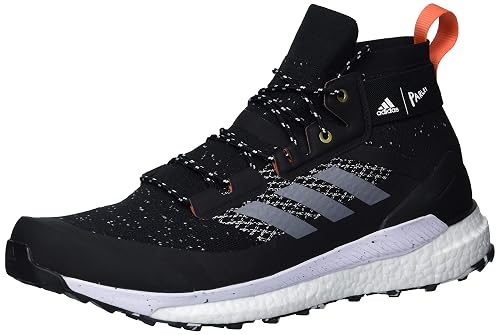
adidas Men’s Terrex Free Hiking Shoe
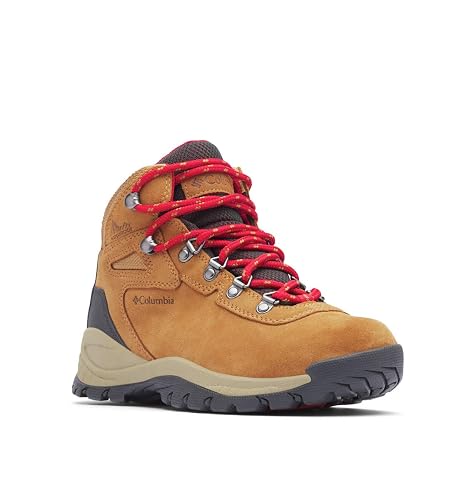
Columbia Women’s Newton Ridge Plus Hiking Boot
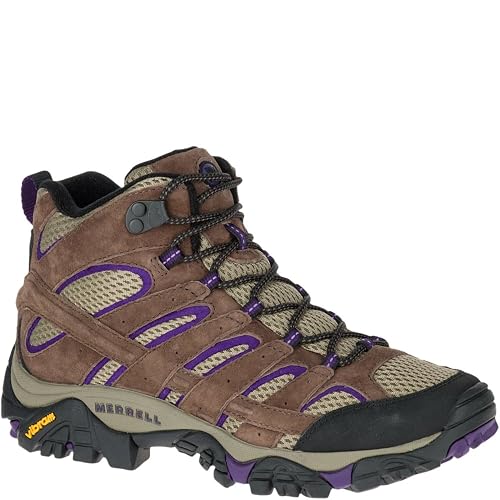
Merrell Women’s Moab 2 Vent Mid Hiking Boot
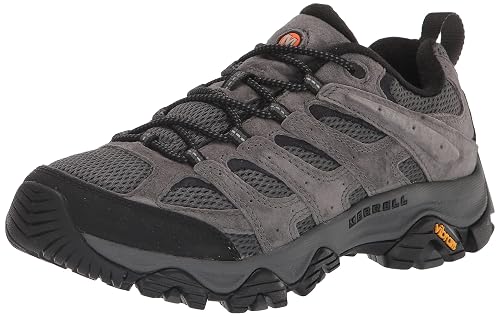
Merrell Men’s Moab 3 Hiking Shoe
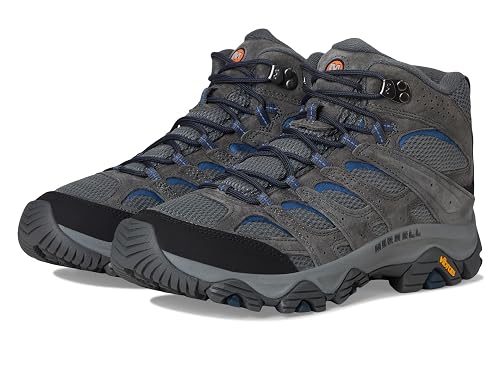
Merrell Men’s Moab 3 Mid Hiking Boot
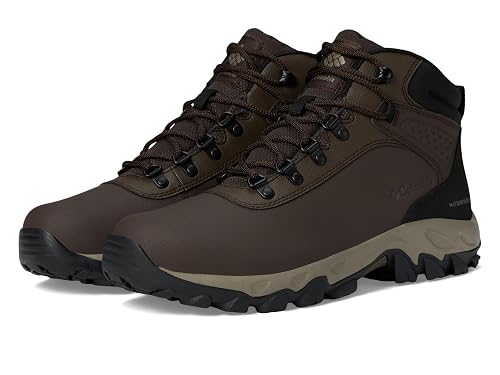
Columbia Newton Explorer
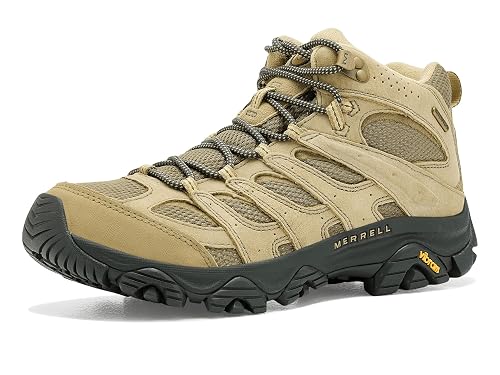
Merrell Men’s Moab 3 Mid Waterproof Hiking Boots
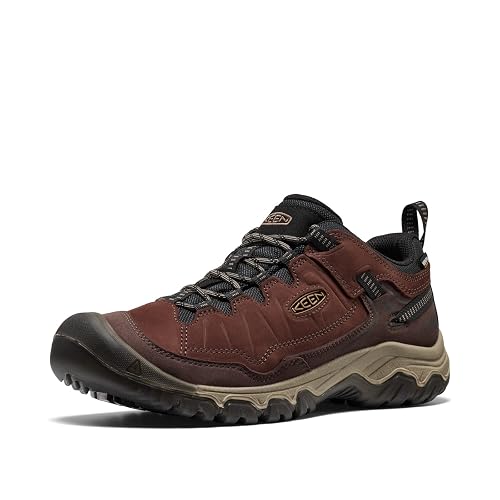
KEEN Men’s Targhee 4 Waterproof Hiking Shoes

KEEN Men’s KS86 Retro Style Sneakers
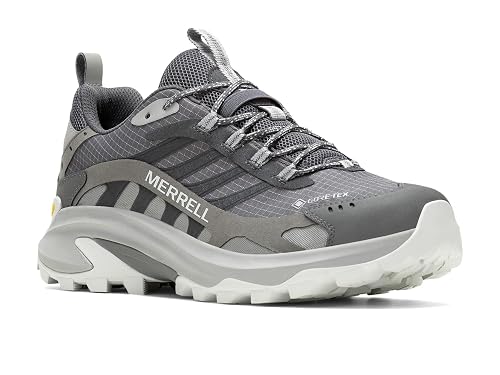
Merrell Moab Speed 2 GTX
Taking A Closer Look At The Options
The adidas Men’s Terrex Free Hiking Shoe lands as the nimble choice for trekkers who move fast and pack light. Built as a low-cut hiking shoe rather than a full boot, it trades ankle coverage for agility on well-maintained paths.
For backpackers logging day-long miles on graded terrain, this shoe keeps the foot close to the ground. Compared to the heavier Columbia Newton Ridge Plus you’ll see later, the Terrex favors speed over weatherproofing.
Bright Spots
- Low-cut design reduces weight on fast-paced day hikes
- Agile platform keeps feet nimble on switchbacks and scrambles
- Drains and dries faster than full-leather boots after creek crossings
- Breaks in quickly, ideal for last-minute trip prep
Worth Noting
- Minimal ankle support limits use on uneven, rocky descents with heavy packs
- Thinner sole means more feel of sharp rocks underfoot over long days
- Not the right tool for winter conditions or deep mud
Best Suited To
Day hikers moving quickly along graded paths where low weight matters more than ankle armor.
Look Elsewhere When
You haul 25+ pounds on rugged descents, where the Columbia Women’s Newton Ridge Plus Hiking Boot gives you more support.
Columbia built the Women’s Newton Ridge Plus Hiking Boot for hikers craving waterproof confidence on real trail mileage. Mid-cut support wraps the ankle without the stiffness of a full mountaineering boot.
For backcountry trips where wet grass and shallow stream crossings are routine, this boot handles moisture without the heat penalty of a GORE-TEX liner. The trade-off shows up in sustained downpours, where lighter waterproof membranes eventually soak through.
The Practical Payoff
- Waterproof leather upper keeps feet dry through morning dew and light rain
- Mid-cut collar stabilizes ankles on uneven, root-covered paths
- Solid traction handles loose dirt, gravel, and moderate rock
- Durable construction stands up to repeated weekend trips
Trade-Offs To Consider
- Heavier than the low-cut adidas Terrex Free, adding fatigue over long days
- Break-in period before the leather molds to your foot shape
Feature Snapshot
Whose Trail It Belongs On
Backpackers tackling wet grass, shallow creeks, and moderate loads on marked trails.
Consider Something Else When
You hike in steady rain for days on end, where the Merrell Moab 3 Mid Waterproof Hiking Boots block moisture more reliably.
The Moab 2 Vent Mid earns its place as a warm-weather specialist in a category often dominated by waterproof shells. Breathable panels move air across the footbed, a relief when the sun is punishing and the trail climbs.
Synthetic leather and mesh construction make this boot a logical choice for desert hikes, summer ridge walks, and dry-forest routes. Compared to the Columbia Newton Ridge Plus, the Moab Vent trades weather sealing for airflow you can feel.
Useful Strengths
- Vented upper keeps feet drier in hot, dry conditions
- Vibram outsole grips well on dry rock and dusty trail
- Lightweight build reduces leg fatigue on long climbs
- Familiar Moab last fits true to size for most wearers
- Mid-cut collar adds stability on side-slope traverses
Small Caveats
- Not waterproof; feet get wet crossing streams or in rain
- Ventilation ports can snag on brush and thorny vegetation
Who Will Love This
Warm-weather backpackers who hike in dry climates and prioritize cooling over weather sealing.
Skip It When
Your route crosses snowmelt streams often, where the Merrell Moab 3 Mid Waterproof Hiking Boots handle moisture better.
The Merrell Moab 3 Hiking Shoe steps in as the do-it-all trail shoe for backpackers who log miles across mixed terrain. Version 3 brings a more supportive insole and a softer, more cushioned midsole than earlier Moab generations.
Low-cut by design, this shoe suits backpackers who value ground feel and lighter pack weight. Compared to the mid-cut Moab 3 Mid you’ll see next, this version sacrifices ankle security for agility and ventilation.
What Stands Out
- Vibram outsole grips confidently on rock, root, and loose dirt
- Cushioned midsole reduces foot fatigue on multi-day trips
- Roomy toe box accommodates natural foot splay under heavy loads
- Refined insole offers improved arch support over earlier Moab versions
Honest Caveats
- Low-cut profile leaves ankles exposed on uneven, rocky descents
- Not designed for deep snow or winter backpacking conditions
Perfect Match For
Backpackers carrying moderate loads on mixed terrain who prefer ground feel over ankle armor.
A Better Fit Elsewhere
You carry heavy loads over unstable ground, where the Merrell Moab 3 Mid Hiking Boot provides ankle security.
The Moab 3 Mid answers a clear demand: hikers who want the comfort of the Moab platform but need real ankle support under load. Mid-cut height wraps the ankle without forcing you into a stiff mountaineering boot.
This boot fits the backpacker hauling 20 to 30 pounds through rocky terrain. The cushion upgrade from version 2 shows up on long descents where joint impact adds up mile after mile.
Benefits That Matter
- Mid-cut collar stabilizes ankles when carrying heavy packs
- Vibram outsole maintains grip across varied trail surfaces
- Improved midsole softness cushions knees on long downhill stretches
- Proven Moab last fits consistently across versions
Points To Note
- Heavier than the low-cut Moab 3 Hiking Shoe, weighing down fast hikers
- Not fully waterproof, so wet feet are likely in steady rain
Made For
Backpackers carrying moderate-to-heavy loads over rocky, uneven terrain where ankle stability matters.
Swap It Out When
Your routes run through persistent rain or muddy bogs, where the Merrell Moab 3 Mid Waterproof Hiking Boots keep feet drier.
The Columbia Newton Explorer steps in as a comfortable entry-level hiker for backpackers focused on lighter trips. A Techlite midsole (Columbia’s lightweight EVA foam designed for long-lasting cushioning) softens impact without bulk, while the Omni-Tech waterproof membrane (a breathable layer that blocks outside water) seals out trail splash.
For backpackers easing into overnight trips, this shoe handles the basics without complexity. The water-resistant leather upper shrugs off puddles and morning dew on casual routes.
Practical Pluses
- Techlite midsole offers lightweight cushioning over long miles
- Omni-Tech waterproof membrane blocks trail moisture
- Metal hardware eyelets hold up to repeated lace adjustments
- Comfortable right out of the box for first-time buyers
- Reasonable weight keeps legs fresh on day hikes
Possible Compromises
- Less aggressive tread than dedicated backcountry options
- Not built for sustained heavy loads on technical terrain
Who Should Grab It
New backpackers building lighter loads on well-marked trails who want comfort without a steep learning curve.
Another Choice May Suit
You push into technical terrain often, and the Merrell Moab 3 Mid Hiking Boot offers more durable construction for rougher use.
The Merrell Moab 3 Mid Waterproof Hiking Boots bring a critical upgrade for backpackers who keep hiking when the weather won’t cooperate. A waterproof bootie construction (an internal sealed membrane lining that sits inside the boot) wraps the foot, while the mid-cut collar keeps ankles stable on slippery ground.
On wet trails, in muddy bogs, and across rain-slicked rock, this boot earns its keep where breathable versions would soak through. The trade-off shows up in summer heat, where the waterproof barrier traps warmth you might prefer to vent.
Notable Upsides
- Waterproof membrane keeps feet dry through mud, rain, and puddles
- Mid-cut ankle support reduces roll on uneven, wet terrain
- Vibram outsole maintains grip when surfaces turn slick
- Cushioned midsole softens impact on rocky downhill stretches
Areas To Watch
- Waterproof layer reduces breathability in hot, dry summer conditions
- Heavier than the non-waterproof Moab 3 Mid
- Longer drying time once moisture does get inside
Feature Rundown
Built With In Mind
Backpackers tackling wet climates, muddy spring trails, and stream-heavy routes who need waterproof security.
Reach For A Different Pick When
You hike desert and dry-forest trails in summer, where the Merrell Moab 2 Vent Mid Hiking Boot stays cooler.
The KEEN Targhee 4 Waterproof Hiking Shoes bring a fused upper and outsole construction aimed at backpackers who rack up miles year after year. KEEN.DRY waterproofing (KEEN’s proprietary waterproof, breathable membrane) seals out moisture while a wider last fits feet that need room to spread under load.
For backpackers logging multi-season trips, the Targhee 4 trades flashy tech for a durable platform that holds up to repeated abuse. The low-cut profile keeps weight in check for hikers who don’t need ankle armor.
What Helps Most
- Fused upper construction resists delamination over time
- KEEN.DRY membrane blocks water without trapping all heat
- Wider last accommodates wider feet and natural foot splay
- Resilient cushioning softens impact across long days
- All-terrain traction handles rock, root, and loose dirt
Things To Weigh
- Low-cut height limits ankle stability under technical load carrying
- Heavier than minimalist trail runners for fast-packers
The Right Fit
Multi-season backpackers with average-to-wide feet who want durability over multiple trip cycles.
Where A Sibling Pick Shines
You carry 25+ pounds over rocky terrain, where the Merrell Moab 3 Mid Hiking Boot gives more ankle support.
The KEEN KS86 Retro Style Sneakers land on this list as the camp and travel companion, not a primary trail boot. A recycled mesh or eco-friendly leather upper sits atop an aggressive tread, blending style with real grip.
For backpackers who need a comfortable shoe for camp evenings, river fords, or trailhead approaches, this sneaker fills the gap. The honest read is that it doesn’t replace a true hiking boot on the trail itself.
A Favorable Mix
- All-day comfort straight out of the box
- Aggressive tread grips dirt, gravel, and wet rocks around camp
- Recycled mesh option reduces material weight
- Retro styling works well in town and on trail
Honest Caveats
- Not designed for primary trail use with heavy loads
- Minimal ankle support limits technical terrain use
- Construction prioritizes style over hardcore durability
Feature Snapshot
Built With In Mind
Backpackers needing a versatile camp and travel shoe to pair with their primary hiking boots.
Consider Something Else When
You’re shopping for your primary trail footwear, where the Merrell Moab 3 Hiking Shoe handles actual trail miles.
The Merrell Moab Speed 2 GTX steps in as the athletic-hiking flagship, pairing Moab DNA with GORE-TEX waterproofing and a Vibram TC5+ outsole (a high-performance rubber compound engineered for traction and durability). New traction lugs grip where earlier Moab models slipped.
For backpackers who treat miles like minutes and want a boot that keeps pace, the Speed 2 delivers. The trade-off shows up in load-hauling, where the lighter build flexes more than a traditional mid-cut boot.
Standout Benefits
- GORE-TEX membrane delivers waterproof performance with breathability
- Vibram TC5+ rubber grips wet rock and loose scree
- Athletic profile keeps stride efficient on long traverses
- Redesigned traction lugs bite into soft and uneven ground
- Lighter than traditional mid-cut hiking boots
Where It May Fall Short
- Athletic flex can feel unstable under very heavy pack loads
- Higher price than entry-level hikers, depending on configuration
The Right Fit
Fast-paced backpackers who hike long miles in wet climates and want performance without bulk.
Look Elsewhere When
You haul 30+ pounds regularly, where the Merrell Moab 3 Mid Waterproof Hiking Boots offer more stability.
Matching Footwear To The Trail You Actually Hike
Boot Height And Ankle Support
Mid-cut boots wrap above the ankle bone, the spot that gives way on tired descents. Low-cut hiking shoes leave that joint free, which feels fast but costs stability once your pack climbs past 20 pounds. Pack weight changes the equation: a 15-pound daypack barely registers, while a 30-pound overnight load magnifies every ankle wobble.
Traction And Terrain Match
Outsole rubber compounds and lug depth determine how a boot behaves on wet rock, loose dirt, and packed trail. Vibram outsoles (high-performance rubber outsoles made by the well-known Vibram brand, found on many hiking and work boots) grip reliably across mixed surfaces, while flatter rubber compounds skate on wet wood and slick stone. Match the lug depth to your terrain. Deep lugs shed mud but feel clunky on smooth granite. Shallow lugs feel quick on graded paths but clog in clay-heavy soil.
Waterproofing Versus Breathability
Waterproof membranes block water but trap heat, a problem in dry summer conditions. Non-waterproof uppers breathe freely but soak through in steady rain. Most backpackers end up with one of each: a waterproof pair for wet climates and a ventilated pair for hot, dry terrain.
Fit And Break-In
A boot that fits in the store rarely fits after mile ten, when feet swell and toes slide forward on downhills. Roomy toe boxes prevent black toenails on long descents, while snug heel cups lock the foot in place. Try boots on at the end of the day, when feet are at their largest, and walk on an incline to mimic real trail conditions.
Key Considerations Across These Picks
Where Shoppers Go Wrong
The most common mistake is buying boots too small to chase a snug fit, then losing toenails on the first big descent. Foot volume changes through the day, so size up half a step if your toes touch the front during a standing test. Another trap is choosing style over substance. A boot that looks great in town may shred on rocky switchbacks. Match the boot to your actual route, not your aspirational one.
Where The Extra Money Goes
Higher-tier hiking boots cost more because the construction details add up: fused uppers resist delamination, premium membranes breathe while waterproofing, and Vibram outsoles outlast cheap rubber compounds by years. For backpackers logging multi-day trips in wet or technical terrain, those upgrades earn their price. For day hikers on graded paths, a solid mid-range boot handles the job without the premium price tag.