
Arizona trails ask a lot of footwear. Granite slabs in the Superstitions, sandy washes near Sedona, and rocky ridges above Flagstaff all punish boots that run too stiff, too hot, or too flimsy. The right pair breathes well, grips loose rock, and sheds dust without falling apart after a season of dry heat.
The Choices Worth Comparing
The Choices Worth Comparing

Columbia Men’s Fairbanks Low
Foxelli Men’s Hiking Boots

Merrell Men’s Moab 3 Mid Hiking Boot

Danner Men’s Mountain 600 Hiking Boot
Columbia Men’s Newton Ridge Plus II
Columbia Men’s Redmond IV Mid Waterproof
Wondamo Men’s Insulated Winter Snow Boots

Wondamo Men’s Winter Hiking Snow Boots
More Details On Our Top Picks
Low-cut hikers tend to get overlooked when people picture Arizona terrain, yet the Columbia Fairbanks Low earns its spot for exactly that reason. The suede upper is paired with breathable mesh webbing, letting desert heat escape instead of pooling around your socks. Techlite cushioning in the midsole softens the impact of repeated steps on hard-packed washes and sun-baked rock.
An Omni-Grip outsole bites into loose grit and dusty granite without leaving marks on trail surfaces. You get agility that mid-cut boots can’t match, which matters when you’re weaving between cactus and scrambling up slickrock. For most day hikes under ten miles, this is the kind of shoe you forget you’re wearing.
Well-Handled Touches
- Lightweight construction reduces foot fatigue over long desert miles
- Mesh webbing lets heat dissipate during midday climbs
- Omni-Grip outsole holds steady on dusty granite and loose scree
- Low-cut profile gives ankle freedom for technical scrambling
Things To Consider
- Low-cut design offers less ankle protection on uneven terrain
- Suede upper requires conditioning to resist dry-climate wear
- Lacks heavy insulation for cold-weather Arizona summits
Made For
Day hikers and fast-movers tackling warm-weather Arizona trails where agility matters more than ankle support.
Consider Something Else When
Look at the Columbia Redmond IV Mid Waterproof when you need taller ankle support for routes carrying heavier loads or rougher footing.
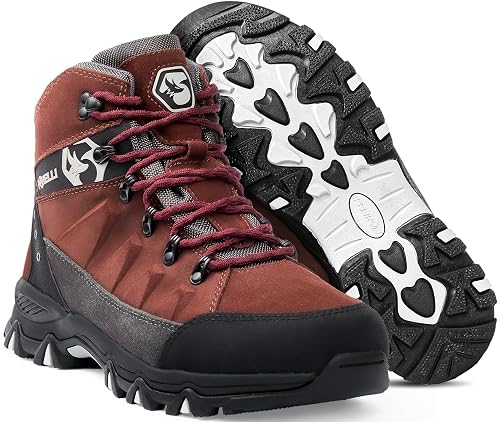
The Foxelli boot fills a specific niche for newcomers to Arizona hiking. The suede leather upper keeps the build soft and forgiving right out of the box, sparing you the painful break-in period that stiffer boots often demand. Waterproofing adds a layer of confidence during unexpected creek crossings or early-morning dew.
Breathable lining fights the dryness and warmth that make boots feel like ovens on summer trails. The boot leans toward the lightweight end of the spectrum, which suits casual hikers who stick to established paths around Phoenix or Tucson. You won’t find the deep tread of a serious backcountry boot, but for moderate use, the package holds together well.
What Earns Its Place
- Soft suede requires almost no break-in time
- Lightweight feel suits casual trail mileage
- Waterproof membrane handles wet rocks and shallow streams
- Accessible price point for first-time hikers
Trade Offs
- Tread depth is shallower than dedicated backcountry options
- Construction durability drops under heavy multi-day use
- Limited ankle reinforcement compared to mid-cut rivals
Best Suited To
Beginning hikers and casual trail walkers who want comfort and water protection without a steep investment.
A Better Fit Elsewhere
Choose the Merrell Moab 3 Mid Hiking Boot when trail days get longer and your feet demand more supportive construction.
The Moab line has earned its reputation through years of refinement, and version 3 continues that trajectory. The mid-cut profile wraps the ankle in supportive structure without feeling restrictive on long climbs. A redesigned insole and softer midsole give the boot a cushioned ride that holds up through hours of repetitive foot strikes.
Vibram outsole rubber grips everything from slick sandstone slabs to loose volcanic cinders common in the high country. Compared to the lighter Columbia Fairbanks Low, this boot trades a bit of agility for measurable stability under load. For hikers who rack up weekly miles across varied Arizona terrain, the Moab 3 delivers consistent comfort that survives the heat.
A Few Highlights
- Vibram outsole grips mixed terrain with reliable traction
- Updated midsole cushioning reduces fatigue over long days
- Mid-cut ankle support stabilizes uneven trails
- Proven comfort straight out of the box
- Durable construction handles repeat seasonal use
Room For Improvement
- Heavier than low-cut alternatives
- Premium feel comes with a higher cost than entry-level picks
Quick Facts
Who It Suits Best
Repeat hikers who log weekly miles on Arizona trails and want supportive, proven comfort without committing to a backcountry-grade boot.
Look Elsewhere When
Step up to the Danner Mountain 600 when backcountry routes and tougher terrain demand premium materials and refined craftsmanship.
Danner built the Mountain 600 for people who take Arizona’s backcountry seriously. The 4.5-inch cut clears most trail hazards while keeping weight manageable on long approaches. Smooth suede leather gives the upper a refined look that holds up against repeated abrasion from volcanic rock and thorny brush.
The Vibram SPE midsole paired with the Fuga outsole gives this boot a real edge on wet slabs and dusty descents alike. Danner engineered it to handle damp climates and varied terrain, and that versatility translates directly to Arizona’s monsoon-season trails. Where the Merrell Moab 3 focuses on accessible comfort, the Mountain 600 leans into premium construction for hikers who want their boots to last multiple seasons of hard use.
The Practical Payoff
- Vibram Fuga outsole grips wet rock and dry grit
- Suede leather upper resists abrasion on technical routes
- Refined construction handles multi-season mileage
- SPE midsole cushions without bulk
Honest Caveats
- Premium positioning means a higher cost than most picks
- Stiffer build may require a longer break-in period
- Warm interior in peak summer desert heat
Feature Snapshot
Right Fit For
Backcountry hikers who tackle rugged Arizona routes and want long-lasting build quality with serious grip.
Swap It Out When
The Merrell Moab 3 Mid Hiking Boot is a smarter pick for casual mileage, since you trade premium construction for lighter weight and lower cost.
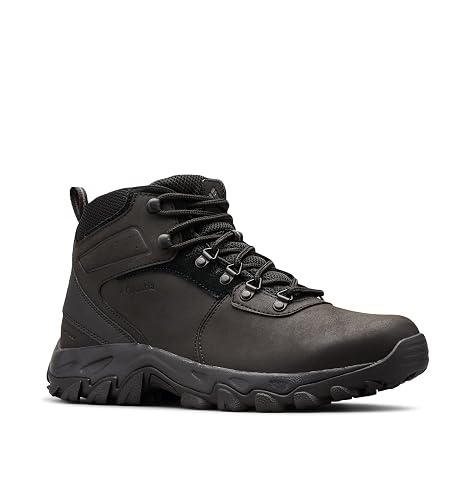
The Newton Ridge Plus II lands in the comfortable middle of Columbia’s hiking lineup. The waterproof boot construction makes it a sensible pick for Arizona hikes that include creek crossings, snow patches above 7,000 feet, or muddy stretches after summer monsoons. The mid-cut profile offers solid ankle coverage without feeling clunky.
Durable materials hold up against the abrasive granite and volcanic rock common across the state. Compared to the lighter Fairbanks Low, this boot adds measurable weather protection in exchange for some breathability. For hikers chasing shoulder-season routes or early-morning starts in damp conditions, the waterproof layer earns its keep.
A Few Strong Suits
- Waterproof boot construction handles wet crossings
- Mid-cut design supports ankles on uneven terrain
- Durable exterior withstands granite and brush
- Comfortable fit for varied trail conditions
Points To Note
- Waterproof lining reduces breathability in dry heat
- Heavier feel than low-cut alternatives
Who Should Grab It
Hikers facing variable weather and creek crossings who need waterproof reliability over ultralight agility.
Where Another Pick Suits Better
Pick the Columbia Fairbanks Low when summer heat is the bigger concern than wet conditions.
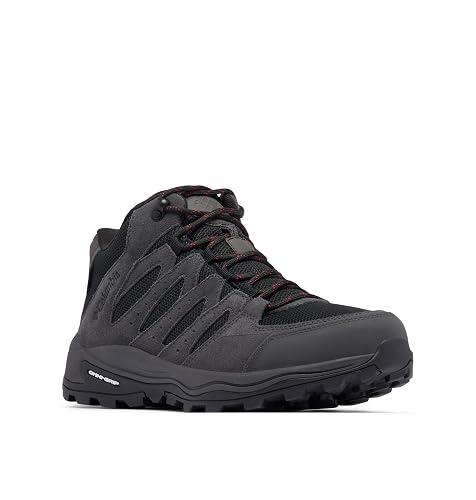
The Redmond IV Mid earns its place as a versatile all-rounder. The mid-cut waterproof construction balances ankle support with the flexibility needed for moderate trails. Columbia built this iteration to keep feet dry through wet conditions while remaining stable on uneven desert terrain.
Durable materials handle the abrasive trails common to Arizona’s high desert. Multiple color options make it easy to find a fit that matches your gear. The boot sits in a comfortable middle ground between the lightweight Fairbanks Low and the more rugged Danner Mountain 600. Most hikers will find the Redmond IV covers more trail types than almost anything else on this list.
The Helpful Details
- Waterproof mid-cut design handles varied conditions
- Stable platform supports loaded day packs
- Durable exterior survives brushy trails
- Available in multiple color options
- Balanced construction for mixed terrain
Some Limits To Know
- Mid-cut weight adds up over very long distances
- Waterproof layer runs warmer in peak summer
Feature Rundown
Whose Shelf It Belongs On
Hikers who want one boot that handles most Arizona trails across changing seasons and conditions.
Reach For A Different Pick When
Switch to the Columbia Fairbanks Low for hot, dry summer hikes where breathability outweighs waterproofing.
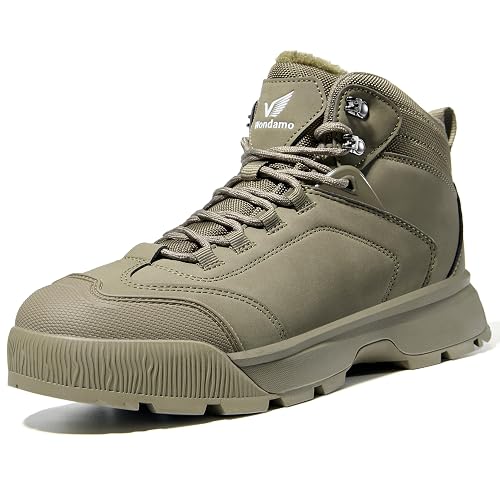
Arizona gets cold when you climb above 9,000 feet, and that’s where the Wondamo Insulated Winter Snow Boots earn a place on this list. The insulated construction locks in warmth during early-morning trailheads and snow-packed ridgelines around Flagstaff and the White Mountains. A taller shaft helps keep snow and trail debris from spilling inside.
The aggressive tread grips icy patches and packed snow that mid-cut hiking boots often slide on. Compared to the lightweight summer picks on this list, this boot trades breathability for thermal retention. For the small window of Arizona’s cold season, it handles conditions that leave other boots shivering.
The Good Stuff
- Insulated lining retains warmth in freezing conditions
- Taller shaft blocks snow and trail debris
- Aggressive tread grips icy and snowy surfaces
- Affordable entry point for winter hiking
Things To Weigh
- Too warm for typical Arizona shoulder seasons
- Bulky build reduces agility on technical terrain
Quick Technical Notes
Built With In Mind
Hikers tackling Arizona’s high-elevation winter trails and snow-packed summits during the colder months.
Skip It When
Choose the Merrell Moab 3 Mid for spring through fall hikes when insulation adds unnecessary bulk and heat.
The Wondamo Winter Hiking Snow Boots round out the list as an affordable cold-weather option. The construction aims at hikers who want winter coverage without committing to premium pricing. The boot handles snowy day trips and casual winter walks across Arizona’s higher elevations.
The fit and feel sit somewhere between a traditional hiking boot and a heavy-duty snow boot. You get enough warmth for short winter outings, though it lacks the aggressive tread and insulation depth of the dedicated Wondamo Insulated pick. For trail travelers who only face occasional snow, this boot covers the basics at an accessible cost.
Where It Helps
- Accessible price for budget-conscious shoppers
- Handles snowy day trips and light winter use
- Functional crossover between hiking and casual winter wear
- Reasonable warmth for short cold-weather outings
What To Weigh
- Less insulation than dedicated winter boots
- Tread is shallower than serious snow boots
- Durability may struggle under heavy multi-day use
Key Product Details
Perfect Match For
Occasional winter hikers who want snow-ready footwear at a low cost and don’t plan to push into backcountry routes.
Another Choice May Suit
Upgrade to the Wondamo Men’s Insulated Winter Snow Boots when you want deeper insulation and a more aggressive tread for serious cold-weather trails.
What To Weigh Before Picking Arizona Trail Footwear
Heat tolerance is the first real filter for Arizona hiking boots. Mid-summer temperatures on exposed trails climb past 100°F, and boots that trap moisture and heat will punish your feet within an hour. Look for breathable uppers, mesh panels, and moisture-wicking linings whenever you hike below the Mogollon Rim between May and September.
Ankle support depends on terrain and load. Low-cut designs give you freedom and speed on graded trails, while mid-cut boots stabilize ankles on rocky descents and loaded day packs. Most Arizona day hikers find a mid-cut to be the safer default, since loose rock and uneven footing show up often.
Traction matters more than insulation for most of the year. Look for rubber compounds with deep, multi-directional lugs, since granite slabs and volcanic grit demand bite. Vibram outsoles (a high-traction rubber used by many boot makers) have earned a strong reputation in this category for good reason.
Waterproofing is a trade-off. A waterproof membrane keeps your socks dry through creek crossings and monsoon-season mud, but it also blocks sweat from escaping. For warm-weather Arizona hiking, breathable boots often outperform waterproof ones until you cross about 7,000 feet or hit late-fall weather.
Mistakes Worth Dodging and Where the Extra Money Goes
Traps First Timers Fall Into
Plenty of new hikers pick boots based purely on looks or brand familiarity, then wonder why their feet hurt after five miles. Fit matters more than features, and a boot that pinches in the toe box (the front area of the shoe where your toes sit) will ruin a hike faster than any technical shortcoming. Always try boots on at the end of the day when your feet are slightly swollen.
Another common misstep is buying boots that are too stiff for the terrain. Heavy backpacking boots work great for multi-day loads but feel like torture on a casual day hike. Match the boot’s weight and stiffness to your typical mileage and pack weight.
When Paying More Pays Off
Higher-tier boots earn their cost through better materials, stronger construction, and longer service life. Premium leather uppers resist abrasion from brush and rock far longer than budget synthetics. Quality midsole compounds keep their cushioning across multiple seasons instead of going flat after a year.
The upgrade pays off when you hike often, tackle rugged terrain, or want boots that survive several years of use. For casual trail walkers logging a handful of outings each year, mid-tier boots offer the better balance.
Frequently Asked Questions
What type of hiking boots work best for Arizona’s desert climate?
Breathable mid-cut boots with mesh ventilation handle most Arizona trails well. Waterproof boots make more sense above 7,000 feet or during monsoon season when creek crossings become common.
Are waterproof hiking boots necessary in Arizona?
For most lower-elevation trails, breathable boots perform better since waterproof membranes trap heat and sweat. You need waterproofing mainly for snowy high-elevation routes and wet creek crossings.
How long do hiking boots typically last in Arizona conditions?
Dry heat and abrasive rock shorten boot lifespan compared to milder climates. Most mid-tier boots last one to three seasons of regular use, while premium builds often extend past that with proper care.
Should I break in new boots before an Arizona hike?
Yes, any boot benefits from several short walks before a long outing. Dry desert conditions can stiffen new leather uppers, so gradual wear helps the boot conform to your foot shape.
Can I use winter boots for Arizona’s summer trails?
Winter boots run too hot for summer use and will overheat your feet within an hour. Stick to breathable hiking boots for warm-season trails, and reserve insulated options for snowy high-country outings.
Wrap Up
Your ideal Arizona hiking boot depends on where you hike and how often you go. Lightweight breathable picks handle summer desert trails, mid-cut waterproof boots cover variable conditions, and insulated options tackle snowy high-country routes. Match the boot to your terrain, pay attention to fit, and your feet will thank you on every mile.