
Trekking poles earn their keep when knees ache, balance gets wobbly, or a long downhill starts rattling the joints. For older hikers, a good pair distributes load across the upper body, steadies footing on uneven ground, and turns a tough descent into a manageable one. The picks below cover real differences in shaft material, grip shape, locking mechanism, and packability, so you can match a pole to the way you actually walk.
An Overview Of The Picks
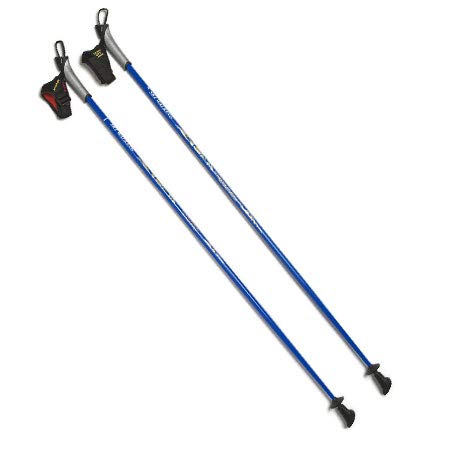
Nordic Walking Poles Custom Fit 1-Piece Hiking, Trekking, Physical Therapy
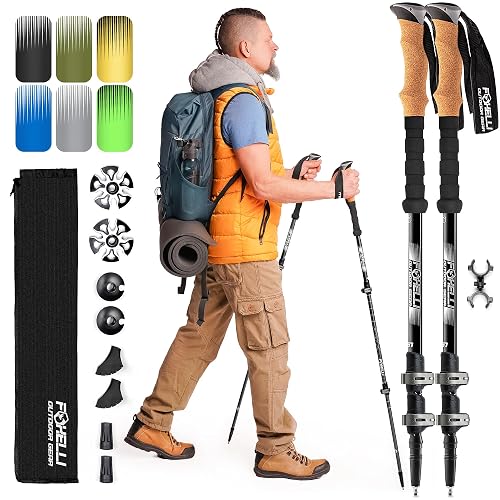
Foxelli Trekking Poles Lightweight Collapsible Aluminum Cork Grips Pair of 2

100% Carbon Fiber Trekking Poles Ultra Strong Lightweight Cork EVA Foam Grips
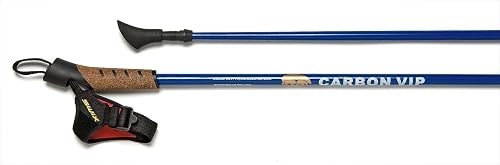
REAL Nordic Walking Carbon Poles Cork Grips 1-Piece 32 Sizes
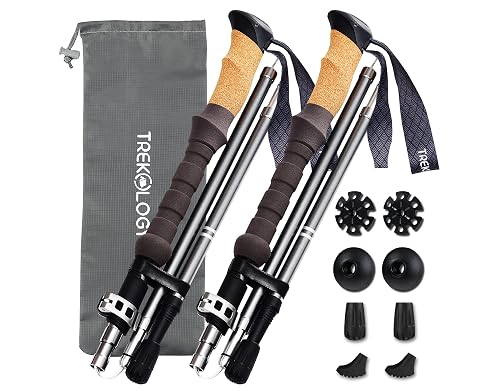
Trekology Trek-Z Cork Grip Collapsible Lightweight Hiking Trekking Poles
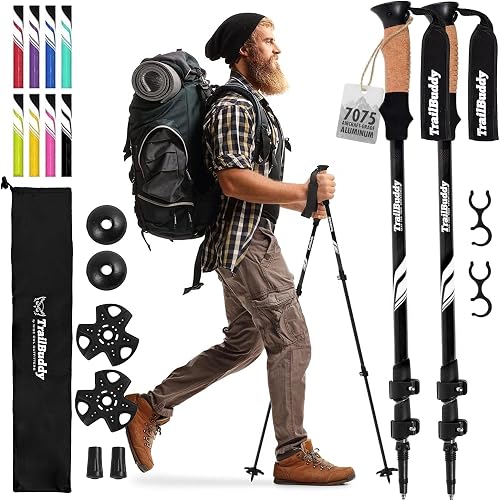
TrailBuddy Trekking Poles 7075 Aluminum Collapsible Walking Sticks for Seniors
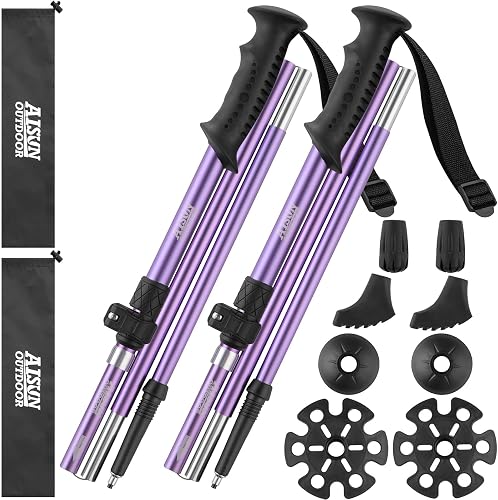
AISUNOUTDOOR Lightweight Adjustable Trekking Poles Aluminum Collapsible
A Deeper Look At The Lineup
For seniors who want a pole that matches their body rather than a generic length, this custom-fit one-piece design sets itself apart from the collapsible aluminum options elsewhere on this list. You order by entering your barefoot height, and the maker cuts the shaft to one of 32 lengths so the elbow sits at roughly 90 degrees during use. The single-shaft construction removes every locking joint, which removes the wobble and rattle that some flip-lock poles develop over time.
On pavement or indoor tracks the included rubber paws give the carbide tip a quieter, grippier foot, while the real Nordic straps transfer load through the wrist rather than squeezing the fingers. In most settings that strap design eases strain on arthritic hands. It is purpose-built for people in physical therapy, fitness walkers, and anyone who treats the poles as a long-term mobility tool rather than weekend gear.
Real Benefits
- Custom-cut to one of 32 lengths, removing guesswork around sizing
- One-piece shaft means no twist or flip locks to tighten mid-hike
- Removable rubber tips adapt the same poles to pavement, gym floors, and indoor tracks
- Durable carbide metal tips handle trail, grass, sand, and packed snow
- Wide Nordic straps spread pressure across the hand instead of the fingers
Honest Caveats
- Non-collapsible design makes the poles harder to stash in luggage or a small car
- Ordering requires a sizing step during checkout, which adds a small wait
Who It Suits Best
Seniors in physical therapy or anyone walking for fitness who wants a pole sized to their exact height and used primarily around town, on trails, and indoors.
Consider Something Else When
Travelers packing light should look at the Foxelli Trekking Poles, which collapse to a far shorter bundle for backpacks and overhead bins.
The Foxelli pair leans into portability in a way the custom one-piece Nordic option cannot. Each pole telescopes down to roughly 21 inches, which slips easily into carry-on luggage, a daypack, or the trunk of a sedan. Aircraft-grade aluminum keeps the weight around 9.4 ounces per pole, light enough that older shoulders and wrists do not pay a fatigue tax on longer walks.
Cork handles absorb sweat and conform slightly to the grip, which most owners find more comfortable than bare plastic on a hot afternoon. The flip-lock adjustments extend the poles from about 24 to 54 inches, covering a wide range of user heights. For seniors who want one pair of poles that handles the neighborhood, the airport, and the trailhead equally well, this set covers the bases without fuss.
Features That Help
- Collapses to roughly 21 inches for travel and stowage
- Cork grips manage sweat and soften the hand contact area
- Wide 24 to 54 inch length range fits a broad range of user heights
- Includes interchangeable tip baskets for varied terrain
Points To Note
- Flip locks benefit from a periodic tightness check before each outing
- Aluminum transmits more vibration than carbon on rocky ground
- At the upper extension range, tall users may notice slight flex under heavy downhill force
Made For
Seniors who travel often, mix urban and trail walking, and want a single pair that fits a suitcase and a hike equally well.
Look Elsewhere When
Walkers who value long-term joint comfort and absolute silence over portability will prefer the REAL Nordic Walking Carbon Poles, which sacrifice packability for a stiffer, rattle-free ride.
For seniors who log serious mileage, shaft weight matters more than almost any other spec. This 3k carbon fiber pole weighs about 7.6 ounces per shaft, roughly two ounces lighter than typical aluminum, and that gap adds up across a four-hour walk. The carbon layup also damps vibration on rocky trails, which older wrists and elbows tend to feel sharply.
Like the Foxelli set, it collapses for transport and uses quick flip locks for length adjustment. The dual grip pairs cork on top with EVA foam lower down, so the hand finds a comfortable hold on both flat sections and steep sidehills. You may find the lighter swing fatigue shows up later in the day than with the heavier aluminum options.
What Helps Most
- Carbon fiber shaft drops roughly two ounces per pole versus aluminum
- Cork and EVA dual grip suits changing terrain without regripping
- Collapsible design for backpacks and travel
- Carbon construction reduces felt vibration on hard ground
Trade Offs
- Carbon costs more than aluminum for similar adjustability
- Side loads against rocks can crack the shaft, so the pole is not ideal for heavy prong use on technical scrambles
Who Will Love This
Long-distance hikers and seniors who feel arm fatigue on multi-hour walks and prefer the lightest collapsible pole they can find.
Swap It Out When
Seniors on a tighter budget who still want a capable aluminum build will find the TrailBuddy Trekking Poles a sturdier, more economical pick.
This is the carbon sibling to the aluminum Nordic pole that opened the list, and it targets walkers who already know they want a custom-fit one-piece design but want to shed every unnecessary gram. Because there are no locks or telescoping sections, the carbon shaft stays stiff and quiet, even after years of daily use. The cork grips mold to the hand over time, which most owners find more pleasant than plastic on long walks.
The same sizing system applies: order by barefoot height, and the maker cuts to one of 32 lengths for a precise fit. Carbide tips handle trail use, and the included rubber paws convert the poles for pavement, indoor tracks, and gym floors. For seniors who walk daily, the lack of moving parts usually translates into fewer mid-walk adjustments and a longer service life.
Positive Takeaways
- One-piece carbon shaft eliminates rattle, wobble, and lock failures
- Custom-cut to 32 sizes for a true personalized fit
- Removable rubber tips allow indoor and pavement use
- Cork handles conform to the hand with regular use
Potential Drawbacks
- Higher upfront cost than the aluminum Nordic option
- Non-collapsible format rules out airline carry-on packing
Best Suited To
Seniors committed to daily Nordic walking who want the quietest, stiffest, longest-lasting pole in the lineup and do not need to fold it for transport.
Another Choice May Suit
Those who prefer the aluminum version at a lower cost can step back to the Nordic Walking Poles Custom Fit 1-Piece, which uses the same sizing system with a heavier shaft.
Trekology built the Trek-Z for hikers who want an uncomplicated aluminum pole that packs down small. The aero-grade aluminum shaft resists bending and denting during regular trail use, and the folding design compresses each pole to a stowable length that fits in most daypacks. For most casual walkers, the weight is manageable for a half-day outing without feeling like a wrist workout.
Cork handles give a natural feel that improves with use, and the company ships the pair with several tip accessories for different surfaces. Compared with the TrailBuddy set, the Trek-Z focuses on a tighter, more compact fold rather than maximum length range. You may find this combination lands well for short hikes where packability and grip comfort matter more than a wide height span.
The Good Stuff
- Compact folding design packs into smaller daypacks
- Aero-grade aluminum resists bending on regular trails
- Cork grips mold to the hand for a natural feel
Soft Spots
- Aluminum transmits more vibration than carbon on hard ground
- Length range is narrower than the Foxelli and TrailBuddy options
Right Fit For
Casual day hikers who want a comfortable, packable pole for short to moderate outings and do not need a huge length range.
Reach For A Different Pick When
Seniors who need the widest height range for shared use across family members will find the TrailBuddy Trekking Poles a more flexible fit.
The TrailBuddy pair earns its place by threading the needle between strength, weight, and price. The 7075 aluminum alloy (an alloy often used in aircraft framing, prized for a high strength-to-weight ratio) holds up well under the side loads that come with real trail descents, which is a step up from the basic 6061 aluminum on cheaper poles. Collapsible sections let the pair pack into luggage or a closet without dominating storage space.
The brand explicitly markets to seniors, women, and men, and the wide length range adapts to most adult heights. The foam and cork grip options suit different climate preferences, and the bundled tip set covers pavement, trail, and snow. For walkers who want a versatile pole that handles both neighborhood strolls and weekend trails, this set is a sensible middle-of-the-road pick.
What It Does Well
- 7075 aluminum offers a stronger shaft than entry-level alloys
- Collapsible design fits most luggage and packs
- Wide height range suits varied user profiles
- Bundled tip accessories cover multiple surfaces
Where It May Fall Short
- Heavier swing than carbon options during long walks
- Flip locks benefit from a quick tightness check before longer outings
Who Should Grab It
Seniors who want a do-it-all pole for neighborhood walks, travel, and trail days without committing to either the lightest or the most specialized option.
A Better Fit Elsewhere
Walkers who already know they want the lightest possible shaft and do not mind paying more should step up to the Hiker Hunger Carbon Fiber Trekking Poles.
AISUNOUTDOOR targets shoppers who want a functional pole without a big outlay. The aircraft-grade aluminum shaft keeps each pole under about 11 ounces, light enough that an older walker can carry the pair without noticing much extra weight on the wrists. The telescoping range from roughly 43 to 51 inches covers most adult heights, and the collapsible form factor slips into luggage for travel.
Compared with the TrailBuddy pair, this set is a simpler build, and that shows up in less premium feel on the grips and tip accessories. It also ships with a disposable raincoat, which is a small but useful bonus for unexpected weather. For seniors buying their first pair of poles to see whether they like walking with support, this is a low-risk starting point.
Everyday Perks
- Low entry cost for a first-time pole purchase
- Light enough at under 11 ounces per pole for comfortable carrying
- Collapsible design works for travel and small storage spaces
- Bundled raincoat adds a small practical bonus
Factors To Consider
- Build quality is a step below the Foxelli and TrailBuddy sets
- Less ergonomic grip choice than cork-equipped options
- Width of length range is narrower than competing aluminum poles
Built With In Mind
First-time pole users, casual walkers, and anyone testing the waters without committing to a premium build.
Skip It When
Seniors who already know they will use poles daily should consider the TrailBuddy Trekking Poles, which offers a stronger shaft and better grips for not much more weight on the wallet.
What To Weigh Before Picking Hiking Poles For Seniors
Shaft material sets the tone for everything else. Aluminum poles cost less and handle side impacts well, which matters if you lean hard on the pole during descents. Carbon fiber costs more, dampens vibration better, and weighs noticeably less, which older shoulders appreciate on long days. The trade-off is that carbon can crack under sharp side loads against rocks.
Lock type is more than a spec line. Twist locks use an internal expander that can slip if not tightened firmly before each hike. Flip locks clamp externally and adjust faster, but the bolts loosen gradually and benefit from a periodic check. One-piece poles remove the question entirely, at the cost of packability.
Grip material changes comfort on a sweaty afternoon. Cork molds to the hand, manages moisture, and stays cooler in summer. Foam grips insulate better in cold weather and feel softer at first touch. Hard plastic is the cheapest option and the least comfortable on long walks.
Length sizing determines whether the pole actually supports your gait. A general rule is to set the pole so your elbow forms a 90-degree angle when the tip touches the ground. Adjustable poles cover a range, while custom-cut one-piece poles match a single user precisely.
Common Slip Ups When Buying Hiking Poles For Seniors
Mistake: Choosing The Cheapest Pair Without Checking The Lock Mechanism
Spending less often means accepting a thinner internal lock that slips under load. Read the description carefully for the lock type and check the listing for replacement parts availability before you commit.
Mistake: Ignoring Grip Material Until The First Long Walk
Plastic grips feel fine in the store and punishing after two hours of summer walking. Cork or EVA foam saves the hands on the days that matter, especially for anyone with arthritis or thin skin.
Where The Extra Money Goes In Premium Hiking Poles
Mistake: Skipping The Custom-Fit Option Because It Takes Longer
Custom-cut one-piece poles require you to enter your height at checkout, which adds a small wait. The upside is a pole that matches your body precisely, with no loose settings to fuss with mid-walk.
Why It Matters: Premium Builds Earn Their Price Through Materials
Higher-end poles invest the extra cost in carbon shafts, real cork grips, and better locking hardware. For daily walkers, those upgrades usually show up as quieter, lighter, more comfortable poles that hold up over years of use rather than seasons.
Frequently Asked Questions
What Height Should Hiking Poles Be Set To For Seniors?
A common starting point is to set the pole so your elbow bends at roughly 90 degrees when the tip rests on flat ground. For uphill sections, shorten the pole a few centimeters; for downhill, lengthen it slightly to keep posture upright.
Are Carbon Fiber Poles Worth The Extra Cost For Older Walkers?
Carbon fiber poles weigh less and absorb more vibration than aluminum, which reduces fatigue on long walks. For seniors who hike frequently, that comfort often justifies the higher upfront cost. Casual walkers may find a good aluminum pole more than adequate.
Do Trekking Poles Help With Knee And Joint Pain?
Distributing load across the upper body takes pressure off the knees and hips, especially on descents. Many walkers notice less next-day soreness once they start using poles consistently on hilly terrain.
Can Hiking Poles Be Used On Pavement And Indoor Surfaces?
Yes, with the right tips. Rubber paws or pavement tips cover carbide points and give better grip on hard surfaces, while reducing noise and wear on floors and sidewalks. Many poles ship with these tips as standard accessories.
How Do I Maintain Adjustable Trekking Poles?
After each hike, wipe the shafts clean, check that the locks hold tension firmly, and inspect the tips for wear. Storing them collapsed and dry prevents grit from getting into the locking mechanisms and extends the working life of the hardware.
The Takeaway
The best pair of poles for you comes down to where and how often you walk, how much packability you need, and how much weight your wrists and shoulders want to carry. Match the shaft to your mileage, the grip to your climate, and the lock to your patience for adjustments, and the rest falls into place. A well-chosen pair pays you back on every outing.