
A good daypack disappears on your back, and that is exactly what you want on a long trail. The wrong one shows up at mile three as a hot spot, a swinging load, or a soaked hydration bladder. Day hikers, weekend loopers, and casual overlanders all need the same core thing: a pack that fits well, breathes through sweat, and holds water, layers, snacks, and a first-aid kit without wrestling the closure. The lineup below covers a range of styles, from ultralight packable sacks to structured technical haulers, so you can match your route, your climate, and your tolerance for weight on the shoulders.
A Side-By-Side Look
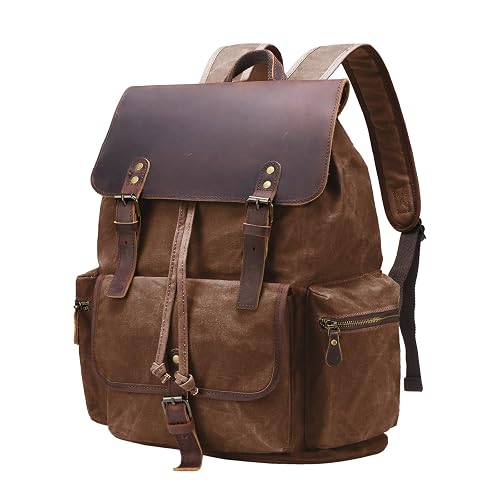
NEHOR Vintage Waxed Canvas Backpack
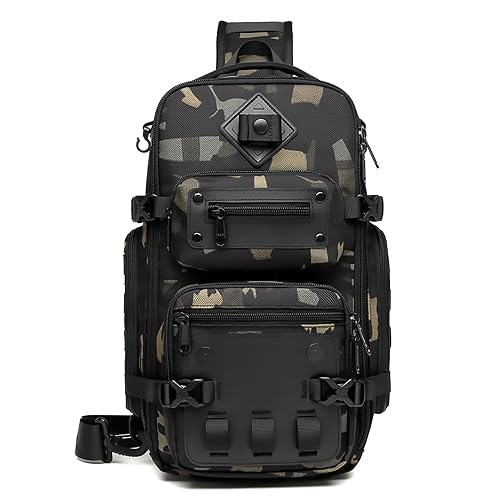
OZUKO Tactical Chest Sling Daypack
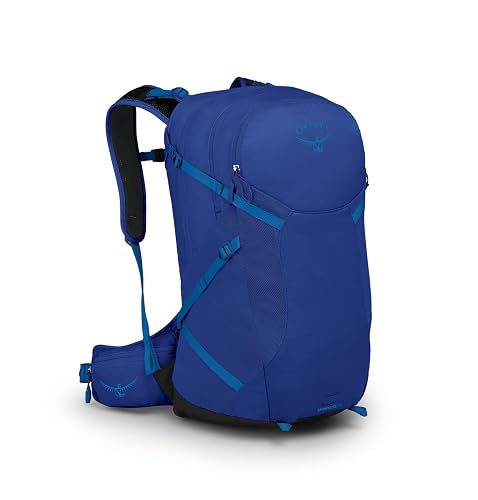
Osprey Sportlite 25L Hiking Backpack
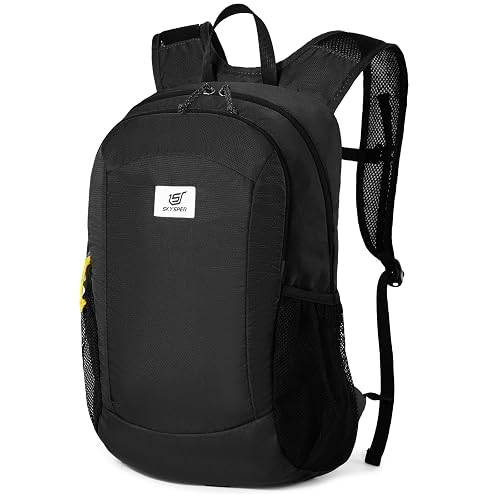
SKYSPER RFID Packable Hiking Daypack

YETI Crossroads 35L Backpack
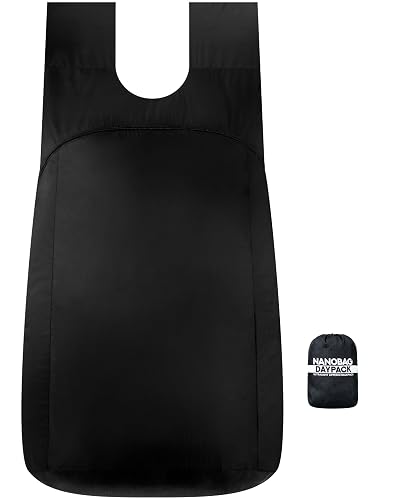
Nanobag 16L Packable Daypack
A Deeper Look At The Lineup
The NEHOR Vintage Waxed Canvas Backpack leans into old-school materials in a category dominated by high-tech nylon. The body combines thick waxed canvas with top-grain crazy horse leather, which is a full-grain leather finished with oils and waxes so it develops a worn, mottled patina over time. Waxed canvas is a tightly woven cotton fabric treated with paraffin wax, giving it natural water resistance that improves as the fibers age and the surface scuffs in.
At roughly 18 by 14 by 6 inches, the body is roomy enough for a 17-inch laptop, a tablet, notebooks, and a packed lunch, which makes it as useful at a coffee shop as on a casual ridge walk. The look is the point here, so it lands best for hikers who want gear that looks at home on a city block before it hits the trailhead.
What Pays Off
- The waxed canvas naturally sheds light rain and dries faster than people expect from a cotton-rich build.
- Crazy horse leather accents age into a one-of-a-kind patina, so the pack looks better after real use.
- Generous main compartment fits a 17-inch laptop plus daily essentials without bulging.
- Heritage styling transitions from trail to office without looking out of place.
Things To Consider
- The leather and canvas combination weighs noticeably more than a synthetic technical pack, so long-mile days may feel it on the shoulders.
- Waxed canvas needs occasional re-waxing to keep water resistance up over years of use.
Right Fit For
Urban hikers, students, and creative professionals who walk a lot between transit and trails and want a single bag that looks intentional in both settings.
Look Elsewhere When
You need structured trail suspension with airflow, where the Osprey Sportlite 25L gives you a ventilated back panel and proper hip stabilization instead.
The OZUKO Tactical Chest Sling Daypack takes the opposite approach from the NEHOR Vintage Waxed Canvas Backpack, trading heritage looks for tactical-grade access. A sling design lets the bag rotate from back to chest with one pull, so you can grab a phone, map, or camera without taking the pack off. The camo print and SBS double zippers point toward utility-first construction rather than commuter polish.
Storage is the main story: five external zip pockets and built-in layered partitions let you organize small gear so it stays put on the move. Shoulder slots add quick-access storage for cards or sunglasses. For hikers who scramble over rocks or shoot photos mid-trail, that front-facing access is the kind of feature you only appreciate once you have used it.
Points In Its Favor
- Rotating sling carry brings the main compartment to your chest without removing the pack.
- Five external zip pockets plus layered partitions keep small gear organized and findable.
- SBS zippers are widely considered smoother and more durable than standard coil designs.
- Crossbody carry works well on bike commutes and quick scrambles where a full backpack feels excessive.
Worth Noting
- Single-strap carry concentrates weight on one shoulder, which gets uncomfortable on longer hauls.
- Capacity is limited compared with the YETI Crossroads, so extended trips require careful packing.
- The tactical aesthetic is not everyone’s style outside outdoor or range settings.
Quick Facts
Who It Suits Best
Photographers, anglers, and scramblers who need fast access to gear without dropping the pack for every stop.
Reach For A Different Pick When
You are logging ten or more trail miles with heavier loads, where the Osprey Sportlite 25L offers a more balanced two-strap suspension system.
The Osprey Sportlite 25L is the closest thing in this lineup to a “real” technical daypack. Its AirScape back panel uses a ridged foam structure wrapped in mesh to keep air flowing between the pack and your spine, which matters more than most beginners realize on humid climbs. Suspension here means the internal frame and harness system that transfers load from your shoulders to your hips, and Osprey has built its reputation on getting that transfer right.
At 25 liters in the M/L sizing, the Sportlite sits in the sweet spot for day hikes that include water, a rain shell, snacks, and a first-aid kit without forcing you to leave anything behind. Panel-loading construction means it opens like a suitcase rather than forcing you to dig through a top tube. For hikers stepping up from a casual pack, this is the model most people end up wishing they had bought first.
Features That Help
- AirScape back panel keeps airflow moving, reducing the sweaty-back problem common on technical packs.
- Panel-loading main compartment is easier to organize than a top-loading tube.
- M/L sizing covers a wide range of torso lengths for shared household use.
- 25L capacity covers full-day hikes with food, layers, and safety gear.
Trade Offs
- Suspension hardware adds weight over ultralight options like the Nanobag or SKYSPER packs.
- Structured harness is overkill for casual urban walks where the NEHOR canvas pack would feel lighter.
Feature Snapshot
Made For
Regular hikers who cover real elevation, sweat through their shirts, and want suspension that holds up after a full season of weekends.
Swap It Out When
You mostly walk paved paths and want a softer, more style-friendly carry, where the NEHOR Vintage Waxed Canvas Backpack fits the bill.
The SKYSPER RFID Packable Hiking Daypack earns its slot by solving two problems at once. It folds down into its own stuff sack for travel, then expands into a 16-liter daypack for spontaneous hikes. RFID-blocking pockets, where RFID stands for radio-frequency identification, line the interior to shield passports and credit cards from digital skimmers in crowded transit hubs. That dual purpose matters if your hiking happens at the end of a flight or train ride rather than a half-hour drive from home.
The lightweight nylon shell keeps weight low enough that you forget it is in your luggage until you need it. It is not a technical trail pack, and it is not trying to be. Where it shines is the travel day when you land somewhere new and want to stretch your legs on a local trail without dragging your main backpack along.
Everyday Advantages
- RFID-blocking interior pockets protect cards and passports in airports and crowded streets.
- Folds into its own integrated stuff pouch, so it never gets left behind in a hotel drawer.
- 16L capacity handles water, a layer, snacks, and a camera for casual outings.
- Lightweight nylon body shrugs off light rain without needing extra coatings.
Room For Improvement
- No structured harness means heavier loads pull on bare shoulders.
- Fabric is thin enough that sharp rocks or thorny brush can scuff it faster than a technical pack.
Key Product Details
Best Suited To
Travelers who want a credible daypack waiting in their carry-on for hikes in unfamiliar cities or transit stops.
Consider Something Else When
You need a primary trail pack with real suspension, where the Osprey Sportlite 25L takes over for serious mileage.
The YETI Crossroads 35L is the largest pack in this lineup and the one that makes sense when you are hauling more than a snack and a water bottle. Its clamshell opening splits the bag open 180 degrees, which is a suitcase-style construction borrowed from travel luggage. That makes packing and unpacking feel less like a treasure hunt and more like loading a dresser drawer, especially when you are juggling extra layers, food, and a camera kit.
At 35 liters, this is a hybrid pack that crosses between a daypack and a small travel bag. YETI built it for long workdays and weekend trips where the same bag has to handle a laptop, climbing shoes, and a thermos. For hikers who like to overpack layers, pack out trash, or carry group shelter gear, the capacity is the main draw.
Advantages To Know
- 35L capacity swallows winter layers, food, and group gear without bulging seams.
- Clamshell opening lets you pack and unpack like a suitcase rather than digging from the top.
- Heavy-duty shell fabric handles abrasion from rocks, branches, and roller-bag conveyor belts.
- Works as both a hiking pack and a travel duffel for trips where one bag has to do both jobs.
Softer Spots
- 35L is overkill for short hikes where a 16-25L pack would feel more comfortable.
- Larger body needs a more deliberate load to avoid swinging on technical terrain.
- Higher material cost puts it well above most other packs in this roundup.
The Numbers That Matter
Whose Shelf It Belongs On
Gear-heavy hikers, photographers, and travelers who need one pack to handle both trail days and transit days without compromise.
A Better Fit Elsewhere
You are counting every gram on fast-and-light hikes, where the Nanobag 16L Daypack weighs less than a sandwich.
The Nanobag 16L is the smallest pack in this group by weight, not by capability. At roughly 1.15 ounces, using an ultra-thin 0.05mm fabric (about the thickness of a heavy trash bag), it is the kind of pack you forget is in your bag until you need it. Stuff the body into its own attached pouch, no folding required, and you have a backup that disappears into a jacket pocket.
The role here is honest: this is a secondary pack. It works for sight-seeing days, spontaneous detours, summit pushes where you want to shed weight, or any time your main pack would be overkill. It is not the right tool for hauling a liter of water and a cast-iron skillet up a mountain, but for the use case it is built around, it does the job cleanly.
What It Does Well
- 1.15 oz total weight is light enough to carry as a permanent backup without noticing.
- Stuff sack is built into the bag itself, so there is no separate pouch to lose.
- 0.05mm fabric packs down to the size of a fist for true pocket storage.
- Works well for travel, sight-seeing, and short hikes where heavy suspension is unnecessary.
Factors To Consider
- Ultra-thin fabric is vulnerable to sharp branches and abrasive rock surfaces.
- No structured support means heavier loads pull uncomfortably on the shoulders.
- Limited padding against the back means laptops or fragile gear need their own sleeves.
Who Should Grab It
Minimalists, ultralight hikers, and travelers who want a backup pack ready to deploy without adding meaningful weight to their kit.
Not Your Match When
You want a single primary hiking pack with proper suspension, where the Osprey Sportlite 25L or YETI Crossroads 35L serves the role better.
What Matters Most Before Choosing Hiking Daypacks
Capacity vs. Carry Weight
The first fork in the road is how much volume you actually need. Daypacks under 20 liters handle water, a layer, and snacks for short outings, while 25 to 35 liter packs carry full-day kits with food, rain gear, and safety equipment. Bigger packs tempt you to overfill them, and overfilled packs punish your shoulders. Most hikers find 20 to 30 liters covers 90 percent of day hikes comfortably.
Suspension and Fit
Fit matters more than fabric. A suspension system is the combination of back panel, shoulder harness, and hip belt that transfers load off your shoulders and onto your hips. Without it, even a light pack becomes a chore over a few miles. Torso length and shoulder width change how a harness sits, so packs that come in multiple sizes like the Osprey Sportlite 25L reward shoppers who actually measure themselves rather than guessing.
Materials and Weather Behavior
Nylon and polyester shells balance weight, abrasion resistance, and price. Waxed canvas offers natural water resistance and longevity at the cost of weight and care. Ultralight fabrics like the Nanobag’s 0.05mm build drop grams aggressively but trade away puncture resistance. Your climate and trail conditions decide which trade-off you can live with.
Access Style
Top-loading tubes force you to dig from the opening down. Panel-loading and clamshell designs open like a suitcase so you can see and reach everything. Quick-access pockets matter for cameras, maps, and snacks, while a dedicated hydration sleeve keeps a water reservoir flat against the back panel where the weight belongs.
Common Traps First Timers Walk Into
Buying For Capacity You Never Use
The 35-liter YETI Crossroads is a wonderful pack, but most hikers rarely need that much room. Oversized packs get filled with “just in case” items, which means heavier loads and slower days. Match the pack size to your actual route rather than the longest trip you might someday take.
Ignoring Ventilation
A pack with no airflow turns your back into a sweat zone, especially on warm climbs. Packs like the Osprey Sportlite 25L use ridged mesh back panels specifically to keep air moving. Skipping this feature for a cheaper pack is one of the most common regrets new hikers report.
Treating Ultralight as Indestructible
Featherweight packs such as the Nanobag 16L or SKYSPER packable daypack save grams by using thin fabric. That fabric is more vulnerable to abrasion and punctures than a heavier shell. Reserve ultralight packs for light loads and gentle trails rather than expecting them to handle bushwhacking.
Frequently Asked Questions
How big should a hiking daypack be?
Most day hikers do well in the 20 to 30 liter range. That capacity holds water, food, layers, and a basic first-aid kit without forcing you to leave essentials behind or overstuff the seams.
What is the difference between a daypack and a backpacking pack?
A daypack is sized for single-day outings without overnight gear, while a backpacking pack adds space for a sleeping bag, tent, and food for multi-day trips. Daypacks also tend to use lighter suspension suited to loads under 20 pounds.
Are packable daypacks actually useful?
Yes, especially for travel. A packable daypack like the Nanobag 16L or SKYSPER RFID Packable Hiking Daypack lives in your luggage and deploys when you want to walk around hands-free or take an unplanned hike. The trade-off is less structure and thinner fabric.
How do I clean a hiking daypack?
Most nylon and polyester packs can be hand-washed with mild soap, a soft brush, and cool water, then air-dried out of direct sunlight. Waxed canvas packs benefit from gentle soap and an occasional re-waxing to keep water resistance intact.
Do I need a hip belt on a daypack?
For loads under 15 pounds, a simple webbing hip belt stabilizes the pack more than it transfers weight, which is still helpful. For heavier loads or longer days, a padded hip belt matters because it moves the load off your shoulders and onto your hips.
The Takeaway
The right hiking daypack depends on what you actually carry and where you actually walk. Pick the Osprey Sportlite 25L for serious trail days, the YETI Crossroads 35L when you haul extra gear, and the Nanobag 16L or SKYSPER packable options for travel-day flexibility. The NEHOR canvas pack and OZUKO tactical sling cover the niche cases where style or quick access matters more than suspension. Match the pack to the route, not the other way around, and your shoulders will thank you by mile five.