
A good hiking day pack disappears on your back. The right one carries your layers, snacks, water, and ten essentials without bouncing, rubbing, or weighing you down. With so many packs promising the same thing, choosing one that actually fits your trail style, body, and trip length matters more than brand hype.
How The Shortlist Stacks Up
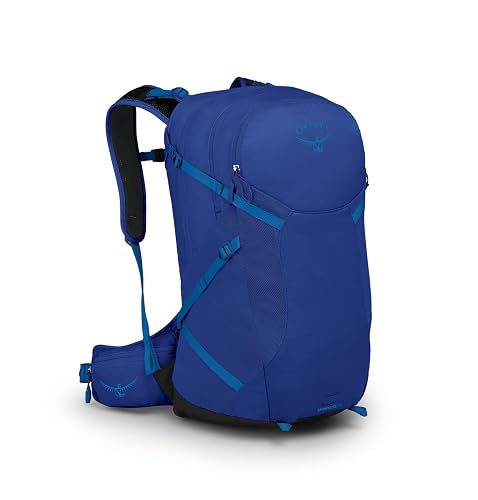
Osprey Sportlite 25L Lightweight Hiking Backpack (Blue Sky)
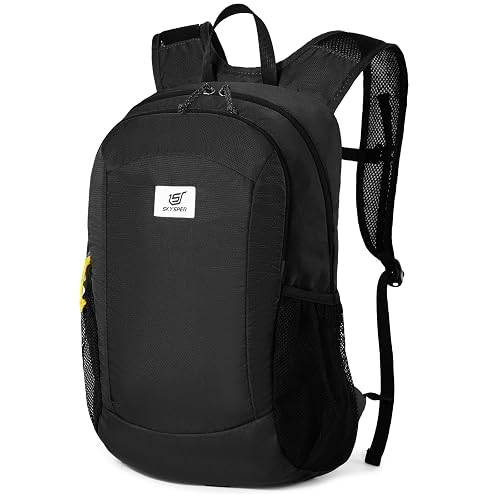
SKYSPER Ultralight Packable RFID Travel Daypack 16L

YETI Crossroads Backpack
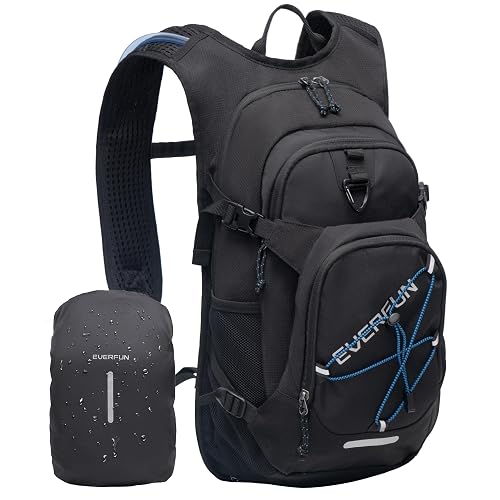
Everfun Hydration Backpack 18L with Water Bladder
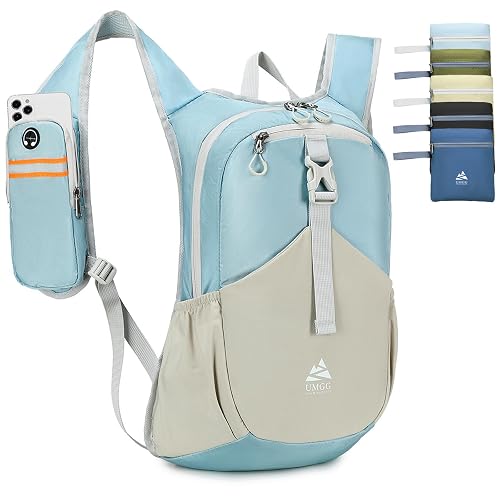
UtiaMiaoGonGo 15L Small Hiking Backpack (Blue)
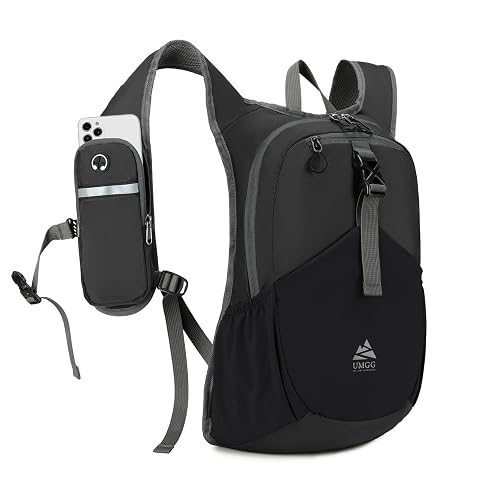
UtiaMiaoGonGo 15L Small Hiking Backpack (Black)

UtiaMiaoGonGo 15L Travel Daypack Colorful
More On The Choices That Made The List
The Sportlite 25 sits in a useful middle ground between ultralight stuff sacks and full-on multi-day packs. Twenty-five liters is enough room for a puffy, rain shell, snacks, and a water reservoir without forcing you to leave gear behind. Osprey’s AirScape backpanel uses foam ridges over a mesh surface, which lets air move across your lower back on warm climbs.
Compared with the packable SKYSPER entry on this list, the Sportlite feels more like a hiking tool than a travel backup. The harness is closer to what you’d find on Osprey’s bigger trekking packs, so the load carries closer to your body. For most hikers logging five to ten miles with real elevation, that matters more than shaving ounces.
Real Benefits
- Panel-loading main compartment opens like a suitcase for fast packing
- AirScape backpanel channels airflow under the pack on warm climbs
- 25L handles layers, lunch, and a 2L reservoir with room to spare
- Built-in trekking pole attachment keeps hands free on steep sections
- Harness geometry suits medium frames and stays stable under load
Trade-Offs Worth Knowing
- Larger than ultralight picks, so it is overkill for quick hour-long walks
- Hipbelt padding is minimal compared with full trekking packs
At A Glance
Who It Suits Best
Day hikers tackling varied terrain who want real suspension and don’t need overnight capacity.
Consider Something Else When
Step down to the UtiaMiaoGonGo 15L in blue if you mostly walk flat city trails and want something that stuffs into a suitcase.
The SKYSPER 16L folds into its own stuff sack and weighs almost nothing, so it earns space in a suitcase or a carry-on. The headline feature is a shielded pocket that blocks 13.56MHz and 125kHz RFID scanners, two frequencies commonly used to skim contactless cards and passports in crowded transit hubs. For travelers moving through airports, metros, and markets, that adds a quiet layer of security.
The tradeoff shows up on the trail. Sixteen liters works fine for a layer, water bottle, and a book, but it can’t swallow a helmet, a packed lunch, and rain gear for a group like the Osprey Sportlite 25 can. The fabric is thin by design, so heavy point loads can stress seams over time.
Everyday Perks
- Packs into its own pouch, ideal as a backup daypack for trips
- RFID-blocking pocket keeps cards and passports shielded in transit
- Lightweight nylon shell barely registers on a luggage scale
Points To Note
- 16L fills up fast with even modest hiking layers and food
- Minimal frame and no structured backpanel, so heavy loads sag
Made For
Travelers and city walkers who want a stowable daypack with RFID protection on busy transit days.
Skip It When
Pick the Everfun 18L Hydration Backpack instead if you run or ride local trails and want a built-in water bladder.
YETI built the Crossroads as a 35-liter hauler with a clamshell-style opening, which means the bag folds open flat like luggage instead of requiring top-loading. Packing cubes, camera gear, and a change of clothes slide in and out without the usual digging. The shell uses a thicker fabric than most daypacks in this size range, which helps protect contents on crowded commutes.
Compare that to the Osprey Sportlite 25, and the difference is clear. The Crossroads is bigger, heavier, and styled more like a commuter or workhorse pack than a stripped-down trail tool. Owners commonly describe it as a one-bag option for workdays that demand a lot of gear, with optional coverage plans available for drops and spills.
Key Advantages
- Clamshell opening allows suitcase-style packing and quick access
- Sturdy outer shell handles daily commuting and overhead-bin travel
- Pass-through strap secures the pack to roller luggage handles
Possible Compromises
- 35L and a heavier build add bulk on quick trail walks
- Less ventilated backpanel than ventilated trail packs like the Sportlite
Quick Facts
Best Suited To
Commuters, frequent flyers, and hybrid work-and-trail users who carry tech and clothing daily.
A Better Fit Elsewhere
Switch to the SKYSPER 16L if you mostly want a packable backup that fits inside a larger suitcase.
The Everfun 18L ships with an included water bladder, which removes the usual guesswork of buying a compatible reservoir separately. An 18.5-by-10.5-inch main compartment holds layers and snacks, while eight functional pockets keep small items accessible mid-stride. The insulated bladder sleeve helps slow warming on hot rides or runs.
Where the SKYSPER packs down to nothing, the Everfun stays the size of a small hydration vest plus a pack. For runners and cyclists logging longer miles, that bulk is the point. It carries water, a phone, keys, a multitool, and a snack without a chest strap bouncing around your ribs.
Strong Points
- Includes a hydration bladder, so you don’t need to match a reservoir
- Eight pockets cover phones, keys, gels, and small tools
- Insulated sleeve slows water warming on hot rides
Honest Caveats
- Bladders need periodic cleaning to prevent mildew in the tubing
- Heavier than the SKYSPER, so it isn’t a stowable travel backup
Feature Snapshot
Who Will Love This
Runners, cyclists, and festival-goers who want water on tap and don’t mind a structured pack.
Look Elsewhere When
Choose the UtiaMiaoGonGo 15L colorful daypack instead if you want something lighter for casual walking and crowds.
The UtiaMiaoGonGo 15L in blue keeps things simple: a foldable, packable daypack with a tidy strap pocket setup that handles phones up to 7 inches and small essentials. It stuffs into a pouch, so it earns a permanent seat in a duffel or car trunk without adding noticeable weight. At 15 liters, it sits between the SKYSPER 16L and the Everfun 18L without competing with either.
For casual hikers, the trade-off is the level of structure. Where the Osprey Sportlite uses a rigid backpanel, this one is a soft, frameless design that hugs your back only under light loads. Most owners find it well suited to parks, short nature loops, and travel days where the trail is paved.
Everyday Wins
- Strap pocket fits a 7-inch phone for quick trail photos
- Packs flat into its own pouch for travel and storage
- 15L holds lunch, a layer, and a water bottle for short walks
Things To Consider
- Frameless design sags noticeably when packed to the brim
- Fabric is lighter than trail-built packs, so rough branches may scuff it
Built With In Mind
Casual walkers and travelers who want a cheap, packable daypack for short outings and city breaks.
Not Your Match When
Step up to the Osprey Sportlite 25 if you want real suspension for longer, hillier hikes.
This is the same UtiaMiaoGonGo 15L platform as the blue version above, dressed in black for commuters who prefer a low-key colorway. The strap pockets, foldable construction, and capacity behave identically. That makes the choice mostly about appearance and how the pack pairs with your wardrobe or work setup.
The fabric still lacks the rigid backpanel of trail-built packs like the Osprey Sportlite, so the load limit is similar. You get a quiet, urban-friendly look without giving up the packable convenience of the blue sibling.
Strengths Worth Knowing
- Black colorway blends with work and casual outfits
- Packs flat for suitcase or drawer storage
Factors To Consider
- Same frameless feel as the blue version under heavy loads
- Lacks external daisy chains for clipping extras like the Sportlite
The Right Fit
Commuters and travelers who want a discreet, packable daypack for short walks and errands.
Another Choice May Suit
Pick the colorful UtiaMiaoGonGo 15L instead if you want higher visibility in crowds or at festivals.
The colorful 15L takes the same packable, strap-pocket UtiaMiaoGonGo platform and dresses it in brighter fabrics. The result is easier to spot in a crowd, which helps in airports, festivals, and busy trailheads. Like the other 15L siblings, it folds into a pouch and weighs almost nothing on a luggage scale.
Compared with the SKYSPER 16L, this pack lacks the RFID-blocking pocket, but it offers similar packability in a slightly smaller frame. For shoppers who care more about visibility and color than digital shielding, it fills a useful niche between the urban blue and black options.
Points In Its Favor
- Bright colorway stands out in crowds and crowded overhead bins
- Strap pocket fits a 7-inch phone for quick snaps
- Folds flat into its own pouch for storage
Where It Is Less Suited
- Frameless build sags when stuffed with bulky layers
Perfect Match For
Festival-goers and travelers who want a visible, light daypack for short days out.
Swap It Out When
Reach for the SKYSPER 16L if you want built-in RFID shielding on transit-heavy trips.
What Matters Most Before Choosing Hiking Day Packs
Capacity And Trip Length
Day packs typically run between 15 and 35 liters, and that range is wider than it sounds. A 15-liter pack swallows a water bottle, a layer, and lunch for a quick loop, while a 25-liter pack like the Osprey Sportlite holds a rain shell, a reservoir, and a packed meal for a full day on the trail. Pick capacity by your longest realistic outing, not your average walk. Cramming a 15-liter pack for an eight-hour day forces you to lash gear outside, which throws off balance and comfort.
Suspension And Backpanel Design
A backpanel is the structure between your back and the pack contents. Ventilated mesh designs, like Osprey’s AirScape, channel airflow under the pack and reduce sweat on warm climbs. Frameless packables (the SKYSPER and UtiaMiaoGonGo entries) breathe okay under light loads but sag when stuffed. For most day hikers, a structured panel pays off in comfort once you cross the five-mile mark or carry more than ten pounds.
Hydration Compatibility
Some packs include a reservoir, like the Everfun, while others require you to buy one separately or carry bottles. Match the bladder size to your climate: 2 liters works for cool half-day outings, 3 liters covers hot rides and long summer days. Insulated sleeves slow water warming, which matters on exposed trails and pavement alike.
Packability And Travel Use
Packable packs, including the SKYSPER and the three UtiaMiaoGonGo options, fold into their own pouches and weigh almost nothing. That makes them ideal travel backups, festival companions, and emergency daypacks stashed in luggage. The cost is durability, since ultralight nylon resists less abrasion than the heavier shells used on packs like the YETI Crossroads.
Key Considerations Across These Picks
Pitfalls Shoppers Hit
A common misstep is buying a pack based on looks or advertised liters without checking torso fit. Most day packs are sized to torso length, not chest size, and a mismatched fit can ruin the experience. Another is choosing a frameless packable for long hikes, then loading it until the seams strain. Match the pack design to the longest trip you actually take, and add ten percent capacity for unplanned layers and snacks.
Where The Extra Money Goes
Higher-tier packs like the Osprey Sportlite and YETI Crossroads spend their budget on suspension, fabric weight, and hardware. You get better backpanel ventilation, stronger zippers, and more refined harness geometry that carries weight close to your body. The upgrade pays off most for hikers who carry real loads, commute daily, or travel often. Shoppers who walk short paved loops will rarely notice the difference against an entry-level 15-liter packable.
Frequently Asked Questions
How big should a hiking day pack be?
Most day hikers find 20 to 25 liters ideal for full-day outings, while 15 to 18 liters covers short walks and travel days. Pick capacity by trip length, not average walk.
What is a backpanel on a day pack?
A backpanel is the padded structure between your back and the pack’s contents. Ventilated designs use foam ridges and mesh to let air circulate, which reduces sweat on warm climbs.
Do I need a hydration bladder?
A built-in reservoir, like the Everfun’s included bladder, helps on hot rides and long runs where stopping for water breaks flow. For short walks, water bottles are simpler and easier to clean.
Are packable daypacks durable?
Packable packs use thinner nylon to fold small, so they handle light loads and travel use well. For rough trails and heavy gear, a structured pack like the Osprey Sportlite or YETI Crossroads holds up longer.
How do I clean a hiking day pack?
Empty all pockets, brush out crumbs and dirt, then hand wash with mild soap and lukewarm water. Air dry completely before storing to prevent mildew, especially in bladder tubes.
Closing Remarks
The best hiking day pack is the one that matches your actual trips, not the longest hike you might someday attempt. Match capacity, suspension, and features to the way you really use it, and the pack will fade into the background where it belongs.