
A good hiking day starts long before the summit, somewhere around the second switchback when you realize your shoulder strap is rubbing, your water tastes warm, and your snack has migrated to the bottom of the bag. Hydration backpacks fix that by putting water within reach and keeping your hands free. This list rounds up seven well-matched packs for hikers, bikers, trail runners, parents, and weekend wanderers who want to stop fiddling with gear and start moving.
An Overview Of The Picks
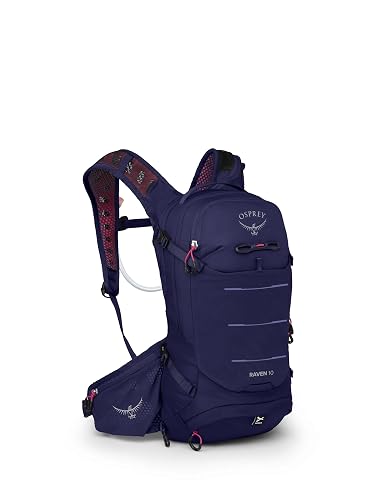
Osprey Raven 10L Women’s Mountain Biking Backpack with Hydraulics Reservoir

Gregory Juno 30L Women’s Hydration Backpack (Laguna Blue)

Unigear Tactical Hydration Backpack with 3L Bladder
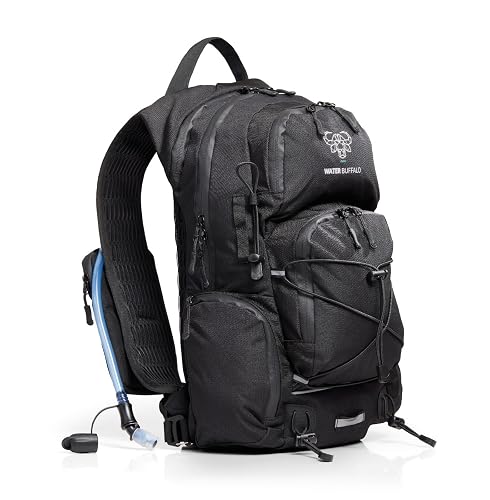
Water Buffalo Sherpa 22L Hiking Hydration Backpack, 2L Bladder
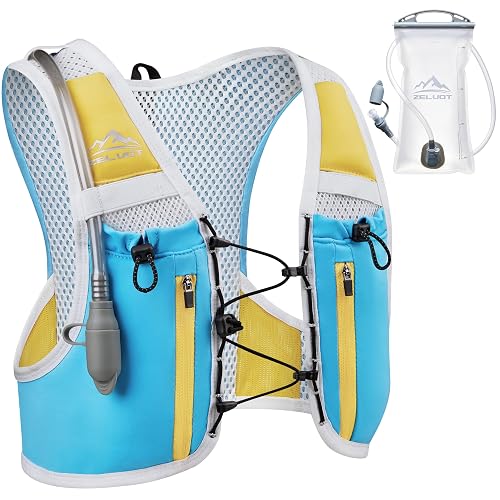
Zelvot Kids Hydration Backpack with Water Bladder
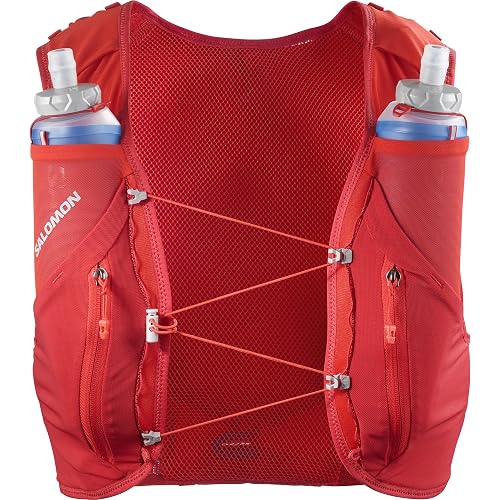
Salomon Unisex Advance Skin 12 Hydration Trail Running Vest

CamelBak Cloud Walker 18 Crux Reservoir Hiking Hydration Backpack
Meet The Standout Selections
Built for riders who would rather clean a root section than a leaky seam, the Osprey Raven 10L is a bike-first hydration pack with a women’s specific winged shoulder harness and airmesh wrap hipbelt. Unlike the larger Gregory Juno that follows on this list, the Raven stays compact so the bag won’t wallop your back on steep descents. You feel the difference most when you hit that root garden you have been avoiding.
The integrated Hydraulics reservoir slides into a dedicated sleeve, leaving the rest of the bag free for a tool roll, layers, and a tube or pump. If you shuttle laps at the bike park or ride technical singletrack after work, the stability-focused harness earns its keep. Casual hikers looking for a roomier daypack should look at the Water Buffalo Sherpa 22L instead.
A Strong Showing
- Winged shoulder harness and hipbelt hug the body, reducing bounce on rough terrain.
- Internal organizer pocket keeps a multitool and tube kit where you can find them mid-ride.
- Compact 10L size keeps the load centered and prevents back slap during descents.
- Hydraulics reservoir with bite valve delivers water without removing the pack.
Things To Consider
- The 10L capacity is tight for hikers who want to carry a puffy, lunch, and extra layers.
- Cleaning the bite valve and tube means a hands-on maintenance habit, not a rinse-and-go.
Made For
Riders running rough singletrack, bike park laps, or after-work loops who want a stable, low-bounce pack built around the bike.
Look Elsewhere When
The Water Buffalo Sherpa 22L Hiking Hydration Backpack is the smarter grab for casual day hikers who want more cargo room for snacks and a warm layer.
The Gregory Juno 30L leans into comfort with a VaporSpan ventilated suspension system, a moisture-wicking mesh back panel, and an ActiveFlex shoulder harness. The 3L 3D Hydro reservoir includes an integrated drying hanger, so you can flip it open after the hike without cradling a slimy bag. It is the roomiest pack on this list, which matters when your trail day also doubles as a picnic.
A magnetic sternum buckle and hose clip with a Drylock bite valve make drinking almost instinctive, since the magnet snaps the valve back into place. For a long-haul hike with an extra jacket, lunch, and a first-aid kit, the Juno’s 30L capacity simply works. Cyclists wanting a tighter, ride-specific fit will probably prefer the Osprey Raven 10L.
A Few Strong Suits
- VaporSpan back panel channels airflow and keeps the sweat off your spine on warm climbs.
- 3L reservoir means fewer refill stops on longer routes.
- Magnetic sternum buckle and Drylock bite valve make one-handed sipping easy on the move.
- 30L capacity swallows a puffy, layers, and a packed lunch without bulging.
Worth Noting
- The larger 30L volume can feel oversized on short, fast loops where less is more.
- More fabric and suspension mean it weighs more than a minimalist vest like the Salomon Adv Skin 12.
- Premium construction typically commands a higher price, so casual users may not need it.
Who It Suits Best
All-day hikers carrying layers, food, and a first-aid kit who want serious comfort and a generous 30L capacity.
A Better Fit Elsewhere
The CamelBak Cloud Walker 18 Crux Reservoir Hiking Hydration Backpack is a lighter, friendlier choice for half-day hikers who don’t need 30 liters.
The Unigear Tactical Hydration Backpack is built tough, with 1050D nylon in the main stress zones, ripstop fabric, and a scratch-resistant finish that shrugs off scrub oak. A thermal insulation layer lines the bladder compartment, which keeps your water noticeably cooler on summer climbs. The external fill port and integral refill handle mean you can top off at a trailhead spigot without yanking the bladder out.
Molle-compatible webbing on the outside turns the pack into a modular platform, so hunters and range-goers can clip on pouches for ammo, calls, or a first-aid kit. Cyclists and trail runners will find it heavier and stiffer than purpose-built running vests, and the tactical aesthetic is loud. For rugged use, the value here is hard to beat.
Standout Benefits
- 1050D ripstop nylon resists abrasion from rocks, branches, and gear.
- Insulated bladder compartment keeps water cooler on hot days.
- External fill port saves the hassle of removing the bladder for refills.
- Molle webbing lets you bolt on pouches for hunting or range accessories.
Points To Consider
- Heavier than minimalist trail running vests, so not ideal for fast efforts.
- Insulation adds weight, which can feel like overkill on cool-weather hikes.
The Right Fit For
Hunters, range-goers, and rugged outdoor users who need a durable pack that can carry gear on top of water.
Swap It Out When
The Salomon Unisex Advance Skin 12 Hydration Trail Running Vest is the better match for trail runners chasing pace rather than durability.
The Water Buffalo Sherpa 22L is a beginner-friendly pack that doesn’t punish your wallet on day one. Six storage pockets give you space for snacks, a phone, a shell, and trail maps without that rummaging-for-the-keys feeling. The included 2L BPA-free bladder features a wide-mouth opening that speeds up refills at a stream crossing.
For most short-to-medium hikes, 22L of cargo space covers the basics with room to spare. The adjustable harness and sternum strap help dial in fit, and you may find the bite valve easy to use for first-timers. Hikers heading into serious terrain or longer days will outgrow the 2L bladder quickly.
Useful Highlights
- Six pockets keep small essentials organized and accessible.
- BPA-free 2L bladder with wide opening refills fast at trail water.
- Adjustable harness suits a wide range of torso sizes for casual hikers.
- 22L capacity swallows a puffy, snacks, and a small first-aid kit.
Honest Caveats
- 2L bladder runs dry faster than 3L options on long, hot climbs.
- Fabric and hardware don’t match the premium feel of a Gregory Juno or CamelBak Cloud Walker.
Best Suited To
Casual day hikers and beginners who want a wallet-friendly pack with enough room for the trail basics.
Consider Something Else When
The CamelBak Cloud Walker 18 Crux Reservoir Hiking Hydration Backpack offers a more refined suspension system if you hike often enough to justify the upgrade.
The Zelvot Kids Hydration Backpack is sized for smaller frames, with a vest-style fit that lets kids run, scramble, and hop logs without a floppy bag bouncing on their back. Capacity scales with size, with XS/S holding a 1L bladder, M/L holding 1.5L, and L/XL holding 2L. The bladder uses food-grade materials and is free of BPA and PVC, which matters when a curious kid drops the bite valve.
A high-flow bite valve pulls up to drink and pushes down to close, so kids learn the mechanics fast and don’t end up soaking their shirts. On short family hikes, the smaller volume actually helps because kids aren’t hauling adult-sized cargo. Parents carrying the rest of the day’s supplies should pair this with their own daypack.
Everyday Advantages
- Vest-style fit hugs a child’s torso and stays put on uneven ground.
- Food-grade bladder materials free of BPA and PVC.
- Simple pull-up bite valve is intuitive for younger hikers.
- Multiple size options let the pack grow with the child.
Points To Keep In Mind
- Limited cargo room, so kids carry water and a snack at most.
- Sizing is critical, so measure your child’s torso before ordering to avoid a poor fit.
Perfect Match For
Families introducing young kids to hiking and trail running who want a properly sized, low-bounce hydration solution.
Reach For A Different Pick When
The Water Buffalo Sherpa 22L Hiking Hydration Backpack is the better fit for older teens and adults hiking together on longer trails.
The Salomon Adv Skin 12 is the kind of pack you forget you’re wearing, which is exactly what trail runners want at mile 30 of an ultra. The 12L version sits in the sweet spot for long-distance trail racing, where you need fuel, a shell, and emergency kit without bulk. Compared to the bulkier Gregory Juno, this vest keeps the load tight against your chest so it doesn’t sway on climbs.
Updated construction focuses on stability and fit, with pockets placed for quick access to soft flasks and gels. The lightweight feel is the headline feature here, since every ounce matters when you’re racing or training long. Casual day hikers may find the storage layout too race-focused and the price higher than they need.
A Few Highlights
- Vest-style fit keeps weight close to the body for high-output movement.
- 12L capacity suits 60km-plus trail efforts with room for mandatory gear.
- Multiple front pockets put fuel and soft flasks within easy reach.
- Lightweight construction reduces fatigue over long distances.
Things To Weigh
- Racing-grade pricing puts it out of reach for casual weekend hikers.
- Specialized pocket design doesn’t translate well to casual day-hike loads.
Whose Shelf It Belongs On
Trail runners and ultra racers chasing pace and long-mile comfort who want a pack tuned for high-output efforts.
Where Another Pick Suits Better
The CamelBak Cloud Walker 18 Crux Reservoir Hiking Hydration Backpack makes more sense for casual hikers who value a relaxed fit over racing speed.
The CamelBak Cloud Walker 18 wraps an 85oz Crux reservoir into a versatile 18L daypack built around the Air Support back panel. Body-mapping tech uses different foam zones to ventilate where you sweat most, so your back doesn’t feel like a damp towel by the turnaround. Side cargo pockets and compression straps keep layers, snacks, and rain shells from rattling around.
Compared to the Osprey Raven 10L reviewed earlier, this pack trades bike-specific features for a more relaxed hiking fit. The Crux reservoir delivers a steady flow with each sip, which is the part most people actually notice on a hot climb. For versatile day hikes where you might also carry groceries or a laptop on the way home, the Cloud Walker pulls double duty.
Everyday Wins
- Air Support back panel with body-mapped ventilation keeps the back cooler on warm days.
- 85oz Crux reservoir delivers reliable water flow with minimal effort.
- 18L capacity balances room for snacks and layers with a manageable footprint.
- Compression straps stabilize loads when the pack isn’t fully packed.
Some Limits To Know
- Reservoir cleaning requires a regular maintenance routine to prevent mildew.
- Not bike-specific, so riders may prefer the Osprey Raven’s harness design.
Built With In Mind
Day hikers, commuters, and casual outdoor users who want a versatile, comfortable hydration pack for everyday adventures.
Another Choice May Suit
The Water Buffalo Sherpa 22L Hiking Hydration Backpack is the better fit for budget-focused hikers who want more pockets at a lower price.
What To Weigh Before Choosing Your Hydration Pack
Capacity Versus Pack Size
Reservoir size and cargo volume don’t always grow together, so think about your longest realistic outing. A 2L bladder is enough for a half-day hike in mild weather, while a 3L reservoir covers full days and hot climbs. Cargo room matters separately: a 30L pack swallows extra layers, while a 12L vest barely fits a shell.
Fit, Stability, And Suspension
A pack that swings on your back will wear you out faster than the trail itself. Look for a winged harness or sternum strap that locks the bag close to your body, and an adjustable hipbelt if you carry real weight. Women-specific and unisex cuts shape the harness differently, so try to match the pack to the torso of the person wearing it.
Activity-Specific Features
Bikers want a low-bounce harness, trail runners want a vest-style fit, and hunters often want Molle webbing. Features that seem like extras, like compression straps or external fill ports, pay off on long days. Match the pack’s purpose to your main activity and the bag earns its place in your kit.
Key Considerations Across These Picks
Mistakes Worth Dodging
Buying a pack based on reservoir size alone is a common slip, since cargo room and fit matter just as much. A 3L bladder with a 10L pack will run dry before you’ve used the storage, while a small bladder in a big pack leaves you thirsty. Measure your torso before ordering and pick capacity around your longest typical day, not your wildest dream hike.
What The Higher Tier Buys
Premium packs like the Gregory Juno and Salomon Adv Skin 12 cost more because of suspension systems, lighter fabrics, and better hardware. The upgrade shows up most on long days, where ventilation, harness design, and weight savings reduce fatigue. For occasional short hikes, a budget-friendly pack like the Water Buffalo Sherpa 22L covers the basics without the premium price tag.
Frequently Asked Questions
How big should my hydration reservoir be?
A 2L bladder works for hikes under three hours in mild weather, while a 3L reservoir is the sweet spot for most full-day outings. Hot conditions or high-output activities push you toward 3L or larger.
Can I use a hiking hydration backpack for running?
Yes, especially vest-style packs like the Salomon Adv Skin 12 that hug the torso. Standard backpacks can bounce on faster runs, so look for race-fit designs if running is your main activity.
How do I clean a hydration bladder?
Most reservoirs clean well with warm water, mild soap, and a dedicated bladder brush, then air-dry hanging open. Frequent users typically clean the bladder and tube every few weeks to prevent mildew and biofilm buildup.
Are kids’ hydration packs worth it?
For children old enough to hike on their own, a properly sized pack like the Zelvot Kids vest teaches independence and keeps water accessible. Younger kids may be better served by a parent’s pack.
Do I need a women’s-specific hydration pack?
Women-specific designs like the Osprey Raven 10L and Gregory Juno 30L shape the harness and back panel for shorter torsos and different shoulder geometry. Many unisex packs fit a wide range of bodies, so personal fit matters more than the label.
Bottom Line
A hiking hydration backpack earns its place by quietly doing its job: water within reach, gear organized, and the load stable on tough terrain. Match the pack to the longest day you actually take, not the longest day you might, and the rest falls into place. Pick the one that fits your body and your routes, and the trail does the rest.