
A solid camera arm changes how a trail cam, action camera, or DSLR behaves outdoors, and choosing the right one saves hours of frustration on the water, in the blind, or behind the lens. Hunters, kayak anglers, and content creators all hit the same wall: vibration, awkward angles, and mounts that slip after a season. The nine options below cover kayak setups, dedicated tree mounts, and modular studio-style arms that work just as well on a pack frame.
The Main Contenders
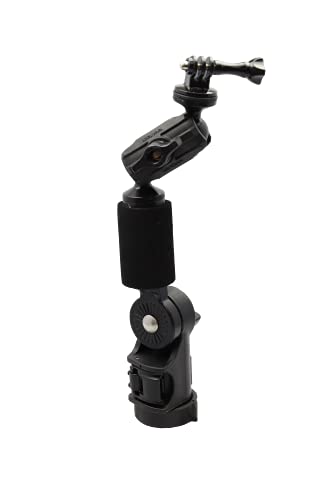
YakAttack PanFish Portrait Pro 11.5″ Kayak Camera Mount

SMALLRIG 7″ Magic Arm with 1/4″-20 Screws & Spring-Loaded Pins

SMALLRIG Articulating Magic Arm, 3/8″-16 ARRI & 1/4″-20 Screw

SMALLRIG Magic Arm Clamp Kit, Camera Mount Friction Arm with Super Clamp

Neewer 11″ Articulating Magic Arm Clamp Mount with Super Clamp, ST16C
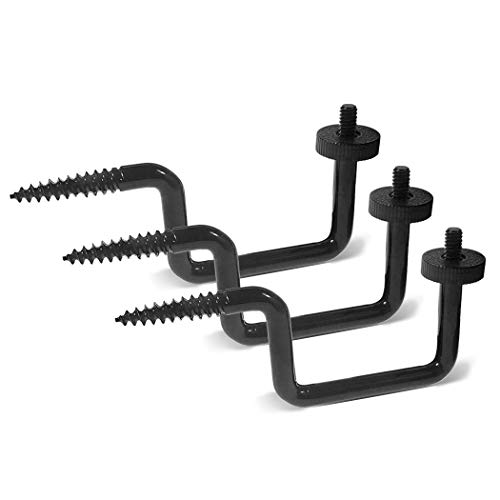
Highwild Trail Camera Holder Tree Screw Mount 3 Pack, 1/4″-20 Bracket

HME Economy Trail Camera Holder with 360-Degree Rotation

Spypoint Adjustable Mounting Arm (Black)

SMALLRIG 9.8″ Magic Arm Clamp Kit with 1/4″ and 3/8″ Threads
Why These Options Stand Out
Anglers who film from a sit-on-top or pedal kayak know that a tall pole catches wind and whips the footage apart. The YakAttack PanFish Portrait Pro keeps the 11.5″ pole tucked close to the deck, where paddle chop has less leverage. That low-slung geometry also leaves the bow clear for casting nets or fighting fish.
Versatility comes from the dual-mount top: a 1/4″-20 ball for compact cameras and DSLRs, paired with a GoPro adapter. A “ball head” is the round pivot that lets you tilt and rotate the camera freely before locking it down. That means swapping between a DSLR on a calm day and an action cam in rough water takes seconds, not tools.
Why It Works Well
- 11.5″ pole keeps the camera close, reducing vibration in chop.
- LockNLoad base rotates a full 360° and angles freely for shot framing.
- GoPro adapter plus 1/4″-20 ball cover most kayak filming rigs.
- Low deck profile leaves casting space and stays out of paddle path.
- Modular top lets you move a camera between boats with one wrench.
Things To Consider
- Short reach limits wide landscape shots from shore setups.
- Routine freshwater rinse is wise after saltwater trips to slow corrosion at the base.
Who It Suits Best
Kayak anglers who want stable deck-level footage of catches without a pole fighting every paddle stroke.
Where Another Pick Suits Better
Trees and ground blinds call for the Highwild Trail Camera Holder Tree Screw Mount 3 Pack instead.
Rig builders who pack light know that every gram and inch matters. The SMALLRIG 7″ Magic Arm slots into a small camera bag pocket yet still delivers the articulating motion that bigger arms offer. It’s the kind of piece you forget until you need it, then wonder how you shot without one.
Anti-slip grip comes from 1/4″-20 screws paired with spring-loaded pins that bite into the mating threads. The knurled thumb screws lock by hand, and a wrench port adds an extra safety step. Owners running monitors, lights, or phones on caged bodies will find this a tidy, dependable sidekick.
Noteworthy Benefits
- Spring-loaded pins stop accessories from twisting mid-shoot.
- Tool-free thumb screws speed up repositioning between takes.
- Wrench port reinforces the lock when heavy rigs vibrate.
- 7″ length keeps weight and bulk low for travel kits.
Trade Offs
- Short arm reach restricts where you can park a monitor on a full cage rig.
- Wider payloads can cause slow sag over long shoots if you skip the wrench port.
Key Product Details
Made For
Traveling creators running small monitors, lights, or phones on a compact cage.
Skip It When
You need more reach or a locating pin standard, which the SMALLRIG Articulating Magic Arm with ARRI screw delivers.
Cage-based shooters live and die by the ARRI standard, the 3/8″-16 threaded locating hole pattern found on pro camera rigs worldwide. This SMALLRIG arm speaks that language on one end and a standard 1/4″-20 on the other, so it slips between pro accessories and consumer gear without adapters. That’s a quiet win when you’re building a kit that has to evolve.
The retractable anti-twist pins are a small detail that pays off every time you hit a rough patch of trail. They pop out to seat into locating holes, then retract so the screw can still tighten flush. If you’ve ever watched a monitor slowly spin during a tracking shot, you understand the value.
Positive Points
- ARRI 3/8″-16 locating pin fits the pro cage ecosystem.
- Retractable pins block twisting on heavy accessories.
- Standard 1/4″-20 second end covers lights, mics, and monitors.
- Sturdy build handles DSLR-plus-monitor stacks.
Points To Keep In Mind
- ARRI pin end needs a cage or rig with a matching hole, or the benefit goes unused.
- Heavier loads mean a periodic re-tighten mid-shoot.
Best Suited To
Creators who already shoot on a cage and want one arm that bridges pro and consumer mounts.
Not Your Match When
Tight travel kits with no cage will get more mileage from the SMALLRIG 7″ Magic Arm with Spring-Loaded Pins.
Older magic arms had a habit of slowly deflecting under load, which would tilt a monitor just enough to ruin a framing. The updated SMALLRIG Clamp Kit fights that with an integrated anti-deflection design at the connection between the crab clamp and the arm. The result is a kit that holds its pose through long interviews or multi-hour events.
The clamp itself uses a flexible rotating triangular prism friction block, which bites into pipes, desks, and light stands without crushing them. A “friction block” is the rubberized pad inside the clamp jaw that grips irregular shapes. That grippy surface earns its keep when you clamp onto oddly shaped gear at a hunt camp or a rental venue.
Good Reasons To Consider
- Anti-deflection joint resists slow tilt under monitor loads.
- Triangular friction block grips oddly shaped poles and stands.
- 11″ arm plus action camera mount covers common rigs.
- Strong hold reduces mid-shoot re-tightening.
Honest Caveats
- Clamp teeth can mark soft finishes, so pad jaws on finished wood.
- Larger than the 7″ option, so it crowds minimalist packs.
Feature Snapshot
Perfect Match For
Desk, bench, and overhead shooters who need a clamp-and-arm combo that holds framing through long sessions.
Look Elsewhere When
You mainly need a quick kayak or pack-frame setup, where the YakAttack PanFish Portrait Pro is more focused.
Content stacks keep growing: camera on the cage, monitor on top, light on the side. The Neewer 11″ Articulating Magic Arm tackles that complexity with two rosette-jointed segments connected by a 360° friction gear, giving you finer control than a standard ball head. A “rosette joint” is a toothed disc that locks in precise indexed steps instead of free-spinning.
The mounting side of the kit covers nearly every modern camera family: DSLR, mirrorless, LED panels, shotgun mics, and phones. Locating pins and ARRI-standard holes give a secure stop against rotation on cages that support them. You may find the size intimidating on a tiny travel rig, but for a full studio-style stack it earns its space.
Useful Highlights
- Two arms joined by a 360° friction gear for precise indexed angles.
- 1/4″ and 3/8″ threads cover ARRI cages and consumer gear.
- Compatible with phones, monitors, lights, and action cameras.
- Super clamp anchors to desks, stands, and pipe rigs.
Some Limits To Know
- Two-arm geometry adds weight over single-ball options.
- Tight friction gear can bind if grit gets into the teeth after outdoor use.
Right Fit For
Multi-device shooters running monitors, lights, and mics on a cage or C-stand setup.
Reach For A Different Pick When
A single short arm with thumb screws is enough, which is where the SMALLRIG 7″ Magic Arm shines.
Hunters running multiple trail cams across a property know the math: one camera, one mount, one tree. The Highwild 3-Pack spreads the investment across locations and gives spares when a curious bear decides to investigate your mount. Heavy-duty steel construction and a powder-coated finish stand up to years of weather.
The 1/4″-20 threaded insert is the universal mounting thread for trail cams, action cams, and solar panels, so this bracket handles far more than a single camera. Threading into a tree with the included screw creates a stable anchor that doesn’t swing in the wind.
Where It Delivers
- Steel body with corrosion-resistant finish survives seasons outdoors.
- 1/4″-20 thread fits most trail cams and solar panels.
- Three-pack covers a property layout or replaces lost mounts.
- Low profile reduces theft risk at remote sites.
Practical Considerations
- Screw-in design requires a pilot hole and a wrench, so bring tools into the field.
- Steel adds weight to a backpack compared to polymer mounts.
Who Should Grab It
Property managers and hunters running several trail cams across different trees or fence lines.
A Better Fit Elsewhere
Cellular cam owners who reposition weekly will prefer the quick-adjust Spypoint Adjustable Mounting Arm.
First-time trail cam owners often overthink the mount. The HME Economy keeps it simple: screw the bracket into a tree, mount the camera on the 360° head, point, walk away. The patent-pending compact design keeps bulk low so the rig blends into the tree line.
Versatile compatibility covers most trail cams on the market, which matters when you upgrade gear over the years. The 360° rotational adjustment means you can dial in the angle without unmounting the camera. For beginners who want one mount that works across gear changes, this is a low-friction starting point.
Strong Points
- Compact low-profile design blends into natural settings.
- Full 360° rotation simplifies angle adjustments.
- Universal fit across most trail cam brands.
- Easy installation needs only basic tools.
Things That May Matter
- Economy construction may need a touch-up of waterproofing after the first season.
- Less rugged than the steel Highwild option under heavy weather abuse.
Quick Facts
The Right Fit
Newcomers to trail cams who want an easy first mount without overcommitting on price.
Where A Sibling Pick Shines
Hunters running multiple locations will save with the Highwild Trail Camera Holder 3 Pack.
Cellular trail cams cost real money, and a long, obvious arm turns them into a theft target. The Spypoint Adjustable Mounting Arm solves that by hugging the tree, with no sticking-out extensions to catch a curious eye. For backcountry setups, that’s worth more than reach.
One knob loosens the ball-and-socket joint, letting the camera pan and tilt independently. The “ball-and-socket” design means the mount head pivots freely in any direction before the knob locks it down. Once dialed in, the arm stays close to the trunk and the camera blends into the bark.
Useful Touches
- Low-profile design minimizes visual detection.
- Single-knob ball joint makes repositioning fast.
- Securely anchors to trees and wooden fence posts.
- Pairs naturally with cellular trail cams.
Possible Compromises
- Short reach rules out wide-angle compositions away from the trunk.
- Single tightening knob may need a check after windstorms.
Details At A Glance
Whose Shelf It Belongs On
Cellular trail cam users who prioritize stealth and quick repositioning over maximum reach.
Swap It Out When
You want a multi-spot scouting system rather than a single stealth setup, where the Highwild 3-Pack scales better.
For shooters who split time between a desk rig and a light stand at an outdoor shoot, a mid-length arm covers both worlds. The SMALLRIG 9.8″ Magic Arm Clamp Kit lands in that sweet spot, with a lightweight aluminum clamp that grips almost anything you can find on location.
The clamp carries both 1/4″-20 and 3/8″-16 threads, while the arm ends in matching 1/4″ screws. That means lights, monitors, umbrellas, and cameras all share one anchor point, no adapter hunt required. The aluminum build keeps weight down for travel, though you’ll want to avoid crushing soft finishes.
Everyday Advantages
- Lightweight aluminum clamp reduces carry weight.
- 1/4″ and 3/8″ threads cover cameras, lights, and umbrellas.
- 9.8″ reach balances compact and extended setups.
- Versatile enough for studio and field work.
Factors To Consider
- Aluminum clamp jaws can mark finished wood without padding.
- Mid-length reach may fall short on very tall C-stand setups.
Built With In Mind
Hybrid creators who bounce between studio lighting rigs and outdoor field sessions.
Consider Something Else When
Tight kayak and pack setups call for the YakAttack PanFish Portrait Pro instead.
Field-Tested Factors That Matter Most
Mount style drives everything. A kayak angler needs a deck-friendly pole that resists paddle chop, while a tree-based trail cam user needs a screw-in bracket that survives wind and curious wildlife. Match the mount form to the actual shooting environment before worrying about length or thread pattern.
Thread standards decide how broadly the arm fits your existing kit. The 1/4″-20 thread is the everyday standard for cameras and most accessories, while 3/8″-16 with locating pins (the ARRI pattern) anchors professional cage setups. A dual-thread arm bridges both worlds if you upgrade gear over time.
Reach and stiffness pull in opposite directions. A short arm stays stable and tight to the body, while a long arm gives framing freedom but sags under heavy monitors. For most hunting and outdoor applications, a mid-length arm around 9 to 11 inches balances both. Profile matters when theft or wildlife awareness is a concern: a low-profile mount keeps gear close to the tree and out of sight.
Weather protection shows up in the finish. Powder-coated steel shrugs off rain and sun longer than raw aluminum, while aluminum stays lighter for travel. Saltwater users should rinse mounts after every trip, since corrosion at the pivot point is the most commonly reported long-term issue across this category.
Key Considerations Across These Picks
Pitfalls Shoppers Hit
Choosing a mount by reach alone is a frequent misstep. A long arm with a weak clamp will slowly tilt under load, ruining framing on long shoots. Always check the clamp jaw design and lock mechanism before committing to a length.
Ignoring thread standards leads to a drawer full of adapters. Pick a mount that matches the gear you actually own today, with a path to support gear you might buy in a year or two. A dual-thread arm like the SMALLRIG 9.8″ Magic Arm Clamp Kit solves that problem for hybrid setups.
Where The Extra Money Goes
Premium arms earn their cost with tighter friction joints, anti-deflection engineering, and locating pin systems that stop slow rotation under load. For occasional use, an economy mount like the HME Economy Trail Camera Holder does the job. Daily shooters running pro cages or stacked rigs benefit most from the upgraded SMALLRIG and Neewer options.
Frequently Asked Questions
What thread pattern fits most hunting cameras?
Most trail cams, action cams, and solar panels use the 1/4″-20 standard thread, which is what you find on the Highwild and HME mounts. Pro camera cages and rigs use the larger 3/8″-16 ARRI pattern with locating pins for anti-twist security.
Can one arm support both a camera and a light?
Yes, on arms with two ends like the SMALLRIG and Neewer options. Just watch the weight, since heavier lights cause more sag over time, and pick a kit with anti-deflection engineering for long sessions.
How do I keep a tree mount from loosening in wind?
Use the pilot hole method described in the mount instructions, and snug the screw with a wrench rather than by hand. Periodic checks after major storms are wise, especially on softer wood species.
Are kayak mounts safe in saltwater?
They can be, with a freshwater rinse after every trip. Pivot points and threaded inserts are the most commonly reported corrosion spots, so focus your rinse there and let the mount dry before storage.
Do I need a clamp arm for a simple trail cam?
Not always. A basic screw-in bracket like the HME Economy Trail Camera Holder handles most static trail cam setups. Clamp arms earn their keep when you’re mounting cameras on irregular surfaces or building stacked rigs.