
Stalking shallow marshes at dawn demands a craft that slips through reeds without a splash, holds steady while you draw, and stays comfortable for a full morning in the blind. Picking the wrong hull leaves you wet, off-balance, or stranded far from the launch. These seven hunting kayaks cover solo floaters, tandem setups, and one accessory that solves a frustrating problem on premium pedal rigs.
How The Shortlist Stacks Up

Pelican Catch Mode 110 Kayak
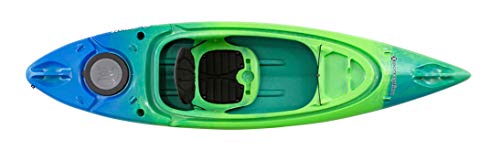
Perception Flash 9.5 Sit-Inside Kayak

Pelican Argo 100X Sit-In Kayak
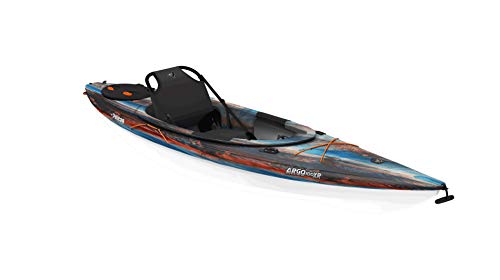
Pelican Argo 100XR Premium Sit-In Kayak
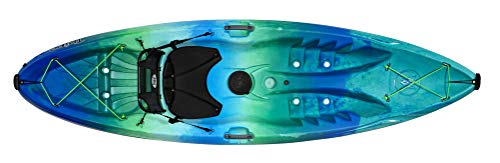
Perception Tribe 9.5 Sit-On-Top Kayak

BerleyPro Raised Kayak Handle for Hobie

BKC Brooklyn 13.0 Pro Tandem Kayak
A Deeper Look At The Lineup
The Pelican Catch Mode 110 sits in that sweet spot where a hunting kayak behaves more like a small platform than a boat, and that matters when you need to stand, cast, or shift your weight without taking a swim. Built on a tunnel hull (a twin-sponson design that adds buoyancy underfoot), it measures roughly 10’8″, giving you enough length to track through marsh grass without feeling tippy when the decoys land. The flat, wide deck lets you move around quietly, and the ERGOBOOST seat system is a noticeable upgrade over the basic plastic perch on cheaper fishing kayaks.
Solo hunters carrying rods, a shotgun, decoys, and a small dry bag will appreciate the bungee-secured stern storage. Compared to the sit-inside Perception Flash 9.5 coming up next, this one trades weather protection for open-water versatility and the ability to stand. For dawn hunts on calm backwaters, that’s the right trade.
Points In Its Favor
- Tunnel hull gives genuine standing stability, useful for sight-hunting or working a rod
- Wide deck holds gear, decoys, and a crate without crowding the cockpit
- RAM-X construction keeps the hull light enough for solo cartopping
- ERGOBOOST seat reduces back fatigue during long pre-dawn waits
- Bungee storage platform secures loose gear on the move
Things To Consider
- Open sit-on-top design means you’ll get wet in rain or cold water
- Anti-slip deck carpet requires occasional rinsing to keep mud from building up
- Tracking is good but not as crisp as a longer touring kayak
Key Attributes
Made For
Solo hunters who want to stand, cast, and shift around without trading stability for hull length.
Consider Something Else When
The Perception Flash 9.5 is a smarter pick for late-season hunters paddling cold water who want a covered cockpit and lighter carry.
The Perception Flash 9.5 trims weight where most sit-inside hunting kayaks punish you: it lands around 41 lb on the scale, so one person can wrestle it onto a truck rack without recruiting help. The sit-inside cockpit keeps wind chill off your torso in late-season hunts, and the molded-in rod holders let you stow a rod while still paddling toward a cove.
Compared to the Pelican Catch Mode 110 we just covered, this hull feels more like a traditional kayak: lower to the water, less standing room, but quieter slice through ripples and tighter tracking in current. For hunters who park-hop and portage often, the lighter build is the headline feature.
The Helpful Details
- 41 lb carry weight is friendly for solo portages across banks
- Molded rod holders free up your hands during a paddle-and-scout approach
- Sit-inside cockpit blocks cold wind on early winter hunts
- Rear storage zone holds a small crate or decoy bag
- Compact 9.5 ft length handles tight creeks
Worth Noting
- Smaller cockpit limits standing or major shifts in position
- Rear storage is open and not sealed against splash
Whose Shelf It Belongs On
Hunters working cold-water routes who prioritize low weight and a sheltered cockpit over deck space.
A Better Fit Elsewhere
The Pelican Catch Mode 110 suits hunters who actually need to stand and want a flat deck for gear.
First-time hunters usually worry about two things: tipping over and getting back in if they do. The Pelican Argo 100X addresses both with a twin-arched multi-chine hull, a stepped hull shape that resists tipping and creates a stable platform for entry and exit. Foam floatation tucked inside the hull adds a safety margin if you swamp it in shallow cover.
The Ergoform seating system gives you a padded backrest without the bulk of higher-end setups, and the sit-inside cockpit keeps you drier than the open Pelican Catch Mode 110. For calm lakes and slow rivers where you don’t need to stand, this is a forgiving platform that won’t punish learning curves.
Useful Strengths
- Twin-arched hull makes entry and exit unusually easy
- Built-in foam blocks keep the boat floating if it takes on water
- Ergoform backrest reduces mid-paddle fatigue
- Lightweight RAM-X build carries to the water solo
Honest Caveats
- 10 ft length tracks loosely in current compared to longer hulls
- Limited deck rigging, so gear stows best in the cockpit or behind the seat
- Capacity tops out around 275 lb, which may exclude heavier hunters
Quick Facts
Right Fit For
Beginner hunters on calm lakes or slow rivers who want a forgiving, easy-to-mount platform without a steep price.
Skip It When
Long days on the water favor the Pelican Argo 100XR, which adds a removable seat and better storage for all-day comfort.
Where the standard Argo 100X feels like a recreational boat, the 100XR upgrades the parts your body notices first. The Ergocoast seating system pulls out of the hull and doubles as a beach chair at the launch, which sounds gimmicky until you spend a long lunch waiting for a tide or flight window. Adjustable footrests, padded knee cushions, and dual bottle holders round out a cockpit that stays comfortable past the third hour.
Compared to the Perception Flash 9.5 covered earlier, this Pelican trades a little lightness for noticeably more onboard storage, including a quick-lock hatch and bungee deck rigging. For hunters who set up and stay put, that’s a meaningful upgrade.
Practical Advantages
- Ergocoast seat removes for use as a beach chair at the launch
- Quick-lock hatch adds dry storage the cheaper Argo 100X lacks
- Adjustable footrests accommodate different leg lengths
- Padded knee pads reduce pressure during long paddles
- Dual bottle holders keep hydration accessible mid-trip
Points To Note
- Slightly heavier than the standard 100X due to added features
- Hatch is a quick-lock style, not a fully sealed bulkhead, so pack a dry bag inside for electronics
Feature Snapshot
Best Suited To
Hunters planning multi-hour sits who want better cockpit comfort and onboard storage without moving to a much heavier boat.
Look Elsewhere When
True portage-heavy trips favor the lighter Perception Flash 9.5, which sheds pounds by trimming extras.
The Perception Tribe 9.5 leans into the casual end of the hunting spectrum: warm-water marshes, summer scouting trips, family-friendly waters where tipping is a low-stakes event. The sit-on-top deck gives you an easy-on, easy-off experience and a sense of openness that enclosed cockpits can’t match on a sunny afternoon.
At a 300 lb capacity, it handles a heavier paddler plus a small gear load without feeling strained. Compared to the Pelican Argo 100XR covered just above, this Perception is more of a generalist: less storage refinement, more open-deck freedom and forgiveness for first-timers getting on the water.
Everyday Perks
- Open sit-on-top design is easy to mount from a dock or bank
- 300 lb capacity fits a wide range of paddlers and gear
- Versatile hull handles lakes, slow rivers, and light chop
- Compact 9.5 ft length is friendly to store and transport
Trade Offs
- Open deck exposes you to splash and sun, which matters in cold or wet conditions
- Less onboard storage than the Argo 100XR for organized hunters
- Tracking in crosswinds requires more paddle correction than longer hulls
Who It Suits Best
Casual hunters, summer trips, and households that want a single kayak for scouting, family paddles, and warm-weather outings.
Reach For A Different Pick When
Tandem hunts with a partner call for the BKC Brooklyn 13.0 Pro, which adds a second seat and far more capacity.
This one breaks the kayak list open: it’s not a hull, it’s an upgrade. The BerleyPro Raised Kayak Handle replaces the stock plastic grab on Hobie Outback and Compass pedal kayaks with a CNC-machined (precision-cut from solid metal) aluminum handle that sits higher off the deck. For hunters who already own one of those Hobie pedal rigs, that extra height solves a real problem: lifting a heavy pedal kayak by a low-mounted factory handle is awkward and rough on your back.
The stainless steel fasteners resist corrosion in brackish marsh water. Compared to the full hull picks earlier, this is a much smaller purchase, but it’s the kind of accessory that quietly changes daily handling.
Positive Points
- Higher grip point reduces back strain when lifting or pulling the kayak
- Aluminum body handles rough use better than factory plastic
- Stainless steel fasteners stand up to salt and brackish water
- Direct bolt-on upgrade for Hobie Outback and Compass models
Some Limits To Know
- Only fits Hobie Outback and Compass hulls, so other kayaks need a different solution
- You may want to rinse the fasteners after saltwater sessions to extend finish life
Who Will Love This
Current Hobie Outback or Compass owners who want a more comfortable carry and tow point without buying a new boat.
Swap It Out When
You don’t yet own a Hobie pedal kayak, in which case the Pelican Catch Mode 110 or BKC Brooklyn 13.0 Pro is the right starting point.
When the hunt requires two paddlers, a dog, a child, or simply an absurd amount of gear, the BKC Brooklyn 13.0 Pro answers with brute capacity. The reinforced hull supports up to 800 lb, which covers two adults, a kid, decoys, and a cooler without the boat feeling overloaded. The aluminum-framed seats adjust vertically for better visibility over marsh grass, and the boat flexes between tandem and solo setups.
Compared to the solo picks above, this is a heavier, longer craft that handles open water with more confidence but takes more effort to cartop and store. For guided trips and family hunts, that’s the trade that makes sense.
Where It Excels
- 800 lb capacity fits two adults plus a child and a heavy gear load
- Height-adjustable aluminum seats improve sightlines over grass
- Converts between tandem and solo layouts
- Reinforced hull adds durability for rocky launches and stumps
Practical Considerations
- Longer 13 ft hull needs more storage space at home
- Heavier than solo kayaks, so a second set of hands helps at the launch
- More surface area means more drag in tight, twisty creeks
Feature Card
Perfect Match For
Hunters who paddle with a partner or family and need a stable, high-capacity platform that still works solo on quiet days.
Not Your Match When
Solo portaging across narrow banks is faster with the Perception Flash 9.5, which trims down to half the length.
Matching Hulls To The Way You Hunt
Choosing the right hunting kayak is less about brand loyalty and more about matching the hull to the water you actually paddle. Stability, weight, and storage layout matter more than flashy features, because a boat that doesn’t fit your marsh or your truck ends up gathering dust by August.
Stability Versus Maneuverability
Wider hulls like the Pelican Catch Mode 110 feel planted when you stand to shoot, but they sacrifice a little tracking, the ability to hold a straight line without correcting. Narrower, longer hulls track better but punish weight shifts. Match the hull width to how you hunt: standing and casting rewards a wide platform, while long paddles down a straight canal reward a longer, narrower hull.
Hull Material And Weight
Polyethylene (a tough, mid-weight plastic) is the standard for fishing kayaks because it absorbs bumps from rocks and stumps. RAM-X, Pelican’s branded multi-layer polyethylene, leans lighter than standard rotomolded plastic. If you cartop solo, prioritize weight. If you launch from a rough shoreline, prioritize toughness over lightness.
Storage And Deck Layout
Hunters carry decoys, blinds, and guns, not just rods. Look for bungee platforms and hatches large enough for a small crate, and remember that fully sealed hatches are rare on recreational kayaks. A dry bag inside an open hatch gets you most of the way to waterproof storage without paying for a touring boat.
Solo Versus Tandem
Solo hulls are easier to store, transport, and reposition. Tandem hulls like the BKC Brooklyn 13.0 Pro win when you bring a partner, a dog, or a child, but they demand more storage space and a second set of hands at the launch. Choose based on the most common crew size, not the exception.
Key Considerations Across These Picks
Wrong Turns To Avoid
A common mistake is buying a touring kayak for hunting, only to discover there’s no flat deck for standing or gear. Another is underestimating launch logistics: a 13-foot tandem kayak that fits the water but won’t fit a garage or a small car is a problem you’ll face every weekend. Measure your storage and vehicle before picking the hull length.
When Paying More Pays Off
Spending up on a kayak typically buys longer hull life, better seating, and accessories like rod holders and hatches. The Pelican Argo 100XR is a good example: the upgraded seat and storage transform a basic recreational hull into something comfortable for full-day hunts. Higher price points also tend to bring sealed bulkheads, which genuinely keep gear dry during a swamp.
Frequently Asked Questions
What length kayak works best for hunting?
A 10 to 12 ft kayak is the common sweet spot. Shorter hulls handle tight creeks and shallow marshes, while longer hulls track better in open water. Pick based on the narrowest water you regularly paddle.
Sit-on-top or sit-inside for hunting?
Sit-on-top kayaks like the Pelican Catch Mode 110 offer easier mounting and a flat deck for gear and standing. Sit-inside hulls like the Perception Flash 9.5 keep you drier and warmer in cold conditions. Choose sit-on-top for warm weather and versatility, sit-inside for cold water and wind.
Can one kayak work for both fishing and hunting?
Yes, especially fishing-oriented sit-on-top models. Rod holders, bungee storage, and stable platforms help with both pursuits. Tandem kayaks like the BKC Brooklyn 13.0 Pro make this even easier when a partner comes along.
How much capacity do I actually need?
Aim for at least 50 lb above your body weight to allow for gear, a small crate, and a PFD (personal flotation device). Hunters running decoys, blinds, and guns often need more headroom than the listed capacity suggests.
Do I need a pedal kayak for hunting?
Pedal kayaks free your hands for a shotgun or rod and let you hold position quietly in current. They’re not required, but they pay off in current-heavy waters where paddling alone wears you out before a long sit.