
A good rangefinder quietly does the work that turns a long stalk into a clean shot, and the wrong one makes every bush look like an elk. Hunters weighing options for bow season, rifle season, or open-country glassing all face the same trade-off: range, optical clarity, weight, and price compete for attention. The nine models below cover the spread from ultralight pocket units to full binocular rigs, so you can match the tool to your terrain instead of the other way around.
The Leading Options At A Glance

Vortex Crossfire HD 1400 Laser Rangefinder
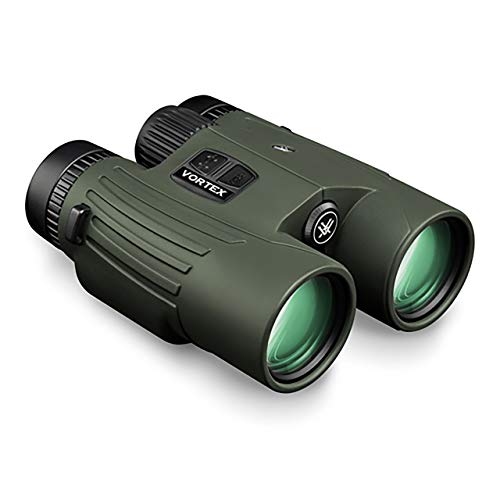
Vortex Fury HD 5000 10×42 Laser Rangefinding Binoculars

AOFAR HX-1200T Range Finder for Hunting

Vortex Razor HD 4000 Laser Rangefinder

Gogogo Sport Vpro Golf Range Finder 900Y

AOFAR HX1000 Hunting Range Finder

Gogogo Sport Vpro Golf/Hunting Range Finder

AOFAR HX-700N Hunting Range Finder 700Y

Gogogo Sport Vpro GS24 Golf & Hunting Rangefinder
A Closer Look At Each Pick
The Crossfire HD 1400 sits in that sweet spot where most bowhunters and mid-range rifle shooters live, and the lightweight chassis disappears in a pack pocket during a long stalk. With a 21mm objective and 5x magnification, you get a clean sight picture without hauling a full binocular rig, and the HD optical system holds up in low-light windows at dawn and dusk.
Reach extends to roughly 1,400 yards on reflective targets, with game animals reading accurately out to about 750 yards in typical field conditions. Hunters moving between timber and open terrain benefit most, since the unit balances weight and capability better than most entry-to-mid options. Compared to the AOFAR HX-1200T below, this one feels more refined in the hand and offers a longer reflective range, though it costs noticeably more.
What Works In Its Favor
- Light enough to carry all day on a multi-mile hike without neck fatigue.
- Long reflective reach that handles ridge-to-ridge ranging without overspending.
- Clean HD glass that performs well in marginal light when game moves.
- Single-button operation that stays simple with cold hands or gloves.
Points To Keep In Mind
- Game-specific range tops out lower than the headline reflective number suggests.
- Lacks a built-in binocular function, so pairing with binos is the typical workaround.
Feature Snapshot
Right Fit For
Active hunters who split their time between timber stalking and open meadow glassing.
Look Elsewhere When
The Vortex Fury HD 5000 suits you better when you want built-in binocular optics alongside ranging.
The Fury HD 5000 collapses two field tools into one unit, which sounds like a gimmick until you glass a distant ridge and confirm distance with the same eyepiece. The 10×42 binocular configuration gives meaningful magnification for picking apart a herd across a canyon, while right-side button controls let you range one-handed while the binoculars stay at your eyes.
Open-country hunters chasing sheep, elk, or mule deer across big western terrain get the most out of this setup. The price tag climbs well past a standalone rangefinder, but the integrated design trims weight and steps from your workflow. Compared to the Crossfire HD 1400 above, you trade pocket-friendly portability for true binocular-grade glass and a unified sight picture.
Useful Touches
- Combines spotting and ranging so you stay on target between scans.
- 10x magnification pulls distant game into clear identification range.
- One-handed control layout keeps the other hand free for trekking poles or a rifle.
- 42mm objectives gather enough light for low-light glassing sessions.
Trade Offs To Consider
- Heavier than a pocket rangefinder, which matters on long climbs.
- Costs significantly more than a standalone rangefinder setup.
- Cleaning and lens care become more involved with the larger optical system.
Made For
Western hunters glassing big country who want fewer devices swinging from their chest harness.
Skip It When
The Vortex Razor HD 4000 fits better when you want pure long-range rifle ranging without binocular bulk.
The AOFAR HX-1200T delivers archery-tuned ranging at a price that respects a starter budget, and the angle-compensation modes make it a sensible pick for treestand and western bowhunters. The 6x magnification through a 25mm objective gives a clear sight picture without the bulk of a binocular setup, and the dedicated bow mode calculates true horizontal distance uphill.
For archers who need uphill yardage but do not want to invest in a flagship Vortex, this is the sensible middle. The unit handles dust, fog, and rain that often end a hunt early, which matters in wet coastal or mountain environments. Compared to the Crossfire HD 1400, you give up some optical polish and reflective range, but the cost savings are substantial.
Why It Works Well
- Angle-compensated bow mode simplifies uphill and downhill shot math.
- Weather-sealed body handles drizzle and morning fog without complaint.
- Reaches far enough for most western archery setups at a sensible price.
Honest Caveats
- Optical clarity sits a step below premium glass in low light.
- Battery life is adequate but worth tracking before longer trips.
- Smaller objective lens limits performance in heavy timber shade.
Who Should Grab It
Budget-aware bowhunters who prioritize angle compensation over flagship glass.
Consider Something Else When
The AOFAR HX-700N suits you better for close-range timber setups under 100 yards.
The Razor HD 4000 is the rangefinder for shooters who measure drops in MOA and care about which tree the bullet lands behind. Four targeting modes, including the first and last return logic, solve the classic problem of ranging a fence post in front of a buck, and the HCD mode feeds horizontal distance straight to your ballistic solver.
Long-range rifle shooters chasing precision past 800 yards get the most out of this unit, especially when paired with a quality spotting scope and good tripod. The price reflects the optical and electronic quality inside. Compared to the Fury HD 5000 above, you trade binocular-style viewing for tighter ranging logic and a longer reach on small targets.
Where It Excels
- First and last target logic picks the correct return through brush.
- Extended range mode reaches distant steel and small game with confidence.
- HCD output integrates directly with ballistic calculators.
- HD glass holds clarity at the edges for clean holds on small targets.
Possible Compromises
- Premium pricing puts it out of reach for casual weekend hunters.
- Requires practice to fully exploit the multiple targeting modes.
Quick Facts
Built With In Mind
Long-range rifle shooters and serious archers working past 600 yards on varied terrain.
A Better Fit Elsewhere
The Vortex Crossfire HD 1400 is the more sensible pick for hunters who do not need four-mode targeting.
The Gogogo Sport Vpro 900Y lives at the intersection of golf course and hunting ground, and the slope switch makes tournament play legal when you toggle it off. The 900-yard reach is enough for most fairways and the typical bowhunting shot, with a Class 1 laser that is safe for shared outdoor settings.
Shoppers who bounce between golf and hunting seasons, or anyone who wants a rechargeable unit without overspending, will appreciate the built-in battery and magnetic strip. Compared to the AOFAR HX-1000 below, this Gogogo adds slope calculations and a magnetic mount but feels less tuned to pure hunting workflows.
The Good Stuff
- USB-C rechargeable battery skips disposable cell swaps in the field.
- Magnetic stripe attaches securely to a golf cart frame for hands-free carry.
- Slope toggle keeps the unit legal for tournament rounds.
- Fast 0.5-second readings speed up both putting reads and shot calls.
Things To Consider
- Hunting-specific modes are lighter than dedicated archery units.
- Pin lock logic shines on flags but is less useful in heavy cover.
Best Suited To
Multi-sport outdoorsmen who want one rangefinder for golf rounds and fall hunts.
Reach For A Different Pick When
The AOFAR HX-1200T suits archers more cleanly with its bow-specific mode and angle output.
The AOFAR HX1000 is the rangefinder you hand to a hunting buddy on their first archery season, because the one-button press-and-hold operation removes any menu confusion. The 1,000-yard reach handles most eastern whitetail shots and western muley distances with room to spare, and the scan mode sweeps continuously across a meadow.
New hunters, youth shooters, and anyone upgrading from a borrowed rangefinder will find this unit easy to live with. The waterproof body shrugs off rain that often ruins cheaper optics. Compared to the Vortex Crossfire HD 1400 above, you accept a shorter reach and simpler mode set in exchange for a much gentler price.
Key Advantages
- One-button operation eliminates the learning curve for first-time users.
- Scan mode continuously tracks moving game in open terrain.
- Waterproof housing survives sudden weather changes mid-hunt.
- Speed mode adds versatility for rifle hunters chasing hogs or coyotes.
Less Ideal Details
- Fewer targeting refinements than higher-end Vortex models.
- Glass clarity drops off noticeably past 600 yards in low light.
Who Will Love This
First-time rangefinder shoppers and youth hunters who need simplicity over feature lists.
Swap It Out When
The Gogogo Sport Vpro 900Y is a better fit when slope calculations matter as much as raw ranging.
The Gogogo Sport Vpro with slope pushes the long-range ceiling further, claiming reach up to 1,500 yards on reflective targets and extending toward 2,500 in the right conditions. The 7x magnification is a noticeable step up from the 6x norm, and flag lock technology pulls the pin out of background trees on the course.
Multi-sport users who want a single rangefinder for golf in spring, scouting in summer, and archery in fall get plenty of capability here. The adjustable diopter sharpens the view for glasses wearers, a detail often skipped on cheaper units. Compared to the AOFAR HX-1200T above, this Gogogo delivers more magnification and a longer reach, though the hunting-specific tuning leans lighter.
Standout Benefits
- Extended reach handles big-distance ranging on open terrain and wide fairways.
- 7x magnification pulls small targets into clear identification range.
- Slope switch toggles for tournament-legal play.
- Diopter adjustment sharpens the view for eyeglass wearers.
A Few Limitations
- Hunting modes feel less specialized than archery-focused units.
- Long-range claims depend heavily on atmospheric conditions.
Technical Highlights
Perfect Match For
Golfers and casual hunters who want maximum reach without flagship pricing.
Not Your Match When
The Vortex Razor HD 4000 fits better when first and last target logic matters more than reach.
The AOFAR HX-700N earns its spot by doing one thing well: short-to-medium archery ranging in a pocket-friendly body. The 700-yard ceiling matches the reality of most whitetail and eastern bowhunting setups, where shots past 80 yards are rare and far shots past 150 are exceptional.
Bowhunters stalking close-cover deer or turkeys get a rangefinder that disappears in a cargo pocket and wakes up fast when a target appears. The included carrying case keeps the optics protected between hunts. Compared to the AOFAR HX-1000 above, you lose reach and the scan mode’s continuous tracking, but the smaller footprint suits run-and-gun archery.
Reasons It Performs
- Pocket-sized chassis disappears in hunting pants for quick access.
- Carrying case included for protecting the lens between trips.
- Speed mode supports hunters chasing hogs and coyotes.
- Waterproof body handles wet weather and stream crossings.
Where It May Fall Short
- Range ceiling rules out western open-country hunting.
- Limited mode set compared to higher-tier AOFAR units.
Essential Details
Whose Shelf It Belongs On
Close-range archery hunters and turkey hunters who prize portability over reach.
Where Another Pick Suits Better
The AOFAR HX1000 is the upgrade when you need scan mode and longer reach.
The Gogogo Sport Vpro GS24 earns attention for packing slope and ARC angle compensation into a budget-conscious unit that handles both golf and hunting duty. Continuous range readings let you sweep across a target without lifting your thumb, and the 1,200-yard ceiling covers most recreational scenarios.
Weekend warriors who hunt a few weekends a year and play golf in between get a unit that pulls double duty without the flagship price. It feels lighter on premium refinement than the Vortex options above, but it works well enough for casual use. Compared to the Gogogo 900Y earlier, this GS24 adds ARC logic and continuous readings at the cost of slightly heavier weight.
Advantages To Know
- Angle Range Compensation handles uphill and downhill shot math automatically.
- Continuous range readings sweep smoothly across targets.
- Works across golf and hunting without mode confusion.
- Reaches far enough for recreational archery and fairway golf.
Worth Bearing In Mind
- Optical polish trails behind flagship glass in dim conditions.
- Build quality feels lighter in the hand than premium models.
- Slope function needs manual toggling for tournament play.
Who It Suits Best
Casual multi-sport users who hunt occasionally and want slope features without flagship pricing.
Another Choice May Suit
The Gogogo Sport Vpro Golf/Hunting Range Finder (1500/2500 Yards) is the step up for longer reach.
What Matters Most Before Choosing Hunting Rangefinders
Match Range to Your Hunting Style
Maximum reflective range is a marketing headline, and what actually counts is range on game-sized targets under field conditions. Eastern whitetail hunters rarely need more than 600 yards of useful reach, while western elk and sheep hunters pushing across basins benefit from rangefinders that hold accuracy past 1,000. Buying more reach than your terrain demands costs money and weight without payoff, while buying less leaves you guessing on the longer shots that justify the trip.
Understand Angle Compensation
Angle compensation, sometimes called ARC or HCD, calculates the horizontal distance to a target rather than the line-of-sight distance, which matters any time you shoot uphill or downhill. Archers feel the effect strongly: a 40-yard uphill shot reads as 50 on the laser, but the actual arrow flight equals a 40-yard horizontal shot. For rifle hunters on sloped terrain, the correction keeps ballistics charts honest. If your hunting stays flat, you can skip this feature and spend on optics instead.
Weigh Optical Clarity and Objective Size
The objective lens diameter, the front lens measurement in millimeters, controls how much light reaches your eye, and magnification determines how steady the view feels. A 25mm objective works for close-range archery but feels dim in heavy timber shade. A 42mm binocular objective gathers enough light for dawn glassing but adds weight. Balance these against your most common light conditions, not the best-case scenario.
Decide Between Standalone and Rangefinding Binos
Standalone rangefinders slip into a pocket and pair with your regular binoculars, which keeps each tool focused and replaceable. Rangefinding binoculars, like the Vortex Fury HD 5000, save weight and steps in the field but cost significantly more and force a single point of failure. Spot-and-stalk hunters covering big country tend to prefer binos; still-hunters and tree-stand shooters usually prefer pocket units.
Key Considerations Across These Picks
Common Shopping Slip Ups
The biggest mistake is chasing reflective range numbers instead of game range, which is the realistic ceiling for hunting targets. Another trap is ignoring magnification: a 6x unit feels steady for most shots, while anything below makes distant targets harder to identify before ranging. Finally, budget shoppers sometimes skip weather sealing, only to find their rangefinder fogs up on a damp morning or fails after a stream crossing.
Why Top Tier Costs More
Premium rangefinders earn their markup through better glass coatings, tighter electronics, and tougher chassis construction. HD optical systems transmit more light and produce sharper edges, which matters in the dim hours when game moves. Multi-mode targeting logic separates a tree branch from the buck behind it, a real edge in cluttered terrain. Waterproofing and fog-proofing at the premium tier mean the unit survives years of field abuse rather than a single season of careful use. The upgrade pays off most for serious hunters who spend many days afield each year, while casual hunters often find mid-tier units meet every need.