
Heading out at dawn in late season means your bag matters as much as your rifle. Cold-weather hunts push body temperature lower than a casual campout, and a sleeping bag built for summer car camping won’t cut it on a still, frosty ridge. You need insulation that fights heat loss, a shape that holds warmth around your core, and a shell tough enough for a wooded bivy or a canvas wall tent.
The five picks below cover the spread of hunting scenarios most folks run into. Two lean into extreme cold, one sits in a versatile middle range, and two focus on comfort for bigger frames or longer trips where pack weight matters more than pure thermal ceiling. Each one solves a different kind of cold-night problem.
A Quick View Of The Lineup
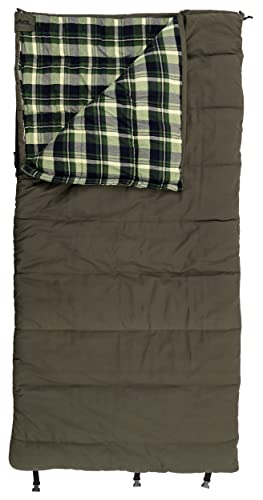
ALPS OutdoorZ Redwood -25 Sleeping Bag
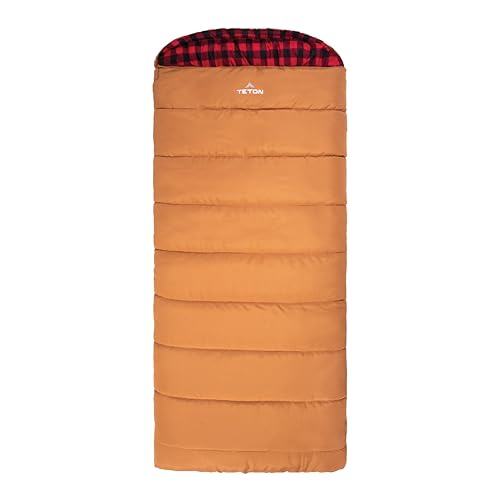
TETON Sports Deer Hunter Sleeping Bag

ORTHOMTEX Waterproof Sleeping Bag
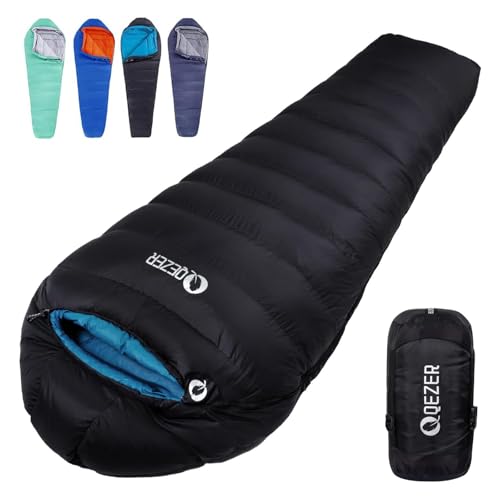
QEZER Down Mummy 600 Fill Sleeping Bag

TANSTRIDER XXL Flannel Sleeping Bag
A Breakdown Of The Leading Choices
The Redwood earns its place at the top of the cold-side lineup with a generous oversized rectangle cut and serious loft built for nights that bite hard. While the TETON Deer Hunter leans toward canvas durability for truck-camp comfort, this ALPS bag goes the other direction, stacking dense synthetic fill against a deep-cold rating in a shape that gives you room to shift without losing heat.
Where it works hardest is late-season deer, elk, or hog hunting in a ground blind or a small wall tent where temperatures drop well below freezing. The oversized cut is a genuine comfort win for restless sleepers, and the heavy fill means you can leave the heavy base layers in the pack on calmer nights.
Where It Excels
- Oversized rectangle footprint lets you stretch, turn, and store gear inside without compressing fill
- Heavy synthetic loft (a layered construction of short micro-denier fibers with a slick finish that traps warm air) targets sub-zero bivy nights
- Generous interior suits broad-shouldered hunters who feel pinched in standard mummy bags
- Rectangular shape doubles as a quilt on warm evenings, opening up shoulder-season versatility
- Synthetic fill keeps insulating performance when damp, useful for wet snow or condensation in tents
Things To Consider
- Bulk and pack size run large compared to the QEZER down option, making it a poor fit for long backcountry hauls
- Rectangle shape sheds heat faster than a snug mummy cut in still, frigid air
- Heavier fabric takes longer to dry after a wet night
Feature Snapshot
Whose Blind It Belongs In
Hunters chasing late-season deer or elk in regions where overnight lows plunge well below freezing, especially restless sleepers who feel cramped in a mummy.
Consider Something Else When
The TETON Sports Deer Hunter Sleeping Bag suits folks hunting from a heated truck cab or canvas wall tent who want a softer, more breathable shell than synthetic.
The Deer Hunter is the truck-camp classic of this list. Where the ALPS Redwood targets frost-bite still hunting with raw loft, this TETON swaps synthetic-heavy bulk for a poly-cotton canvas shell that breathes and softens with use. The mummy hood cinches around your head, and the fill is rated for below-freezing nights.
For folks who base out of a wall tent, a cabin, or a truck-bed platform, the canvas shell shrugs off abrasion from firewood, gear crates, and dog paws in ways a slick nylon bag won’t. It’s the kind of bag that feels like furniture after a long day on a treestand.
Bright Spots
- Durable poly-cotton canvas shell tolerates rough base-camp handling
- Cinchable mummy hood seals warmth around the head and face
- Synthetic fiber fill holds insulating value in damp tent environments
- Rectangular interior feels roomier than most hooded mummy bags
- Breathable weave reduces clammy condensation on milder nights
Worth Noting
- Canvas shell is heavier and bulkier than the lightweight QEZER down
- Not the best choice for pack-in hunting beyond a few miles
- Dries slowly once soaked
Whose Shelf It Belongs On
Hunters who base out of a cabin, wall tent, or truck sleeper and want a forgiving, durable bag that handles years of season after season without feeling precious.
Reach For A Different Pick When
The QEZER Down Mummy 600 Fill Sleeping Bag is a smarter grab for hunters logging serious backcountry miles where pack weight matters more than shell toughness.
The ORTHOMTEX lands in the middle of this list because it covers more shoulder-season territory than the dedicated cold-weather picks above. The rated temperature spans roughly 0°F down to about 25°F depending on conditions, and the shell uses a waterproof construction to keep damp ground from soaking through on rainy autumn hunts.
Versatility is the real story here. Early fall turkey hunters, late-spring hog hunters, and shoulder-season deer folks who don’t need the -25°F ceiling of the ALPS Redwood get a comfortable 3-to-4-season bag at a noticeably lighter carry weight. It’s also the kind of bag a younger hunter can grow into rather than out of.
Where It Delivers
- Waterproof shell keeps condensation and damp soil from soaking the fill
- 3-to-4-season rating covers most U.S. hunting climates outside deep winter
- Polyester build resists mildew in long storage between trips
- Lighter carry weight than the canvas TETON or heavy-fill ALPS options
- Budget-friendly entry point for newer hunters building a kit
Points To Keep In Mind
- Not built for the same deep-cold stretch as the ALPS Redwood
- Synthetic fill runs heavier per degree of warmth than a comparable down bag
- Comfort rating assumes dry conditions and a sleeping pad underneath
Quick Facts
Right Fit For
Beginner-to-intermediate hunters who want one bag that handles most seasons outside deep winter, especially on damp, rainy trips where waterproofing matters more than peak loft.
Look Elsewhere When
The ALPS OutdoorZ Redwood -25 Sleeping Bag is the smarter call for late-season hunts where temps plunge well below zero night after night.
Of the five picks, the QEZER is the bag you’d rather carry five miles into a basin than any other. Down fill is measured by fill power, a number that describes how many cubic inches one ounce of down lofts. At 600 fill power (a solid mid-range rating) and a snug mummy cut, this bag trades the bulky comfort of the ALPS Redwood and TETON Deer Hunter for serious packability.
Spot-and-stalk hunters, backpackers chasing high-country mulies, and DIY public-landers covering real mileage will appreciate how little space it eats in a pack. The downside shows up the moment you tear the shell or get caught in rain, since down loses loft when soaked.
Reasons It Performs
- 600-fill down (a mid-range loft rating) compresses small for long-mileage packs
- Mummy cut reduces dead air space and boosts warmth-to-weight efficiency
- Significantly lighter carry than the canvas TETON or oversized ALPS
- Shoulder cinch and hood seals trap heat where sleepers lose it most
- Stuffs down quickly for fast bivy setups after dark
Trade Offs
- Down fill loses loft when wet and dries slowly without sun or a dryer
- Mummy shape is restrictive for restless sleepers used to rectangular bags
- Lightweight shell fabric is more puncture-prone around thorny ground cover
Spec Overview
Made For
Backcountry hunters logging real miles on foot who need warmth that disappears in a pack and don’t mind a snug mummy fit.
Skip It When
The TANSTRIDER XXL Flannel Sleeping Bag is a better match for big-and-tall hunters who feel pinned down by a tight mummy cut.
The TANSTRIDER rounds out this list as the roomy option for hunters who simply don’t fit comfortably in standard-issue sleeping bags. At roughly 90 inches long and 39 inches wide, with a flannel-lined interior and a comfort zone in the 40°F to 45°F range, this bag solves a real problem for big-and-tall outdoorsmen.
The flannel lining is the standout detail, soft against bare skin during late-season nights when you strip down inside the bag. It also happens to be machine-washable, which matters on a long trip when camp hygiene drifts. The trade-off is bulk and weight, roughly 6.2 pounds of carry, that hunters packing light won’t love.
Notable Gains
- Oversized 90.5-inch length and 39-inch width fit taller and broader frames comfortably
- Flannel lining adds soft, skin-friendly warmth on cold nights
- Waterproof shell keeps condensation from soaking the fill
- Machine-washable construction simplifies post-trip cleaning
- 4-season rated versatility across shoulder hunts
A Few Limitations
- Heavier carry weight (about 6.2 lbs) than the down QEZER or even the ALPS Redwood
- Comfort range tops out around 45°F, so it falls short of true deep-winter cold
- Bulkier pack footprint crowds the inside of a frame pack
Perfect Match For
Big-and-tall hunters and broad-shouldered outdoorsmen who feel pinned by standard mummy cuts and want a soft, roomy bag for fall and early winter trips.
Swap It Out When
The QEZER Down Mummy 600 Fill Sleeping Bag is a smarter grab when backcountry pack weight matters more than interior space.
Matching A Bag To The Way You Hunt
Temperature rating anchors every decision, but shape and weight decide whether you actually use the bag you bought. Late-season deer hunters parked in a wall tent for a week care more about loft and shell durability than packability, while DIY backpackers chasing high-country elk need warmth that disappears inside a 65-liter frame.
Insulation type shapes the rest. Down fill (clusters of fine feathers from geese or ducks) wins on warmth-to-weight and pack size, but it tanks the moment it gets wet. Synthetic fill (man-made fibers engineered to mimic down’s loft) keeps insulating when damp and costs less. Pick down for dry, cold, pack-in hunts and synthetic for damp shoulder seasons or budget builds.
Weight shows up next. Anything over 5 pounds starts to feel on long approaches, especially with boots, optics, and food already loaded. Under 3 pounds is realistic only with mid-range down or a temperature rating that tops out around freezing. Comfort range ratings (the temperature at which most sleepers stay comfortable) differ from survival ratings (the temperature at which the bag keeps you alive), so trust the comfort number, not the survival number, when sizing a bag.
Hood and zipper design matter more than they sound. A cinchable hood seals the biggest heat-loss point on your body, and a draft tube along the zipper (an insulated flap behind the zipper that blocks cold air from sneaking through the teeth) keeps cold air from sneaking in along the teeth. Skimp on either, and a 0°F-rated bag feels like a 25°F bag in the field.
Smart Shopping Notes Before You Commit
Pitfalls Worth Skirting
The most common hunting sleeping bag mistake is chasing the lowest temperature rating on the shelf. A bag rated to -40°F will cook you alive in a 30°F November deer camp, and a heavy -25°F synthetic feels like carrying a couch cushion for miles. Buy for the temps you actually hunt in, with a small safety margin, rather than the coldest number on the spec sheet.
Another trap is trusting a “survival” rating over a “comfort” rating. Survival ratings describe a bag that keeps you alive, not one that lets you sleep. For hunting, sleep matters, since a rested hunter glassing at dawn sees more than a shivering one. Look for the comfort number first and treat the survival number as worst-case backup.
Finally, never skip the sleeping pad underneath. A bag insulates only as well as the ground allows, and bare frozen earth pulls heat from your body faster than cold air ever does. Pair any bag on this list with an insulated pad rated to the same temperatures, or the loft you’re paying for goes to waste.
Where The Extra Money Goes
Stepping up to a higher-priced hunting sleeping bag usually means better fill, smarter construction, and longer service life. Down fill with higher fill power (say, 800 instead of 600) gives you more warmth per ounce and a smaller packed size, which is why premium backpacking bags cost what they do.
Construction quality also shows up in the details that aren’t always obvious from a spec sheet. Stitching that holds baffles in place without cold spots, draft tubes that actually seal against the zipper teeth, and shell fabrics that block wind without suffocating loft all add up. A premium bag that lasts ten seasons costs less per season than a budget bag that delaminates after three.
The upgrade is worth it for hunters who log serious nights outdoors. For casual hunters who pack out once or twice a year, mid-range options cover most of the same scenarios at a fraction of the price.
Frequently Asked Questions
What temperature rating should I look for in a hunting sleeping bag?
Match the rating to your typical overnight lows with a small buffer. For most U.S. fall hunting, a bag rated to about 20°F handles the worst nights while staying versatile enough for early-season trips.
Is down or synthetic insulation better for hunting?
Down wins on warmth-to-weight and pack size, but loses loft when wet, so it suits dry cold-weather trips. Synthetic keeps insulating when damp, costs less, and handles shoulder-season rain and snow better.
Do I need a mummy bag for hunting?
A mummy cut is lighter and warmer per ounce, ideal for backcountry hunts. A rectangular bag is comfier for base-camp use, restless sleepers, and broad-shouldered hunters who feel pinched in tight cuts.
How important is the sleeping pad underneath?
It matters more than most hunters realize. The ground pulls heat from your body faster than cold air does, and an uninsulated pad can drop your effective bag warmth by 15 to 20 degrees.
Can I use a regular camping sleeping bag for hunting?
Often, yes, especially for truck-camp or cabin hunts in mild weather. Dedicated hunting bags add durable shells, roomier cuts, and features like cinchable hoods that matter when you’re sleeping in a wall tent or bivy.