
A good trail camera does more than take pictures. It tells you when deer are moving, which trails the hogs favor, and whether your food plot is pulling the right kind of attention. The wrong pick drains batteries, misses the action after dark, or buries you in useless SD-card photos you’ll never sort through.
This roundup focuses on seven current hunting trail cameras that balance image quality, trigger reliability, and the kind of remote-access features that actually matter in the field. Whether you manage a small lease or a wide backcountry property, the right pick here should fit how you actually hunt.
The Leading Options At A Glance
Zonetiger 4G LTE Cellular Solar Trail Camera 64MP 4K

GardePro A3S 2-Pack Trail Camera 64MP 1296P
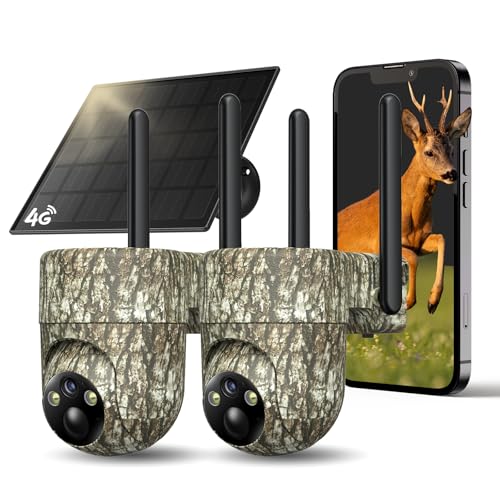
TKENPRO 4G LTE Cellular Trail Camera 360° Live Stream
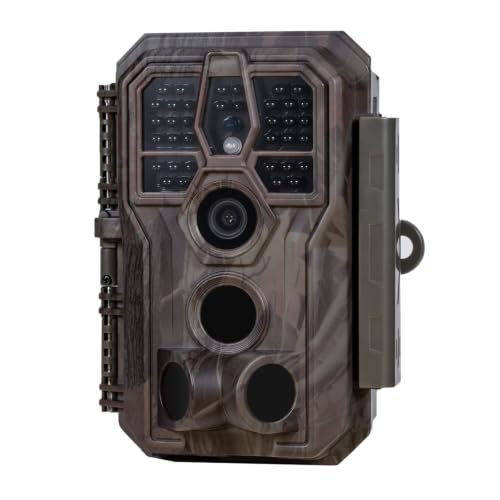
GardePro E5S Trail Camera 64MP 1296P

Cadrali Solar 4G LTE Trail Camera 4K 64MP

GardePro E6+ WiFi Bluetooth Trail Camera Dual Antennas
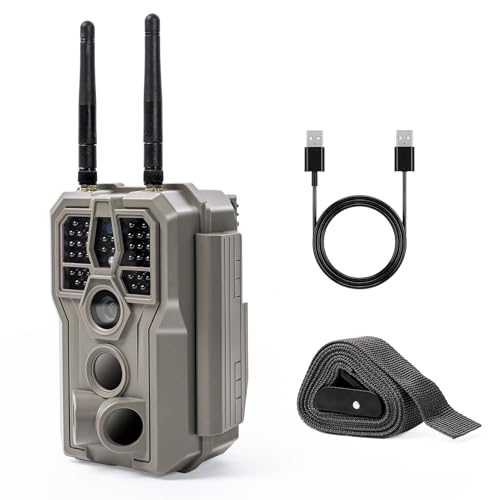
GardePro E8 2.0 WiFi Bluetooth Trail Camera 4K Dual Antennas
The Picks, Examined More Closely
Remote acreage hunters tend to ask the same question: how do you check a camera without driving two hours back to the lease. The Zonetiger 4G LTE Cellular Trail Camera answers that with a year of included photo data and a solar panel that keeps the internal battery topped up between visits. It captures 64MP stills and 4K video, with automatic network switching that locks onto the strongest available LTE carrier in your area.
For the hunter running multiple cameras across a large property, GPS tagging on each photo helps you confirm which unit caught which buck. App control handles settings, previews, and remote triggering without a Wi-Fi router in the middle of the woods.
What Earns Its Place
- Built-in solar panel extends field time between manual battery swaps
- Auto-switching LTE keeps the camera online across different regions
- GPS coordinates tag each photo, useful when running a camera grid
- No home Wi-Fi required, so placement stays flexible in remote cover
Trade-Offs Worth Weighing
- Video transfer and live view require an optional paid app tier beyond the free year of photo data
- Solar top-up depends on placement getting honest sun, so dense canopy can shorten runtime
Built With Remote Properties In Mind
Outfitters and food-plot managers who can’t check cameras every week get the most from the included cellular data and solar assist.
Reach For A Different Pick When
Hunters who prefer walking up to a camera with a phone rather than paying for any data plan should consider the GardePro E6+ WiFi Bluetooth Trail Camera instead.
Most serious hunters want at least two cameras: one watching a travel corridor, another pointed at a scrape or feeder. The GardePro A3S 2-Pack solves that with a Sony Starvis sensor (a back-illuminated image chip tuned for sharper low-light capture) inside each unit and a 1296P video stream that records sound. Night vision stretches out to about 100 feet, which covers most food-plot edges.
Compared to the Zonetiger at the top of this list, the A3S pair gives up remote access in exchange for sharper after-dark detail. Hunters who like to physically swap SD cards and review footage at home tend to prefer that trade.
Strong Points
- Sony Starvis sensor pulls cleaner images around dusk and predawn
- Two-camera bundle covers multiple stand locations on day one
- Audio recording captures rubs and grunts alongside video clips
Things To Consider
- Requires manual SD-card retrieval since there’s no wireless transfer
- Battery swaps come more often in high-traffic zones, so carry spares
- No cellular delivery means you only know what passed through after you check
Key Attributes
Whose Trail This Belongs On
Hunters running two or more stand sites on a single lease get the most value from the bundle format and the low-light sensor.
A Better Fit Elsewhere
Out-of-state hunters who can’t visit their property monthly should look at the Zonetiger 4G LTE Cellular Solar Trail Camera for remote delivery.
The TKENPRO 4G LTE Cellular Trail Camera leans hard into the live-view side of the category. A built-in SIM (a pre-installed cellular chip, no separate card needed) locks onto the strongest 4G signal in range, and the 360° pan-style design lets you sweep the scene remotely rather than committing to a fixed lens angle. Seven days of unlimited data kick in after first activation, with paid top-ups after that.
The wide-angle, app-driven experience suits security-minded property owners as much as hunters who want eyes on a feeder around the clock.
Useful Highlights
- 360° remote pan opens up coverage from a single mount point
- Pre-installed SIM skips the carrier setup most cellular cameras require
- Live streaming lets you confirm movement without driving out
- Solar assist reduces trips to swap batteries
Soft Spots Worth Noting
- Continuous live streaming drains the battery faster than standard trigger-only use
- Pan mechanism adds moving parts that may wear in harsher climates
Right Fit For
Hunters who treat a camera like a remote pair of eyes, watching a feeder or a gate in real time, get the most out of the live-stream feature.
Skip It When
Hunters focused on low-light still photos should consider the GardePro A3S 2-Pack Trail Camera for its Sony Starvis sensor.
Not every hunter wants a phone app, a data plan, or a Bluetooth handshake. The GardePro E5S Trail Camera strips all of that out and focuses on capturing sharp 64MP stills and 1296P video straight to an SD card. Owners walk up, swap cards, and review at home. That’s the whole workflow.
Non-cellular, non-Wi-Fi operation also means lower power draw, so the same set of batteries runs longer than most connected cameras. The E5S sits in a useful middle spot between bare-bones scouting cams and the connected picks above.
What Works In Its Favor
- Zero subscriptions or app accounts to manage
- Lower power draw stretches battery life across multi-week sits
- SD-card workflow keeps things simple for hunters who like reviewing at the kitchen table
- 64MP detail holds up when zooming on antler points in post
Honest Caveats
- No remote access means you’ll only know what walked past once you check
- Manual SD-card swaps require physical trips to each camera site
Feature Snapshot
Best Suited To
Hunters with nearby leases who don’t mind weekly check-ins get the simplest possible ownership experience here.
Where Another Pick Suits Better
Hunters managing remote property without easy access should look at the Cadrali Solar 4G LTE Trail Camera for solar-assisted remote delivery.
Weather takes a toll on trail cameras. Rain, snow, and summer humidity wear down gaskets and fog lenses over a couple of seasons. The Cadrali Solar 4G LTE Trail Camera addresses that with a waterproof housing, a built-in solar panel, and 4K live video delivered over LTE. The motion-activated trigger fires day or night, and remote access through the phone app lets you check stands without driving out.
Hunters in the Southeast, the Pacific Northwest, or anywhere with serious rainfall get the most from the sealed body. The solar assist also cuts down on mid-season battery swaps during summer scouting.
Features That Help
- Sealed waterproof housing handles wet climates and snow
- Solar panel keeps the unit charged through long summer sits
- 4K live streaming delivers sharper remote footage than 1080P options
- Motion activation conserves power between actual animal passes
Points To Keep In Mind
- LTE service requires cellular coverage at the mount site, with no signal meaning no remote delivery
- Solar panel needs direct sun, so shaded creek bottoms may still need battery swaps
Quick Technical Notes
Who Should Grab It
Hunters in wet or variable climates who want a set-and-forget camera with remote delivery get a strong match here.
Look Elsewhere When
Hunters working small woodlots with no LTE signal should consider the GardePro E5S Trail Camera for its subscription-free simplicity.
Cellular plans and SIM cards aren’t for everyone. The GardePro E6+ uses low-power Wi-Fi plus Bluetooth, paired to a free app, so you can pull previews and adjust settings by walking within range. Dual antennas extend the practical connection out to about 165 feet in open air, though walls, metal, and heavy brush will cut that down.
This approach avoids monthly fees entirely. The E6+ doesn’t connect to home routers or cellular networks, just your phone, which keeps things simple for hunters who don’t want another subscription.
The Good Stuff
- No monthly fees or data plans to manage
- Dual antennas boost the working range for in-field previews
- Bluetooth pairing simplifies the initial phone connection
- Low-power Wi-Fi sips battery compared to cellular radios
Less-Strong Areas
- Connection range shrinks fast through metal, walls, or dense foliage
- Walk-up access only, no remote delivery from miles away
- Useful signal drops noticeably in thick pine or hardwood cover
Made For
Hunters who like to walk past their cameras, preview shots on the phone, and skip cellular subscriptions get the cleanest workflow here.
Swap It Out When
Hunters needing true off-site delivery should step up to the Zonetiger 4G LTE Cellular Solar Trail Camera.
Detail-obsessed hunters want every tine and hair pattern readable in review. The GardePro E8 2.0 steps the resolution up to 4K video while keeping the same low-power Wi-Fi and Bluetooth approach as the E6+ below it. Dual antennas carry the connection across open ground, and the free GardePro Mobile app handles settings and previews.
You still don’t get home-router or cellular delivery. The trade is sharper footage without the subscription overhead, which suits hunters who review clips closely but stay within reasonable walking distance.
Useful Touches
- 4K video resolution pulls more detail than 1080P or 1296P options
- Dual antennas extend the practical walk-up range
- Free app with no monthly fee keeps ownership costs flat
- Bluetooth simplifies the first-time pairing sequence
Points To Weigh
- Wi-Fi only, so remote delivery from miles away isn’t possible
- Higher resolution clips fill SD cards faster than lower-res settings
The Main Details
Who Will Love This
Hunters who review footage frame by frame and want sharper clips without paying monthly cellular fees get the most from the E8 2.0.
Not Your Match When
Hunters managing leases far from home should look at the Cadrali Solar 4G LTE Trail Camera for genuine remote delivery.
What Matters Most Before Choosing Hunting Trail Cameras
Trigger Speed And Recovery Time
Trigger speed, the gap between an animal crossing the detection zone and the camera firing, decides whether you get a usable photo or a blank frame with a retreating tail. Look for sub-half-second triggers when you’re patterning fast movers like coyotes or yearling bucks. Recovery time matters almost as much: how fast the camera is ready for the next shot after firing determines whether you get two deer or one deer and empty frames.
Image Quality And Night Vision
Megapixel count gets attention, but sensor quality drives actual results. Sony Starvis sensors and similar back-illuminated chips (sensors wired so more light reaches the photodiodes, improving low-light capture) outperform older sensors in dim predawn hours. For night vision, infrared flash range between 80 and 100 feet covers most food-plot edges, and “no-glow” flash keeps cameras from spooking mature animals that have learned to associate red glows with human presence.
Connectivity And Power Trade-Offs
Cellular cameras deliver photos straight to your phone but lock you into data plans and signal-coverage maps. SD-card-only cameras stay simple but require weekly visits. Walk-up Wi-Fi models split the difference. Match the connectivity to your hunting rhythm: remote out-of-state hunters benefit most from cellular, while local lease hunters often save money with non-connected options.
Power And Weather Resistance
Battery life varies wildly based on trigger volume and connected features. Solar panels extend runtime in open cover but help less under dense canopy. Weather sealing matters more in wet regions, where unsealed housings fog up within a season or two.
Key Considerations Across These Picks
Mistakes Worth Dodging
The single biggest trap in this category is choosing connectivity you won’t actually use. Hunters on small local leases frequently overpay for cellular plans they forget to cancel, while out-of-state hunters under-buy with SD-card-only cameras and end up driving out for empty SD swaps. Match the camera to your visit pattern rather than chasing features on paper. Also worth avoiding: assuming megapixel count alone drives photo quality. Sensor design and lens quality matter more in real-world low-light conditions.
Where The Extra Money Goes
Higher-tier models in this roundup buy three things: better low-light sensors, sharper video resolution (4K versus 1296P), and more reliable wireless connectivity. For hunters running cameras in dim oak flats or predawn bedding areas, the sensor upgrade pays off in cleaner photos. For hunters reviewing footage on a big monitor, 4K is worth the step up. Hunters who already know their stand sites and only need confirmation photos can save money with the simpler picks in the middle of this list.
Frequently Asked Questions
How far should a trail camera see at night?
Most hunting trail cameras with quality infrared flash reach 80 to 100 feet in total darkness. Performance drops off in heavy cover or rain, so consider the actual distance from your typical camera placement to the trail you want to monitor.
Do cellular trail cameras really work without Wi-Fi?
Yes, cellular trail cameras use LTE signals from cell towers, the same networks your phone uses away from home. They don’t need a Wi-Fi router, but they do need a data plan and signal coverage at the mount site.
How long do batteries last in a trail camera?
Battery life varies from a few weeks to several months depending on trigger volume, photo versus video settings, and whether the camera uses connected features. Cellular and live-streaming use far more power than SD-card-only operation, with solar panels extending runtime in open sun.
Can trail cameras handle winter weather?
Most current models handle rain and snow fine. Look for sealed or waterproof housings, especially in wet climates, and expect battery performance to drop in freezing temperatures, which is normal for lithium cells.
Is 4K video worth it on a trail camera?
For hunters who review footage closely to score deer or study behavior, 4K adds real detail. Casual scouts checking for “something walked past” often find 1296P perfectly adequate, and 4K clips fill SD cards faster, which matters for non-cellular setups.