
Long days on the bike, dusty trail runs, and summer festivals all share one quiet problem: staying hydrated without breaking stride. The right hydration bag keeps water accessible, weight balanced, and gear organized so you can stay focused on movement. These five picks span mountain biking, trail running, day hiking, and tactical use, each built around a different style of outdoor effort.
The Picks In Brief
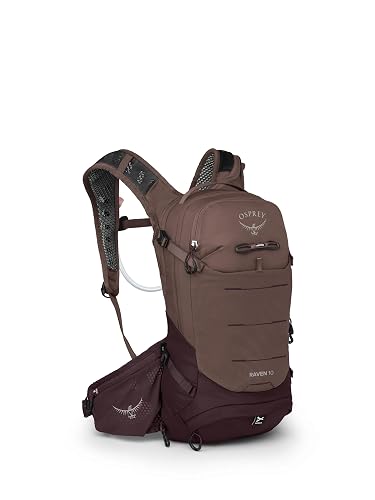
Osprey Raven 10L Women’s Mountain Biking Backpack with Hydraulics Reservoir
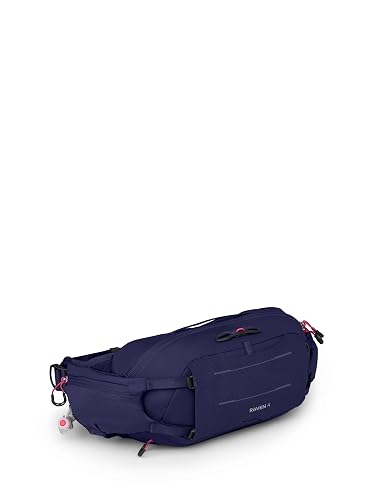
Osprey Raven 4L Women’s Mountain Biking Backpack with Hydraulics Reservoir

Unigear Tactical Hydration Backpack with 3L Water Bladder
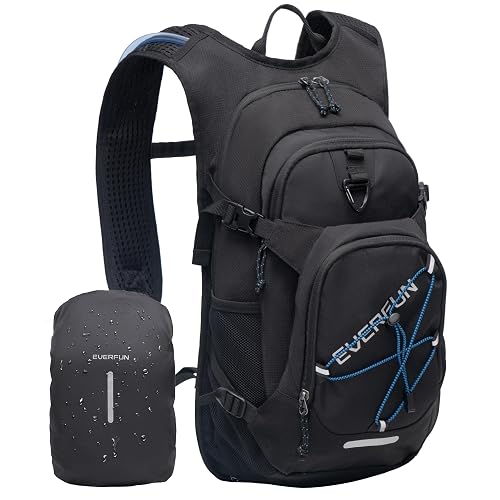
Everfun Hydration Backpack 18L with Water Bladder 2L/3L
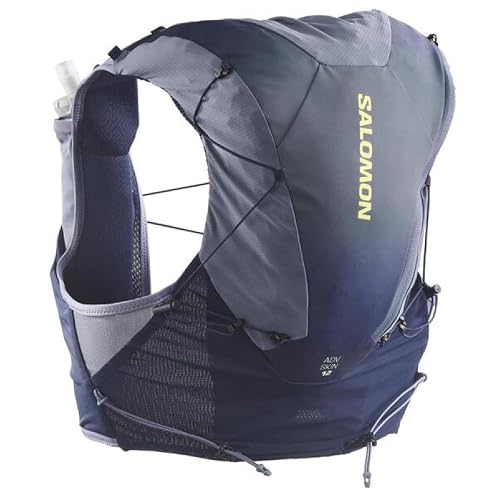
Salomon Unisex Advance Skin 12 Hydration Trail Running Vest
Inside Each Recommended Option
The Osprey Raven 10L is built for riders who log long hours on the saddle and want a pack that disappears once pedaling starts. The bike-specific winged shoulder harness wraps the torso snugly, and the airmesh hipbelt (a padded belt with breathable mesh that wraps the hips) keeps the load planted over rough descents. Osprey has clearly tuned the fit for women’s geometry, with shorter back panels and contoured straps.
On a full-day ride you can stash a layer, snacks, tools, and a full hydration reservoir without the pack flopping around. Compared with the smaller Raven 4L below, this version trades minimalism for genuine carrying capacity, which most trail riders eventually want.
The Practical Payoff
- Winged harness and hipbelt reduce bounce on technical terrain
- Included Hydraulics reservoir (a built-in water bladder with hose) means drinking on the move stays simple
- 10L volume swallows a shell, multi-tool, tube, and snacks
- Internal organizer panel keeps tubes, keys, and tools separated
- Women’s-specific sizing improves comfort on longer rides
Points To Keep In Mind
- Fuller fit runs warm on hot climbs due to the close harness wrap
- Hydration sleeves tend to need occasional cleaning to prevent mildew, depending on storage habits
- Heavier than the 4L sibling when fully loaded
Key Attributes
Who It Suits Best
Riders tackling all-day trail sessions and bike-park laps who want a stable, women’s-tuned pack with room for real gear.
Look Elsewhere When
The Osprey Raven 4L is the better call for minimalist riders who only want water and a tube on short, fast spins.
Where the Raven 10L above is a hauling pack, the 4L sibling is a focused tool. Osprey trimmed everything that isn’t essential: small essentials, hydration, and a close-to-body carry that won’t shift on fast descents. The lumbar-style fit shifts weight to the lower back, which keeps the chest open for breathing on hot climbs.
For after-work loops and short trail sessions, this is the kind of pack you forget you are wearing. The trade-off is obvious: there is no room for a jacket or a real lunch, so longer rides still call for the bigger Raven.
Reasons It Performs
- Lumbar carry keeps weight low and stable on technical terrain
- Compact 4L size is ideal for fast, short rides
- Included Hydraulics reservoir, no extras to buy
- Women’s-specific strap shaping reduces shoulder pinch
Worth Bearing In Mind
- Storage is too tight for a full extra layer or substantial food
- Reservoir hose routing can feel short for very tall riders, depending on torso length
Who Will Love This
Riders who want a minimalist, low-bounce pack for short trail sessions and quick post-work rides.
Swap It Out When
The Osprey Raven 10L suits anyone needing to carry a jacket, food, and tools on full-day rides.
The Unigear Tactical Hydration Backpack is built for people who treat their gear roughly. Where the Osprey packs above are tuned for bike geometry, this one leans into hunting, climbing, and range-day use. The 1050D nylon shell is heavy by hydration-pack standards, and that is the point: it shrugs off brush, scrapes, and falls.
The 3L bladder sits inside a thermal sleeve (an insulated pocket that helps slow temperature change in the water), and an external fill port lets you top off without pulling the bladder out. The Molle webbing (rows of stitched loops on the outside for clipping extra pouches) accepts extra pouches, so you can scale capacity for longer outings.
Features That Help
- 1050D nylon main fabric resists tears and abrasion
- Thermal insulation in the bladder compartment helps keep water cooler in summer
- External fill port with handle simplifies mid-day refills
- Molle-compatible exterior accepts add-on pouches
Small Caveats
- Heavier than most bike-focused hydration bags
- Profile is bulky, less suited to fast trail running
Built With In Mind
Hunters, climbers, and range users who want a tough, modular hydration pack that handles rough outdoor conditions.
Another Choice May Suit
The Salomon Advance Skin 12 is a better match for trail runners who need a vest-style, low-bounce fit.
The Everfun 18L is the storage leader of this list, and it shows. With roughly 18.5 x 10.5 x 6 inches of usable space, the pack holds clothing, a first-aid kit, food, and personal items without needing external attachments. Eight functional pockets keep smaller essentials reachable, and the main compartment includes a zippered mesh pouch for valuables.
For day hikes, festival weekends, and casual trail outings where capacity matters more than weight, this is a strong everyday option. The 2L/3L bladder choice is helpful: pick the larger reservoir for hot days and the smaller one when you want to keep the pack light.
What Pays Off
- 18L main compartment swallows full-day gear
- Multiple pockets including a velvet-lined pouch for phones or sunglasses
- Insulated hydration sleeve slows heat transfer into the bladder
- Front quick-access pocket keeps keys and ID within reach
Trade-Offs
- Larger size can feel excessive on short hikes
- More pockets mean more places to forget small items between uses
- Not bike-specific, so fit is less tuned for long rides than the Osprey options
Right Fit For
Day hikers, festival-goers, and casual riders who want maximum storage and organization at an accessible price point.
Reach For A Different Pick When
You need a women-specific, bike-tuned pack, in which case the Osprey Raven 10L is a better match.
The Salomon Advance Skin 12 is the most specialized pack in this lineup, and it shows. Designed for trail runners logging long miles, the vest-style fit moves with the body rather than riding on the back like a traditional pack. The 12L volume is targeted at endurance efforts around 60km and beyond, where you need fuel, layers, and water without adding swing weight.
Front soft-flask pockets (small, flexible water bottles worn on the chest straps) let you sip without breaking stride, and stretch compartments hold gels, a shell, and a phone. Compared with the Everfun 18L, this is a focused running tool, not a generalist day pack.
Positive Takeaways
- Vest-style construction keeps weight close to the body for running stability
- Front flask pockets allow mid-stride hydration
- 12L capacity is tuned for long trail runs and ultras
- Lightweight materials reduce fatigue over distance
Honest Caveats
- Fit is highly specific to running, less useful for hiking or casual use
- Smaller storage footprint than larger hiking-focused packs
Feature Snapshot
Made For
Trail runners and ultra athletes who want a vest-style hydration system for long-distance training and racing.
Where Another Pick Suits Better
The Everfun 18L fits day hikers and festival-goers better, since it offers more general-purpose storage.
What To Weigh Before Choosing Hydration Bags
Capacity Versus Carry Style
Capacity (how much liquid and gear a pack holds) is the first decision, but the second decision matters more: where that capacity sits on your body. Lumbar packs keep weight low for bike stability, while vest-style packs distribute weight high for running efficiency. Match the carry style to the activity, not just the liter count.
Reservoir Versus Soft Flask
A reservoir (an internal water bladder with a drinking hose) is convenient for long sips without breaking pace, but cleaning is part of ownership. Soft flasks are simpler to wash and dry between runs, and they let you swap fluids mid-effort. For multi-hour efforts, reservoirs usually win. For quick training runs, flasks are often enough.
Fit, Stability, And Torso Length
Women’s-specific and unisex packs differ mainly in strap geometry, back-panel length, and harness shape. A pack that fits one torso length may pinch or shift on another. For most riders and runners, a snug hipbelt and a close-to-body chest profile reduce bounce far more than raw liter count.
Material And Long-Term Durability
Heavier denier nylons (denier refers to the thickness of the fabric threads, where higher numbers mean tougher material) such as 1050D resist abrasion but add weight. Lighter packs breathe better and feel faster, though they may show wear sooner under hard use. Choose based on how rough your outings actually get.
Smart Choices Before You Buy
Common Slip Ups To Dodge
A frequent mistake is buying a pack sized for capacity rather than activity. An 18L day-hike pack on a fast trail run feels like a parachute, and a 4L bike pack on a full-day ride leaves you with nowhere to put a jacket. Match the pack to the activity first, and to capacity second.
When Paying Up Pays Off
Higher-tier packs generally invest in fabric weight, harness engineering, and bladder quality. The jump shows up over time as a pack that fits better, breathes better, and lasts through multiple seasons of hard use. For daily riders and frequent runners, that upgrade tends to pay for itself in comfort alone.
Frequently Asked Questions
How much water do I need in a hydration bag?
Most day hikes and rides call for 2 to 3 liters of water, which is enough for a few hours in moderate heat. Longer efforts in hot conditions may need 3 liters plus refill points along the route.
Are hydration bags better than handheld bottles?
Hydration bags free up the hands and spread weight across the back or chest, which helps on long efforts. Handheld bottles are simpler, easier to clean, and often enough for short runs and rides.
How do I clean a hydration bladder?
Most reservoirs clean well with warm water, mild soap, and a long brush designed for drinking tubes. Hanging the bladder open to air-dry between uses helps prevent mildew and lingering tastes.
Can I use a hydration bag for running and cycling?
Some packs handle both, but bike-specific and run-specific fits are tuned differently. For best comfort, match the harness style to your main activity rather than splitting the difference.
What is the difference between a hydration pack and a hydration vest?
A hydration pack rides on the back like a small backpack, while a hydration vest hugs the chest with front flask pockets. Vests are usually preferred for running because they reduce bounce and keep fluids easy to reach.
Wrap Up
The right hydration bag depends less on specs and more on how you actually move outside. Riders logging full days will appreciate the Osprey Raven 10L, while trail runners chasing long miles will feel right at home in the Salomon Advance Skin 12. For general day use, festival weekends, or hikes that demand extra storage, the Everfun 18L earns its place. Match the pack to the activity, and the rest tends to fall into place.