
A good hydration bladder turns into the piece of gear you forget you have. You drink on the move, your pack keeps its balance, and there’s nothing rattling around in your hip belt. The wrong bladder pinches, leaks, or tastes plasticky by mile three. With so many sizes, hose layouts, and closure styles out there, the practical question is simple: which one actually works with how you hike, run, or work outdoors? This roundup walks through seven reservoirs and accessories built for different styles of use, so you can match the bladder to your route rather than the other way around.
The Shortlist At A Glance
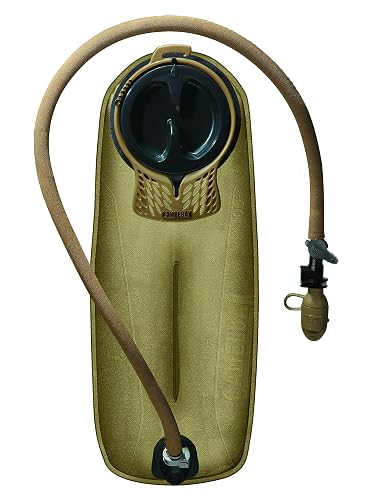
CamelBak Fusion Hydration Reservoir with TRU Zip
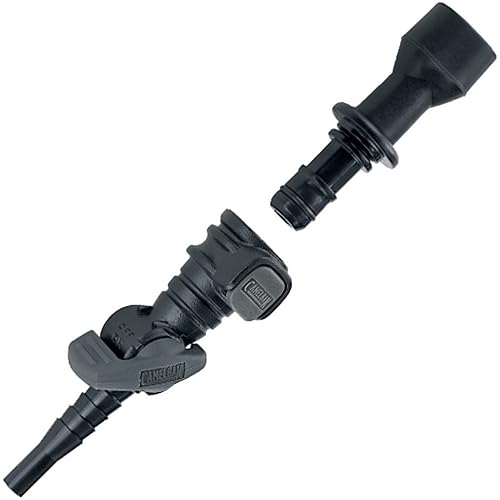
CamelBak HydroLock Tactical Conversion Kit
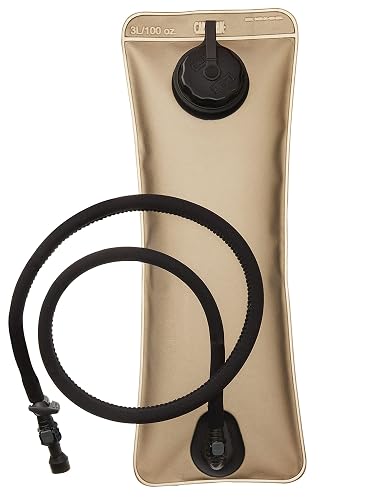
CamelBak Long Neck Hydration Reservoir, 3L
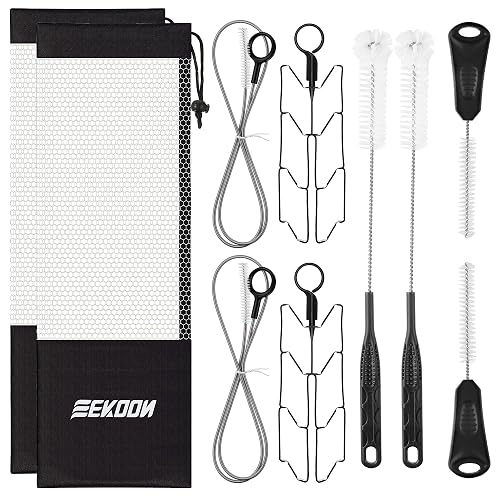
Feekoon Backpack Hydration Bladder Cleaning Kit

Water Buffalo Oasis 2L and 3L Hydration Bladder
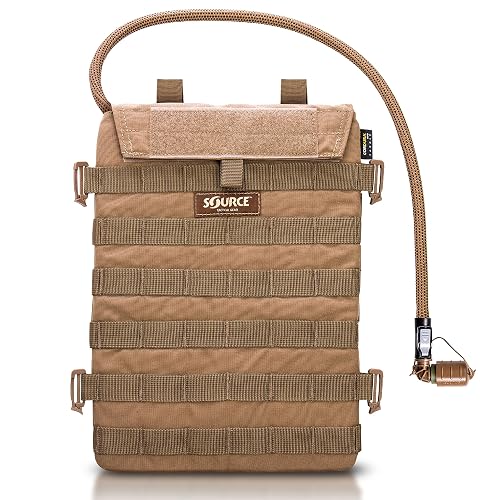
Source Razor 3L Low Profile Hydration Pack
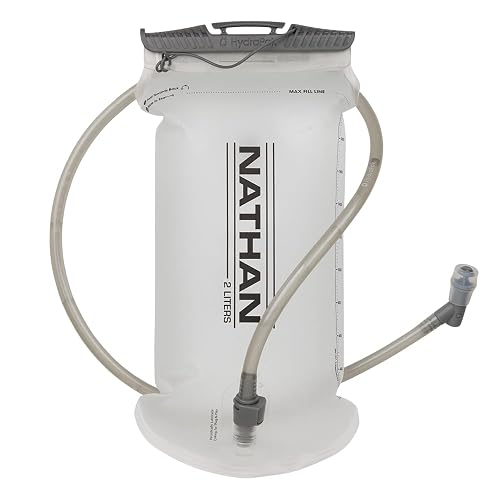
Nathan Hydration Bladder BPA Free 2L
Why These Options Stand Out
The CamelBak Fusion uses a TRU Zip waterproof closure, which is essentially a heavy-duty zipper with a sealed track. Compared to the slide-top designs on cheaper bladders, this kind of closure feels more like sealing a dry bag. The integrated handle and pinch grip make filling at a public fountain or kitchen sink a one-handed job, and the rigid backplate helps the reservoir slide into a pack without folding in on itself.
For trail hikers carrying a 25 to 45 liter pack, this bladder strikes a nice balance between capacity and weight. You don’t need to wrestle a rubbery bag into shape every time you refill. You also don’t need to babysit a finicky closure mid-route.
The Value In It
- TRU Zip closure keeps the seal secure, so leaks in your pack become rare
- Rigid backplate reduces the awkward balloon effect inside your pack
- One-handed fill and close works at any sink or hose
- Handle and pinch grip combo speeds up trail-side refills
- Durable welded construction handles regular weekly use
Things To Consider
- Zipper track needs an occasional rinse to stay grit-free
- Heavier than simple slide-top designs
- Wider opening footprint may not fit ultra-slim packs
Feature Snapshot
Right Fit For
Regular trail hikers and commuters who want a leak-resistant reservoir that opens and closes without a fight.
Look Elsewhere When
Runners chasing a featherweight setup should look at the Nathan Hydration Bladder, which is built for low-bulk movement.
This is not a full reservoir. It’s a conversion kit for anyone already running a MOLLE drink tube system, a modular webbing layout common on tactical vests, who wants CamelBak-style flow control. The HydroLock valve gives you positive on/off control, and the Big Bite valve delivers water when you bite down, with no suck required.
Compared to the CamelBak Fusion, which is a full reservoir, this kit is for users who already have a pack and just want to upgrade the drink tube. For tactical operators, range users, or anyone whose hands stay busy, the one-handed shutoff is the main draw.
Real Benefits
- One-handed shutoff means you can stop flow without putting gear down
- Big Bite valve cuts down on the suck effort needed for each sip
- MOLLE compatibility fits common tactical tube routing setups
- Compact kit ships light, so you add capability without bulk
Room For Improvement
- Doesn’t include a bladder, so it’s only useful with an existing system
- Bite valve can wear with heavy use and may need eventual replacement
Whose Shelf It Belongs On
Tactical and field users already running MOLLE drink tubes who want controlled flow without rebuilding their setup.
Reach For A Different Pick When
Hikers needing a complete reservoir from scratch should pick the CamelBak Fusion Hydration Reservoir instead.
The Long Neck reservoir is built around the older US Army hydration carrier spec, which means it drops into legacy tactical packs and military-style vests without adapters. The polyurethane body is radio-frequency welded, a process that fuses panels with high-frequency electrical energy rather than stitching or glue, which produces a clean, durable seam.
At 3 liters (100 oz), this is the high-capacity end of the list. For all-day field work or long ruck marches, the volume means fewer fill-ups. For weekend trail hikers, it might be more water than you actually need.
Everyday Perks
- 3L capacity covers long outings without refill stops
- Welded polyurethane seams resist splitting under pressure
- Long neck geometry fits legacy military-style carriers
- Proven spec for users who need compatibility with issued gear
- Tough enough for repeated field handling
Honest Caveats
- Larger volume means a heavier pack when full
- Legacy carrier focus means it isn’t optimized for slim civilian packs
Best Suited To
Military and tactical users carrying legacy hydration carriers who need a high-capacity, durable reservoir.
Swap It Out When
Day hikers wanting lighter carry should pick the Water Buffalo Oasis 2L and 3L Hydration Bladder, which is friendlier for civilian packs.
The Feekoon kit is the maintenance pick of the group. It bundles brushes sized for bladder interiors, tubes, and mouthpieces, so you can actually scrub the parts where biofilm, a thin layer of bacteria that clings to moist surfaces, tends to grow. Two soft-bristle brushes and a small mouthpiece brush come in the set, and the materials are flexible enough to reach corners without scratching the film.
Compared to picking up a single kitchen brush and hoping for the best, this kit is purpose-built. Owners of multiple bladders, or anyone who stores water overnight, will get regular use out of it. Anyone who only uses their bladder occasionally may find a single brush sufficient.
Points In Its Favor
- Brushes are sized for the tube, mouthpiece, and bladder interior
- Soft bristles clean without damaging bladder film
- Multi-piece kit covers the full cleaning workflow
- Works with most major bladder brands, including CamelBak and Source
Practical Considerations
- Brushes need their own drying time between uses to stay hygienic
- Larger kits take up pack drawer space
Quick Facts
Made For
Multi-bladder households and frequent users who want their reservoirs properly cleaned rather than just rinsed.
A Better Fit Elsewhere
Casual users who only refill from clean taps and replace bladders yearly may find a basic kitchen brush sufficient, so a full kit like this is overkill.
The Water Buffalo Oasis comes in both 2L and 3L sizes, made from TPU (thermoplastic polyurethane), a flexible, tough plastic often used in outdoor hydration gear for its balance of weight and durability. The wide opening makes filling at a kitchen tap painless, and the same opening makes post-trip cleaning straightforward. It fits most standard hydration sleeves, so it doesn’t require a brand-specific pack.
Where the CamelBak Fusion leans into a sealed zipper, this one focuses on simplicity. You won’t get a tactical MOLLE setup or a military-spec legacy fit, but for day hikers, gym users, and first-time bladder owners, that simplicity is the point.
Features That Help
- TPU body resists cracking compared to lower-grade plastics
- Wide mouth opening speeds up both filling and drying
- Two size options let you match capacity to outing length
- Fits most generic hydration sleeves without adaptation
Where It Is Less Suited
- Not built around military or legacy carrier specs
- Lacks the rigid backplate of the CamelBak Fusion
Feature Rundown
Who Will Love This
Day hikers, gym users, and new bladder owners who want a straightforward, easy-to-clean reservoir.
Not Your Match When
Tactical users running MOLLE or legacy military setups should look at the Source Razor 3L Low Profile Hydration Pack, which is built around that ecosystem.
The Source Razor is built to mount onto a ballistic vest using six rows of MOLLE webbing. The low-profile design keeps the bladder flat against your back, and a centered baffle wall, an internal panel that divides the reservoir, holds the shape even when full. Closed-cell foam insulation lines the body, slowing heat transfer so your water stays cooler longer.
For civilian hikers, the tactical integration is more than you need. For operators, range officers, and anyone running a plate carrier, the low-profile fit and MOLLE integration are exactly the point.
Where It Delivers
- Six rows of MOLLE webbing for vest attachment
- Low-profile shape keeps the bladder from bulging under armor
- Widepac slide-top closure opens wide for filling and cleaning
- Insulated body slows water warming in hot conditions
- Centered baffle prevents the slosh-and-bulge effect
Points To Note
- Overkill for casual day hikers
- Insulation adds some bulk compared to non-insulated bladders
Core Details
Perfect Match For
Tactical and range users who need a low-profile reservoir that mounts cleanly to a plate carrier.
Skip It When
Runners and road athletes should pick the Nathan Hydration Bladder, which is designed for movement rather than mounted carry.
The Nathan bladder is built around the running vest ecosystem. The 2L capacity is the sweet spot for most runs, and the BPA-free construction, meaning the plastic contains no bisphenol A, a chemical sometimes used in clear plastics that has raised health concerns, keeps taste neutral. The quick-release hose and high-flow bite valve let you sip without breaking stride.
Where the CamelBak Fusion or Source Razor assume a stationary hiking pace, this one assumes movement. For obstacle course racers, trail runners, and fast hikers, the lightweight 2L profile keeps weight low and balance natural.
A Favorable Mix
- 2L capacity balances carry weight against runtime
- Quick-release hose simplifies refills and removal
- High-flow bite valve reduces the suck effort per sip
- BPA-free materials keep water taste clean
- Compatible with Nathan running vests and similar packs
Smaller Limitations
- 2L capacity runs out on longer outings
- Designed for running vests, not deep backcountry packs
Feature Card
Who Should Grab It
Runners, obstacle course racers, and fast hikers who want a lightweight bladder designed for steady movement.
Consider Something Else When
All-day backpackers need more capacity, so the CamelBak Long Neck Hydration Reservoir is a better fit.
Matching The Right Bladder To The Way You Move
Capacity should match your longest realistic outing between refills. A 2L bladder works for a fast morning run or a half-day hike, while 3L covers most full-day hikes and ruck marches. Anything beyond 3L gets heavy fast and usually means you’re filtering water on route anyway.
Closure style changes how the bladder feels in daily use. Slide-top designs like the Water Buffalo Oasis are simple and easy to clean, while zippered closures like the CamelBak Fusion feel more secure but ask for an occasional rinse around the track. Pick the closure that matches how much time you want to spend on maintenance.
Body material matters for taste and longevity. TPU and welded polyurethane tend to stay neutral longer than cheaper plastics. If you’re sensitive to plastic taste, look for BPA-free labeling, as found on the Nathan Hydration Bladder.
Hose and valve layout shapes how the bladder works in motion. Bite valves cut down on suck effort, and quick-release hoses make refills painless. For running or fast hiking, that combination adds up over miles.
Carrier compatibility decides whether a bladder drops into your existing pack or fights you. MOLLE-mounted designs like the Source Razor assume tactical webbing, while legacy-spec bladders like the CamelBak Long Neck assume military-style carriers. A bladder that fits your pack’s sleeve saves a real headache on day one.
Getting The Most Out Of Your Pick
Owners who treat hydration bladders as seasonal gear tend to replace them more often than they need to. A quick post-trip rinse, a hung-open dry, and an occasional scrub with the right brush kit, like the Feekoon cleaning set, extends usable life across multiple seasons.
Higher-end bladders earn their cost through construction details rather than headline features. Welded seams outlast glued ones, rigid backplates reduce stress on the film over time, and better bite valves hold their sealing surface across hundreds of sips. Paying up usually means paying for fewer mid-trip failures rather than more capacity.