
Traction, fit, and waterproofing matter more than branding when your route turns wet, rocky, or steep. A mid-cut trail shoe that grips well, breathes in summer, and sheds rain in shoulder seasons does the heavy lifting on real hikes. The picks below cover light day hikes, wet-weather walking, and longer days on the trail, so you can match a build to the kind of miles you log.
An Overview Of The Picks

adidas Terrex Trailmaker 2.0 Mid Gore-Tex Hiking Shoes
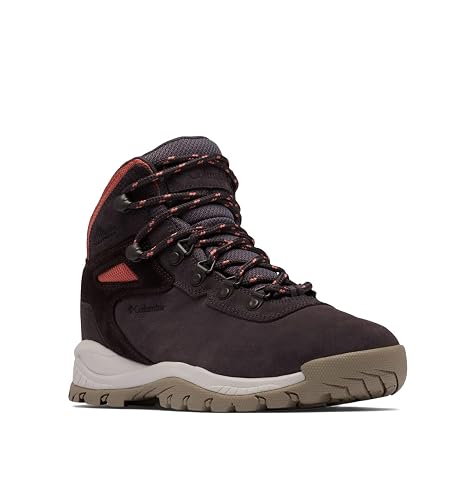
Columbia Newton Ridge Plus Waterproof Amped Hiking Boot

COOJOY Waterproof Winter Snow Boots Warm Furry Mid Calf
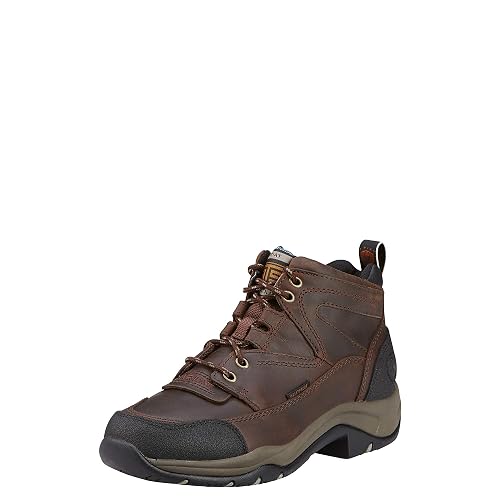
ARIAT Women’s Terrain Waterproof Boots
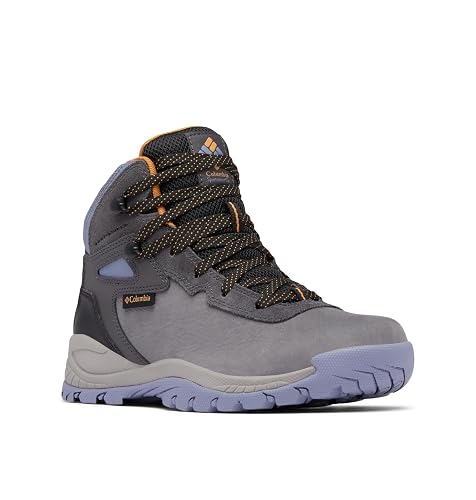
Columbia Newton Ridge BC

adidas Terrex Free Hiker GTX (Magic Grey/Core Black)
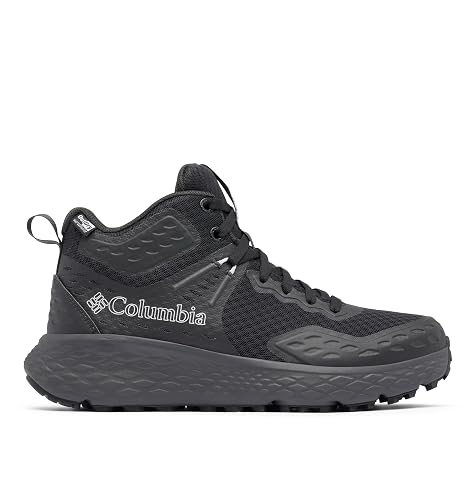
Columbia Konos TRS Outdry Mid Waterproof Shoe
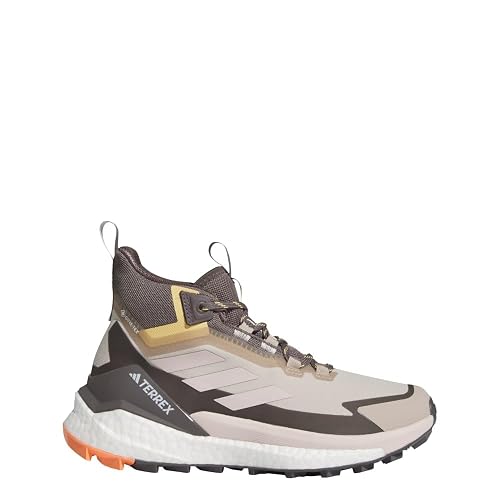
Terrex Free Hiker Gore-Tex 2.0 Hiking Shoes
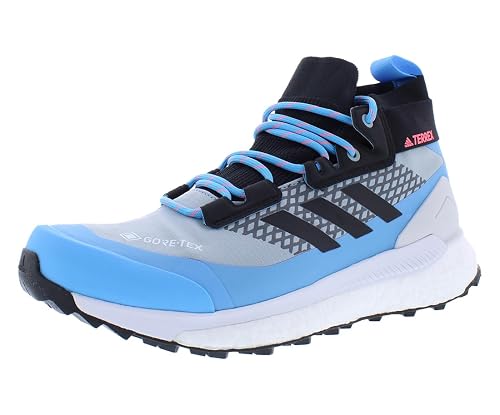
adidas Women’s Hiking
What Each Pick Brings To The Table
A mid-cut trail shoe earns its keep when wet roots show up halfway through the route. The adidas Terrex Trailmaker 2.0 Mid Gore-Tex brings a waterproof GORE-TEX membrane (a thin, waterproof, breathable layer that keeps rain out while letting heat escape) behind a supportive upper, and pairs that with a BOOST-style midsole designed to give each step a touch of energy return. For most day hikes with creek crossings, that combination lands in a useful middle ground between the lighter Free Hiker and the stiffer Columbia Newton Ridge Plus.
The mid-cut collar also adds ankle stability on uneven terrain without feeling as heavy as a full backpacking boot, which makes it approachable for hikers who want one shoe for variable conditions. You get the wet-weather confidence of a sealed bootie construction (the waterproof liner is built into the shoe itself) with the more flexible ride of a low-cut hiker.
Everyday Wins
- Waterproof GORE-TEX membrane handles stream crossings and morning dew on shaded routes
- Mid-cut collar adds ankle support for rocky, uneven terrain without the bulk of a full boot
- BOOST-style midsole (a responsive foam that compresses and springs back) returns energy over long trail days
- Versatile build works for day hikes, light backpacking, and wet-weather walking alike
- Approachable fit for hikers stepping up from trail runners to something more protective
Things To Consider
- Mid-cut height runs warmer than a low-cut shoe in summer heat
- Not as burly as the Columbia Newton Ridge Plus for carrying heavy pack weight
Who Will Love This
Day hikers and weekend trekkers who want waterproof confidence and a bit of energy return without stepping up to a heavy backpacking boot.
Look Elsewhere When
You carry a full backpacking load on multi-day trips, in which case the Columbia Newton Ridge Plus Waterproof Amped Hiking Boot offers more ankle and underfoot support.
If the trail involves a loaded pack and loose scree, you need a boot that locks the ankle and absorbs the load. The Columbia Newton Ridge Plus Waterproof Amped steps in with a full boot height, durable construction, and a waterproof build that aims squarely at hikers who push into rougher terrain than a casual walker would.
Compare that to the lighter adidas Terrex Trailmaker 2.0 Mid covered above: the Newton Ridge Plus trades a softer, energetic ride for a stiffer platform and more protective ankle collar. For backpackers carrying weight through wet or rocky country, that trade usually pays off in fatigue and stability over multi-day stretches.
Advantages To Know
- Full boot height provides strong ankle support on uneven or rocky terrain
- Waterproof membrane keeps feet dry through puddles, rain, and snow patches
- Durable build suited to backpacking loads and rough trail surfaces
- Long-standing Columbia silhouette with a heritage hiking-boot feel
Room For Improvement
- Heavier and stiffer than mid-cut trail shoes like the adidas Terrex Trailmaker
- Less agile on fast, light day hikes where flexibility matters more than support
- Requires a break-in window before long miles feel truly comfortable
Quick Facts
Best Suited To
Backpackers and hikers tackling rough terrain or carrying a loaded pack who prioritize ankle support and protection over a light, agile ride.
Swap It Out When
You mostly hike fast, light day routes on smoother trails, where the adidas Terrex Trailmaker 2.0 Mid will feel nimbler and cooler.
Winter hiking asks a different question than summer trail days, because heat retention matters as much as traction. The COOJOY Waterproof Winter Snow Boots bring a furry, insulated lining inside a waterproof shell, plus a mid-calf shaft that helps seal out snow at the ankle. For cold-weather walks, dog hikes in frost, or short snowy trail stints, that profile fits the brief better than a breathable summer hiker ever could.
The honest read is that this is a winter-leaning walking boot, not a technical alpine piece. Expect cozy comfort and snow-ready warmth rather than the stiff support of the Columbia Newton Ridge Plus or the responsive ride of the adidas Terrex line.
Useful Touches
- Insulated furry interior holds warmth in freezing conditions
- Waterproof construction sheds slush and shallow snow
- Mid-calf height keeps snow from packing in at the ankle
- Lightweight build makes it approachable for daily winter wear
Trade Offs
- Insulation makes them too warm for shoulder-season hiking above freezing
- Softer sole lacks the stiffness of a true hiking boot for technical terrain
- Limited ankle articulation compared with mid-cut trail shoes like the adidas Terrex Trailmaker
Made For
Winter walkers, dog hikers, and anyone who wants cozy waterproof boots for snow-covered paths rather than technical alpine routes.
A Better Fit Elsewhere
You mostly hike shoulder-season trails on rocky ground, in which case the Columbia Newton Ridge Plus Waterproof Amped Hiking Boot delivers more underfoot support.
ARIAT built its name around equestrian and ranch footwear, so the Women’s Terrain Waterproof Boots arrive with a heritage of all-day comfort. The brand focuses on durable construction and weather protection, which translates well to hikers who log long days walking mixed terrain around a property, on fire roads, or through ranch country.
Compared with the more technical mid-cut shoes like the adidas Terrex Trailmaker 2.0 Mid, the Terrain leans into comfort and durability rather than athletic energy return. That makes it a natural fit if you spend more time walking varied ground than climbing steep, technical trails.
Strengths Worth Knowing
- Built around all-day comfort for walking long hours
- Waterproof construction handles wet grass, mud, and shallow streams
- Durable build takes well to varied outdoor use beyond pure hiking
- Comfortable enough for casual wear around the barn, yard, or town
Small Caveats
- Heavier feel than athletic trail shoes like the adidas Terrex Free Hiker GTX
- Less trail-specific grip than dedicated lightweight hiking shoes
- Stock availability can vary, so sizing may need a second look before ordering
Right Fit For
Ranch owners, equestrians, and walkers who need a comfortable, waterproof boot for varied outdoor use and don’t need a hyper-technical trail shoe.
Consider Something Else When
You hike steep, technical trails where a stiffer boot and more aggressive grip like the Columbia Newton Ridge Plus would serve you better.
The Columbia Newton Ridge BC leans into a more casual, lifestyle-leaning version of Columbia’s hiking heritage. The boot uses a suede and leather upper, with built-in rain and stain resistance, lightweight cushioning, and a grippy traction outsole. The draw here is versatility: it looks at home on a trailhead and on a coffee run.
Where the rugged Newton Ridge Plus Waterproof Amped is built to take abuse, the BC trades some of that burliness for a softer, more wearable profile. For hikers who want one shoe for trail and town, that balance has real appeal.
Everyday Advantages
- Suede and leather upper wears well across trail and casual settings
- Built-in rain and stain resistance handles weather without special care
- Lightweight cushioning keeps daily walks and short hikes easy on the joints
- Grippy outsole handles fire roads and groomed trail surfaces
- Available in multiple colors and sizes for easier matching
Worth Bearing In Mind
- Less protective than a full technical boot like the Newton Ridge Plus Waterproof Amped
- Suede and leather uppers need more care than synthetic mesh in heavy rain
Built With In Mind
Hikers who want a single boot that handles weekend trails, commuting, and casual wear without changing shoes at the door.
Reach For A Different Pick When
You log rough backcountry routes where the Columbia Newton Ridge Plus Waterproof Amped Hiking Boot gives more protective support.
The adidas Terrex Free Hiker GTX earns its name from the cushioned, sock-like ride it delivers on the trail. Built around a GORE-TEX waterproof membrane and a soft, supportive upper, it aims at hikers who care more about step-in comfort and all-day wearability than stiff support. For most day hikes on maintained trails, that profile lands well.
Compared with the Terrex Trailmaker 2.0 Mid covered earlier, this Free Hiker sits lower at the ankle and trades some stiffness for comfort and flex. Think of it as the cushy cruiser to the Trailmaker’s sturdier sibling.
What Makes Sense
- GORE-TEX membrane keeps feet dry on wet trails and rainy days
- Soft, sock-like upper wraps the foot for step-in comfort
- Lightweight build reduces fatigue over long-distance day hikes
- Low-cut cuff breathes well in warm weather
Honest Caveats
- Less ankle protection than mid-cut or boot-height options like the adidas Terrex Trailmaker
- Limited stock and specific size/color availability in this listing
Whose Shelf It Belongs On
Hikers who log long day-hike miles on maintained trails and prioritize cushioned comfort and waterproof confidence.
Where Another Pick Suits Better
You hike off-trail or carry weight through rough terrain, in which case the Columbia Newton Ridge Plus Waterproof Amped Hiking Boot gives much stronger ankle support.
The Columbia Konos TRS Outdry Mid Waterproof Shoe brings a different waterproofing technology into the lineup. OutDry uses a bonded waterproof membrane (a waterproof layer sealed directly to the outer shell) that helps water bead off rather than soak through seams, paired with a lightweight underfoot setup combining cushioning and stability. The mid-cut height adds ankle support without going full boot.
Compared with the adidas Terrex Free Hiker GTX above, the Konos TRS adds ankle support and a more protective upper, while staying lighter than the rugged Columbia Newton Ridge Plus. For variable-condition hiking, that middle-ground position is often the sweet spot.
A Favorable Mix
- Bonded OutDry waterproofing helps shed water from the outer surface
- Mid-cut height adds ankle support without a full boot’s weight
- Lightweight underfoot system cushions without feeling bulky
- No-sew overlays add durability at high-wear zones
- Available in multiple colors and sizes
Some Limits To Know
- Less cushioning depth than the most comfort-focused options like the Terrex Free Hiker
- Not as rugged for heavy loads as the Newton Ridge Plus Waterproof Amped
Quick Facts
Who Should Grab It
Trail hikers who want a balance of waterproof confidence, ankle support, and lighter weight for variable-condition day hikes.
Skip It When
You need a heavy-duty backpacking boot, in which case the Columbia Newton Ridge Plus Waterproof Amped offers stronger support.
The Terrex Free Hiker Gore-Tex 2.0 updates the original Free Hiker concept with refinements that matter on longer days. A BOOST-style midsole (responsive foam that compresses and springs back) returns energy with every step, while the GORE-TEX membrane seals out wet conditions and lets the foot breathe as it warms up. Combined with a soft, supportive upper, the build targets thru-hikers and weekend explorers who want comfort that holds up over distance.
Stacked against the earlier adidas Terrex Free Hiker GTX reviewed above, this 2.0 leans into a more refined, energetic ride. Against the stiffer Columbia Newton Ridge Plus, it stays lighter and more flexible. That balance is exactly where many long-distance hikers want to land.
Practical Pluses
- BOOST-style midsole delivers energy return across long hike days
- GORE-TEX membrane keeps feet dry through wet grass, rain, and puddles
- Soft, supportive upper wraps the foot for step-in comfort
- Lightweight construction reduces fatigue over miles
- Suitable for thru-hikes and multi-day routes where comfort matters most
Things That May Matter
- Lower-cut profile offers less ankle support than the adidas Terrex Trailmaker 2.0 Mid
- Energy-returning midsole can feel firm underfoot for shoppers used to plush cushioning
Perfect Match For
Long-distance hikers and thru-hikers who want a cushioned, waterproof shoe that keeps feet fresh across multiple days on the trail.
Not Your Match When
You regularly carry heavy packs over rough terrain, where the Columbia Newton Ridge Plus Waterproof Amped Hiking Boot gives more supportive structure.
If you’re stepping into hiking shoes for the first time, an accessible, no-fuss option matters more than a niche technical feature. The adidas Women’s Hiking offers a straightforward hiking-shoe build designed for casual trail use and lighter outdoor days. New hikers tend to benefit most from a shoe that’s easy to wear, comfortable out of the box, and forgiving on variable terrain.
The honest read is that this is a friendly starting point rather than a long-distance or heavy-load specialist. Compared with the more technical Terrex Free Hiker Gore-Tex 2.0 or the rugged Newton Ridge Plus, this pick keeps things simple. For new hikers easing into weekend trails, that simplicity has real value.
The Upside
- Approachable design for new hikers easing into trail use
- Comfortable enough for casual walks and weekend trail days
- Backed by adidas’s broader outdoor lineup
- Reasonable entry-level price tier compared to technical boots
Possible Compromises
- Limited spec details available from the source listing
- Less specialized than dedicated waterproof or rugged picks like the Terrex Trailmaker or Newton Ridge Plus
Right Fit For
New hikers, casual walkers, and anyone who wants a comfortable, approachable shoe for lighter trail days without paying for technical features they won’t use.
Reach For A Different Pick When
You regularly face stream crossings, wet weather, or long miles, where the adidas Terrex Free Hiker Gore-Tex 2.0 or Columbia Konos TRS delivers stronger waterproofing and support.
Matching The Right Boot To The Way You Hike
Trail shoes feel different once you actually wear them across real miles, so fit, terrain, and weather should drive your decision before brand loyalty does.
Cut Height And Terrain
Low-cut trail shoes breathe well and move naturally, which suits fast day hikes on smooth trails and groomed paths. Mid-cut shoes add ankle support without going full boot, which suits rocky, uneven terrain and light backpacking. Full boots lock the ankle and carry heavy loads across rough country. Match the cut to the steepest, roughest ground you actually hike, not the easiest walk.
Waterproofing And Weather
A waterproof membrane like GORE-TEX keeps feet dry across rain, puddles, and wet grass, but it adds cost and warmth. OutDry technology bonds the waterproof layer to the outer shell to shed water more actively. Mesh uppers breathe much better in warm weather. Cold-weather hikers should look for insulated options like the winter snow boot profile, while summer hikers usually prefer breathable mesh.
Fit, Break-In, And Sock Pairing
Sizing can vary across brands, so trying shoes on with hiking socks in the evening (when feet are slightly swollen) gives a more realistic fit than a quick morning try-on. Wide feet benefit from brands that offer multiple width options, and stiff boots usually need a short break-in before long miles feel comfortable. Hiking socks in merino or synthetic fibers wick moisture and reduce blister risk.
Key Considerations Across These Picks
A few last points help separate a smart purchase from a frustrating one in this category.
Where Shoppers Go Wrong
The biggest trap is choosing a boot by looks or brand alone, without matching the cut and features to actual trail conditions. Many shoppers also underrate the difference in break-in time between stiff full boots and flexible trail shoes, which leads to blisters on the first long day. Trying shoes on in the afternoon with hiking socks avoids both sizing and break-in surprises.
When Paying More Pays Off
Higher-tier hiking shoes usually bring lighter midsole foams, better waterproof membranes, and more durable upper materials that hold up across more miles. The extra cost tends to pay back for hikers logging long days, wet conditions, or multi-day trips, where comfort and reliability compound with every mile. For occasional weekend walks on easy trails, a mid-tier option often covers the need without the premium.