
Your feet carry you through switchbacks, creek crossings, and ten-mile ridge walks, so the shoes holding them up matter more than any other piece of gear you pack. Low top hiking shoes trade the ankle support of a boot for lighter weight, faster break-in, and the kind of agility that makes a rocky descent feel less clunky. Whether you stick to well-graded park trails or log weekend miles on technical singletrack, the right pair can be the difference between finishing strong and cutting the day short.
The picks below lean into real-world scenarios: day hikers wanting cushion for long miles, trail runners needing waterproofing for shoulder-season weather, travelers chasing one shoe that handles trail and town. Each review pairs a specific strength with an honest trade-off, so you can match a shoe to the way you actually hike.
A Snapshot Of The Selections
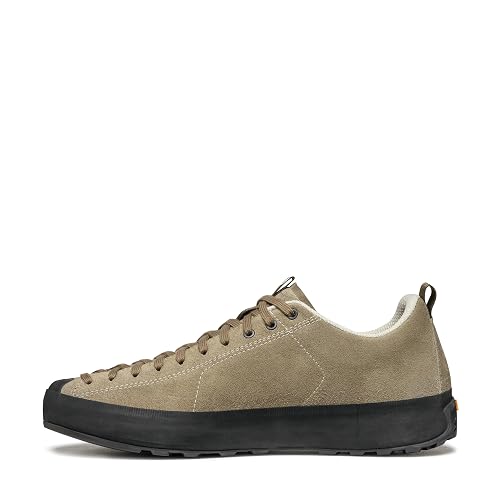
SCARPA Mojito Wrap Walking Shoes
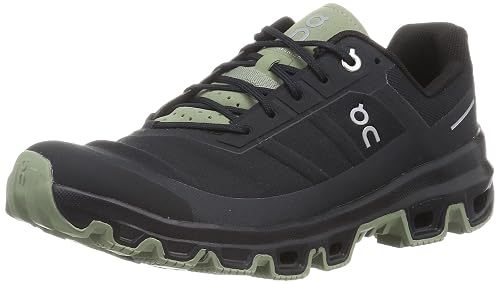
On Cloudhorizon Waterproof
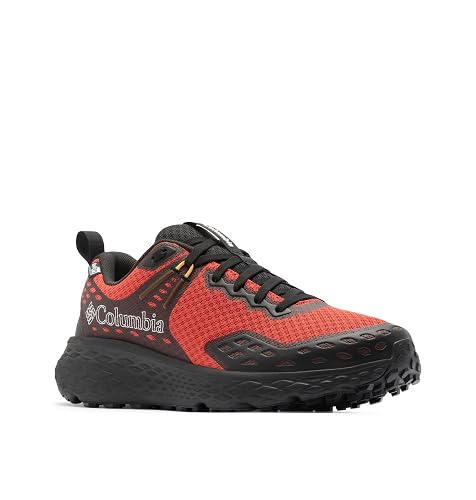
Columbia Konos TRS Shoe
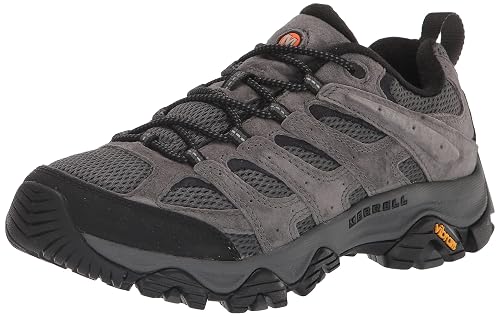
Merrell Moab 3 Hiking Shoe
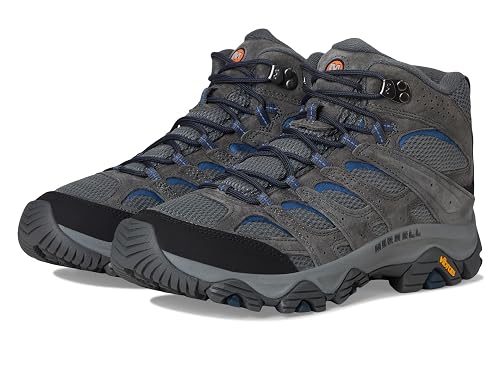
Merrell Moab 3 Mid Hiking Boot
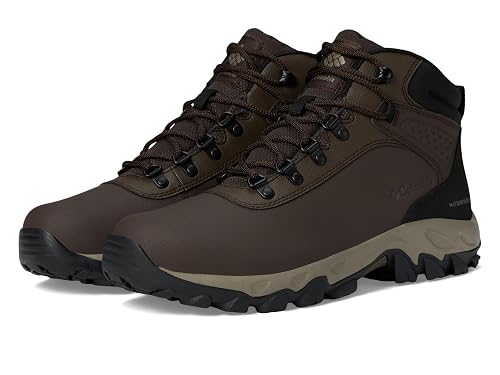
Columbia Newton Explorer
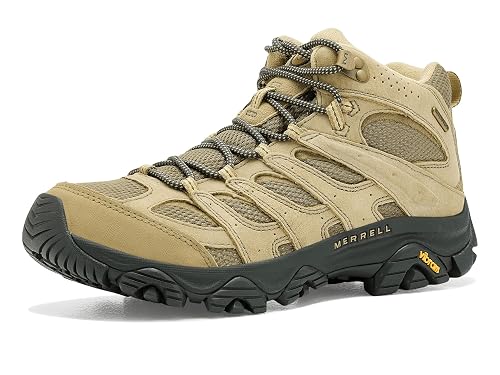
Merrell Moab 3 Mid Waterproof Hiking Boot
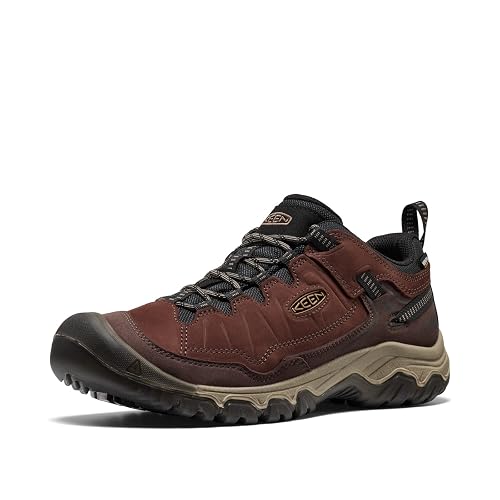
KEEN Targhee 4 Low Waterproof Hiking Shoes

KEEN KS86 Retro Sneakers
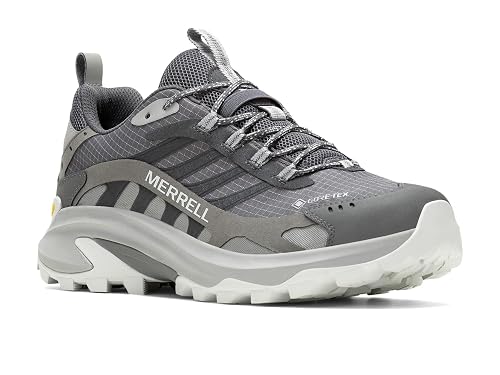
Merrell Moab Speed 2 GTX
Meet The Standout Selections
The SCARPA Mojito Wrap borrows its silhouette from the brand’s climbing heritage, giving it a low-profile, close-to-the-foot feel that suits approach walks and light trails. Compared with the bulkier Moab 3 that lands later in this list, this one feels more like a casual sneaker that happens to grip rock well.
For travelers packing one shoe to handle cobblestone mornings and afternoon trail loops, the wrap-style upper sits in a sweet spot. It is genuinely breathable and stays light on the foot, though the sole is less aggressive than the On Cloudhorizon for technical terrain.
The Case For It
- Lightweight build keeps feet fresh on long travel days
- Climbing-inspired wrap construction hugs the foot securely
- Versatile look transitions smoothly from trail to town
- Low-profile sole feels nimble on approach paths and easy grades
Things To Consider
- Less aggressive lug pattern than dedicated trail shoes like the Merrell Moab Speed 2 GTX
- Lacks a waterproof membrane, so wet grass and shallow puddles soak through quickly
- Owners commonly report the suede upper needs routine cleaning to stay presentable
Who It Suits Best
Travelers and casual hikers who want one shoe that handles a walking tour of Lisbon in the morning and a coastal path in the afternoon.
Where Another Pick Suits Better
For genuinely wet, muddy days, the Merrell Moab 3 Mid Waterproof Hiking Boot handles stream crossings with much more confidence.
The On Cloudhorizon Waterproof is built for hikers who log serious distance and refuse to feel every stone underfoot. Its CloudTec Phase midsole, which uses hollow pods that compress on impact and lock for push-off, cushions long descents in a way the Moab 3 simply does not match.
Where the SCARPA Mojito Wrap leans lifestyle, this one is all business. The waterproof membrane keeps rain from soaking through on shoulder-season hikes, and the outsole grips wet rock reliably. The trade-off is weight; you feel the extra ounces on fast, light days.
A Favorable Mix
- CloudTec cushioning softens long miles in a way most hikers notice immediately
- Full waterproof construction handles rain and creek splashes with confidence
- Stable ride over uneven, rocky ground
Points To Keep In Mind
- Heavier than trail-running-style options like the Moab Speed 2 GTX
- Premium cushioning comes at a price well above budget options such as the Columbia Konos TRS
Made For
Long-distance hikers covering 10-plus miles who want plush cushioning and weather protection on a single ride.
Not Your Match When
The Merrell Moab 3 Hiking Shoe is a better fit if you prefer a firmer, more traditional trail feel over soft cushioning.
The Columbia Konos TRS lands as the value pick in this roundup, pairing a breathable mesh upper with no-sew overlays for a cleaner, lighter construction than you might expect at the price. It is a sensible match for summer hiking on well-graded trails.
The cushioning and underfoot stability system handle moderate loads comfortably, though the platform is noticeably less plush than the On Cloudhorizon. Wet traction is solid, but there is no waterproof membrane, so a sudden downpour will soak through quickly.
What Stands Out
- Light, breathable mesh upper keeps feet cool in warm weather
- No-sew overlays add structure without adding weight
- Reliable wet-or-dry traction for varied trail surfaces
- Often available at a noticeably lower price than premium hiking shoes
Honest Caveats
- No waterproof membrane, unlike the On Cloudhorizon or KEEN Targhee 4 Low
- Cushioning is adequate but not as soft as premium options on long days
Key Attributes
Right Fit For
Budget-conscious hikers tackling dry-season trails who want light, breathable construction without overspending.
Swap It Out When
The Merrell Moab 3 Hiking Shoe is a stronger call if you hike often in mixed weather and want a more proven all-around trail shoe.
The Merrell Moab 3 has become a default recommendation for good reason: it is comfortable from the first step, handles mixed terrain confidently, and asks very few trade-offs in return. Compared with the Columbia Konos TRS, the Moab 3 feels more substantial underfoot and reads as a true hiking shoe rather than a trail-styled sneaker.
The updated version adds a more supportive insole, softer midsole, and grippier Vibram outsole (Vibram is a high-traction rubber compound used by most serious hiking brands). Owners frequently mention the break-in is essentially zero, which matters when you only get weekends on the trail.
Practical Advantages
- Comfortable straight out of the box with minimal break-in
- Vibram outsole grips wet rock, mud, and loose dirt confidently
- Updated midsole offers a noticeably softer ride than version 2
- Versatile enough for day hikes, light backpacking, and trail-center loops
Less Ideal Details
- Non-waterproof version soaks through in steady rain
Best Suited To
Regular weekend hikers who want one dependable, do-it-all shoe without committing to a waterproof build.
A Better Fit Elsewhere
The Merrell Moab Speed 2 GTX is the smarter choice when speed, lighter weight, and weather sealing matter more than maximum cushion.
The mid-cut version of the Moab 3 adds ankle coverage for hikers who want extra stability without jumping to a full boot. On rocky descents and uneven terrain, the higher collar reduces the ankle-roll risk that a low-top like the SCARPA Mojito Wrap leaves you exposed to.
It keeps the same cushioned midsole and Vibram outsole as its low-top sibling, so the ride underfoot feels familiar. You trade breathability and packability for that extra support, which is exactly the right move on rugged day hikes.
Strengths Worth Knowing
- Ankle-height collar adds meaningful stability on uneven terrain
- Retains the cushioned midsole Moab wearers already trust
- Vibram outsole grips confidently on wet rock and loose scree
- Comfortable from the first wear, with minimal break-in
Trade Offs
- Heavier than the low-top Moab 3 by a noticeable margin
- Non-waterproof construction means wet conditions soak through
- Bulkier profile limits casual, around-town wearability
Feature Snapshot
Who Will Love This
Hikers tackling rocky, root-covered terrain who want ankle support without committing to a full leather boot.
Look Elsewhere When
The Merrell Moab 3 Mid Waterproof Hiking Boot is the obvious upgrade if your routes regularly cross streams or muddy sections.
The Columbia Newton Explorer is the most traditional-looking shoe in this roundup, leaning on a waterproof leather upper and the brand’s Omni-Tech membrane (a waterproof-breathable liner that keeps rain out while letting heat escape) for wet-weather reliability. The Techlite midsole, which is Columbia’s signature lightweight foam, softens impact without weighing the shoe down.
Where the Merrell Moab 3 Hiking Shoe feels athletic, the Newton Explorer feels built. Leather breaks in slowly but rewards you with long-term durability and a smarter, more grounded feel underfoot.
Positive Points
- Waterproof leather upper handles wet trails and stream crossings confidently
- Techlite midsole balances cushion with low weight
- Omni-Tech membrane sheds rain while remaining breathable
- Durable construction suited to frequent weekend use
Softer Spots
- Heavier and stiffer than mesh-based options like the Columbia Konos TRS
- Leather requires regular conditioning to maintain waterproofing over time
Technical Highlights
Perfect Match For
Hikers who routinely cross streams or hike through shoulder-season rain and want a durable, weather-ready leather shoe.
Reach For A Different Pick When
The On Cloudhorizon Waterproof is the smarter buy if you want a softer, more cushioned ride under the same weather protection.
The waterproof version of the Moab 3 Mid pairs the ankle-supporting mid-cut with a sealed membrane, which makes it a strong pick for hikers who refuse to let weather shorten their plans. Compared with the standard Moab 3 Mid, this one keeps your socks dry through hours of wet brush.
The Vibram outsole and updated cushioned midsole carry over unchanged. You give up a little breathability for the waterproofing, which is a fair trade on most spring and fall trail days.
Standout Benefits
- Waterproof membrane keeps feet dry through wet brush and shallow crossings
- Ankle-height collar adds stability on uneven, rocky terrain
- Vibram outsole grips confidently on slick surfaces
- Comfortable from the first wear with very little break-in
A Few Limitations
- Heavier than low-top waterproof options like the On Cloudhorizon
- Waterproofing can reduce breathability on hot summer days
Built With In Mind
Spring and fall hikers who deal with muddy, wet conditions and want ankle support plus full weather sealing in one boot.
Consider Something Else When
The Merrell Moab Speed 2 GTX is a lighter, nimbler alternative if you do not need the mid-cut ankle collar.
The KEEN Targhee 4 Low is a long-running favorite for hikers with wider feet who struggle to find a trail shoe that does not pinch. Its signature roomier toe box, direct-attach construction (where the upper is bonded to the sole for a tighter seal), and KEEN.DRY waterproof membrane combine to deliver comfort and weather protection in one package.
Where the Merrell Moab 3 fits standard-width feet best, the Targhee 4 Low gives you noticeably more room up front. The trade-off is a slightly bulkier look that does not blend into casual wear as easily as the SCARPA Mojito Wrap.
What Works In Its Favor
- Roomy toe box suits wider feet better than most trail shoes
- KEEN.DRY waterproof membrane handles wet conditions reliably
- Direct-attach construction adds long-term durability
- All-terrain traction grips varied surfaces confidently
Points To Note
- Bulkier silhouette than streamlined options like the On Cloudhorizon
- Heavier than trail-running-style options such as the Moab Speed 2 GTX
Feature Card
Whose Shelf It Belongs On
Hikers with wider feet who want a durable, waterproof shoe for varied trail conditions.
Skip It When
The Merrell Moab 3 Hiking Shoe is the better pick for standard-width feet who prefer a more athletic, lower-profile fit.
The KEEN KS86 is the most style-forward shoe in this roundup, mixing retro sneaker looks with trail-grade construction. It uses a recycled mesh or eco-leather upper paired with an aggressive tread, which gives it real off-pavement credibility.
Think of it as a shoe for hikers who care about how their gear looks in coffee shops as much as how it performs on gravel paths. The trade-off is that the cushioning and support are tuned more for casual wear than for long mileage like the Moab 3.
Everyday Advantages
- Retro silhouette works seamlessly with casual outfits
- Available in recycled mesh or eco-leather uppers
- Aggressive tread grips well on light trails and gravel paths
- Built on KEEN’s wider footwear platform for comfortable fit
Possible Compromises
- Less cushioning than dedicated hiking shoes like the On Cloudhorizon for long days
- No waterproof membrane for wet conditions
Who Should Grab It
Travelers and casual hikers who want trail capability without sacrificing style for everyday wear.
Where A Sibling Pick Shines
The KEEN Targhee 4 Low Waterproof Hiking Shoes are the smarter call for serious trail mileage and wet weather.
The Merrell Moab Speed 2 GTX takes the brand’s trail-running DNA and bolts on a GORE-TEX waterproof membrane (a premium waterproof-breathable liner widely used in outdoor gear) plus Vibram TC5+ rubber. The result is a nimbler, faster-feeling alternative to the standard Moab 3.
Hikers who cover ground quickly appreciate the lighter weight and athletic ride. It is less protective than the mid-cut Moab 3 Mid on rocky terrain, but it handles long days with energy and grip.
What Makes Sense
- Lighter, faster ride than the standard Moab 3
- GORE-TEX membrane delivers reliable waterproofing
- Vibram TC5+ outsole grips confidently across varied terrain
- Updated traction lugs improve grip on loose surfaces
Details To Watch
- Less ankle support than the mid-cut Moab 3 Mid Hiking Boot
- Waterproofing can run warm on hot summer hikes
- Lower profile means less protection against sharp rocks
Quick Facts
Right Fit For
Fast-paced trail hikers who want a lighter, nimbler waterproof shoe for covering ground efficiently.
Look Elsewhere When
The Merrell Moab 3 Mid Waterproof Hiking Boot is the stronger choice on rocky terrain where ankle support matters more than speed.
What To Weigh Before Choosing Low Top Hiking Shoes
Traction And Outsole Design
The outsole is where every hiking shoe earns or loses its keep. Look for deep, multi-directional lugs if your routes include mud or loose dirt, and consider softer rubber compounds if wet rock is a regular part of your day. Hiking shoes with Vibram outsoles, like the Merrell Moab 3 or KEEN Targhee 4 Low, tend to grip reliably on slick surfaces. Lighter trail-running-style options trade some lug depth for speed and agility.
Cushioning And Midsole Feel
Midsole foam absorbs impact over long miles and shapes how energetic the shoe feels underfoot. Plusher platforms like the On Cloudhorizon soften descents and reduce fatigue, which matters on 10-plus-mile days. Firmer midsoles, such as those in the Merrell Moab 3, give you a more grounded, stable feel that some hikers prefer for carrying light loads.
Waterproofing Versus Breathability
A waterproof membrane keeps your socks dry through rain and stream crossings but reduces airflow. Hot, dry climates usually call for breathable mesh builds like the Columbia Konos TRS, while wet shoulder seasons favor waterproof constructions like the Merrell Moab Speed 2 GTX or KEEN Targhee 4 Low. Many hikers rotate between a waterproof and non-waterproof pair across the year.
Fit, Width, And Comfort
A shoe that fits your foot shape matters more than any spec sheet. The KEEN Targhee 4 Low gives broader feet noticeably more room up front, while most Merrell models fit standard-width feet comfortably out of the box. Trying shoes on with the socks you actually hike in helps avoid surprises on the trail.
Key Considerations Across These Picks
Where Shoppers Go Wrong
A common slip is choosing based on looks alone, then discovering the shoe lacks the traction or support for real terrain. Another trap is buying a waterproof model for hot, dry climates where breathability matters more than weather sealing. Sizing up too aggressively to leave room for thick socks can leave your foot sliding inside the shoe, while going too tight causes blisters within the first mile. Walking on a slanted surface at the shop, rather than just standing, exposes pressure points you would otherwise feel only on day three of a trip.
Where The Extra Money Goes
Premium hiking shoes tend to spend their higher price on better outsoles, lighter midsoles, and more advanced waterproof membranes. The On Cloudhorizon earns its place through cushioning technology that genuinely softens long days, while the Merrell Moab Speed 2 GTX uses premium rubber compounds and a trusted GORE-TEX liner. For casual weekend hikers, mid-tier options like the Merrell Moab 3 or Columbia Newton Explorer deliver most of the benefit at noticeably lower cost, so the upgrade makes more sense once you log serious miles.
Frequently Asked Questions
Are low top hiking shoes supportive enough for real trails?
Yes, for most day hiking on established trails. Low tops trade ankle support for lighter weight and faster break-in, and they handle mixed terrain like the Merrell Moab 3 handles it every day. Only switch to mid or high cuts when you regularly hike with heavy loads or on very rocky ground.
How do low top hiking shoes differ from trail runners?
Trail runners are usually lighter, more flexible, and built for speed over technical terrain. Low top hiking shoes add slightly more upper support, stiffer midsoles, and more protective construction. Hikers prioritizing cushion and weather protection often prefer hiking shoes like the On Cloudhorizon; those covering ground fast tend to prefer trail runners.
Do I really need waterproof hiking shoes?
Only if your routes regularly cross water or run through wet brush. Waterproof membranes like GORE-TEX add cost and reduce breathability, so dry-climate hikers usually do fine with non-waterproof builds. For shoulder-season hiking or stream-heavy trails, waterproofing is well worth the trade-off.
How long should low top hiking shoes last?
Most quality low top hiking shoes last 500 to 800 miles of trail use before the outsole lugs wear smooth and the midsole loses its rebound. Rotating between two pairs and cleaning them after muddy hikes tends to extend their usable life. Storage in a cool, dry place also helps the foam and adhesives age more slowly.
Can low top hiking shoes handle light backpacking?
Many can, especially models with stiffer midsoles like the Merrell Moab 3 or KEEN Targhee 4 Low. Pack weight under 25 pounds is usually fine in a low top; heavier loads typically call for a mid or high cut to reduce foot fatigue and ankle strain.
Bottom Line
The right low top hiking shoe matches the terrain you hike most, the weather you face in your typical season, and the shape of your foot. Cushion-focused hikers gravitate toward the On Cloudhorizon, traditionalists toward the Merrell Moab 3, and travelers toward the SCARPA Mojito Wrap. Pick the shoe that fits your usual day, and your feet will thank you on the trail.