
Cold ridges, dusty switchbacks, and surprise rain turn a good hike into a long day, and the right kit changes everything. This lineup covers the small upgrades that pay off mile after mile, from a warm beanie to ultralight trail tools. Every pick here solves a real problem hikers actually face on the trail.
An Overview Of The Picks

Mountain Man Walking Stick 60″
BoglerCo Ultralight Backpacking Trowel

BISOUSOX Merino Wool Crew Socks

Zoofly Tactical Hiking Cargo Pants
The Details Behind The Selections
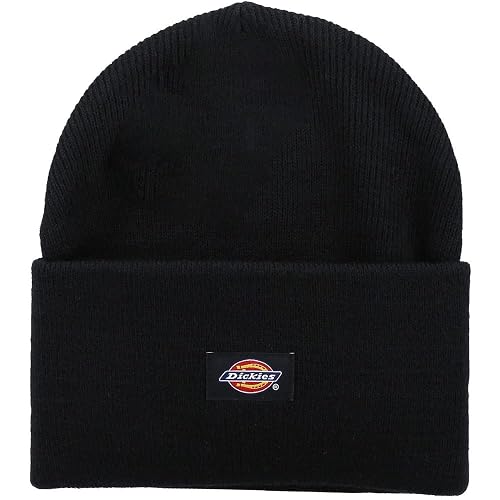
Head warmth is one of the cheapest upgrades in any hiking kit, and the Dickies Cuffin Knit Beanie proves the point. The acrylic knit holds heat close to the scalp without feeling itchy under a pack strap, which matters on long climbs where you keep pulling the hat on and off.
Where it earns its keep is the four-inch fold-up cuff. That extra band lets you adjust coverage over your ears when wind picks up, or roll it down for a lower profile on warmer approaches. For hikers who start at the trailhead before sunrise and finish after sunset, this is the kind of small comfort that adds up across a season.
What Stands Out
- Soft acrylic knit construction keeps the head warm without bulk under a shell hood
- Fold-up cuff adjusts over the ears as wind or temperature shifts
- Neutral color pairs easily with shell jackets and base layers
- Lightweight enough to stuff in a pack pocket without weighing your kit
Things To Consider
- Acrylic holds moisture longer than wool, so a soggy rain hike may leave it damp by camp
- One size fits most, which can feel snug on larger heads
At A Glance
Who It Suits Best
Year-round hikers who want a simple, affordable beanie for cold starts and breezy ridgelines.
Where Another Pick Suits Better
Anyone hiking in serious cold or wet snow should reach for a merino option like the BISOUSOX socks here for next-to-skin climate control from the head down.
A trekking pole is one of the few items where craftsmanship shows up in how your joints feel at mile ten, and the Mountain Man Walking Stick leans hard on the handmade side. The dark wood shaft is hand-finished, giving it a smooth grip that doesn’t fight back when your palms get clammy on a tough climb.
The leather wrist strap adds the kind of security that foam handles sometimes skip. Pair that with the rubber tip up front, and you’ve got a stick that holds traction on rocks and roots, the places where balance matters most. For hikers moving through uneven terrain or carrying a heavier pack, the support is the real story.
Notable Upsides
- Handcrafted wood shaft delivers natural shock absorption on rocky trails
- Leather wrist strap keeps the stick anchored during steep descents
- Rubber tip grips slick surfaces where metal tips skate
- Sixty-inch length suits taller hikers who need full reach
Worth Noting
- Wood is heavier than aluminum or carbon trekking poles, which adds pack weight over a long day
- No folding or telescoping feature, so it takes up more space on the trail and in transit
- Natural wood needs occasional conditioning to prevent drying or splitting over time
Key Specs
Right Fit For
Day hikers carrying mid-weight packs who want real stability on uneven terrain rather than ultralight carbon poles.
Consider Something Else When
Thru-hikers counting every ounce should look at the BoglerCo Ultralight Backpacking Trowel here for proof that some gear can shave serious weight from a multi-day setup.
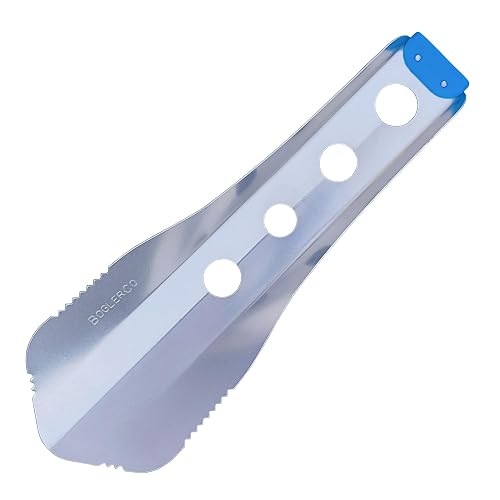
Backcountry hygiene is one of those things nobody talks about until they’re digging with a heel at dusk. The BoglerCo Ultralight Backpacking Trowel solves that problem at half an ounce, lighter than three nickels stacked together. That weight disappears into any pack pocket or even a hip belt.
The end cap is where the design earns its keep. Without it, you’d feel the handle bite into your palm every time you broke ground. With it, you can put real force into each scoop without paying for it in blisters an hour later. It’s the kind of small tool you forget you packed, until you really need it.
What Earns Its Place
- Weighs just 0.48 ounces, essentially unnoticeable in your pack
- End cap protects your palm during aggressive digging in hard soil
- Compact footprint slips into a hip belt or sit pad pocket
- Sturdy enough for rocky and root-filled ground on regular trips
Honest Caveats
- Small blade means more scoops per cathole in loose or sandy dirt
- No extendable handle, so taller hikers work at a deeper bend
Made For
Ultralight backpackers and section hikers who count grams and want a dedicated tool instead of improvising with a trekking pole or pot lid.
Skip It When
Day hikers who never go far from a privy should skip the trowel and spend that pack space on extra layers like the Zoofly Tactical Hiking Cargo Pants here.
Sock choice decides whether your feet blister or feel fresh at the end of a 10-mile day, and the BISOUSOX Light Cushion Crew Socks hit the sweet spot for three-season hiking. The 70% merino wool blend manages moisture and temperature, two things cheaper cotton socks can’t do once you break a sweat on an uphill grade.
The low-volume terry sole gives just enough cushion underfoot without forcing you into a half-size larger boot. That’s a quiet win: thicker socks often mean cramped toes on long downhills, which is where most blisters actually start. You can wear these for a long workday and then straight onto the trail without changing socks.
Good Reasons To Consider
- High merino content wicks sweat and resists odor over multi-day trips
- Light cushion adds comfort without forcing you up a boot size
- Crew height protects against trail debris rubbing against the ankle
- Versatile enough for office wear, so you can justify the cost beyond the trail
Trade Offs
- Thinner profile may feel under-cushioned on rocky, high-impact terrain
- Merino blends need air-drying care to last, especially after wet hikes
Quick Facts
Best Suited To
Three-season hikers and backpackers who want a sock that handles both trail days and casual wear without overheating.
Reach For A Different Pick When
Hikers heading into deep winter or serious snow should pair merino socks with insulated boots and add a cold-weather layer like the Dickies beanie here for head-to-toe warmth.
Wet brush, thorny scrub, and surprise rain showers make trail bottoms the first thing to fail on a long day, which is why the Zoofly Tactical Hiking Pants earn a spot here. The stretch nylon shell moves with your stride on climbs and scrambles, where stiff cotton pants would fight you every step.
Six pockets are the part hikers notice first, since they let you skip the pack for a phone, map, multitap, and snacks. Quick-dry fabric is the part you appreciate at mile six when a stream crossing leaves you soaked but not miserable. For wet climate hikers and bushwhackers, this is the foundation of the kit.
What Works In Its Favor
- Stretch nylon construction moves naturally on steep or technical terrain
- Quick-dry fabric sheds splashes and stream water during crossings
- Six pockets keep trail essentials within reach without pulling off the pack
- Tactical fit handles both hiking and casual wear after the trail
Things To Weigh
- Synthetic fabric can feel clammy in still, humid summer air
- Six pockets add weight compared to minimalist running-style pants
- Snug tactical cut may feel restrictive for hikers who prefer relaxed fits
Whose Shelf It Belongs On
Wet-weather hikers, bushwhackers, and travelers who want one pair of pants that handles trail, town, and everything between.
Look Elsewhere When
Hot, dry climate hikers chasing maximum breathability should consider a lighter base layer paired with the Dickies beanie here and skip the tactical weight class entirely.
What Matters Most Before Choosing Mens Hiking Gear
Match Gear To The Season You Actually Hike
Most frustration on the trail comes from gear bought for a hike you aren’t taking. A beanie that feels redundant in July becomes essential on a pre-dawn alpine start, and lightweight nylon pants that breathe in August turn clammy in a wet May forest. Match each item to the conditions you’ll see most weeks, not the conditions you’d hit on a dream trip once a year.
Weight Adds Up Faster Than Price
A few extra ounces per item feels trivial in a shopping cart, then adds up to a sore back by lunch on a long climb. Compare the BoglerCo trowel’s sub-half-ounce design to a heavier titanium alternative: same job, less fatigue. Weight discipline matters more for backpackers and thru-hikers than for day hikers, but everyone notices it sooner than they expect.
Real-World Use Beats Spec Sheet Wins
A trekking pole with a leather strap and a hand-finished grip tells you more about how it’ll feel on mile eight than any bullet point about materials. Think about how the gear will behave after hours of use: will that sock still feel dry, will those pockets hold a phone without bouncing, will that beanie stay put under a pack strap? The trail exposes the truth faster than any spec table.
Layering Is The Quiet Win
Every pick here works because it slots into a layered system. A beanie over a shell hood, a merino sock inside a broken-in boot, quick-dry pants over a base layer on cold mornings. The pieces earn their keep by working together, so consider what you already own before adding anything new.
Key Considerations Across These Picks
Where Shoppers Go Wrong
The biggest trap in hiking gear is buying for the trail you wish you were hiking, not the one you’ll actually walk this month. A heavy canvas work pant looks indestructible in a product photo, but it weighs you down on real climbs. Be honest about your weekly mileage, your climate, and your pack weight before adding anything new.
What Separates Premium From Basic
Higher-tier hiking gear usually pays for two things: lighter materials and better construction. A merino sock costs more than cotton because it manages moisture and resists odor across many days. A handcrafted wood walking stick costs more than an aluminum pole because the grip and finish hold up to seasons of use. The premium is rarely about flash; it’s about how the gear feels at the end of a long day.
Frequently Asked Questions
What Is The Most Overlooked Piece Of Mens Hiking Gear?
Most hikers over-focus on boots and packs and skip the small items that add up, like socks, headwear, and digging tools. A merino crew sock and a soft beanie do more for daily comfort than any single flashy piece of equipment.
How Often Should Hiking Socks Be Replaced?
Replace merino blend hiking socks when cushioning flattens or seams start rubbing. For most hikers logging weekly trails, that lands somewhere between one and two seasons of regular use.
Do Walking Sticks Actually Help On Flat Trails?
A walking stick earns its keep most on uneven ground, steep descents, and stream crossings where balance matters. On flat, groomed paths the benefit drops sharply, and many hikers leave the stick in the pack.
Are Tactical Pants Too Heavy For Summer Hiking?
Synthetic tactical pants can feel warm in still, humid air, so hikers chasing maximum breathability often choose lighter running-style bottoms for summer. In spring, fall, and shoulder seasons the quick-dry shell pulls ahead.
How Do You Choose The Right Beanie For Hiking?
Pick a knit that fits under your shell hood without bulk, and look for a cuff you can adjust over the ears as conditions shift. Soft acrylic or merino blends both insulate well, and the right pick is the one you’ll actually wear.