
Trail-ready headwear has to do a lot of work: shade your face, breathe well, and stay put when the grade steepens. The right pick also survives a sweaty climb, a sudden rain shower, and a backcountry weekend without falling apart. This roundup narrows five solid options, from breathable mesh caps to wide-brim sun hats, so you can match your kit to the way you actually hike.
A Quick View Of The Lineup
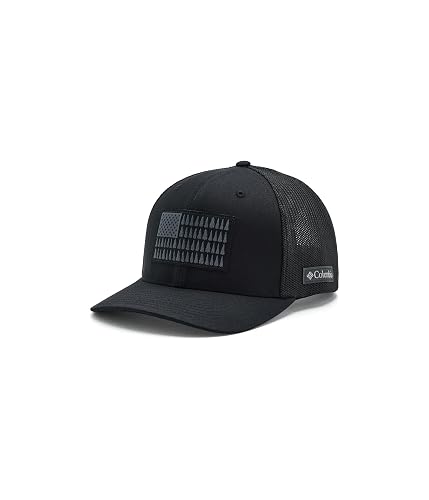
Columbia PFG Logo Mesh Ball Cap
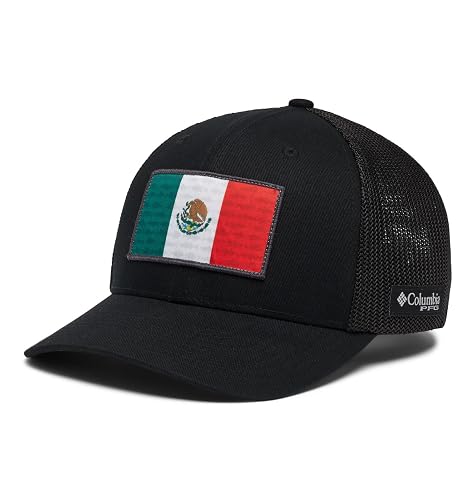
Columbia PFG Fish Flag Mesh Ball Cap
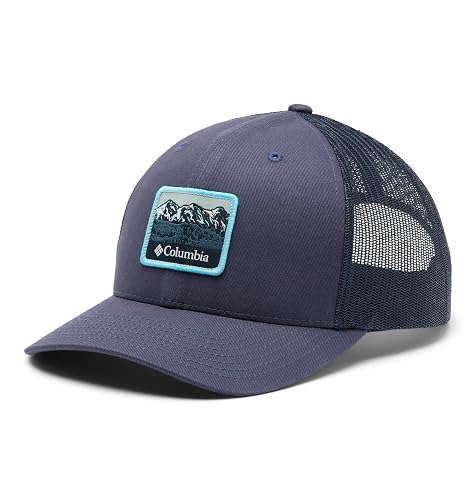
Columbia Mesh Snap Back

Comhats Waterproof UPF 50+ Wide Brim Sun Hat

ZOORON UPF 50+ Boonie Bucket Hat
The Picks, Examined More Closely
Trail runners and day hikers looking for a no-fuss cap will find a lot to like here. Columbia’s PFG Logo Mesh Ball Cap leans on a FlexFit stretch band, meaning woven spandex threads hug your head without the old pinch of a snapback strap. That ergonomic stretch matters on a steep climb where a loose hat sliding into your eyes is more than a minor nuisance.
The mesh rear panels breathe well, which helps on warm ascents where sweat tends to pool against a foam-backed front. The PFG line also tends to dry quickly after a quick stream crossing, a small detail that adds up over a long season.
A Strong Showing
- FlexFit stretch band holds its shape on steep grades
- Mesh back venting cuts down on sweat-soaked foam fronts
- Front crown shade keeps sun off your face without blocking peripheral vision
- Lightweight build that packs flat in a daypack’s brain pocket
- Multiple colorways let you match trail wardrobe without overthinking
Things To Consider
- The structured brim can feel stiff until broken in over a few wears
- Light colors show dust and trail grime sooner than darker options
Made For
Day hikers and trail runners who want a stretchy, well-vented cap that stays put without adjustment mid-stride.
Skip It When
Pick the Columbia PFG Fish Flag Mesh Ball Cap instead, since its angler styling fits better with stream-side and shoreline hikes where you’re chasing shade and fish in equal measure.
Where the PFG Logo cap is a generalist, the Fish Flag version leans toward water-side adventures. The embroidered fish-flag front panels give it a clear fishing identity, which lands well on riverbanks, lake trails, and coastal walks. The mesh back uses the same breathable build as the rest of the PFG line, so airflow stays consistent across the family.
For hikers who mix trail time with a rod in hand, the brim casts a clean shadow across polarized sunglasses, a small thing that makes reading water much easier. Compared to the Logo cap, the front panel here reads louder, so if you want a quieter everyday option, the Logo version is the calmer sibling.
What Stands Out
- Mesh back venting handles humid river corridors well
- Brim length works with polarized shades for spotting fish
- Subtle angler styling suits casual trail wear
- Light build that floats in a pack’s top pocket
Points To Note
- The bright fish emblem can feel loud for hikers who prefer muted kit
- Color options shift often, so finding a specific shade may take patience
Best Suited To
Stream hikers, kayak anglers, and casual shore walkers who want breathable shade with a fishing identity.
Consider Something Else When
Reach for the Comhats Waterproof UPF 50+ Wide Brim Sun Hat if your trail crosses exposed alpine meadows, since the wider brim shields the neck and ears where a baseball cap always leaves a gap.
The Columbia Mesh Snap Back earns its spot for travelers who want a one-size-fits-most cap that adjusts on the fly. A snap closure is friendlier than a fitted stretch band when you swap between a winter beanie and a summer cap on the same trip. The mesh back panel keeps the crown from turning into a sauna at airport terminals and trailheads alike.
Compared to the FlexFit PFG caps above, this one trades a snug custom fit for easier on-and-off. That suits road trips where hats double as sleep masks, sun shields, and impromptu fans. It also comes in a wider range of colorways, which matters if your hiking kit leans toward everyday casual wear.
What Works In Its Favor
- Snap closure adjusts in seconds, useful for shared or borrowed wear
- Mesh back breathes well in transit and on trail
- Wide color selection covers neutral and bold preferences
- Crumples into a pack without losing shape
Honest Caveats
- Snap closure can loosen over years of heavy use
- Lacks the snug, no-slip security of a FlexFit band on technical climbs
- Front panel can fade under sustained UV exposure
Feature Snapshot
Whose Shelf It Belongs On
Road trippers, casual hikers, and travelers who want a snap-closure cap that flexes between trail stops and town errands.
Not Your Match When
Pick the Columbia PFG Logo Mesh Ball Cap if you run or climb on technical terrain, since its FlexFit band grips more securely than a snap closure ever will.
For hikers crossing high-UV terrain, a baseball cap leaves the ears and back of the neck exposed. The Comhats Wide Brim Sun Hat fills that gap with a generous brim that throws shade across both face and neck. A UPF 50+ rating means the fabric blocks a high percentage of UV rays, which matters above tree line where sunscreen alone wears off fast.
The hat is also sized for larger heads, with Large-X-Large and X-Large-XX-Large options that many standard caps ignore. A waterproof finish shrugs off light rain, useful when a summit cloudburst rolls in faster than your shell. The wide brim does catch wind on exposed ridges, so chin straps (where present) earn their keep.
Notable Gains
- Wide brim shades face, ears, and neck in one piece of kit
- UPF 50+ fabric handles strong alpine and desert sun
- Oversized fit options accommodate larger heads comfortably
- Waterproof coating handles brief showers without soaking through
- Reduces sunscreen reapplication in heavy-sun zones
Trade Offs
- Wide brim can lift in steady wind without a chin cord
- Bulkier than a baseball cap for tight pack storage
- Style reads more safari than sport, which may not suit casual wear
Right Fit For
Hikers with larger heads tackling high-UV, open-country trails where neck and ear protection matters as much as face shade.
Look Elsewhere When
Go with the ZOORON UPF 50+ Boonie Bucket Hat for shorter trips where a foldable brim and lighter pack footprint beat a full safari silhouette.
The ZOORON Boonie closes the roundup by tackling a problem the others ignore: packability. The foldable construction lets you crush it into a back pocket and pull it back into shape, useful for backpackers counting every liter of pack space. UPF 50+ rated fabric shields against the same punishing sun that wrecks weekend trips.
The boonie brim is shorter than a full safari hat but wider than a baseball cap, a middle ground that suits mixed terrain. Owners commonly find it works well across hiking, beach days, and fishing trips, since the shape handles wind and sun without specialized gear. Compared to the Comhats hat, the brim is less generous, but the packability is hard to beat.
A Favorable Mix
- Foldable design slips into a pack without dedicated space
- UPF 50+ handles strong midday UV
- Mid-width brim suits hiking, fishing, and beach crossover
- Lightweight construction reduces pack fatigue over long days
Possible Compromises
- Less neck coverage than a true wide-brim hat
- Brim can lose stiffness after repeated folding
- One-size fit may need an insert for smaller head sizes
Quick Facts
Who Should Grab It
Backpackers and multi-day hikers who want UPF-rated sun protection that disappears into a pack when the trail enters forest canopy.
A Better Fit Elsewhere
Choose the Comhats Waterproof UPF 50+ Wide Brim Sun Hat for desert or alpine routes where maximum neck coverage matters more than pack volume.
What Matters Most Before Choosing Mens Hiking Hats
Brim Shape and Coverage
A baseball-style cap shades the face and eyes but leaves ears, the back of the neck, and temples exposed. Wide-brim and boonie hats close that gap, which matters above tree line and on open desert or alpine routes. For forest-heavy trails, a structured cap often feels lighter and more breathable than a brim-heavy option.
Breathability and Sweat Management
Mesh back panels are the most common way cap makers handle heat. They let hot air escape from the crown, where sweat tends to pool against the front panel’s foam. For high-output activity, mesh matters more than brim shape, since trapped heat turns any hat into a personal sauna within an hour.
Fit Style: Stretch vs Snap vs Fitted
FlexFit stretch bands grip the head without adjustment, which suits trail running and steep grades. Snap closures adjust quickly and survive shared or borrowed wear, which suits travel. Fitted caps sit in between, sized exactly to your head but with no margin for error.
Packability and Care
Foldable boonie hats crush into a pack’s pocket for multi-day trips, while structured caps keep their shape better after rough handling. Look for quick-dry fabrics if your hikes cross streams or sweat heavily, since a soaked cotton-blend crown stays soggy for hours.
Key Considerations Across These Picks
Wrong Turns To Avoid
Shoppers often pick a brim shape before checking climate. A wide brim feels essential on a desert trail but becomes a wind sail on a windy ridge. The bigger trap is ignoring head size, since many caps run small or medium and leave larger-headed hikers squeezed into an uncomfortable fit.
Where The Extra Money Goes
Premium hats in this category tend to upgrade three areas: fabric UPF rating, water resistance, and closure hardware. A higher UPF rating blocks more UV, a coated fabric sheds brief rain, and a quality closure band survives years of daily wear. The upgrade earns its keep for hikers logging long sun hours or multi-day trips, but casual weekend walkers rarely need every bell and whistle.
Frequently Asked Questions
What brim style works best for hiking in strong sun?
A wide-brim or boonie hat shades the face, ears, and neck, which reduces sunscreen reapplication on exposed terrain. In forested trails, a baseball cap’s lighter weight and better peripheral vision often win out.
Are UPF 50+ hats worth the upgrade over a standard cap?
UPF 50+ fabrics block a high share of UV rays and protect better than a basic cotton cap during long, high-altitude hikes. For short or shaded routes, a standard cap usually covers the use case.
Do mesh back panels really help on hot hikes?
Mesh lets heat escape from the crown where sweat builds up fastest. On humid climbs, the difference between a solid back and a mesh back can be the difference between a dry forehead and a soaked brim.
Can a hiking hat handle rain as well as sun?
Most hiking caps shed brief showers but soak through in steady rain. For wet climates, a waterproof-coated wide brim or a separate rain shell over the cap tends to work better.
How should a hiking hat fit under a backpack hood?
A structured cap brim can collide with a hood, while a softer foldable boonie compresses to fit cleanly under shell hoods. Test the combination before committing to long-mileage days in wet weather.
The Takeaway
Match the hat to the trail, not the other way around. Breathable mesh caps earn their spot on forested day hikes, wide-brim and boonie hats own the open-sun routes, and snap closures make travel days easier. Pick the shape that fits your terrain, and the rest of the kit falls into place.