
The right pair of hiking pants changes how a trail feels under your boots. Sweaty climbs, sudden weather flips, brushy scrambles, and long lunch breaks at the overlook all ask something different from your legs, and the wrong fabric choice turns a great day outdoors into a chore. This roundup walks through five strong contenders built for different trail styles, from ultralight day hikes to wet-weather hunting trips and convertible designs that adapt as the route shifts. Read on for a clear picture of what each pair brings to the trailhead and which one matches the way you hike.
The Lineup, Simplified
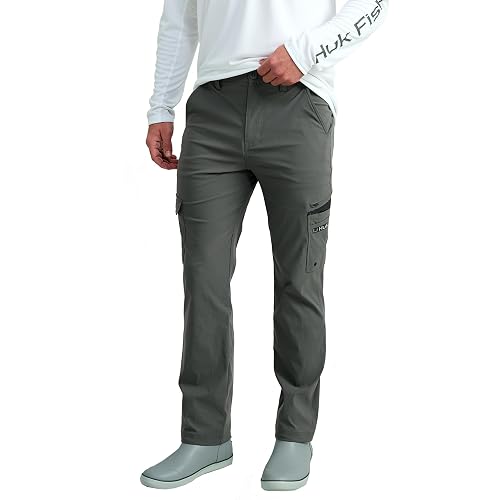
HUK Icon Pro Performance Cargo Pants

SITKA Gear Equinox Guard Hunting Pants

Moosehill Convertible Quick-Dry Pants
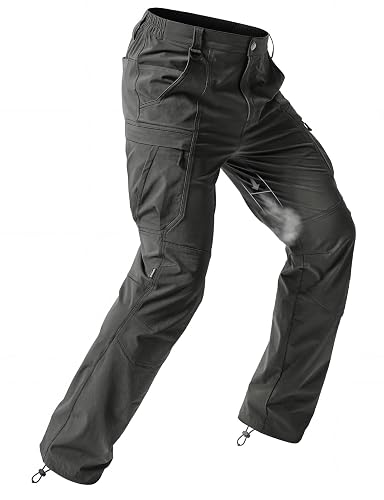
Moosehill Quick-Dry 7-Pocket Pants
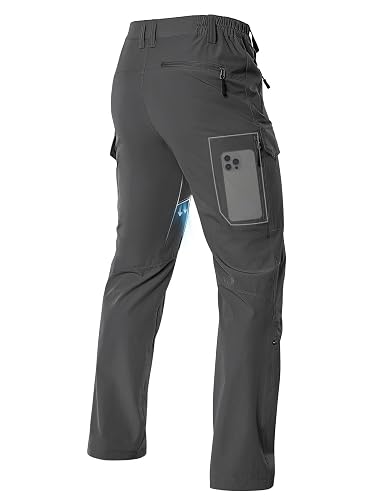
Moosehill Lightweight Stretch Hiking Pants
More On The Choices That Made The List
The Icon Pro leans hard into moisture management, and you feel it on humid climbs where regular cotton-blend pants turn soggy. The 95/5 nylon-spandex build sheds sweat quickly and dries out fast at rest stops, which makes it a natural choice for anglers and boaters who spend long stretches in damp conditions.
Cargo pockets with velcro flaps sit low on the thigh and stay quiet against the leg when you bushwhack. Compared with the SITKA Equinox Guard below, this HUK feels more like an all-around outdoor pant than a hunting-specific piece, so it crosses over cleanly into hiking and kayak days.
Everyday Advantages
- Synthetic blend wicks sweat and breathes for warm-weather days.
- Velcro cargo pockets keep small gear secure without flapping.
- Elastic waistband plus zippered fly delivers an easy, adjustable fit.
- Lightweight nylon handles creek crossings and dries out fast.
- Doubles as a fishing or paddling pant, not just a hiking one.
Things To Consider
- Not built around dedicated hiking features like articulated knees.
- Cargo pockets may feel bulky under a hipbelt on full-pack days.
- Owners commonly report the fabric runs warm in direct midday sun.
Key Specs
Who It Suits Best
Anglers, paddlers, and casual hikers tackling warm, humid weather where sweat management matters more than backpacking-grade features.
Where Another Pick Suits Better
Pick the Moosehill Quick-Dry 7-Pocket Pants if you want a true hiking silhouette with more storage for maps, snacks, and a phone.
The Equinox Guard sits in the ultralight end of the hunting-pant world, and you feel that the moment you pull them on. The SITKA-developed fabric moves air across your legs and pulls sweat off the skin, which keeps long stalks and slow glassing sessions far more bearable in late-summer humidity.
Zippered leg vents run from mid-thigh down and open wide when you pick up the pace, then zip back up for full coverage when the breeze picks up. Compared with the HUK Icon Pro above, this SITKA pair leans much more toward hot, still-weather performance and stays quieter against the skin.
Useful Strengths
- Zippered leg vents dump heat fast during steep climbs.
- Lightweight build packs down small in a hunting pack.
- Specialized fabric wicks moisture without sticky buildup.
- Designed to layer under shells without bulk.
Honest Caveats
- Fabric is thin enough to snag on sharp brush or thorns.
- Color and pattern choices skew toward hunting rather than casual wear.
- You may find the slim cut tight over base layers in cold weather.
Made For
Hunters and hikers moving slowly through hot, humid terrain who want airflow over rugged construction.
Consider Something Else When
Choose the Moosehill Convertible Quick-Dry Pants if your route crosses four seasons in a single day and you want zip-off legs for sudden warmth.
Convertible pants earn their place when the morning starts cold and the valley turns hot by noon. The zip-off legs let you swap from full coverage to shorts at the saddle without stopping to dig through your bag for a layer swap. On ridges with strong sun and shaded forest alike, that single feature removes one of the most common packing headaches.
The quick-dry shell sheds creek splashes and surprise rain without weighing you down on the descent. Stack it against the HUK Icon Pro above and you give up some fishing-specific storage in exchange for a real hiking cut and on-the-fly versatility.
The Good Stuff
- Zip-off legs shift from pants to shorts without changing layers.
- Quick-dry finish handles creek crossings and light rain.
- Lightweight shell packs small for travel and backpacking.
Points To Note
- Zip seams at the knee can wear out faster than standard seams.
- Owners commonly report the leg zippers feel stiff on first use.
At A Glance
Best Suited To
Day hikers and backpackers tackling variable conditions who want one pant that handles both warm valleys and cooler ridgelines.
Look Elsewhere When
Pick the SITKA Gear Equinox Guard Hunting Pants if you mostly hunt or stalk in hot, humid weather and want venting built into the design.
Storage quietly makes or breaks a long day on the trail, and this Moosehill pair leans hard into that side of the equation. Seven pockets handle the usual phone, map, and snack loadout, plus a few extras for tick remover, trail permits, or a stashed granola bar that needs to survive a scramble.
The quick-dry, breathable shell stays comfortable through humid creek sections and warm midday climbs. Against the Moosehill Convertible above, you trade the zip-off legs for a deeper pocket layout and a more traditional hiking silhouette.
What Pays Off
- Seven pockets keep gear organized and easy to reach.
- Breathable, quick-dry fabric handles sweat and water crossings.
- Lightweight build suits travel and backpacking days.
- Standard hiking cut layers cleanly over base garments.
A Few Limitations
- Extra pockets add slight bulk compared to minimalist designs.
- Owners commonly report pocket zippers feel lighter than premium builds.
Right Fit For
Hikers and travelers who want a do-it-all pant with enough storage for a full day out without reaching for a pack.
Skip It When
Choose the Moosehill Lightweight Stretch Hiking Pants if stretch and unrestricted movement matter more than storage capacity.

Some hikes call for technical features, and some just call for a pant that disappears on your legs. The stretch build here moves with every high step, scramble, and bent-knee descent, so the fabric never fights you when the terrain gets interesting. You feel the difference mostly in long days where stiff seams start to bind.
The lightweight shell works just as well for travel days, city walks, and casual trail loops alike, which makes it a versatile everyday option. Compare it to the Moosehill Quick-Dry 7-Pocket Pants above and the trade-off is fewer pockets in exchange for a more flexible, lower-bulk feel.
Points In Its Favor
- Stretch fabric follows your stride on climbs and scrambles.
- Lightweight shell feels comfortable across long days.
- Versatile enough for travel and casual wear off the trail.
- Quick-dry handling keeps you moving through light weather.
Where It Is Less Suited
- Fewer pockets than storage-focused competitors.
- Stretch fabric can feel less rugged under heavy brush.
Feature Snapshot
Whose Shelf It Belongs On
Casual hikers, travelers, and anyone who wants one pant that handles the trail, the campsite, and the post-hike meal.
Another Choice May Suit
Pick the HUK Icon Pro Performance Cargo Pants if your outings lean wet and you want fishing-grade cargo storage.
What Matters Most Before Choosing Mens Hiking Pants
Fabric and Moisture Handling
Nylon and polyester blends lead the category because they dry quickly after stream crossings and pull sweat off the skin. A small percentage of spandex adds stretch for high steps and scrambles. For humid climates, lean toward lighter weaves that breathe instead of thick cotton-blend pants that stay wet for hours.
Fit and Mobility
A gusseted crotch, articulated knees, and a touch of elastane keep fabric from binding on long climbs. For backpackers, check that the waistband sits comfortably under a hipbelt without rolling or pinching. Convertible designs work well if your routes cross wide temperature swings.
Pockets and Practical Storage
Pocket layout matters more than most shoppers expect. Map pockets, zippered security pockets, and hand pockets balance storage without bulk. Cargo pockets help on fishing and hunting days but can interfere with a snug hipbelt on full-pack hikes.
Weather and Terrain Match
Hot, dry climbs call for airflow and light colors. Wet brush and cool mornings call for tougher weaves that handle abrasion. Convertible zips add versatility but add weight and seam points. Match the pant to your most common trail, not your most extreme one.
Key Considerations Across These Picks
Wrong Turns To Avoid
A common trap is buying technical pants built around a feature you never use, such as zip-off legs on a route locked to one climate, or ultralight hunting fabric for thick brush. Check your actual trail profile before chasing specs on paper.
Where The Extra Money Goes
Higher-tier pairs typically spend the budget on fabric technology, quieter seams, better zippers, and tougher pocket construction. The upgrade pays off on long days, heavy brush, or wet weather, where cheap seams and thin fabric tend to fail first.
Frequently Asked Questions
What fabric works best for mens hiking pants?
Synthetic blends like nylon and polyester dry fastest, handle sweat well, and resist abrasion on brushy trails. A small amount of spandex adds stretch for climbs.
Are convertible zip-off pants worth it?
Yes, on routes with big temperature swings between valleys and summits. They add weight and a zipper seam at the knee, so ultralight backpackers sometimes prefer shorts layered under tights.
How should hiking pants fit?
Snug at the waist without pinching, with room to squat and high-step without binding. The hem should sit just above your hiking shoe without dragging on the ground.
Can I wear regular athletic pants for hiking?
Light athletic pants work for short, dry trails. They tend to stay wet after stream splashes, snag on brush, and lack the pocket layout of purpose-built hiking pants.
How do I care for hiking pants?
Wash in cold water, skip fabric softener, and tumble dry low or line dry. Softener coats moisture-wicking fibers and reduces their ability to pull sweat off your skin.
Bottom Line
Mens hiking pants cover a wide range of trail styles, and the right pick depends on the weather you hike in and the storage you actually need. Match the fabric to your climate, the pockets to your gear, and the cut to your pack. Any of the five options here will serve a dedicated trail user well when matched to the right conditions.