
A good hiking vest pulls double duty: it traps warmth around your core where it counts most, and it leaves your arms unencumbered so trekking poles, scrambles, and camera work all feel natural. The trouble is finding one that breathes on the climb up, blocks wind on the ridge, and still packs down small when you strip layers at the trailhead. This list focuses on ten vests that handle that core-versus-arm tradeoff in different ways, so you can match the right build to your climate, terrain, and how hard you tend to push.
The Choices Worth Comparing

KUIU Guide PRO Fleece-Lined Soft Shell Vest
Champion Packable Puffer Vest with Stand Collar
TACVASEN Softshell Sleeveless Windproof Vest

Columbia Steens Mountain Vest

Yellowstone Dutton Ranch Soft Shell Vest
Spyder Bandit Stretch Fleece Vest
Champion Quilted Puffer Vest with Logo
Drake Waterfowl Camp Fleece Full-Zip Vest
Pioneer Camp Polar Fleece 5-Pocket Vest
The Details Behind The Selections
The KUIU Guide PRO targets serious backcountry use, layering a wind- and water-resistant soft shell over a fleece interior that holds warmth close to the body. On a cold glassing session at first light, that combination keeps the core warm while the sleeveless cut lets you shoulder a rifle or raise binoculars without binding.
Compared with the Champion packable that leads with travel convenience, the Guide PRO leans into durability over packability. For most long-range hunters and serious trekkers, the trade feels worth it.
The Case For It
- Wind- and water-resistant outer shell handles light precipitation and cold gusts on exposed ridgelines
- Fleece interior adds insulation without bulk, so the vest layers cleanly under a shell
- Sleeveless cut preserves full arm mobility for trekking poles, climbing moves, and shouldering gear
- Built for repeated heavy use in rough terrain
Points To Keep In Mind
- Heavier than the Champion packable option, so it does not stuff into a daypack as easily
- Outer fabric can pick up odor during multi-day hunts and benefits from aired-out rest days
Key Specs
Made For
Backcountry hunters and alpine trekkers who need warmth plus weather resistance in one piece.
Consider Something Else When
Light packers focused on saving space may prefer the Champion Packable Puffer Vest, which stuffs down smaller for travel days.
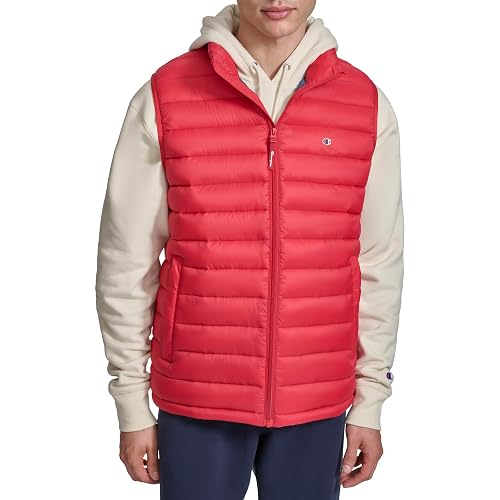
Champion’s packable puffer compresses into its own pocket for travel days, which is a quiet superpower when packing space is at a premium. The stand collar adds a bit of neck coverage that matters more than you’d expect on a chilly morning walk or a windy trail.
Whereas the KUIU Guide PRO is built to take abuse, this one is built to disappear into a carry-on. For most travelers and casual day hikers, the convenience outweighs the ruggedness.
Well-Handled Touches
- Packs into its own pocket, saving space in luggage and daypacks
- Stand collar adds neck warmth without needing a scarf
- Lightweight fill traps core heat while keeping arms free
- Versatile enough for travel, errands, and trail use alike
Things To Consider
- Outer shell is lighter weight than the KUIU soft shell, so it scuffs more easily on rough rock
- Best suited to cool rather than truly cold conditions on its own
Best Suited To
Travelers and casual hikers who want warm core coverage without carrying bulk in their pack.
Look Elsewhere When
Backcountry hunters pushing into rough, wet terrain may prefer the tougher KUIU Guide PRO for its weather resistance.
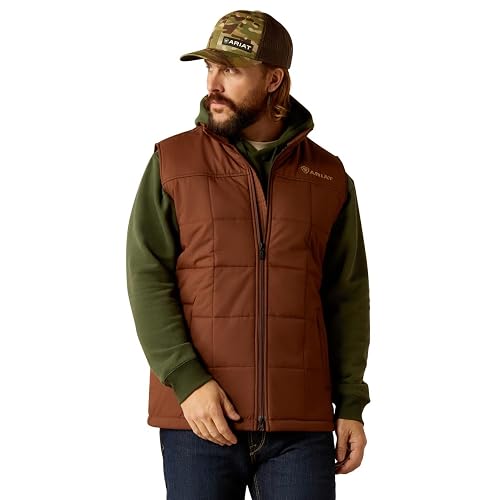
The ARIAT Crius uses a quilted crosshatch pattern to deliver warmth without the puffy marshmallow look that some wearers want to avoid. It layers over a long-sleeve base or knit shirt without bunching at the waist, which is the detail that makes it work around the barn or the office.
Compared with the Columbia Steens Mountain fleece, the Crius looks dressier and feels more tailored. For most people who split time between work and the trail, the styling is the main reason to choose it.
Strong Points
- Quilted crosshatch pattern offers bulk-free warmth with a clean look
- Tailored cut layers smoothly over knit shirts and base layers
- Transitions easily from ranch chores to a dinner out
Trade Offs
- Less weather resistance than the KUIU or TACVASEN soft shell options
- Quilted baffles may flatten over years of heavy compression in a pack
Right Fit For
Ranch hands and style-conscious wearers who want a warm vest that works on and off the property.
Skip It When
Hikers facing wet, windy conditions should reach for the TACVASEN Softshell Vest for its wind-blocking build.
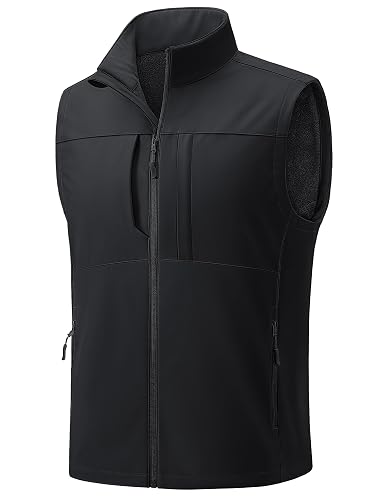
TACVASEN positions this vest for both golf and hiking, which tells you the priority: wind blocking over insulation. On a breezy fairway or a windy ridge, that focus pays off, since wind chill hits the chest first and a sleeveless soft shell stops it without overheating your arms.
Against the Columbia Steens fleece, this vest trades insulation for weather protection. For most budget-conscious golfers and hikers, the trade is the right one for shoulder-season use.
What It Does Well
- Windproof soft shell blocks gusts that cut through fleece on exposed courses and ridges
- Sleeveless cut keeps arms unrestricted for swings, poles, and camera work
- Works as a layer or a standalone piece in cool, dry weather
- Priced for shoppers building a kit without overspending
Points To Note
- Less insulating than the Columbia fleece, so it needs a base layer in colder weather
- Soft shell fabric picks up light dust on dry trails and benefits from a brush-down after dusty hikes
Feature Snapshot
Whose Shelf It Belongs On
Budget hikers and golfers who deal with wind more than cold and want a versatile piece.
Another Choice May Suit
Walkers chasing pure warmth over wind blocking may prefer the Columbia Steens Mountain Vest for its fleece comfort.
The Columbia Steens Mountain is a familiar sight on trailheads and a good example of why fleece still earns its spot. On a cool autumn hike, the vest traps core heat, breathes well during climbs, and slips easily over a flannel when the temperature dips at lunch. The familiar MTR fleece lining has earned its reputation for a reason.
Compared with the wind-blocking TACVASEN, this is the comfort-first pick. For most three-season hikers, that balance is exactly right.
Practical Pluses
- Fleece construction provides reliable core warmth in cool conditions
- Breathable enough to wear during active climbs without overheating
- Layers cleanly under a shell jacket for colder days
- Lightweight and easy to pack for spontaneous trail trips
Less-Strong Areas
- Less wind-resistant than the TACVASEN or KUIU soft shell options
- Fleece tends to pill at the upper back where pack straps rub, so it benefits from occasional de-pilling
Quick Facts
Who It Suits Best
Three-season hikers who want a comfortable, breathable vest that handles most shoulder-season days.
Where Another Pick Suits Better
Hikers tackling consistently windy ridges should consider the TACVASEN Softshell Vest for stronger wind blocking.
This officially licensed Paramount Network piece leans into western style, which makes it a natural pick for fans of the show who want that ranch-inspired look. The soft shell construction handles wind and light weather, so it works as more than just merchandise.
Where the ARIAT Crius dresses up a workday, this one leans into the western wardrobe. For most fans of the series, that’s the whole point.
The Practical Payoff
- Officially licensed Yellowstone branding appeals to dedicated fans
- Soft shell fabric blocks wind on cool trail and town walks
- Styling pairs well with denim, boots, and western staples
- Doubles as fan apparel and functional layering
A Few Limitations
- Style-led design limits versatility outside of western or casual wardrobes
- Printed graphics need gentle washing to keep the logo from fading over time
Who Should Grab It
Yellowstone fans who want functional outerwear that lets them wear the show’s branding in everyday outfits.
Reach For A Different Pick When
Hikers who want versatile styling without graphic branding should consider the Columbia Steens Mountain Vest instead.
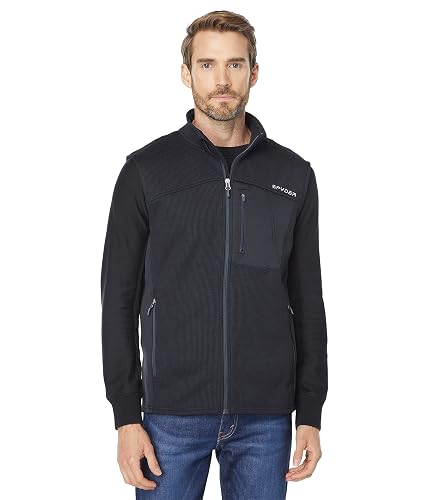
The Spyder Bandit uses stretch double-knit polyester with stretch fleece panels at the sides, which sounds technical but means something simple in practice: the vest moves with you instead of fighting your shoulders. On a spring ski tour or a chilly bouldering session, that mobility matters more than insulation weight.
Where the Columbia Steens fleece is a comfort classic, the Bandit is performance-tuned. For most active users, the difference shows up the moment you reach overhead.
The Upside
- Stretch double-knit fabric moves with the body during active pursuits
- Side fleece panels add breathability where sweat builds up
- Suitable for skiing, climbing, and other high-output activities
- Versatile enough for office or après-ski wear
Softer Spots
- Lightweight build may not carry enough warmth for static cold-weather use
- Performance fabrics benefit from sport-specific wash cycles to keep stretch intact
The Details
Built With In Mind
Active skiers, climbers, and bouldering enthusiasts who need mobility more than bulk insulation.
A Better Fit Elsewhere
Casual hikers chasing everyday comfort may find the Columbia Steens Mountain Vest a more relaxed match.
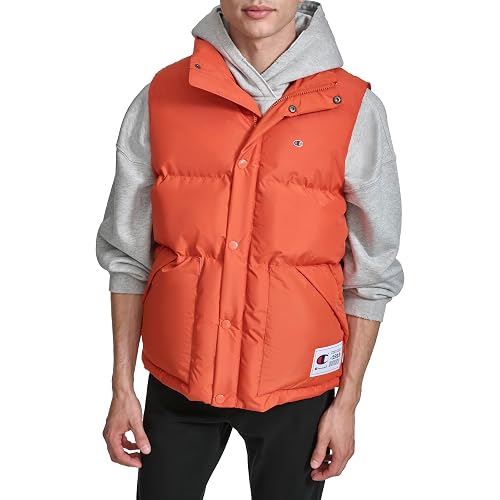
The Champion Quilted Puffer pairs down-style fill with a recognizable chest logo, which makes it the most lifestyle-leaning pick on this list. The two lower pockets offer room for a phone, gloves, or a snack, so it earns daily use rather than sitting in a closet waiting for the trail.
Compared with the Champion Packable Puffer, this one trades packability for a more substantial feel. For most people who mostly want a warm vest for daily wear, the trade is the right one.
Where It Delivers
- Quilted puffer construction provides reliable warmth for cool days
- Two lower pockets add practical carry space for daily essentials
- Classic Champion logo gives it everyday wardrobe appeal
- Works well as a standalone layer for errands and casual outings
Practical Considerations
- Less packable than the Champion Packable Puffer, so it does not stuff into a daypack as easily
- Down-style fill benefits from careful washing to keep the baffles lofted
Product Snapshot
Perfect Match For
Casual daily wearers who want a warm, logo-forward vest for errands and weekend outings.
Where A Sibling Pick Shines
Travelers wanting the same Champion warmth in a smaller pack size may prefer the Champion Packable Puffer Vest.
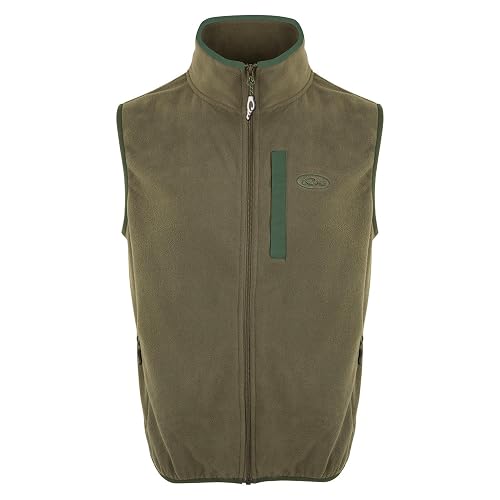
Drake Waterfowl’s Camp Fleece is a lightweight microfleece full-zip vest designed for layering rather than standalone warmth. On a cool spring hunt, it slips under a heavier shell without bulk, then gets stripped down when the sun warms the tree line.
Where the Columbia Steens fleece works as a standalone piece, the Camp Fleece leans into its role as a layer. For most hunters and layered hikers, that role is exactly what they need.
What Stands Out
- Lightweight poly-fleece breathes well during active wear
- Moisture-wicking finish keeps sweat moving during climbs
- Full-zip design allows quick venting on the move
- Layering-friendly cut fits under shells and over base layers
What To Weigh
- Lightweight build means it does not stand alone in genuinely cold weather
- Available in multiple configurations, so picking the right one matters before checkout
Feature Rundown
Who Will Love This
Hunters and hikers who treat vests as part of a layering system rather than a standalone outer piece.
Swap It Out When
Wearers wanting one piece that handles cold on its own may prefer the Columbia Steens Mountain Vest for more standalone warmth.
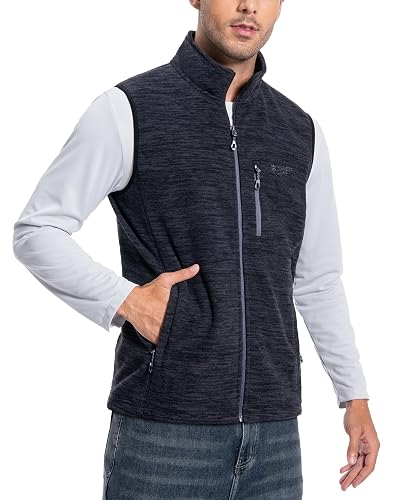
The Pioneer Camp polar fleece stands out for one detail that hikers notice quickly: five pockets, which means room for a phone, snacks, gloves, a map, and a multitool without a backpack. On a quick local loop, that kind of storage turns a vest into a small kit.
Compared with the Columbia Steens fleece, this one adds utility at the cost of a cleaner silhouette. For most hikers who like organization over minimalism, the trade works.
What Earns Its Place
- Five pockets handle phone, snacks, gloves, and small gear without a pack
- Polar fleece traps warmth for cool-weather walks and short hikes
- Full-zip front makes venting and layering easy
- Lightweight build is comfortable for all-day wear
Honest Caveats
- Extra pockets add bulk to the silhouette compared to the Columbia Steens
- Fleece benefits from a lint brush now and then, especially after wearing under a shell
The Right Fit
Organized day hikers who want to skip a small pack on quick outings and keep gear within easy reach.
Not Your Match When
Wearers who want a clean, minimal silhouette may prefer the streamlined Columbia Steens Mountain Vest instead.
Finding The Right Vest For Your Trail
Insulation type and weight set the foundation
Down-style fill packs small and traps heat efficiently, but it struggles once it gets wet. Synthetic insulation handles damp conditions better and dries faster, which matters on multi-day trips where you cannot always keep gear dry. Fleece sits in its own category: less compressible, but reliably breathable and quick to dry, which is why trail staples like the Columbia Steens Mountain have stuck around for years.
Shell fabric decides your weather window
Soft shell vests block wind and shrug off light rain, making them the right call for exposed ridges and breezy fairways. Quilted and fleece vests breathe better during high-output climbs but let wind cut through more easily. For most three-season hikers, the smart move is to own one of each: a fleece or quilted mid-weight piece, and a soft shell for the gusty ones.
Fit and mobility matter more than specs suggest
A vest that fits well through the chest but pulls at the shoulders will get left at home. Reach-based movement (raising binoculars, shouldering a pack, swinging trekking poles) is the real test of any vest, especially performance picks like the Spyder Bandit that prioritize stretch.
Pockets and storage reflect how you hike
Five-pocket vests like the Pioneer Camp replace a small daypack for quick outings. Minimal pocket layouts force you to bring a pack or carry nothing extra. The right answer depends on whether you treat a vest as a base layer, a mid layer, or a stand-alone kit.
Smart Choices Before You Buy
Pitfalls Shoppers Hit
The most common mistake is buying a vest by insulation weight alone, which ignores shell fabric and fit. A heavy down vest with a thin shell may feel great in the parking lot and turn into a wet sponge on a damp trail. Another trap is treating “water resistant” as waterproof, since most hiking vests handle light drizzle, not steady rain. Finally, ignoring pocket layout forces you into a backpack you didn’t plan to carry.
When Paying More Pays Off
Higher-tier vests typically add tougher face fabrics, better seam construction, and smarter pocket layouts that hold up to years of pack-strap abrasion. For most hikers who log real trail miles weekly, those details pay off through durability rather than warmth. Casual wearers who mostly want a vest for errands and weekend walks can usually save money without missing much.
Frequently Asked Questions
What makes a vest good for hiking specifically?
A hiking vest balances core warmth with arm mobility, so you can swing trekking poles, raise binoculars, or shoulder a pack without restriction. Lightweight shell fabrics and breathable insulation matter more than raw loft, since hiking generates body heat that needs to escape on climbs.
Is fleece or a soft shell vest better for hiking?
Fleece breathes better and handles sweat more comfortably during active use, while soft shell protects against wind and light rain. Most three-season hikers end up wanting one of each, since they cover different weather windows.
Can a hiking vest replace a jacket?
For cool, dry weather, yes, especially when paired with a base layer underneath. For cold, wet, or windy conditions, a vest works best as part of a layering system rather than as a standalone outer piece.
How should a hiking vest fit?
The vest should sit close enough to trap heat but loose enough to layer over a base layer or under a shell. Shoulder mobility matters most: you should be able to reach forward and overhead without pulling at the seams.
Are packable puffer vests good for hiking?
Packable puffer vests shine on travel days and short hikes, but their thin shells scuff easily on rough rock and they pack down better than they stand up to abuse. For rugged trails, a dedicated hiking vest with tougher fabric usually lasts longer.
Closing Remarks
A hiking vest earns its place by solving one specific problem: keeping your core warm while leaving your arms free to work. Match the build to the conditions you face most, and the rest tends to take care of itself. Whether you lean toward rugged backcountry hunting, breezy ridge walks, or quiet weekend loops, the right vest becomes the piece you grab without thinking.