
There’s a specific kind of tired that sets in halfway up a steep ridge when your boots are too stiff, too soggy, or simply not made for the terrain underfoot. Choosing mountain walking boots that match your routes and habits saves your feet, your knees, and honestly, your mood on long days outside. The eight options below cover everything from casual waterproof hiking shoes to heavy-duty mountaineering rigs and cold-weather insulated pairs, so you can match gear to the mountains you actually plan to walk.
The Main Contenders

Columbia Men’s Firecamp Boot

Lowa Zephyr GTX Mid TF Hiking Boot
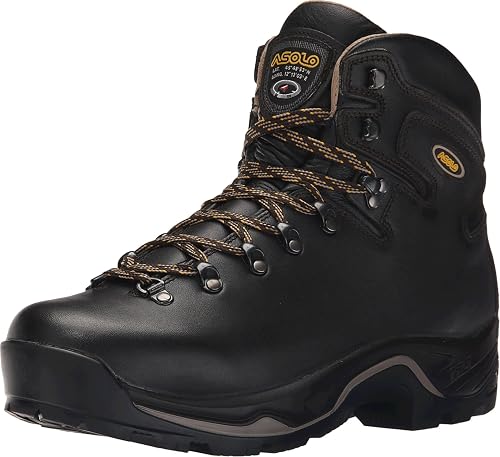
ASOLO Men’s TPS 535 LTH V Evo

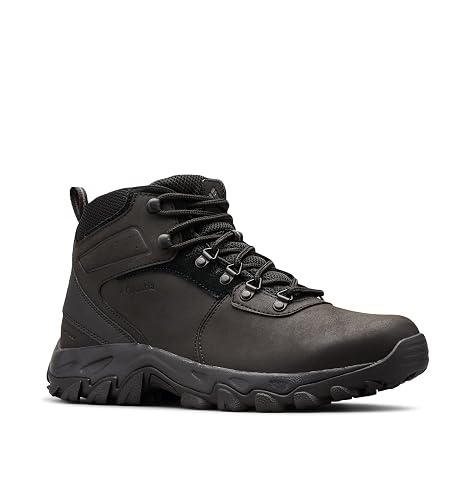
Columbia Newton Ridge Plus II Waterproof
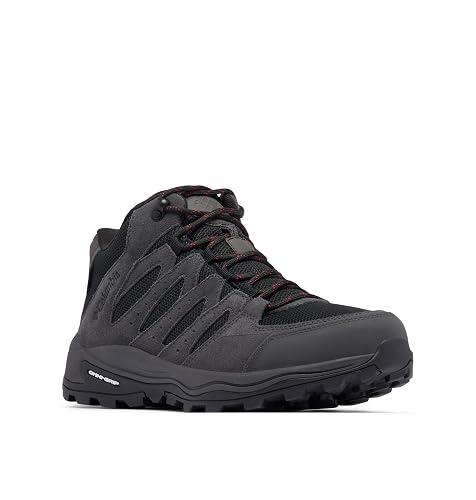
Columbia Men’s Redmond IV Mid Waterproof
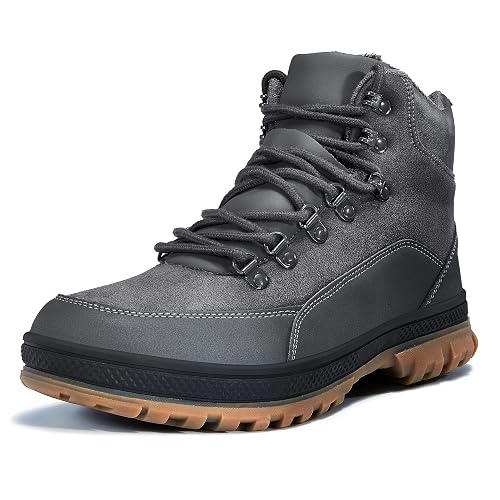
Wondamo Men’s Winter Hiking Snow Boots

Wondamo Men’s Insulated Winter Snow Boots
The Details Behind The Selections
The Columbia Firecamp Boot sits in the sweet spot for hikers who want one pair to handle shoulder-season trails, muddy morning walks, and quick winter scrambles. Its construction leans on waterproof materials paired with plush internal cushioning, so feet stay dry during stream crossings and comfortable on long descents where every step jars upward through your legs. The low-bulk insulation adds warmth without making the boot feel clunky, which matters when you’re navigating rocky switchbacks that demand precise footwork.
Compared to the heavier ASOLO TPS 535 covered later, the Firecamp feels nimbler on the foot and easier to break in straight out of the box. Multiple color options let you match personal style, and the brand offers a wide sizing range that helps those with hard-to-fit feet. For weekend hikers logging moderate distances in variable weather, this boot punches well above its weight class.
Everyday Wins
- Waterproof construction keeps feet dry during stream crossings and wet grass
- Plush cushioning reduces foot fatigue on multi-hour walks
- Low-bulk insulation adds warmth without overheating on warmer days
- Lightweight feel compared to traditional mountaineering boots
- Available in multiple colors and sizes for a personalized fit
Worth Noting
- Not built for technical alpine routes requiring crampon compatibility
- May run warm on hot summer days at lower elevations
Who It Suits Best
Year-round trail walkers who tackle mixed terrain in changing weather and want one boot to cover most conditions.
Skip It When
Technical mountaineering pushes you toward the heavier Lowa Zephyr GTX Mid TF, which is built for more demanding routes.
The Lowa Zephyr GTX Mid TF reflects decades of European bootmaking tradition, handcrafted with attention to detail that mass-produced hiking shoes rarely match. The GTX in its name refers to a Gore-Tex waterproof and breathable lining, a technical feature that keeps water out while letting sweat vapor escape, critical for long days on rugged terrain. The mid-cut height wraps the ankle securely without restricting forward motion, striking a balance between support and agility.
Where the Columbia Firecamp feels light and casual, the Zephyr feels purposeful and rooted, ready to handle scree fields, exposed ridges, and multi-day backcountry routes. Owners of Lowa boots commonly report that the construction holds up across years of heavy use, particularly when properly maintained. For hikers who treat their boots as long-term investments rather than disposable gear, this pick justifies its tier.
Everyday Advantages
- Handmade European construction emphasizes quality control and durability
- Gore-Tex lining provides waterproofing while remaining breathable on climbs
- Mid-cut design supports ankles on uneven mountain terrain
- Touted by climbers and mountaineers for demanding routes
Trade Offs
- Heavier and stiffer than entry-level hiking shoes
- Break-in period of several hikes typically required
- Premium tier pricing puts it beyond casual weekend budgets
Right Fit For
Serious mountain hikers tackling technical terrain who prioritize long-term durability over upfront cost.
Consider Something Else When
Casual day hikers find the Columbia Fairbanks Low more approachable and easier on the wallet for gentle trail use.
The ASOLO TPS 535 LTH V Evo is a serious piece of footwear designed for hikers who treat mountains as a long-term pursuit rather than a casual hobby. Its full-grain leather upper, ranging in thickness between 2.2 and 2.4 millimeters, gives the boot a sturdy shell that resists abrasion from rocks, roots, and the general wear of multi-day expeditions. Cambrelle lining wicks moisture away from the foot, which matters when you’re pushing through long days in damp conditions.
Compared to the lighter Columbia options earlier in this list, the ASOLO feels heavier on first lift but rewards you with stability on rough descents and heavy pack trips. The rubber toe and heel randing (a protective rubber band wrapping the lower boot) shields against rock strikes that would shred lighter shoes in a single season. Backpackers carrying 30-plus pounds will appreciate the platform it creates underfoot.
Practical Pluses
- Full-grain leather upper resists abrasion on rocky trails
- Stable platform supports heavy pack loads on multi-day trips
- Cambrelle lining manages moisture during long hiking days
Room For Improvement
- Heavier than low-cut hiking shoes, increasing leg effort over distance
- Stiff outsole feels rigid until properly broken in
- Requires leather conditioning to maintain water resistance over time
Best Suited To
Technical backpackers carrying heavy loads across rugged, multi-day terrain who need a boot that holds up season after season.
Reach For A Different Pick When
Day hikers seeking lighter weight for short trails may prefer the Columbia Newton Ridge Plus II Waterproof covered below.
The Columbia Fairbanks Low is the kind of hiking shoe you grab for a quick loop before lunch or a casual weekend at the lake. Suede leather paired with breathable mesh webbing keeps the upper lightweight and ventilated, which makes the shoe feel almost like an athletic sneaker on easy terrain. The Omni-Grip rubber outsole handles dirt paths, gravel trails, and damp rocks without much fuss, though you may find it skates on slick wet boulders.
Where the ASOLO TPS 535 above is built for backcountry expeditions, the Fairbanks Low is built for low-commitment days, the kind of outing where you park the car, walk five miles, and head home for lunch. The Techlite cushioned midsole softens impact on paved approaches and gentle trails alike. This is a sensible choice for new hikers building habits.
What It Does Well
- Lightweight feel reduces leg fatigue on shorter walks
- Breathable mesh webbing keeps feet cooler in warm weather
- Accessible price point for first-time boot shoppers
Points To Keep In Mind
- Low-cut design offers minimal ankle support on uneven ground
- Not suited for technical mountain terrain or heavy loads
- Suede upper requires prompt cleaning after muddy outings
Who Should Grab It
Casual day hikers walking established, low-difficulty trails who want comfort and easy break-in over heavy-duty protection.
Look Elsewhere When
Winter conditions or deep snow push you toward the Wondamo Insulated Winter Snow Boots reviewed later in this list.
The Newton Ridge Plus II Waterproof sits in a comfortable spot for hikers who want real trail performance without strapping into a heavy mountaineering boot. Columbia builds these with a combination leather and mesh upper, balancing durability against breathability in a way that works across three-season conditions. The waterproof membrane inside keeps slush and shallow puddles from soaking through on rainy days.
Versus the Fairbanks Low above, this shoe offers more structure and ankle security, stepping up to handle rougher trails with loose rock and steeper grades. It’s lighter than the ASOLO TPS 535, which makes it friendlier for hikers not carrying a full backpack. For most weekend adventurers, this is the pair that handles the majority of trail conditions comfortably.
Useful Highlights
- Waterproof membrane sheds rain and morning dew on trail
- Lighter than full-leather backpacking boots
- Versatile across day hikes and light overnight trips
Small Caveats
- Not insulated for genuine winter or deep-snow use
- Mid-cut height less protective than taller mountaineering boots
The Right Fit
Weekend trail adventurers who want a versatile boot that handles varied conditions without specialized design.
Swap It Out When
Heavy packs or technical routes make the Lowa Zephyr GTX Mid TF a stronger choice for the demands ahead.
The Redmond IV Mid Waterproof is Columbia’s middle-ground hiking boot, designed for people who step onto wet trails more days than not. Its waterproof build matters when morning dew soaks the grass along your route or when you cross a creek that runs higher than expected. The mid-cut profile wraps the ankle more securely than the Fairbanks Low covered earlier, helping when the trail tilts sideways or you’re carrying a daypack with extra weight.
Walking daily in boots like these tends to build reliability through routine, and the Redmond is built for exactly that. Compared to the Newton Ridge above, this model leans slightly more toward wet-weather performance with a structure suited to soggy conditions. It handles rain, mud, and slush with a confident stride, the type of shoe you lace up on auto-pilot.
A Strong Showing
- Waterproof construction handles frequent wet-trail days
- Mid-cut height supports ankles on uneven ground
- Comfortable enough for extended daily wear
- Available in multiple colors to suit personal preference
Honest Caveats
- Lacks insulation for freezing winter conditions
- Not designed for technical mountaineering or crampon use
Made For
Frequent wet-trail walkers who need a reliable waterproof boot for regular outings in damp climates.
Where Another Pick Suits Better
Cold-weather hikers find the Wondamo Winter Hiking Snow Boots more capable when temperatures drop below freezing.
The Wondamo Winter Hiking Snow Boots step in when the trails turn white and your standard hiking shoes would leave you miserable. Built specifically for cold-weather traction, these boots grip packed trails and icy patches more confidently than a typical waterproof hiking shoe. The taller shaft keeps snow from spilling over the top during deeper drifts, which matters more than most hikers expect until they experience the slow soak of an under-equipped boot.
Where the Columbia Redmond IV above is a fair-weather friend, the Wondamo is built for the months when frost rules the morning. The trade-off shows up in weight and breathability, as winter-specific construction adds bulk and reduces airflow compared to three-season boots. For winter walkers who log miles in snow rather than avoiding the season, this is a practical seasonal option.
Advantages To Know
- Cold-weather traction handles icy and packed-snow trails
- Taller shaft keeps snow from entering over the boot top
- Budget-friendly entry into seasonal winter footwear
Things To Weigh
- Limited versatility for warm-weather hiking
- Heavier construction can feel bulky on long summer-free routes
- Sizing may require trying on for the right winter sock fit
Who Will Love This
Winter trail walkers who hike year-round and need dedicated snow traction for the coldest months.
Not Your Match When
Three-season hikers are better served by the Columbia Firecamp, which handles varied conditions across more of the calendar.
The Wondamo Insulated Winter Snow Boots crank up the warmth factor for hikers who venture out when temperatures plunge well below freezing. Insulation packed into the boot body holds heat close to the foot, extending comfortable walking time in deep-winter mountain conditions where exposed toes can turn dangerous fast. The aggressive outsole pattern bites into compacted snow and ice, which matters when trails turn slick after a freeze-thaw cycle.
Compared to the Wondamo Winter Hiking Snow Boots above, this pair trades some agility for raw thermal protection. The construction feels more like a snow boot than a hiking boot, meaning it shines in snow but struggles on bare dirt trails in shoulder seasons. For deep-winter mountain use, though, the added insulation makes all the difference between turning back early and finishing the route.
A Few Strong Suits
- Deep insulation retains warmth in sub-freezing temperatures
- Aggressive outsole grips compacted snow and ice
- Tall shaft seals out deep snow during winter storms
Some Limits To Know
- Too warm for three-season use, limiting year-round versatility
- Bulky construction slows pace on long routes
- Not suited for technical summer hiking on dry trails
Whose Shelf It Belongs On
Deep-winter mountain hikers who need serious thermal protection for genuine cold-weather expeditions.
A Better Fit Elsewhere
Year-round hikers find the Columbia Redmond IV Mid Waterproof far more versatile across changing seasons.
What Matters When Choosing Mountain Walking Boots
Boot Height and Cut
Boot height shapes how the shoe supports your foot on uneven ground. Low-cut designs like the Columbia Fairbanks feel nimble and weigh less, which suits established paths and warm-weather walks. Mid-cut boots wrap the ankle, adding stability when carrying a daypack or crossing rocky terrain. Tall mountaineering boots like the ASOLO TPS 535 add rigidity and protection for heavy loads and serious routes. Match the cut to the roughest terrain you expect to encounter, not the easiest.
Waterproofing and Insulation
Waterproof membranes keep external moisture out while letting internal sweat vapor pass through, and they matter most on trails with stream crossings, morning dew, or frequent rain. Insulation adds bulk and warmth, ideal for cold-weather hiking but counterproductive in summer. Most three-season hikers benefit more from solid waterproofing than heavy insulation. Winter walkers should prioritize insulation over breathability since warmth retention matters more than ventilation in freezing temperatures.
Outsole Grip and Traction
The outsole rubber compound and lug pattern determine how the boot behaves on wet rock, loose dirt, mud, and snow. Sticky soft compounds grip smooth surfaces well but wear faster, while harder compounds handle abrasion better but slip more on wet rock. Aggressive lugs shed mud and bite into soft ground, while shallow lugs work fine on packed trails. Hikers who tackle varied terrain benefit from a balanced compound with moderate lug depth.
Weight, Break-In, and Fit
Boot weight compounds over distance, and what feels fine on a short loop becomes exhausting on a long ridge traverse. Stiffer boots typically require a break-in period of several hikes before they mold to your foot, while softer boots feel comfortable immediately but may wear out faster. Fit matters more than any single feature, so try boots on with the socks you plan to hike in. A properly fitting boot prevents blisters, the most common trail-ending problem.
Key Considerations Across These Picks
Common Buying Traps
First-time hiking boot shoppers often choose boots based on looks alone, then discover on the trail that the boot doesn’t match the terrain. Boots designed for paved paths fail on rocky descents, and heavy mountaineering boots exhaust hikers on short day walks. Another trap is ignoring fit variations between brands, since a size 10 in one brand may feel like a size 9.5 in another. Always prioritize terrain match and personal fit over styling or brand familiarity.
Where The Extra Money Goes
Higher-tier mountain walking boots earn their premium through materials that last across years rather than seasons. Full-grain leather uppers resist abrasion better than synthetic alternatives, and handcrafted construction like Lowa’s European build catches defects mass production misses. Premium outsoles use rubber compounds engineered for grip and longevity, while cheaper outsoles harden and lose traction as they age. For hikers who walk weekly across multiple seasons, the upgrade pays back over time through boots that don’t need replacing every other year.
Frequently Asked Questions
How do mountain walking boots differ from regular hiking shoes?
Mountain walking boots typically offer stiffer construction, taller ankle support, and more aggressive outsoles than standard hiking shoes. They’re built to handle rougher terrain, heavier loads, and more variable conditions than lighter trail shoes.
Do I need waterproof boots for mountain walking?
Waterproofing matters whenever your routes cross wet grass, streams, or muddy sections, which is most mountain trails for at least part of the year. Non-waterproof boots dry faster in camp but soak through quickly on wet trails.
How should mountain walking boots fit?
Boots should feel snug in the heel with room to wiggle toes, and you should have a thumb’s width of space at the front when standing. Try boots on at the end of the day when feet swell, and wear the socks you plan to hike with.
How long do mountain walking boots typically last?
Durable boots like full-grain leather models can last several years of regular use, while lighter synthetic boots may wear out in one to two seasons. Rotating boots between hikes and cleaning them after muddy outings extends lifespan.
Can I use running shoes for mountain walking instead?
Running shoes handle easy, dry trails but lack the support, traction, and protection needed for technical mountain terrain. For routes with steep grades, loose rock, or wet conditions, proper hiking boots reduce injury risk significantly.
Wrap Up
The right mountain walking boots come down to matching the boot’s design to the terrain you actually walk, not the terrain you imagine tackling someday. A casual hiker on established trails gets plenty from a lightweight waterproof shoe, while a backpacker carrying weight across rocky ground needs the stability of a stiffer, heavier build. Fit matters more than any feature, so try before committing when possible. Your feet carry everything else up the mountain, so give them the support that matches the climb ahead.