
A flat stuff sack under your head after eight hours on the trail is a special kind of misery. Your neck twists, your shoulders ache, and the next morning feels like you slept on a folding chair. A real pillow for hiking solves that without weighing your pack down or hogging space, and the nine options below cover the main flavors: ultimatious inflatables, hybrid foam-and-air builds, and a few that lean fully into home-pillow feel.
An Overview Of The Picks
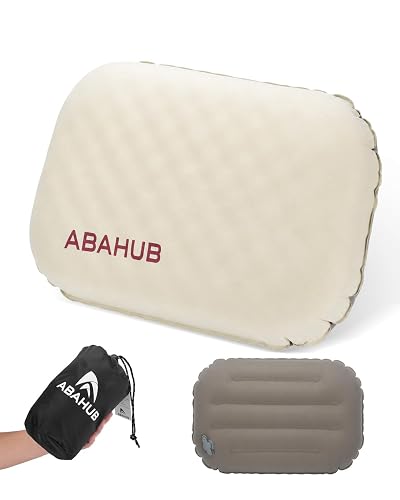
Abahub Ultralight Inflatable Camping Pillow with Memory Foam
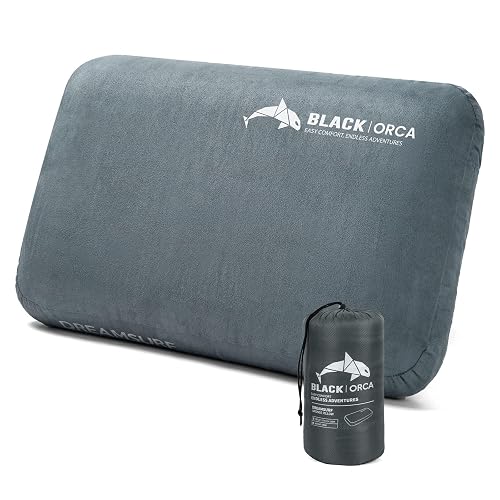
Memory Foam Camping Pillow for Backpacking and Travel

NEMO Equipment Fillo Camping Pillow (Black Pearl)
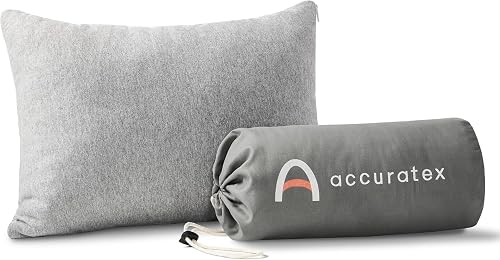
ACCURATEX Cotton Cover Compressible Travel Pillow 13×18
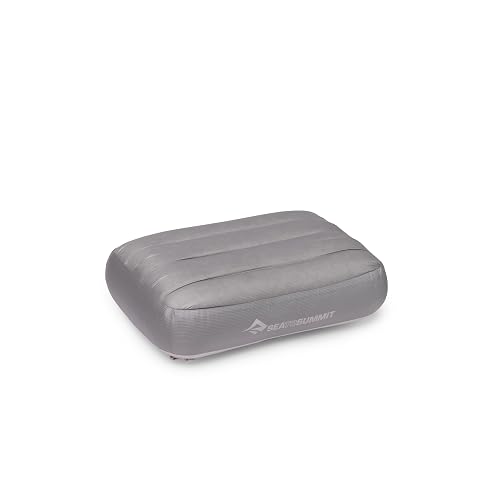
Sea to Summit Aeros Down Inflatable Pillow
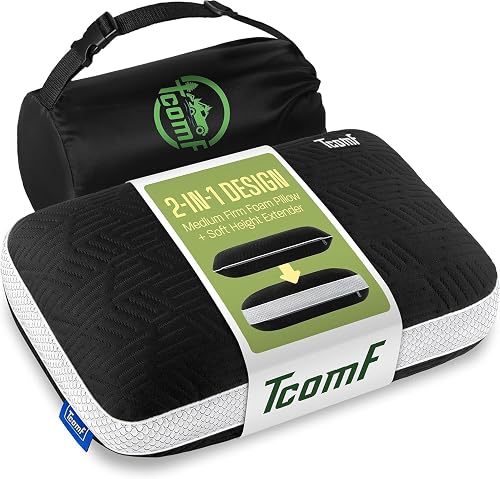
TCOMF Medium-Firm Memory Foam Camping Pillow
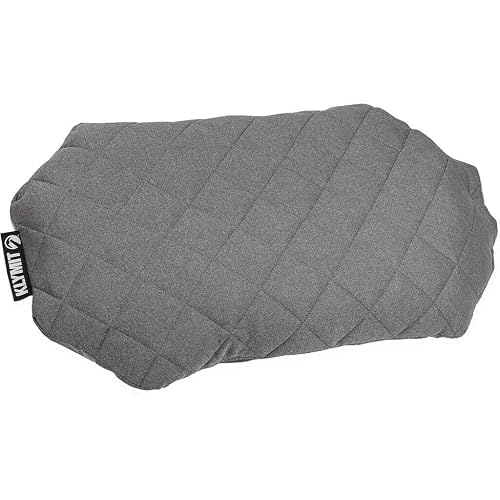
Klymit Luxe Travel Pillow, Lightweight Inflatable (Grey)
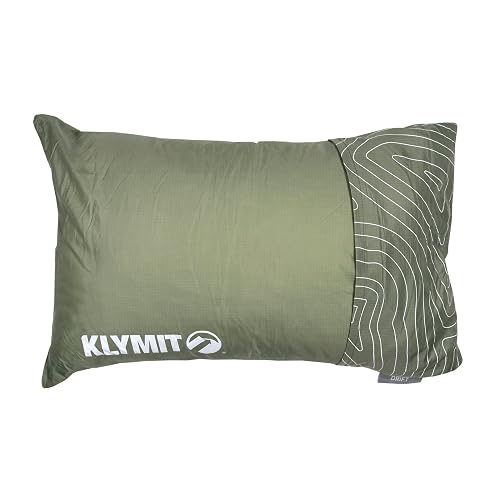
Klymit Drift Camping Pillow, Shredded Memory Foam (Large)

Sea to Summit Aeros Premium Inflatable Pillow (Lime)
Inside Each Recommended Option
The Abahub pulls double duty with an inflatable TPU bladder (a thin, flexible thermoplastic bladder that holds air) wrapped in a memory foam layer, which lands somewhere between a true ultralight pillow and a hotel-bed feel. Compared to the pure-inflatable picks on this list, it adds noticeable thickness without going full foam-brick weight. Side sleepers who have been propping themselves on deflated jackets should appreciate how the foam softens the air’s pushback under the ear.
For shoulder-season trips where mornings can flip between chilly and warm, the dual-textile cover, cool ice silk on one side and warmer flocking on the other, gives a small but real temperature cue. A dual-valve system inflates in roughly six to eight breaths and bleeds down quickly, which matters when you are fumbling in a dark tent before bed.
Strong Points
- Hybrid foam-and-air construction softens the firm pushback that pure inflatables create under the side of your face.
- Dual-side cover lets you flip between a cool-touch surface and a warmer one depending on the night.
- Adjustable firmness lets back, side, and stomach sleepers each dial in a flatter or loftier profile.
- Faster pack-down than the solid foam entries, fitting most top-lid pockets or back-panel sleeves.
Trade Offs To Consider
- Heavier than single-layer inflatable competitors, so it is less ideal for ounce-counting thru-hikers.
- Foam layers may need occasional airing after humid trips to prevent trapped moisture odors.
Feature Snapshot
Right Fit For
Side and back sleepers on weekend and section hikes who want a softer landing than a pure inflatable without hauling a foam block.
Reach For A Different Pick When
Ultralight thru-hikers focused on gram savings will do better with the Sea to Summit Aeros Premium Inflatable Pillow (Regular, Lime), which cuts the foam layer.
The BLACK ORCA is a single-piece memory foam block wrapped in a compressible shell, which is a different shape of pillow than the inflatable crowd. Where the Abahub leans on air plus foam, this one skips the air entirely and relies on the foam itself to carry the load, giving you a more grounded, less springy headrest. Long-distance hikers who have tweaked their necks on under-inflated pads will probably notice the contrast right away.
It compresses into a stuff sack the size of a small water bottle, and the foam rebounds once unrolled. For backpackers who do not mind the slight bulk trade-off, the support tradeoff pays off on cold, hard ledge camps when an air pillow would feel like a balloon.
Advantages To Know
- Solid foam core contours to the neck and holds shape under the weight of your head.
- Stuffed as one piece, so it does not need nightly inflation or fiddly valve adjustments.
- Compresses small enough for top-lid storage on most multi-day packs.
Things To Keep In Mind
- Heavier than ultralight inflatables once you factor in the stuff sack and shell.
- Solid foam traps less air, so it feels firmer and less cushioned than hybrids.
- Compresses with the foam, not air, which can take a minute or two to fully rebound after unrolling.
Best Suited To
Thru-hikers and trekkers with prior upper-body tension who prioritize neck support over low pack weight.
Consider Something Else When
Gram-shaving fast-packers will find the NEMO Equipment Fillo Camping Pillow (Black Pearl) more packable, since it cuts weight by pairing foam with an air chamber.
The NEMO Fillo is a long-running hybrid that layers a baffled air cell underneath a slab of foam, and the design has earned a quiet following among backpackers. Compared to the BLACK ORCA foam block, this one flattens down smaller because the foam gives way once you deflate the air. You also avoid the balloon-like bounce that pure-air pillows can produce, since the foam layer damps the rebound.
It packs into its own integrated stuff sack, so you do not have to track a separate bag that drifts to the bottom of your pack. The removable, washable cover is a real plus on long trips when sweat, sunscreen, and trail dust all eventually migrate to whatever your face touches.
Notable Upsides
- Three-inch I-beam air cell cradles the head without that springy balloon rebound.
- Luxury foam topper softens the surface under your jaw and ear.
- Integrated stuff sack removes one small thing to forget in camp.
- Removable fabric cover is machine washable, which trail users appreciate over time.
Honest Caveats
- More parts than a single-piece foam pillow, with a foam insert plus an air cell that can shift if overinflated.
- Cover needs full drying before storage to avoid mildew in humid climates.
Quick Facts
Whose Shelf It Belongs On
Multi-day backpackers and section hikers who want a soft feel, low packed bulk, and a washable cover for sweaty shoulder-season trips.
Not Your Match When
Campers who want a pure foam cradle with zero inflation steps will be happier with the Klymit Drift Camping Pillow (Large), since it skips the air chamber entirely.
The ACCURATEX is the coziest-feeling pick on this list, pairing a cotton outer cover with a compressible fill that flattens under hand pressure. Side-by-side with the NEMO Fillo or the Abahub hybrid, this one trades some technical features for a soft, fabric-first surface that feels closer to a household pillow than a backcountry pad.
Once expanded, it lands at a 13 by 18 inch footprint, which is generous enough for back sleepers who let their head wander. Cotton does not dry as fast as the synthetics on the other picks, so it is more of a car-camping and basecamp pillow than a wet-trail companion.
What Pays Off
- Cotton cover feels softer against the cheek than nylon or polyester shells on most inflatables.
- Generous 13 by 18 inch surface accommodates restless sleepers.
- Compresses small enough for backpacks and carry-ons.
Soft Spots Worth Knowing
- Cotton holds moisture longer than synthetic shells, so it is not ideal for damp or dewy conditions.
- Heavier in pack than pure inflatables because the filling is fabric, not air.
- Needs full airing after a trip to keep the cotton cover from holding odors.
Perfect Match For
Campers and road-trippers who camp in mild, dry conditions and want the closest thing to a home-pillow feel in the tent.
Skip It When
Backpackers in wet climates or shoulder-season rains will be better served by the Klymit Luxe Travel Pillow, since its synthetic shell dries quicker and resists morning dew.
The Aeros Down takes the brand’s signature inflatable shell and stuffs a layer of down insulation on top of the air cell, which lands somewhere between a down camp pillow and an air pillow. You still get the small packed size of an inflatable, but the surface feels more like a soft comforter than a slick nylon bladder. Compared to the standard Aeros Premium a few picks down, the down version adds noticeable loft without adding much weight.
The multi-function mini valve lets you inflate with a few breaths and fine-tune by pressing small amounts of air back out, so dialing in the right firmness takes seconds. Sea to Summit’s technical fabric exterior handles damp grass and condensation far better than the ACCURATEX cotton cover.
The Case For It
- Down insulation layer adds loft and a soft surface feel over the air chamber.
- Mini valve supports quick inflation and precise firmness tuning.
- Technical exterior handles exposure to moisture better than natural-fiber covers.
- Compresses small for trips where pack space is at a premium.
Trade-Offs To Consider
- Costs more than most other entries here because of the down layer and the brand premium.
- Down loses some loft if it packs down damp over multiple nights without drying.
- Lighter air core means side sleepers may under-inflate and feel the ground sooner than with hybrids.
Who Should Grab It
Ultralight backpackers and long-distance hikers who want a soft, premium feel and pack small enough to fit in a top-lid.
Look Elsewhere When
Campers who prefer a foam-cradled feel will find the BLACK ORCA Memory Foam Camping Pillow more supportive, since foam resists flattening more than down when you turn in your sleep.
The TCOMF pillow brings a hotel-bed feel to camp, built around viscoelastic memory foam with air channels meant to keep heat from building up under your head. Where the BLACK ORCA is a single piece of foam, this one layers in a removable Softalight cover with a height extender, giving the pillow a thicker profile for side sleepers who need their head level with their shoulders.
The dual-cover setup means you can pull off the outer layer and toss it in a machine, which is rare in this category. People who run hot at night or sleep on trips in muggy climates tend to appreciate the ventilation channels, since memory foam normally traps warmth.
The Good Stuff
- Viscoelastic core adapts to head shape and provides medium-firm support that holds throughout the night.
- Breathable ventilation channels reduce heat buildup under the head.
- Machine-washable outer cover makes post-trip cleanup simple.
- Height extender builds loft for side sleepers who need a thicker pillow.
Points To Note
- Heavier than inflatable or down entries because it is foam-driven, not air-driven.
- Softalight cover takes longer to dry than pure nylon shells on humid mornings.
Who Will Love This
Multi-trip campers and car travelers who want a washable, home-style pillow and care more about comfort than pack size.
A Better Fit Elsewhere
Thru-hikers carrying a sub-two-pound base weight will prefer the lighter Sea to Summit Aeros Premium Inflatable Pillow (Regular, Lime), since it trims weight by relying on air instead of foam.
The Klymit Luxe is a true hybrid pillow that works in the air, on a hammock ridge line, and on the ground, which is why it lands on so many travel packing lists. Deflated, it compresses to roughly 3 by 7 inches and weighs about 6.2 ounces, so it disappears into a pack’s outer pocket. Compared to the larger Klymit Drift, this one is the lighter, more packable sibling built for travelers juggling multiple nights in different sleeping setups.
You inflate it in a few breaths, and the air cell holds shape through the night without the sluggish rebound you get from thick foam blocks. Travelers who move between flights, hostels, and tents on a single trip get the most out of this build.
Everyday Wins
- Compresses to about 3 by 7 inches, fitting easily into carry-ons, hammock bags, and pack lids.
- 6.2-ounce packed weight is light enough for fast-and-light travel without skipping a pillow.
- Multi-purpose build handles airplane seats, hammocks, and tent floors with the same inflation.
Some Limits To Know
- Lacks the deep foam cradle that side sleepers with broad shoulders sometimes need.
- Air-only construction can feel bouncy compared to hybrids like the NEMO Fillo.
Who Should Grab It
Travelers juggling flights, hammocks, and tent nights who want one pillow that compresses flat in any bag.
Look Elsewhere When
Side sleepers who want a thicker, foam-topped landing should consider the NEMO Equipment Fillo Camping Pillow (Black Pearl), since it adds foam over the air cell.
The Klymit Drift is a shredded memory foam pillow wrapped in a reversible, water-resistant cover, and the feel is closer to a bedroom pillow than any other pick here. Where the BLACK ORCA uses one solid foam block, this one stuffs the shell with loose shredded foam that you can fluff or compress by hand. The result is a pillow you can shape to cradle your neck or stack under your head depending on how you sleep.
The cover flips for two textures, which is a small but useful feature on trips where you want a softer side against a sunburned cheek. The water-resistant shell handles a damp tent floor or a condensation-soaked stuff sack better than the ACCURATEX cotton cover, even if it does not feel as soft to the touch.
What Helps Most
- Shredded foam lets you shape the pillow by hand for cradling or stacking under your head.
- Reversible cover gives you two surface textures for different comfort needs.
- Water-resistant outer shell shrugs off condensation better than cotton alternatives.
Points To Watch
- Packed size is larger than pure inflatables because foam fills the space, not air.
- Shredded foam can clump over years of heavy compression and lose even support.
- Heavier than hybrid picks, so it is less suited for fast-and-light trips.
Right Fit For
Campers who camp by car or short hike and want a plush, bedroom-style pillow that survives the trail without losing its feel.
Swap It Out When
Ultralight travelers should pick the Klymit Luxe Travel Pillow instead, since it cuts weight by going full inflatable rather than carrying foam on the trail.
The Aeros Premium closes the list as a familiar, well-rounded inflatable with a soft brushed-knit face that feels warmer against the cheek than the standard nylon shell. Compared to the Aeros Down a few picks up, this one skips the down insulation in favor of a slightly lower packed weight and a more budget-friendly build. It still uses the same multi-function mini valve, so inflation and fine-tuning feel identical between the two.
Pack-down is small enough for trail use, and the technical exterior fabric holds up to condensation and morning dew. Backpackers who do not want to pay the upcharge for down still get most of the comfort story.
Standout Benefits
- Brushed-knit exterior feels softer and warmer than standard nylon inflatable shells.
- Multi-function mini valve inflates fast and lets you bleed air for precise firmness.
- Technical exterior fabric resists moisture and dries quickly after dewy nights.
- Compresses small enough to fit into a pack’s brain or top-lid pocket.
Where It May Fall Short
- Lacks the loft that the Aeros Down version adds on top of the air chamber.
- Brushed-knit face can pill over time with repeated stuff-sack friction.
- Side sleepers with broad shoulders may need extra inflation to keep the ear off the ground.
Made For
Backpackers who want a soft-feeling inflatable without paying for a down layer, and who camp in mixed weather.
Where A Sibling Pick Shines
Side sleepers chasing more loft should look at the Sea to Summit Aeros Down Inflatable Pillow, which adds the down layer for a thicker landing.
What Matters Most In A Trail Pillow
A pillow for hiking lives or dies on three trade-offs: packed size, weight, and how soft it feels after the sun goes down. Ultralight inflatables win on pack size and weight but can feel like a balloon under your ear, especially for side sleepers. Foam-based options reverse that equation by trading grams for a more grounded, household feel. Hybrid builds split the difference by layering foam over an air cell, which is why several picks here take that approach.
Backpackers chasing a true thru-hike kit will care most about packed volume and ounces, while weekend campers and car trippers can usually afford to carry a bit more for better comfort. Match the pillow to your dominant sleep position, since back sleepers can get away with thinner profiles and side sleepers generally need more thickness under the ear.
Pay attention to cover material too. Cotton covers feel soft but hold moisture, which matters on wet mornings or in humid climates. Synthetic shells and brushed knits handle condensation and dry faster. A removable, washable cover is worth its weight on multi-week trips when sweat and sunscreen build up on whatever your face touches.
If you sleep cold, an inflatable or down-topped design will let some chill radiate up from the ground through the air chamber, while a solid foam pillow insulates better and feels less drafty at 3 a.m.
Key Considerations Across These Picks
Pitfalls Shoppers Hit
The most common slip-up is choosing the thinnest inflatable on spec without testing sleep position. Side sleepers often find a low-profile air pillow leaves their ear pressed into the ground, which negates any weight savings the next morning. Another trap is overlooking cover material: a cotton-feeling pillow at home can turn into a cold, clammy surface once it absorbs dew on the trail.
Buyers also tend to skip checking packed dimensions against their pack’s lid or brain pocket. A pillow that fits in a closet drawer can still be the wrong shape for a 40-liter pack’s outer pocket, which forces awkward in-pack storage that crushes loft over time.
What The Higher Tier Buys
Paying more in this category typically buys three things: a softer top surface, a better valve for fine-tuning firmness, and lighter fabrics that pack smaller. Down-topped options like the Aeros Down add loft without adding air-sprung bounce, which is the difference between a refined and a basic night. Premium builds also tend to use more durable exterior fabrics that resist abrasion from stuff sacks and rough pack interiors over multi-season use. The upgrade is worth it most for backpackers who camp often enough to feel the difference between a basic inflatable and a cushioned one on night three of a trip.
Frequently Asked Questions
Are inflatable or foam pillows better for hiking?
Inflatable pillows pack smaller and weigh less, while foam pillows provide more consistent support and insulation. The best choice depends on your dominant sleep position and how much weight you are willing to carry.
How do I clean a camping pillow?
Most camping pillows have a removable outer cover that you can machine wash. The inner foam or air bladder should be spot-cleaned with mild soap and water, and fully dried before storage to prevent mildew.
Can I use a regular bed pillow for backpacking?
A regular bed pillow takes up far too much space and adds significant weight for backpacking. Camping pillows are designed to compress small and dry fast, which is why they outperform household options on the trail.
What thickness of pillow do side sleepers need?
Side sleepers generally need at least 3 to 4 inches of loft to keep the ear and jaw aligned with the shoulder. Thin air-only pillows often come up short, while foam and hybrid builds typically provide enough thickness for side sleeping.
Do camping pillows lose warmth overnight?
Air-only pillows allow cold from the ground to radiate up through the chamber, which can feel chilly on cold nights. Foam and down-topped designs insulate better and tend to feel warmer in cold conditions.
Closing Remarks
A pillow for hiking is one of the smallest pieces of gear that delivers one of the largest improvements to how you feel the next morning. The right pick depends on how you sleep, how far you hike, and what kind of nights you plan to camp in. Pick the build that matches your dominant sleep position and pack size, and you will sleep better on the trail without hauling any extra weight you do not need.