
A wet trail is no joke, and the wrong shell turns a quick hike into a miserable slog. You want something that actually sheds water, breathes enough that you don’t stew under it, and packs down small when the sky clears. This roundup breaks down ten options worth your attention, from hard-working budget layers to heavier shells built for serious weather.
An Overview Of The Picks
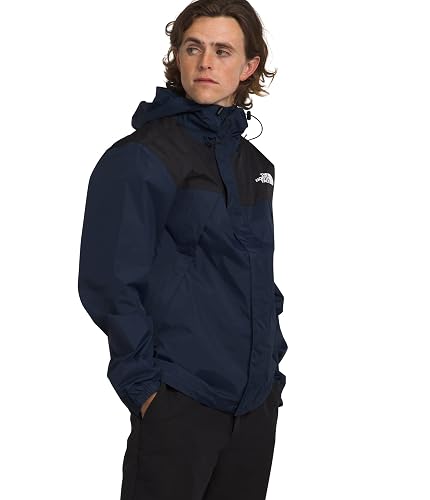
The North Face Men’s Antora Waterproof Jacket (Standard and Big Size)
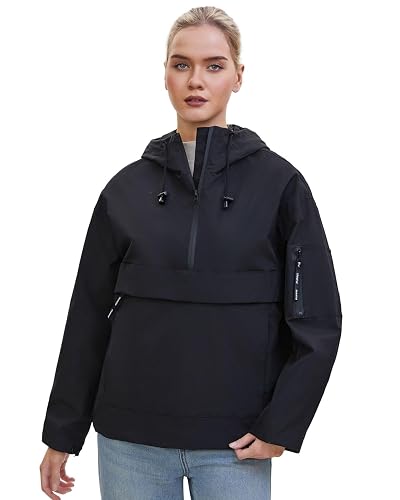
PUFFIT Women’s Lightweight Anorak Pullover Hoodie Jacket

Helikon-Tex US Model Surplus Line Poncho
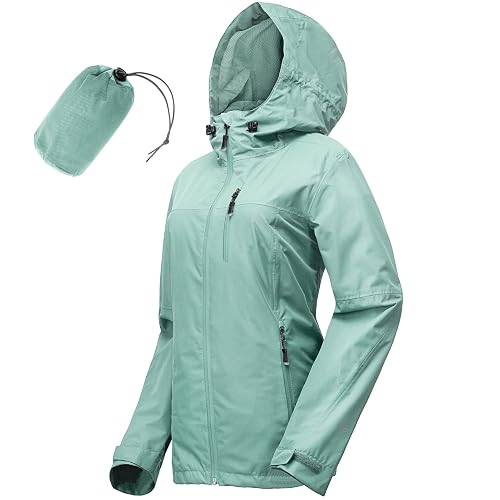
33,000ft Packable Rain Jacket for Women with Hood
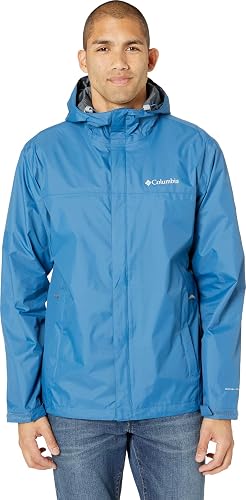
Columbia Men’s Watertight II Rain Jacket
33,000ft Women’s Waterproof Lightweight Packable Raincoat

UIQUR Mens Rain Jacket Waterproof Windbreaker
UIQUR Mens Lightweight Packable Waterproof Wind Jacket
UIQUR Mens Cycling Jacket Waterproof Rain Jacket
33,000ft Women’s Waterproof Long Rain Coat with Hood
The Antora lands squarely in “do-it-all shell” territory, the kind of jacket you grab on a drizzly morning without thinking twice. The waterproof build is geared toward trail use, with enough room to layer a fleece underneath on chilly ridgelines. Compared to the PUFFIT anorak up next, this is a more conventional full-zip rain jacket built for actual movement.
Hikers who log real miles in shoulder seasons benefit most. The cut feels roomy without being sloppy, and it handles light packs without riding up. For everyday commuters crossing wet parking lots, this is overkill, and for that crowd the Columbia Watertight II later in this list makes more sense.
Positive Points
- Waterproof shell handles steady trail rain without soaking through.
- Standard and Big Size runs cover more body types than most rivals.
- Layering room fits a light insulating midlayer for cold mornings.
- Full-zip design vents faster than pullover anoraks like the PUFFIT.
Things To Consider
- Not as compressible as the 33,000ft packable jackets on this list.
- Heavier than ultralight windbreakers, so pack weight adds up.
Who It Suits Best
Trail hikers who face real rain, want a roomier cut, and prefer a known outdoor brand.
Where Another Pick Suits Better
Thru-hikers chasing ounces should look at the UIQUR Mens Lightweight Packable Waterproof Rain Jacket Windbreaker instead.
PUFFIT’s take on the rain jacket leans casual, with that half-zip anorak look you usually see on streetwear, not trail gear. The water-resistant fabric handles drizzle and brief showers without drama. Where the Antora before it goes full hiking shell, this one straddles the line between trail and town.
The pullover hoodie cut runs shorter and trimmer than a traditional shell, so it works best for low-mile outings or wet weather around camp. Hikers who want a layer that transitions straight to a coffee shop after the hike will appreciate the styling. Anyone needing serious wet-weather armor should still reach for the Columbia Watertight II.
A Favorable Mix
- Anorak styling reads as casual, not technical.
- Lightweight fabric doesn’t weigh down a daypack.
- Water-resistant finish handles drizzly days on the trail.
- Pullover hood gives quick coverage without a full zipper.
Worth Noting
- Water-resistant, not fully waterproof like the Columbia option.
- Half-zip design vents less efficiently than full-zip shells.
- Shorter cut leaves the lower back exposed under a heavy pack.
Feature Snapshot
Made For
Casual hikers and travelers who want a rain layer that looks at home off the trail.
Skip It When
Storm-day backpackers should pick the Helikon-Tex US Model Surplus Line Poncho for proper coverage.
The Helikon-Tex poncho plays a different game than every other jacket in this roundup. It’s a wide-cut, pull-over-the-head shell designed to cover you and your pack, not just your torso. That makes it more of a survival tool than a hiking jacket, but hikers in wet climates swear by the format.
The Surplus Line model draws from military-inspired construction, which shows in the loose, no-nonsense fit. Field use, emergency kits, and long-distance backpackers with heavy packs benefit most from the extra coverage. Anyone wanting a fitted shell for fast day hikes will find this too roomy and should look at the UIQUR Cycling Jacket instead.
Advantages To Know
- Wide cut covers a backpack and keeps gear dry.
- Field-tested surplus construction handles rough use.
- Pulls double duty as a tarp or emergency shelter in a pinch.
- Easy to throw on over other layers without size worries.
Trade Offs
- Loose fit flaps in wind more than fitted jackets like the Columbia Watertight II.
- Bulky to pack compared to the 33,000ft packable raincoats.
- No tailored hood adjustment like a dedicated hiking shell.
Best Suited To
Backpackers and field users who need to keep their pack dry in serious rain.
A Better Fit Elsewhere
Speed hikers should consider the UIQUR Mens Lightweight Packable Waterproof Rain Jacket Windbreaker for a trimmer silhouette.
This 33,000ft jacket lives in the “stuff it in your bag and forget about it” category. The packable design folds down small enough for a daypack or suitcase, and the waterproof shell handles more rain than you’d expect from something so light. Compared to the PUFFIT anorak earlier, this one delivers proper waterproofing instead of just water resistance.
Travelers and commuters benefit most, especially anyone who doesn’t want to commit to carrying a full shell every day. Day hikers in mild climates can also keep it as a backup layer. Hikers heading into multi-day storms will want a more robust option like the Helikon-Tex poncho for full pack coverage.
The Practical Payoff
- Packs down small enough for luggage and daypacks.
- Waterproof shell handles real rain, not just mist.
- Hood adds protection without bulk.
- Lightweight build is easy to wear over a t-shirt.
Points To Note
- Thin fabric may feel fragile against sharp branches.
- Limited insulation, so cold-weather hikers need to layer up.
Right Fit For
Travelers, commuters, and hikers who want a stashable waterproof backup.
Not Your Match When
Backcountry travelers with heavy packs should reach for the Helikon-Tex US Model Surplus Line Poncho.
The Watertight II has earned its reputation as a dependable, no-nonsense rain shell. The waterproof-breathable build uses fully seam-sealed construction, which is a real upgrade over the basic water-resistant coatings on cheaper options like the PUFFIT earlier in this list. It’s the kind of jacket you can wear straight from the trailhead to the grocery store.
Versatility is the headline. The mesh lining keeps it comfortable against bare arms, and the lightweight construction doesn’t drag you down on a day hike. Hikers who want one shell that does trail, travel, and errand duty without complaint will get the most out of it. For ultralight backpackers, the UIQUR Lightweight Packable rain jacket saves more pack space.
What Makes Sense
- Waterproof breathable fabric manages sweat on uphill sections.
- Seam-sealed construction keeps out steady trail rain.
- Mesh lining adds next-to-skin comfort over a t-shirt.
- Works as an everyday shell, not just a hiking piece.
Room For Improvement
- Not as packable as the 33,000ft travel jackets.
- Limited insulation for cold-weather use without layering.
Feature Snapshot
Who Will Love This
Year-round hikers and commuters who want one shell to handle most conditions.
Consider Something Else When
Pack-size obsessives get more value from the 33,000ft Packable Rain Jacket for Women with Hood.
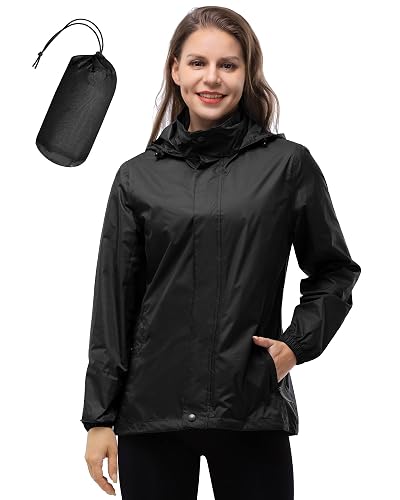
This second 33,000ft entry leans even harder into the lightweight category. Where the first 33,000ft jacket is a packable backup shell, this one is built for hikers who want a barely-there layer that still blocks rain. The waterproof rating goes beyond the water-resistant PUFFIT anorak earlier, making it a smarter trail choice.
Fast hikers and trail runners benefit most because they can stash it in a vest or hip belt without noticing the weight. Anyone who treats hiking like a long walk in the woods rather than an ultralight pursuit may want the longer-cut version, the 33,000ft Women’s Waterproof Long Rain Coat, for added coverage.
Key Advantages
- Featherweight build barely registers in a pack.
- Waterproof shell handles actual rain, not just drizzle.
- Compresses small for trail running and fastpacking.
- Women’s cut fits closer than unisex options like the Helikon-Tex poncho.
Honest Caveats
- Thin material snags more easily than heavier shells.
- Shorter cut leaves hips exposed in heavy, wind-driven rain.
- Limited features compared to technical hiking shells.
Feature Snapshot
Perfect Match For
Trail runners and fast hikers who want a barely-there waterproof shell.
Swap It Out When
Cold, stormy hikers should pick the 33,000ft Women’s Waterproof Long Rain Coat with Hood instead.
UIQUR’s basic rain jacket hits a price point that makes waterproofing accessible. The waterproof windbreaker format doubles as a shell for wind, which is a nice bonus on exposed ridgelines. It covers the same job as the Columbia Watertight II for shoppers who’d rather spend the difference on hiking socks.
New hikers and casual walkers get the most value here. It’s a sensible first shell before committing to a premium piece like The North Face Antora at the top of this list. For multi-day trips or serious storms, you’d want the heavier build of the Helikon-Tex poncho or the more refined Columbia shell.
Bright Spots
- Waterproof rating covers typical trail rain at a lower price.
- Windbreaker cut blocks cold gusts on exposed trails.
- Easy entry point for first-time rain shell shoppers.
- Light enough for short day hikes without fatigue.
Worth Bearing In Mind
- Build quality won’t match premium shells long-term.
- Fewer features than the Columbia Watertight II.
- Less breathable than higher-end waterproof-breathable options.
Who Should Grab It
Beginner hikers and casual walkers on a budget who still want a waterproof layer.
Reach For A Different Pick When
Long-distance hikers should consider the UIQUR Mens Lightweight Packable Waterproof Rain Jacket Windbreaker.
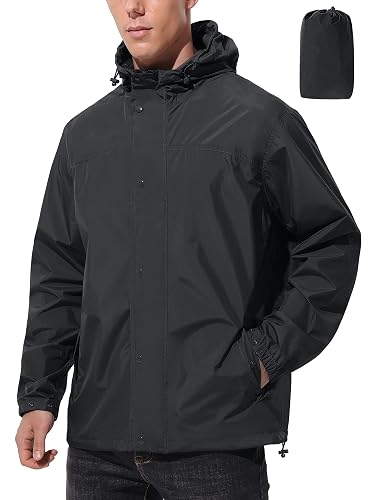
This UIQUR packable rain jacket leans into hiking-specific use more than its sibling earlier in the list. It’s listed in the hiking and outdoor recreation category, which signals a more trail-oriented design. The combination of waterproofing, windbreaker cut, and packability makes it a versatile mid-pack option.
Distance hikers who count ounces will appreciate how small it stuffs down. Casual day hikers who never look at pack weight would do fine with the more substantial Columbia Watertight II. The fit runs closer to a windshell than a roomy hiking jacket, which is something worth knowing before ordering.
Where It Delivers
- Hiking-specific category listing confirms trail-friendly design intent.
- Packable build saves room in a backpacking pack.
- Waterproof shell handles steady rain on the trail.
- Windbreaker cut is useful above the treeline.
Some Limits To Know
- Slim cut may not fit over thick insulating layers.
- No premium materials compared to The North Face Antora.
- Less durable than heavier shells like the Helikon-Tex poncho.
Feature Snapshot
Built With In Mind
Backpackers and hikers who want a trail-rated waterproof layer that packs down small.
Look Elsewhere When
Storm-grade coverage seekers should reach for the Helikon-Tex US Model Surplus Line Poncho.
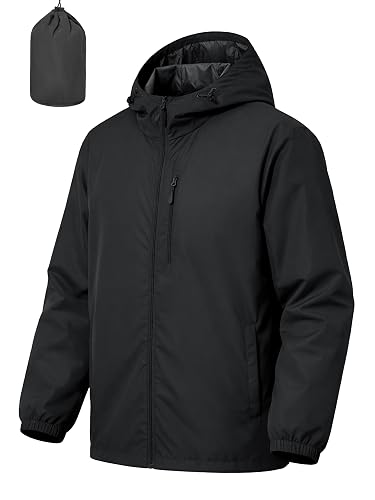
The UIQUR cycling jacket is the only true sport-cut option in this roundup. The fitted silhouette is designed for movement, which also makes it useful for trail runners and fast hikers who don’t want fabric flapping around. The waterproof shell handles standard wet-weather riding and running.
Bike commuters, road cyclists, and trail runners get the most out of the athletic cut. Traditional hikers carrying daypacks might find the closer fit restrictive over a fleece. For casual hiking, the roomier Columbia Watertight II earlier in this list remains a safer all-around pick.
Useful Highlights
- Fitted cut reduces flapping during high-output movement.
- Waterproof shell handles steady rain on commutes and runs.
- Lightweight build doesn’t slow athletes down.
- Lower price than most cycling-specific shells.
Less Ideal Details
- Athletic cut won’t layer over bulky midlayers.
- Limited ventilation compared to dedicated cycling shells.
Right Fit For
Cyclists, joggers, and trail runners who want a fitted waterproof shell.
Consider Something Else When
Casual hikers packing extra layers should pick the Columbia Men’s Watertight II Rain Jacket.
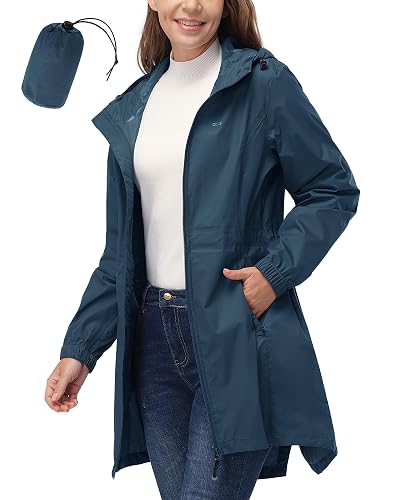
This 33,000ft coat goes long, both literally and in coverage. The extended length protects the hips and upper thighs, which standard rain jackets leave exposed in a downpour. It’s still packable, so it doesn’t sacrifice portability for that extra fabric. Compared to the shorter 33,000ft raincoat earlier in the list, this one trades compactness for protection.
Hikers who deal with cold, wind-driven rain get the most value from the longer cut. Travelers exploring wet cities also benefit from the polished look and added coverage. Anyone who wants the lightest possible shell should still default to the shorter 33,000ft option.
The Helpful Details
- Longer cut shields hips and thighs from wind-driven rain.
- Waterproof shell handles wet-weather hiking and travel.
- Hood adds extra head protection in storms.
- Still packable enough to stash in a daypack or suitcase.
Some Limits To Know
- Extra length adds bulk compared to shorter packable options.
- Longer cut can flap more in strong wind than hip-length shells.
Best Suited To
Hikers and travelers who want more coverage than a standard rain jacket offers.
Another Choice May Suit
Speed-focused hikers who want minimum fabric should consider the 33,000ft Women’s Waterproof Lightweight Packable Raincoat.
What Matters Most Before Choosing Rain Jackets For Hiking
Waterproofing vs. Water Resistance
A waterproof jacket uses a membrane or coating plus sealed seams to keep out rain under pressure. A water-resistant jacket only sheds light drizzle and will soak through in a steady storm. For real hiking, waterproof is worth the upgrade, and water-resistant is fine for casual walks or travel backups.
Breathability and Vents
Breathable fabrics let sweat vapor escape, which keeps you dry from the inside. Less breathable shells trap moisture and leave you clammy on uphill sections. Pit zips and mesh linings (like the one in the Columbia Watertight II) help when breathability ratings alone aren’t enough.
Packability and Weight
Packable jackets compress into their own pocket or a small stuff sack, which matters for backpackers counting ounces. Heavier shells like the Helikon-Tex poncho trade portability for coverage. Day hikers can usually afford more weight, while thru-hikers cannot.
Fit, Cut, and Features
A fitted cut works for cyclists and runners. A roomier cut layers over a fleece in cold weather. Hood adjustability, drawcord hems, and pocket placement all affect real-world comfort more than spec sheets suggest. Try to match the cut to your activity rather than chasing every feature on the list.
Key Considerations Across These Picks
Mistakes Worth Dodging
Picking a water-resistant jacket for serious trail use is the most common trap. Shoppers also ignore packability and then regret carrying a bulky shell they never wear. Skipping seam-sealed construction is another quiet compromise: stitching leaks even when the fabric holds.
What Separates Premium From Basic
Premium shells add fully taped seams, better membranes, and athletic patterning that moves with you. The North Face Antora shows what that buys in practice: longer life, drier climbs, and more comfort across a wider range of conditions. The upgrade only pays off if you actually hike in tough weather.
Frequently Asked Questions
Are waterproof jackets breathable enough for hiking?
Most modern waterproof jackets use a breathable membrane that moves sweat vapor out while blocking rain. For high-output hiking, pit zips help a lot. Cheaper non-breathable shells can leave you soaked from sweat faster than from rain.
How should a hiking rain jacket fit?
A hiking jacket should be roomy enough to layer over a fleece or light insulator, without being so loose that wind catches it. Sleeves should reach your wrists with your arms raised, and the hem should cover your hips. For cycling or running, a closer athletic fit works better.
Can I use a packable rain jacket for backpacking?
Packable jackets work well as an emergency or day-use layer on backpacking trips, but they wear faster than heavier shells. Long-distance hikers often carry one as a backup and add a heavier shell for stormy stretches.
How do I clean and store a rain jacket?
Most rain jackets do best with gentle machine washing and a tumble dry on low to reactivate the durable water repellent finish. Avoid fabric softeners, which clog the membrane. Store them hanging or loosely folded, never compressed for months.
Is a poncho a good alternative to a rain jacket?
A poncho covers you and your pack at once, which is genuinely useful in heavy rain on multi-day trips. The trade-off is flapping in wind and less freedom for technical movement. Day hikers usually prefer a fitted jacket; backpackers often add a poncho.
Wrap Up
The right rain jacket depends on where and how you hike, and there’s no single winner here. Match the build to your weather, your pack weight, and the kind of movement you do on the trail, and any of these ten will earn its place in your kit.