
Cell towers give up the ghost within a few miles of trailhead. Out past that edge, satellite communicators pick up the slack. Today’s hiking-focused satellite gear ranges from featherweight two-way messengers to wrist-mounted navigators built for serious terrain. This list rounds up the most useful options for hikers who need reliable communication and navigation without dragging along bulky equipment.
The Shortlist At A Glance
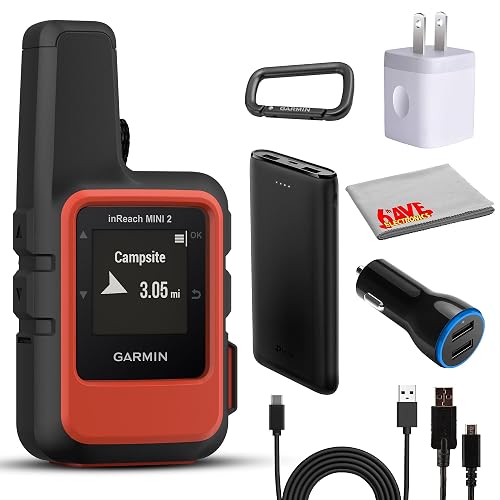
Garmin inReach Mini 2 Satellite Communicator (Flame Red) Bundle
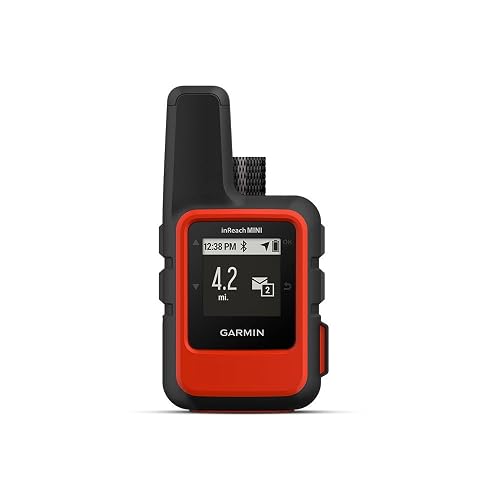
Garmin 010-01879-00 InReach Mini Satellite Communicator (Orange)
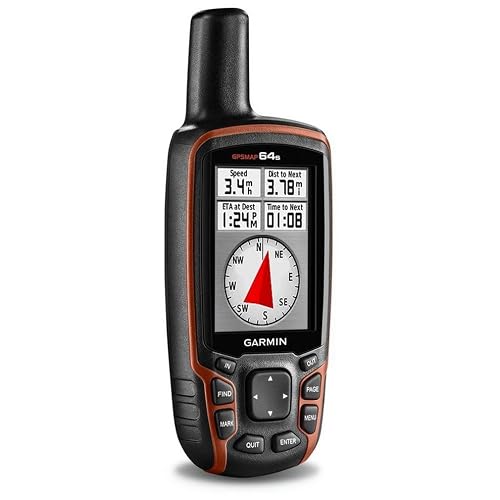
Garmin 010-01199-10 GPSMAP 64s Worldwide GPS Receiver

Poclink POC-1 Lite 4G LTE Two-Way Radios
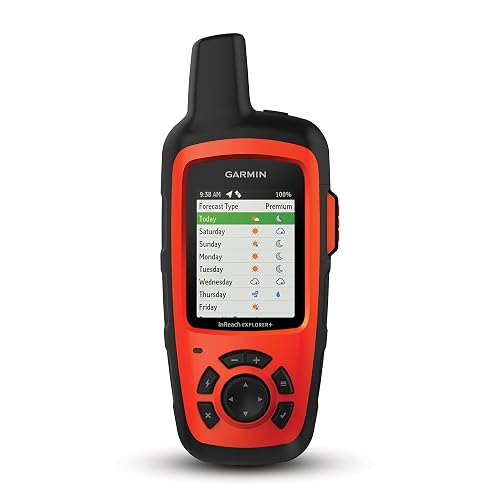
Garmin 010-01735-10 inReach Explorer+ with Topo Maps

Garmin 010-01772-00 Foretrex 601, 2 inches

Garmin inReach Mini 2 Satellite Communicator (Orange)

Garmin 010-01772-10 Foretrex 701 Ballistic Edition
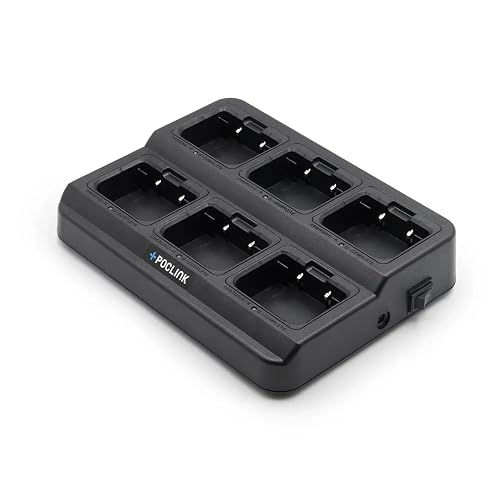
Poclink 6-Unit Multi Charger
A Deeper Look At The Lineup
The Flame Red edition of Garmin’s Mini 2 arrives with the accessories a first-time satellite user typically needs. The included USB-A to USB-C cable, charging adapters, a car charger, and a portable battery bank take the guesswork out of keeping the device powered during multi-day outings. You also get a microfiber cloth for wiping the screen clean of trail grime.
Compared to the standalone Mini 2 covered later in this list, this bundle saves you from sourcing each cable and charger separately. It works well for hikers who want a single purchase that covers day-one setup.
Practical Advantages
- Accessories ship in one box, which simplifies pre-trip preparation
- Portable battery bank extends field runtime between wall outlets
- Car charger supports road-trip sections before or after the hike
- Two-way satellite messaging covers emergency and casual check-ins
Things To Consider
- Active satellite subscription required, which adds ongoing cost beyond the bundle
- More components to keep track of in your pack
Built With In Mind
New satellite communicator owners who want everything unboxed and ready without buying extras separately.
Look Elsewhere When
The Poclink POC-1 Lite makes more sense for groups who want push-to-talk rather than individual two-way texting.
This original-generation Mini trades a few newer refinements for a noticeable price advantage. The unit itself is built tough, light enough that ultralight packers barely feel it clipped to a shoulder strap, and uses the Iridium satellite network for true global coverage. Two-way texting works from anywhere with a clear sky view, which is what most hikers actually need.
Pair with your phone via Bluetooth for easier typing, or send short preset messages directly from the device. The orange shell makes it easy to spot if you set it on the ground during a break.
The Helpful Details
- Palm-sized form factor fits into small pockets and hip belts
- Iridium network enables global two-way text coverage
- Bluetooth pairing with smartphones extends typing comfort
- Bright orange shell aids visibility on rocks and forest duff
Honest Caveats
- Lacks the newer Mini 2’s improved battery life and TracBack routing feature
- Subscription plans still required for any message or SOS capability
Right Fit For
Through-hikers and fastpackers who prioritize weight savings and can manage without the latest battery refinements.
Consider Something Else When
The Garmin inReach Mini 2 (Orange) covered below offers longer runtime and breadcrumb routing for the same general form factor.
The GPSMAP 64s leans hard into the navigation side of the equation, which makes it the right pick for hikers who treat route planning as half the fun. The 2.6-inch sunlight-readable color display stays visible in bright alpine glare, while the quad helix antenna pulls in GPS and GLONASS signals even under dense canopy. A built-in three-axis compass and barometric altimeter add the kind of detailed sensor data that helps with elevation profiles and weather reading.
Unlike the inReach devices in this roundup, this unit focuses on waypoint navigation and mapping rather than satellite texting. It pairs with an inReach for full communication, but on its own it excels at route management.
Everyday Advantages
- Sunlight-readable color screen cuts glare in open terrain
- GLONASS reception boosts accuracy under tree cover
- Barometric altimeter adds elevation and weather trend data
- Three-axis compass provides reliable heading without holding the unit level
Small Caveats
- No satellite messaging or SOS on its own, requires a paired communicator
- Bulky compared to wrist-worn and pocketable options
Made For
Route-planners and trekkers who want detailed topographic awareness and already carry or plan to add a separate communicator.
Skip It When
The Garmin inReach Explorer+ delivers both topo maps and satellite texting in one device for hikers who prefer a single unit.
The Poclink POC-1 Lite splits the difference between traditional walkie-talkies and modern cell-based communicators. It uses 4G LTE networks to relay push-to-talk voice, which sidesteps the subscription model that drives most satellite messengers. Out of the box, you create your own groups and start talking. No permits, no hidden fees, no monthly plan to remember.
Range depends on cellular coverage rather than satellite line-of-sight, so behavior on remote ridges will differ from a true Iridium device. For groups hiking within reach of cell towers or using roaming partners, the simplicity is hard to beat.
Standout Benefits
- Lifetime free service removes recurring fees from the ownership picture
- Push-to-talk voice feels more natural than texting mid-stride
- Bluetooth pairing supports wireless headsets on the trail
- 3000mAh battery holds up across multi-day group outings
- Self-managed group creation keeps coordination flexible
Points To Note
- Depends on cellular coverage rather than true satellite fallback
- Each group member needs their own unit to communicate
Key Specs
Who Should Grab It
Group leaders and adventure clubs who want instant voice contact between members without tracking individual subscriptions.
A Better Fit Elsewhere
Solo hikers deep off-grid should consider the Garmin inReach Mini 2 for its true satellite independence.
The Explorer+ bridges the gap between the compact Mini and the screen-heavy GPSMAP 64s. It ships with preloaded topographic maps and adds a color display, which makes route review on the device itself far more useful than the Mini’s text-focused screen. Two-way satellite messaging rides on the same Iridium network as the smaller inReach units.
For multi-day routes that demand both detailed navigation and reliable off-grid communication, this combination removes the need to carry two separate devices. The trade-off shows up in size and weight compared to the slimmer Mini 2.
Reasons It Performs
- Preloaded topo maps add navigation context without a paired phone
- Two-way satellite messaging works globally through Iridium
- Color display improves map readability compared to the Mini line
- SOS alert routes through a monitored coordination team
Worth Bearing In Mind
- Larger and heavier than the inReach Mini options in this list
- Active satellite subscription required to use any messaging feature
Perfect Match For
Backpackers tackling multi-day routes who want topo maps and satellite texting in one rugged handheld.
Swap It Out When
The Garmin inReach Mini 2 suits hikers who prioritize weight and can handle maps through a paired phone.
The Foretrex 601 straps navigation to your wrist and frees up both hands for trekking poles or scrambling. It’s built to MIL-STD-810G standards (a U.S. military durability benchmark covering thermal, shock, and vibration exposure), which means it shrugs off the kinds of abuse that crack phone screens. Battery life exceeds 48 hours in navigation mode and stretches to a full week in UltraTrac, a power-saving mode that samples position less frequently.
Pair it with a separate inReach for messaging, since the Foretrex line focuses purely on navigation. For hikers who hate digging devices out of their pack, wrist access changes the experience.
Strong Points
- Wrist-mounted design keeps navigation data visible during scrambles
- Military-grade construction handles thermal, shock, and vibration stress
- Multi-satellite support covers GPS, GLONASS, and Galileo systems
- Smart notifications relay calls, texts, and alerts from a paired phone
- Three-axis accelerometer and barometric altimeter add sensor depth
- Battery stretches to a week in UltraTrac mode
Points To Keep In Mind
- No satellite messaging built in, requires a paired communicator
- Small 2-inch display limits on-device map detail
Key Specs
Best Suited To
Trekkers who want hands-free navigation through brush and scrambles without stopping to check a handheld.
Reach For A Different Pick When
Hikers who want satellite messaging should pair this with the Garmin inReach Mini 2 rather than buy the Foretrex alone.
The standalone Mini 2 is the most popular satellite communicator on the trail right now, and for good reason. It refines the original Mini with noticeably better battery life, water resistance for rain and stream crossings, and TracBack routing that walks you back along your breadcrumb trail if clouds roll in. The compact body still fits on a pack strap or hip belt without slowing you down.
Compared to the original Mini covered earlier, the Mini 2 holds a charge longer and adds that return-to-start function, which most hikers find reassuring on unfamiliar terrain. The active satellite subscription is non-negotiable for any communication feature.
A Favorable Mix
- TracBack routing retraces your path when visibility drops
- Improved battery life over the original Mini
- Water resistance handles rain and brief immersion
- Two-way global messaging through the Iridium network
Trade-Offs To Consider
- Active subscription required to send any message or trigger SOS
- Small screen limits message length without a paired phone
Whose Shelf It Belongs On
Solo day hikers and weekend backpackers who want a reliable, pocketable communicator with smart return routing.
Where A Sibling Pick Shines
The Garmin inReach Explorer+ adds preloaded topo maps for hikers who want richer on-device navigation.
The Foretrex 701 Ballistic Edition takes the wrist-mounted 601 platform and layers on Applied Ballistics Elite software for long-range shooting calculations. For hunters who hike deep into wilderness areas and need both navigation and bullet-drop compensation, this combination replaces a separate ballistic solver. Build quality matches the MIL-STD-810G durability standard, and the night-vision-goggle-compatible display keeps it useful during low-light hunts.
Outside the hunting niche, much of the ballistic software goes unused. Hikers without rifles should weigh whether the 601’s standard feature set covers their needs at a friendlier price.
Bright Spots
- Applied Ballistics Elite calculates long-range aiming solutions on the wrist
- Military-grade construction handles rugged backcountry use
- Night vision goggle compatibility supports low-light operations
- Multi-satellite reception (GPS, GLONASS, Galileo) boosts tracking accuracy
Less-Strong Areas
- Ballistic features carry no value for non-hunting hikers
- No satellite messaging built in, requires a paired communicator
Key Specs
Perfect Match For
Backcountry hunters who need both navigation and bullet-drop compensation on a single wrist-mounted device.
Consider Something Else When
The Garmin Foretrex 601 covers the same navigation features for non-hunters at a lower entry point.
The 6-Unit Multi Charger slots into the accessories category rather than the communicator category itself. It powers up to six Poclink POC-1 or POC-1 Ultra radios from one compact base, which simplifies charging logistics for outfitters and expedition leaders managing multiple devices. Cable clutter drops to a single station, and outlet space stays available for other gear.
Compatibility is limited to Poclink hardware, so this only earns its place if you’re already running a fleet of their radios. For solo hikers, it offers nothing relevant.
The Case For It
- Single base replaces six individual wall adapters
- Compatible with both POC-1 and POC-1 Ultra radios
- Compact footprint fits a gear room or expedition staging area
Practical Considerations
- Only useful alongside existing Poclink radio hardware
- Not relevant to hikers using satellite messengers from other brands
Best Suited To
Guides, outfitters, and expedition leaders managing multiple Poclink radios who need an organized charging station.
Look Elsewhere When
The Poclink POC-1 Lite radios themselves are the actual purchase for solo hikers just starting out.
What To Weigh Before Choosing Your Off-Trail Comms
Satellite communicators divide into two camps: true satellite messengers that work beyond cell range, and cellular-dependent devices that piggyback on 4G LTE networks. Hikers who venture past the last tower need the satellite side. Day hikers who stay near roads or popular trails may find cellular push-to-talk radios more affordable and easier to use.
Network Type and Coverage Reach
Iridium satellite networks offer truly global coverage, including poles, oceans, and remote ranges. Cellular-based devices rely on partner tower agreements that vary by country and roaming partner. For remote domestic routes, satellite wins on consistency. For regional adventures within reliable cellular footprint, LTE radios save subscription costs.
Battery Life and Charging Logistics
Battery runtime shapes how often you need to find power during multi-day trips. Wrist-mounted navigators like the Foretrex 601 stretch past 48 hours, while compact communicators typically last a few days with light messaging. Carrying a small battery bank extends field runtime for longer routes.
Form Factor and Pack Integration
Pocket-sized communicators disappear on a shoulder strap but require pulling the device out to read. Wrist-mounted units trade visibility for accessibility, which matters during scrambles or map checks. Handheld mapping devices add screen real estate at the cost of bulk.
Subscription Costs Versus Upfront Price
Most satellite messengers require an active monthly or annual plan. Subscription tiers typically unlock message limits, tracking intervals, and weather forecasts. Cellular devices with lifetime terms shift the cost entirely to the upfront hardware price.
Pitfalls Shoppers Hit And Where The Upgrade Pays
Wrong Turns To Avoid
Picking a satellite messenger and forgetting that the subscription is mandatory leaves you holding expensive paperweights. Check that the plan tiers match how often you actually hike before committing. Buying a navigation-focused handheld and assuming it handles SOS leaves you without emergency capability unless you pair it with a communicator.
When Paying More Pays Off
Higher-tier models in this category typically buy better battery life, more rugged construction, and richer on-device mapping. For hikers who spend weeks in the backcountry, those upgrades replace carrying extra batteries or a separate GPS unit. Weekend warriors can usually get away with the entry-level Mini and a charged battery bank.