
Arizona trails punish your feet in ways most hiking guides don’t prepare you for. Scorching rock, needle-sharp cactus spines, sudden creek crossings in slot canyons, and loose volcanic scree all demand footwear that breathes hard in the heat yet still grips when the surface turns unpredictable. A good desert hiker needs ventilation, traction on slick rock, and a sole protective enough for rough terrain without cooking your feet. The four picks below cover the range of Arizona hiking, from day-long canyon treks to casual water-side scrambles, so you can match your shoe to the terrain you actually walk on.
How The Shortlist Stacks Up

Merrell Women’s Moab 2 Vent Hiking Shoe
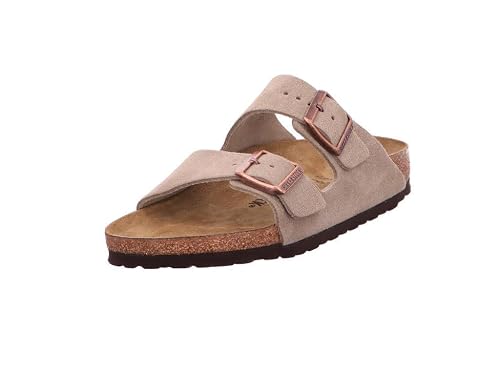
Birkenstock Granada Soft Footbed Sandal
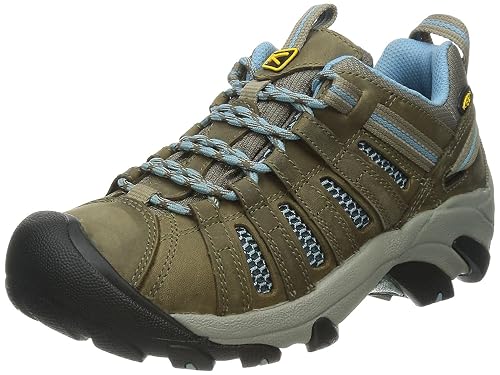
KEEN Voyageur Hiking Shoe
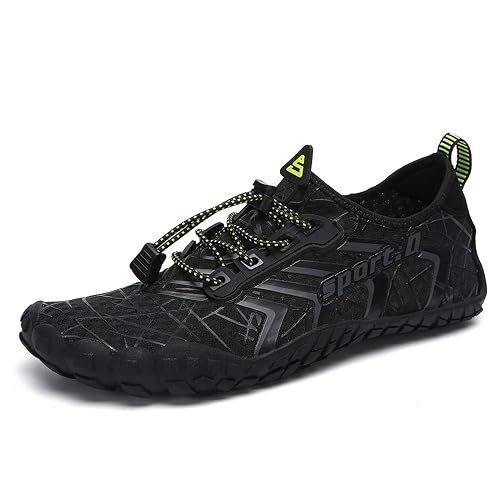
UBFEN Quick Dry Water Shoe
A Closer Look At Each Pick
The Merrell Moab 2 Vent is the shoe most Arizona day hikers reach for first, and there’s a reason it keeps showing up on trailheads from Sedona to Saguaro. The ventilated mesh upper lets heat escape during midday climbs, which matters when the sun bakes the red rock and your feet start to feel the temperature of the trail itself. A Vibram outsole (a high-traction rubber compound made by a well-known Italian sole maker) handles loose granite and dry creek beds with the kind of grip that makes you forget to look down.
For most day hikers tackling routes like Cathedral Rock or the Bright Angel trail in cooler months, this shoe is the sweet spot of comfort and capability. The supportive footbed molds to your stride over the first few miles, and the durable leather overlays take abuse from cactus spines and volcanic rock without falling apart. The trade-off is that this is a non-waterproof build, so wet creek crossings will soak through fast.
The Case For It
- Vibram outsole grips loose rock and dry wash surfaces with confidence
- Ventilated mesh keeps feet cooler on exposed desert climbs than waterproof shells
- Supportive footbed breaks in over a few miles and holds shape on long days
- Lightweight enough for fast-paced canyon descents without foot fatigue
Things To Consider
- Non-waterproof construction soaks through quickly at creek crossings
- Mesh upper can collect fine desert sand that works its way into the laces
Built With In Mind
Day hikers tackling dry Arizona trails in spring and fall who want breathability over waterproofing.
Swap It Out When
The UBFEN water shoe is a better match for hikers whose Arizona routes include deep stream crossings and wet canyon swims.
The Birkenstock Granada Soft Footbed is not a technical hiker, and trying to use it as one would be a mistake. Where it earns its place on an Arizona shortlist is the camp chair, the short walk from the trailhead parking lot to the picnic table, and the post-hike reward at a creek-side campsite. The contoured cork-latex footbed (a molded blend of natural cork and rubber that takes the shape of your arch over time) gives tired feet something to recover on after eight miles in something more aggressive.
For desert campers and casual walkers who spend more time at basecamp than on summit pushes, this is the sandal that makes the evening bearable. The leather upper breaks in soft, and the adjustable straps handle swollen feet after a hot day. The honest read is that it has no business on a technical trail, but at camp or in a small river town after a long drive, it quietly outclasses most recovery shoes.
Well-Handled Touches
- Soft footbed cushioning helps sore arches recover after long hike days
- Adjustable straps accommodate swollen feet in desert heat
- Leather upper molds to the foot for a personalized fit over time
- Lightweight and packable for travel days in the truck
Points To Keep In Mind
- Open-toe design offers no protection against cactus spines or sharp rock
- Smooth sole lacks the grip needed for any technical trail segment
- Leather requires occasional conditioning to prevent drying and cracking in arid air
Right Fit For
Campers and post-hike loungers who want all-day comfort once the boots come off.
Where Another Pick Suits Better
The Merrell Moab 2 Vent serves hikers who actually want a real trail shoe, since the Granada is strictly a camp companion.
The KEEN Voyageur slots in for hikers who want more protection than the Moab 2 Vent but don’t need a heavy backpacking boot. Its waterproof leather and breathable mesh upper blends the two materials so the shoe handles both dry ridge walks and the occasional stream crossing without becoming a sauna. KEEN’s signature wide toe box (the rounded front section of the shoe, designed to let your toes splay naturally) gives your feet room to swell during hot descents, which is a real problem in Arizona summers.
On multi-day routes through the Superstition Wilderness or the Grand Canyon’s South Kaibab trail, the Voyageur holds up well to rocky exposure and the kind of uneven terrain that punishes narrower shoes. Compared to the Moab 2 Vent’s airy mesh, this one trades a little breathability for better weather resistance and a more protective upper. You may find the extra weight on warm days, but the tradeoff is a shoe that can handle a wider range of conditions.
What Pays Off
- Waterproof leather upper handles creek crossings and morning dew
- Wide toe box lets feet swell naturally on hot descents
- Multi-directional lugs (deep rubber grooves on the outsole) bite into loose dirt and gravel
- Reinforced toe cap protects against rock strikes on rough descents
Worth Bearing In Mind
- Heavier than the ventilated Moab 2 Vent, which adds up on long hot days
- Waterproofing reduces airflow, so feet run warmer in summer conditions
Key Specs
Who It Suits Best
Multi-day desert backpackers and rugged-trail hikers who want waterproofing and toe protection in one package.
A Better Fit Elsewhere
The Merrell Moab 2 Vent is the smarter call for warm-weather day hikes where breathability matters more than waterproofing.
The UBFEN water shoe is the wildcard of the list, and it earns its spot for the specific Arizona scenario most hiking shoes ignore: the wet canyon. Routes like The Narrows in Zion border or remote tributaries in the Supai area require footwear that drains, dries, and grips on slick riverbed rock. This barefoot-style shoe handles that job at a fraction of the cost of dedicated water hiking boots, which is why backpackers on tight budgets pack a pair as a camp-to-stream companion.
The quick-dry fabric upper sheds water fast, and the rubber outsole grips the algae-coated surfaces that catch hikers off guard in shaded canyons. The thin sole lets you feel the terrain, which improves balance on uneven riverbed rock but offers little cushion on dry trails. For most Arizona hikes, this belongs in the pack as a stream shoe rather than on your feet for the full day.
Features That Help
- Quick-dry fabric drains in minutes after full submersion
- Rubber outsole grips slick, wet rock better than most trail shoes
- Lightweight construction packs flat into a backpack pocket
- Flexible upper moves naturally with the foot on uneven riverbed terrain
Where It Is Less Suited
- Thin sole provides minimal protection from sharp rocks and cactus on dry trails
- Minimal cushioning causes foot fatigue on hikes longer than a few miles
Made For
Wet canyon hikers and budget-focused backpackers who need a packable shoe for stream crossings and water-only sections.
Look Elsewhere When
The KEEN Voyageur fits hikers who want one shoe to handle both wet crossings and full dry-trail days in a single pair.
What To Weigh Before Choosing Shoes For Hiking In Arizona
Ventilation Versus Waterproofing
Arizona trails swing between bone-dry ridges and sudden monsoon-fed creek crossings, and no single shoe does both jobs perfectly. Breathable mesh excels in heat but soaks through at water crossings, while waterproof leather stays dry but traps heat on summer climbs. The honest answer is to match the shoe to your most common trail type, or carry a packable water shoe like the UBFEN for the wet stretches.
Outsole And Terrain Match
The Vibram and multi-directional lug patterns on hiking shoes exist because slickrock and loose volcanic scree punish smooth soles. Look for deep, widely spaced lugs (the raised rubber treads on the bottom of the shoe) that bite into gravel and shed mud, and skip any shoe with a flat urban-style bottom. Trail runners handle smoother paths fine, but for the rocky terrain of the Superstitions or the Mazatzals, grip matters more than weight.
Fit For Desert Foot Swelling
Heat makes feet swell, often a full size larger than your cold-weather fit. Arizona hikers who wear snug-fitting boots in the morning often end the day with numb toes and blister hot spots. Try shoes on at the end of the day, and prioritize a roomy toe box (KEEN’s Voyageur is a good example) for the descents that punish cramped feet most.
Weight Versus Protection Tradeoff
Lighter shoes save energy but sacrifice protection against sharp rock and cactus spines. Heavier boots guard your feet better but compound fatigue on long approaches. The right balance depends on how much technical scrambling your routes include and how much weight you already carry on your back.
Key Considerations Across These Picks
Where Shoppers Go Wrong
A common slip is buying fully waterproof boots for Arizona summer hiking and ending the day with heat-soaked socks. Another trap is trusting a shoe’s marketing over its actual outsole, since smooth-soled “hiking shoes” lose grip fast on loose desert terrain. Test the lug pattern visually before committing, and think honestly about how often you’ll cross water versus how often you’ll bake in the sun.
Where The Extra Money Goes
Premium hiking shoes spend the extra cost on better outsoles, more durable midsole foams, and upgraded leather that holds up to repeated abuse. For weekend warriors on well-maintained trails, a mid-tier shoe handles the job fine. For multi-day backpackers carrying heavy loads over rough terrain, the upgraded construction earns its keep through better foot protection and longer shoe life.
Frequently Asked Questions
Do I need waterproof hiking shoes for Arizona?
For most dry-trail routes, breathable mesh actually performs better because it keeps feet cooler. Waterproofing is only worth the heat trade-off if your routes include frequent stream crossings or early-morning dew on high-elevation trails.
Can trail runners work for Arizona hiking?
Trail runners handle well-groomed desert paths and smooth slickrock just fine, and their lighter weight reduces fatigue. For routes with heavy cactus exposure or rough volcanic rock, the added protection of a hiking shoe is worth the extra weight.
How do I stop sand from getting into my shoes?
Gaiters (fabric sleeves worn over the ankle and lower leg that seal the gap between shoe and pant) help on sandy washes, and tucking pants into sock tops keeps loose grit from pouring over the collar. Mesh shoes like the Moab 2 Vent need occasional stops to dump collected sand from the tongue area.
Are sandals ever appropriate for Arizona trails?
Closed-toe options handle technical terrain better, but camp sandals like the Birkenstock Granada make excellent recovery footwear for evenings at basecamp. Save them for camp and short walks, not for any trail with cactus or sharp rock exposure.
How often should I replace Arizona hiking shoes?
Most hiking shoes last 500 to 800 trail miles before the midsole foam (the cushioning layer between the outsole and your foot) breaks down and the lugs wear smooth. Arizona’s abrasive rock surfaces tend to wear outsoles faster than softer forest terrain, so inspect the tread regularly for signs of flattening.
Bottom Line
Arizona hiking rewards footwear matched to the specific terrain you’ll walk, from the ventilated mesh of the Merrell Moab 2 Vent for dry desert climbs to the packable UBFEN for wet canyon swims. Think honestly about the trails you actually hike most, and choose the shoe that fits those conditions rather than the most aggressive boot on the rack. The right pair will keep your feet cool, your footing sure, and your focus on the scenery instead of your blisters.