
Picking the right pack changes how a trail feels. A poorly balanced pack pulls on your shoulders after the first mile, while a well-fitted one lets you forget it’s there, freeing you to focus on switchbacks, summit views, and the gear you actually need to carry. This roundup cuts through the marketing noise for people heading into real terrain, from day hikers logging twelve-mile loops to backpackers planning a week-long traverse.
A Quick View Of The Lineup
A Quick View Of The Lineup
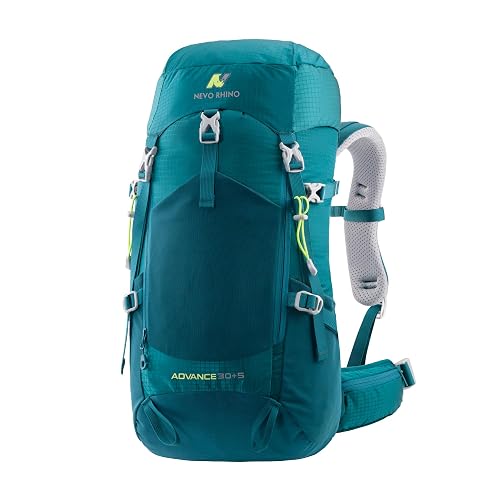
N NEVO RHINO 35L Internal Frame Backpack
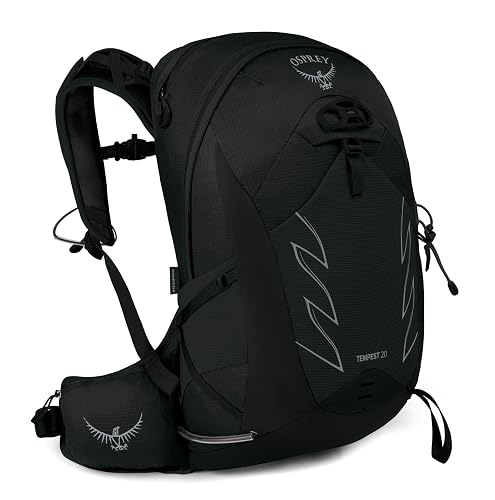
Osprey Tempest 20L Women’s Hiking Backpack
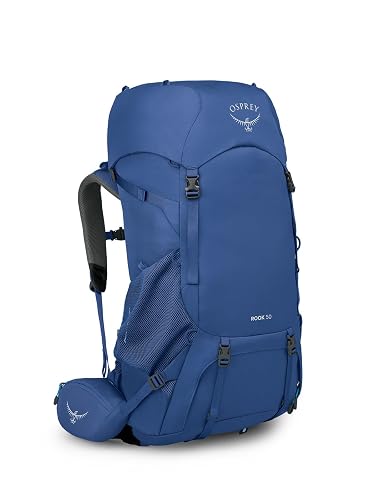
Osprey Rook 50L Men’s Backpacking Backpack
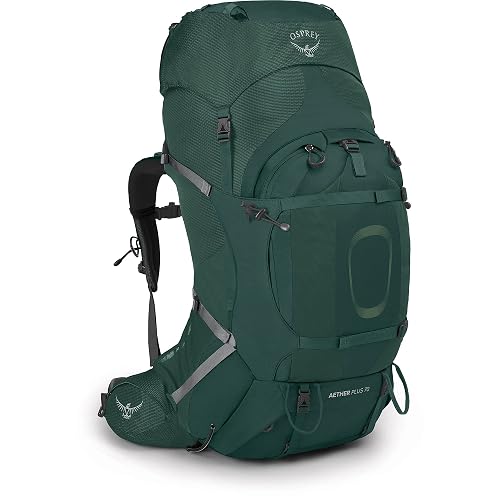
Osprey Aether Plus 70L Men’s Backpacking Backpack
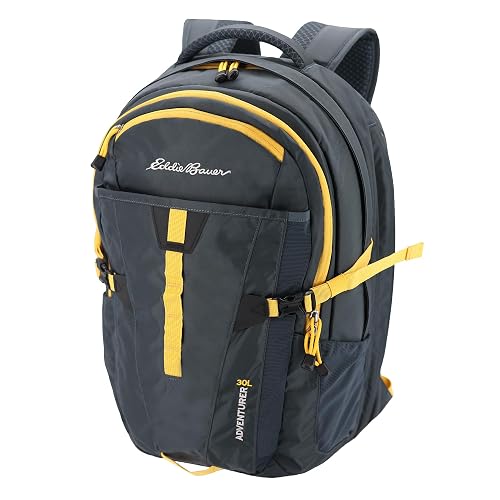
Eddie Bauer Adventurer Backpack 30L
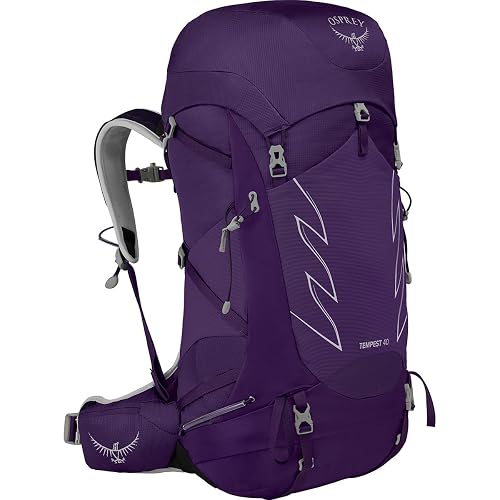
Osprey Tempest 40L Women’s Hiking Backpack
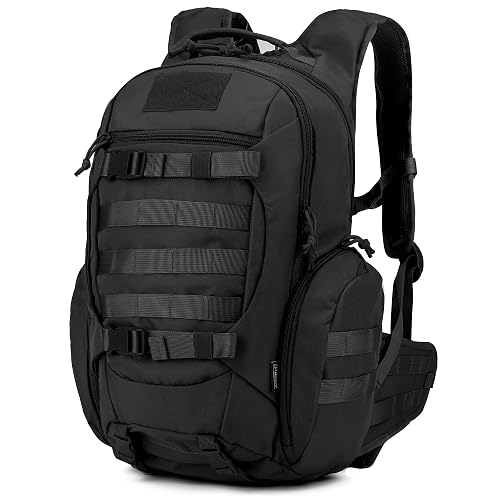
Mardingtop Tactical Molle Backpack 28L
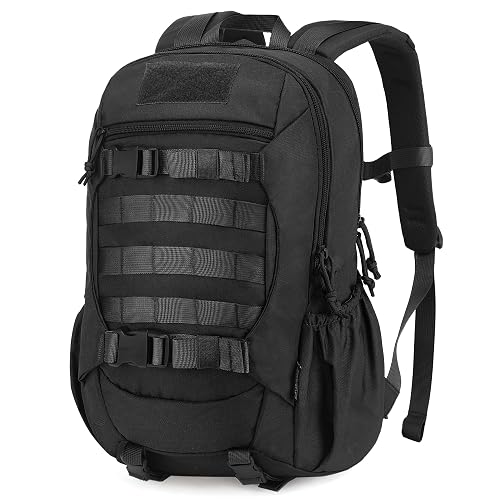
Mardingtop Small Tactical Molle Backpack 18L
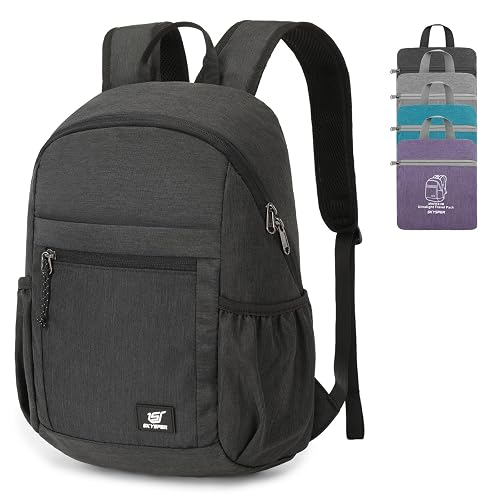
SKYSPER Anti Theft Hiking Backpack 18L
The Details Behind The Selections
Built for two- or three-day trips into moderate terrain, the N NEVO RHINO 35L strikes a practical middle ground between ultralight daypacks and full expedition haulers. The internal frame (a hidden internal skeleton that transfers weight to your hips) helps shift the load off your shoulders, while bar-tacked stress points add durability at the spots that typically wear out first on cheaper packs.
Compared with the Osprey Tempest 20 reviewed next, this pack trades nimbleness for raw volume. You gain room for a sleeping bag and cook kit, but you give up the lightweight agility that makes short day hikes feel effortless.
What Makes Sense
- Ripstop polyester and nylon shell resists tears on granite scrambles and overgrown trails
- Integrated rain cover pouch at the bottom deploys fast when afternoon storms build
- Reinforced shoulder strap stitching spreads pressure across a wider contact area
- 35L capacity fits a weekend’s worth of clothing, food, and shelter for most hikers
Things To Consider
- Internal-frame packs of this size can feel unwieldy on day hikes under five miles
- Owners commonly report the stock hipbelt padding compressing on heavier loads over time
Feature Snapshot
Best Suited To
Backpackers tackling two- to three-day routes who want a roomy, rain-ready pack without paying for expedition-grade suspension.
Look Elsewhere When
Pick the Osprey Tempest 20 if your trips stay under 20 pounds and you prioritize a nimble, panel-loading daypack instead.
The Osprey Tempest 20 is built for hikers who log miles fast and don’t want a bulky pack slowing them down. The women’s-specific cut (shorter torso length, narrower shoulder straps, and contoured hipbelt shaped for female anatomy) addresses the fit problems that plague unisex packs on smaller frames.
Where the N NEVO RHINO aims at overnight loads, the Tempest 20 embraces minimalism. It carries water, snacks, a layer, and a helmet without becoming the heaviest thing on your back.
Where It Excels
- AirScape backpanel (a foam-and-mesh ventilation system) keeps air moving against your back on warm climbs
- Continuous-wrap harness stabilizes the load during scrambles and quick direction changes
- Built-in attachments for trekking poles, ice axes, and bike helmets
- Panel-loading design lets you access items without unpacking from the top down
Worth Noting
- 20L is too small for overnight trips requiring a sleeping bag and pad
- Helmet carry loops sit awkwardly when carrying climbing gear simultaneously
Whose Shelf It Belongs On
Women tackling fast day hikes, peak-bagging missions, or bike-to-trail commutes where agility matters more than volume.
Consider Something Else When
Switch to the Osprey Tempest 40 for multi-day trips that need a sleeping bag compartment and more capacity.
The Rook 50 is the pack many backpackers cut their teeth on, and for good reason. It strips away complexity without sacrificing the core features that make a multi-day trip manageable: an adjustable suspension system, integrated raincover, and a bluesign-certified build (a textile standard verifying responsible chemical and manufacturing practices).
Compared with the N NEVO RHINO, the Rook trades some of the rhino’s rugged exterior for a more refined suspension. That matters when you’re carrying 30 pounds and need the load to ride comfortably for hours.
Notable Upsides
- Ladder-lock torso adjustment dials in fit across a wide range of body sizes
- AirSpeed suspension (a tensioned mesh backpanel) ventilates better than foam-only designs
- Integrated raincover deploys without unpacking, useful when weather shifts mid-route
- Bluesign certification signals lower-impact textile sourcing
Honest Caveats
- Hipbelt pockets are smaller than on pricier Osprey models, limiting quick-grab storage
- Fabric denier (thread thickness rating) runs lower than the Aether Plus, meaning more careful handling around sharp granite
Quick Facts
Who It Suits Best
First-time backpackers and intermediate hikers who want a forgiving, well-supported pack for three- or four-day routes.
Reach For A Different Pick When
Choose the Osprey Aether Plus 70 if your trips run a full week or carry gear-intensive loads above 40 pounds.
The Aether Plus 70 is Osprey’s answer for hikers who refuse to leave anything behind. A 70-liter capacity swallows everything for a week on the trail, and the Fit-on-the-Fly system lets you fine-tune both the hipbelt and shoulder straps while wearing the pack, a small detail that makes a real difference on long days.
The convertible top lid is the standout feature here: it unzips and transforms into a small daypack for side trips from basecamp, eliminating the need to bring a secondary pack.
What Stands Out
- Removable top lid converts into a functional daypack for summit attempts
- Fit-on-the-Fly hipbelt and harness adjust without removing the pack
- 70L volume handles a full week of food, fuel, and clothing for cold-weather trips
- Integrated raincover included, no separate purchase required
Points To Note
- At full capacity, the pack runs heavy even empty, so smaller-framed hikers may want to size down
- Converted daypack lacks the ventilation of a dedicated daypack like the Tempest 20
Spec Overview
Made For
Thru-hikers, mountaineers, and expedition backpackers carrying 40+ pounds over multi-day routes.
Swap It Out When
Pick the Osprey Rook 50 if your trips stay under four days and you don’t want to lug an oversized pack.
The Eddie Bauer Adventurer 30L splits the difference between trail pack and travel pack, making it a natural fit for people who move between airports and trailheads. A 420D fabric shell (a dense, abrasion-resistant weave) and water-repellent finish handle the usual abuse, while fleece-lined pockets and a hydration-compatible sleeve let you carry both a laptop and a water bladder.
Compared with the tactical Mardingtop options below, this pack prioritizes organization and comfort over modular webbing. You trade MOLLE attachment points (Modular Lightweight Load-carrying Equipment, a system of straps and loops for clipping gear externally) for a cleaner layout that opens flat.
Practical Advantages
- Cooling backpanel channels airflow during humid commutes
- Fleece-lined pockets protect sunglasses and screens from scratches
- 420D fabric strikes a strong balance between weight and abrasion resistance
- Hydration sleeve doubles as a laptop compartment for travel days
A Few Limitations
- No internal frame, so 30 pounds starts to feel heavy by mile six
- Organization-focused pockets reduce room for bulkier trail gear
At A Glance
Right Fit For
Commuters and travelers who want a single pack that handles office electronics by day and trail gear by weekend.
A Better Fit Elsewhere
Choose the SKYSPER Anti Theft 18L for shorter trips where urban security features matter more than capacity.
The Tempest 40 is the larger sibling to the Tempest 20 reviewed earlier, designed for women who want to extend their range into two- or three-day trips without switching to a unisex pack. A separate sleeping bag compartment streamlines camp setup, and the AirScape backpanel carries over from the daypack version for familiar comfort.
The women’s-specific fit continues here: shorter backpanel, narrower profile, and hipbelt shaped for hip-differential carry (where the pack rests on the iliac crest rather than the waist).
The Good Stuff
- Separate sleeping bag compartment with bottom zipper access
- Continuous-wrap harness and hipbelt move naturally with stride
- Trekking pole and ice axe attachments for technical terrain
- Reservoir sleeve accepts standard 3-liter hydration bladders
Less-Strong Areas
- 40L is at the limit for shorter torsos, so test the fit with weight loaded before committing
- Fewer hipbelt pockets than some comparable packs reduce quick-access storage
Who Should Grab It
Women planning lightweight multi-day trips who want a single pack that handles trail and travel with a women’s-tuned fit.
Where A Sibling Pick Shines
Pick the Osprey Tempest 20 for sub-mile-day hikes where a compact panel-loading pack is all you need.
The Mardingtop 28L is purpose-built for tactical carry, motorcycle commuting, and EDC (everyday carry, the practice of keeping essential tools and gear ready in a single bag) users who attach gear externally. MOLLE webbing covers the front and sides, letting you clip pouches, holsters, and accessories in modular configurations.
Unlike the Osprey options above, this pack leans toward utility over comfort. The suspension is simpler, but the modular setup rewards people who customize their loadout.
Everyday Perks
- Full MOLLE webbing on front and sides for clip-on accessories
- 28L capacity handles a full day of gear plus a hydration bladder
- Reinforced construction holds up to abrasion from motorcycle body panels
- Multiple compartments separate electronics, tools, and clothing
Small Caveats
- Suspension is less refined than dedicated hiking packs, so heavier loads fatigue the shoulders faster
- Tactical aesthetic looks out of place in office or urban settings
Perfect Match For
Riders, range-goers, and EDC enthusiasts who want a modular pack for tactical or motorcycle use.
Not Your Match When
Pick the Osprey Rook 50 if your priority is multi-day comfort over modular customization.
The smaller sibling to the 28L tactical pack, the Mardingtop 18L delivers the same MOLLE-friendly layout in a more compact body sized at roughly 9.5 by 6.7 by 17.7 inches. A 600D polyester shell (a heavier-duty fabric than standard nylon, measuring thread density) and YKK hardware (a widely trusted Japanese brand of buckles and zippers) keep the build consistent with its larger relative.
Where the bigger Mardingtop handles day-long missions, this one targets short rides, range visits, and quick hikes. The included hydration compartment fits a 2-liter bladder, though the bladder itself is sold separately.
Key Advantages
- Compact footprint suits shorter riders and hikers who don’t want bulk
- 600D polyester resists scuffs from daily use
- YKK buckles and zippers are widely regarded for long-term durability
- Breathable ventilated padding on back panel and shoulder straps
Potential Drawbacks
- Hydration bladder is not included despite the dedicated compartment
- 18L caps how much you can carry, so longer outings need a larger pack
Feature Rundown
Built With In Mind
Motorcycle riders and day hikers who want tactical styling without the bulk of a full-size pack.
Skip It When
Pick the Mardingtop 28L if you regularly carry extra layers, tools, or bulky gear.
The SKYSPER Anti Theft 18L is a packable daypack (a lightweight backpack that folds into itself for storage, ideal as a secondary bag for travel) with a security twist: a main compartment zipper lock, an RFID-blocking middle pocket (a lined compartment that prevents radio-frequency scanning of credit cards and passports), and a hidden back zipper for valuables. It’s built for travelers who carry one main bag and need a secure companion for city days.
Unlike the Mardingtop tactical packs, this one prioritizes stealth and travel-friendliness over modular attachment. It folds flat for stashing in a suitcase and weighs almost nothing until you need it.
What Helps Most
- RFID-blocking pocket shields cards and passports from digital skimming
- Lockable main zipper deters casual pickpocket attempts
- Hidden back pocket keeps passports and cash out of sight
- Packable construction stows inside its own pocket for travel
Some Limits To Know
- Lightweight fabric shows wear faster than 420D or 600D shells on rough terrain
- No frame or hipbelt, so loads above 10 pounds dig into shoulders over distance
The Right Fit
Travelers and urban explorers who want a secondary security-focused pack for city days and short walks.
Another Choice May Suit
Pick the Eddie Bauer Adventurer 30L if you need one pack that handles both travel electronics and trail use.
What Matters Most Before Choosing Technical Backpacks For Outdoor Adventures
Capacity vs. Intended Trip Length
Capacity ratings tell only half the story. A 20L daypack handles water, snacks, and a layer, while a 70L pack swallows a week’s worth of food, shelter, and clothing. Matching capacity to your longest typical trip prevents the common frustration of an overstuffed pack straining zippers or an oversized pack bouncing on quick hikes. Volume below 25L suits day hikers; 30L to 50L fits most weekend backpackers; anything above 60L targets thru-hikers and expedition travelers.
Fit, Suspension, and Torso Length
The single most overlooked feature is fit. A pack with 70 liters of space means nothing if the torso length doesn’t match your back. Look for adjustable suspension systems (the ladder-lock or Fit-on-the-Fly designs on Osprey models) that let you calibrate the pack while wearing it. Women’s-specific packs adjust torso length, hipbelt shape, and shoulder strap width for different body geometries, which matters more than the label suggests.
Materials, Weather Protection, and Weight
Denier ratings (thread thickness: higher numbers mean tougher fabric) signal durability more than weight. A 600D polyester shell resists abrasion better than a 200D ripstop, but adds ounces. Integrated raincovers save the trouble of buying one separately and deploy faster when weather shifts mid-route. For wet climates or shoulder-season trips, prioritize a pack with sealed zippers or a built-in cover over one without.
Organization, Access Points, and Modular Features
Panel-loading packs (those that open like a suitcase) simplify packing but can be less compressible. Top-loading packs handle heavy loads better. MOLLE webbing (Modular Lightweight Load-carrying Equipment, the strap-and-loop attachment system seen on tactical packs) appeals to riders and tactical users who clip gear externally, though it adds weight that hikers may not need.
Key Considerations Across These Picks
Common Shopping Slip Ups
The most frequent mistake is choosing capacity over fit. A 70-liter pack that doesn’t match your torso transfers weight to your shoulders and causes pain by mile five. Another trap is overlooking hipbelt quality: cheap hipbelts compress under load and force your shoulders to compensate. Test a pack with weight inside before committing, and check that the hipbelt actually sits on your iliac crest (the top of the hip bones) rather than your waist.
What The Higher Tier Buys
Premium packs earn their higher cost through three upgrades: refined suspension systems that move air and weight more efficiently, tougher fabric deniers that survive years of abrasion, and features like convertible lids or hydration sleeves that eliminate the need for separate purchases. The Osprey Aether Plus illustrates this clearly: its Fit-on-the-Fly system and convertible lid are functions you won’t find on budget packs, and for a week-long trip those features pay for themselves in comfort and versatility.
Frequently Asked Questions
How do I measure my torso length for a technical backpack?
Stand with your chin tucked and have someone measure from the C7 vertebra (the bony bump at the base of your neck) down to the iliac crest (the top of your hip bones). This measurement, in inches, matches your ideal torso range. Most packs list small, medium, and large ranges based on this number rather than height.
What’s the difference between internal and external frame packs?
An internal frame hides a lightweight skeleton inside the pack body, keeping weight close to your back for technical terrain and stability. An external frame uses a visible metal or composite structure that ventilates well and carries heavy loads, but feels bulkier. Most modern technical packs use internal frames because they handle uneven terrain more gracefully.
Are women’s-specific backpacks actually different?
Yes, in three meaningful ways: shorter backpanel lengths for shorter torsos, narrower shoulder straps that won’t fall off narrower shoulders, and hipbelts shaped for wider hip-differential anatomy. These changes affect how the pack carries load, not just how it looks.
How much capacity do I need for a three-day backpacking trip?
Most three-day trips fit comfortably in a 45L to 55L pack, depending on food volume and shelter size. Ultralight shelters and compact sleeping bags let you go smaller; bulky family tents and extra layers push toward 60L.
Can I use a daypack for overnight trips?
Only if your overnight gear is ultralight and you can fit a sleeping bag, pad, food, and shelter inside 30 liters. Most overnight setups require at least 40L to avoid overstuffing zippers and straining seams.
Closing Remarks
The right technical backpack comes down to matching your body, your typical trip, and the terrain you actually walk on. Day hikers will be happiest with a streamlined 18L to 25L pack that disappears on the trail. Weekend backpackers benefit from a 40L to 55L pack with real suspension and weather protection. Long-trip and expedition travelers should prioritize capacity, fit customization, and features like convertible lids that simplify basecamp life. Whichever pack you choose, dialing in fit matters more than any spec sheet.