
Cold fingers end hikes early. The right pair of trekking gloves keeps your hands warm, your grip steady, and your dexterity intact for zippers, trekking poles, and phones. This roundup covers five solid options across cycling, hunting, and hiking categories, including half-finger and full-finger styles, so you can match the glove to the trail and the temperature rather than settling for whatever’s on the rack.
The Choices Worth Comparing
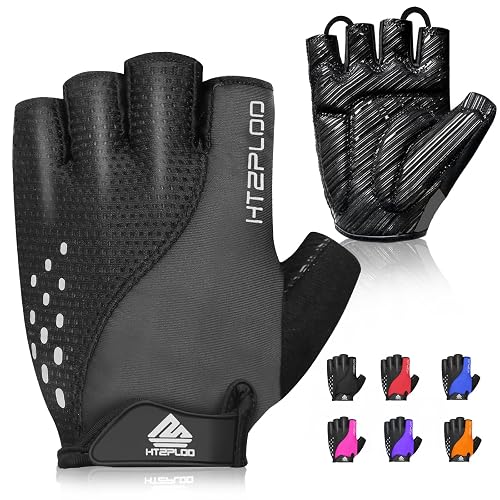
HTZPLOO Half-Finger Bike Gloves for Cycling
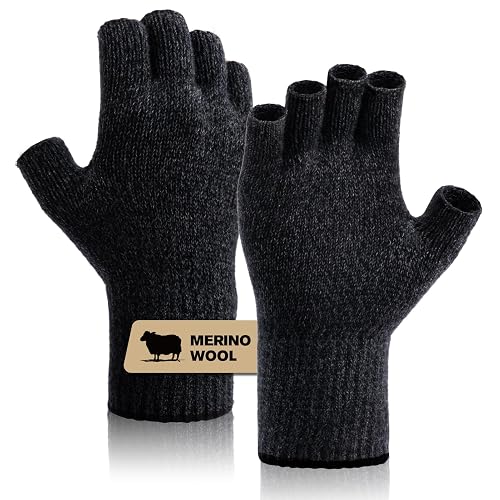
SONORAN Merino Wool Fingerless Gloves for Hiking
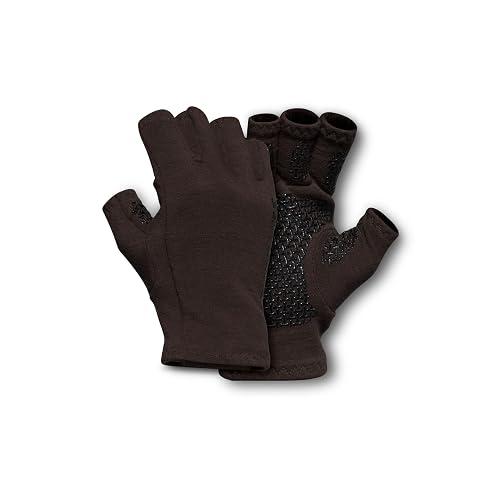
First Lite Rugged Wool Half Finger Glove for Hunting
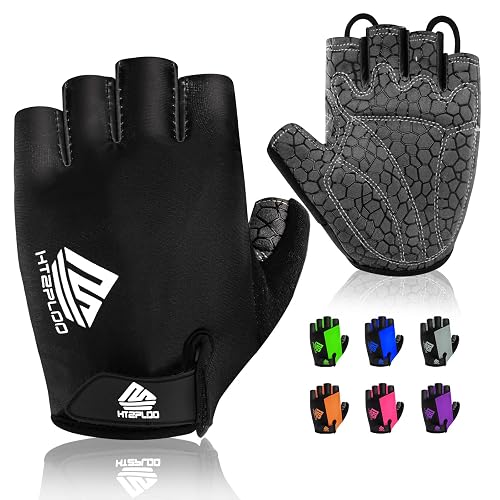
HTZPLOO Half-Finger Cycling Gloves for Men Women
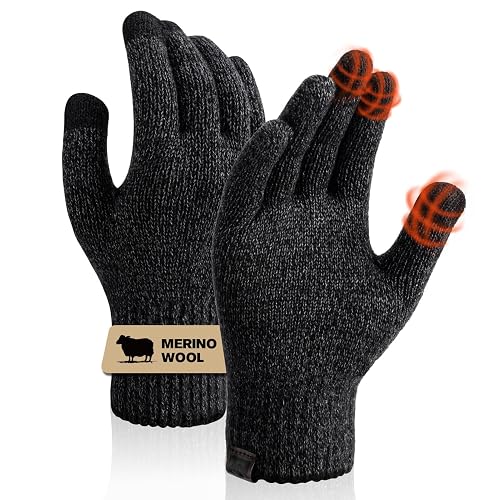
SONORAN Merino Wool Touch Screen Gloves for Hiking
Taking A Closer Look At The Options
These HTZPLOO gloves lean into a cycling-first design that still works for brisk trail walks where you want palm protection without losing finger mobility. The half-finger cut leaves your fingertips free to flip through a map, adjust a backpack buckle, or work a phone without pulling the glove off mid-move. Think of them as a comfort-focused cycling glove that doubles as a transitional trail glove in shoulder seasons.
Shock-absorbing padding sits where your palm meets the handlebar, so long rides put less strain on the heel of the hand. The lycra-style back stretches with your grip and keeps airflow moving on warmer days. Pull-off tabs on the fingers make removal quick, which is a small touch you appreciate at the trailhead after a long descent.
Bright Spots
- Silicone palm print adds confident grip on wet or dusty handlebars
- Lightweight stretch back keeps hands from overheating on climbs
- Pull-off tabs save time at stops and snack breaks
- Padded palm reduces numbness on rides over rough gravel
Worth Noting
- Half-finger design leaves fingertips exposed in cold or wet weather
- Lycra-style back can snag on rough bark or rocky scrambles
Who Will Love This
Recreational cyclists and shoulder-season hikers who want padded comfort on a tighter budget.
Look Elsewhere When
Cold-weather trekkers should reach for the First Lite Rugged Wool Half Finger Glove instead, since its heavyweight merino handles lower temperatures far better.
SONORAN’s fingerless merino glove works as a thin thermal layer for hunting, fishing, or hiking days when you need warmth through the palm but want full fingertip control. Merino wool is a natural fiber that traps heat even when slightly damp, which is a real advantage on a misty morning boat launch or a damp ridgeline. The knit construction feels closer to a fine sweater than a technical shell, so you get comfort in exchange for some ruggedness.
Layered under a heavier waterproof shell, the glove becomes a soft inner that holds body heat. Worn alone, it suits cool-weather tasks where dexterity matters more than full coverage, like tying flies, operating a camera, or sketching a route. Owners commonly report the knit relaxing slightly after the first few uses, so expect a quick break-in period.
Useful Highlights
- Merino knit retains warmth when slightly damp from sweat or mist
- Fingerless cut keeps trigger, rod, or camera control precise
- Slips easily under a larger waterproof glove as a thermal liner
- Soft hand feel stays comfortable on long static sits in a blind
Honest Caveats
- No reinforced palm, so grip on wet rope or rough wood wears faster
- Knit fibers can pill with heavy contact against branches or pack straps
- Needs careful washing to avoid shrinkage in the wool
Key Product Details
Made For
Anglers, hunters, and hikers who run cool and want a soft merino layer that prioritizes fingertip control.
Swap It Out When
You need a heavier single-layer glove for cold, wet trips, since the First Lite Rugged Wool Half Finger Glove delivers more insulation in one piece.
First Lite builds the Rugged Wool glove for hunters who sit still in cold blinds and need warmth that does not quit. The heavyweight double-knit merino face gives a tight, durable surface, while a soft fleece interior cushions the hand. Half-finger construction keeps your trigger hand free for quick, controlled movement when the moment arrives.
Merino’s natural ability to absorb light rather than reflect it helps the glove blend into the surroundings, which matters more in hunting than on the trail. The silicone palmprint grips stock, bow riser, or trekking pole securely even when the fabric is damp. Composition runs 85% merino wool, 12% core-spun nylon, and 3% spandex, balancing warmth with stretch and structure.
Key Advantages
- Heavyweight merino face delivers serious cold-weather insulation
- Silicone palmprint locks in grip on firearms, bows, and poles
- Low-reflectance fabric helps the glove stay visually quiet in the field
- Fleece interior feels soft during long static periods in a blind
Points To Keep In Mind
- Premium materials come at a noticeably higher cost than basic options
- Bulkier knit may feel warm for high-output hiking or uphill climbs
Feature Snapshot
Perfect Match For
Hunters and cold-weather hikers who run still-and-cold scenarios and want a glove that works as hard as they do.
Reach For A Different Pick When
You mostly ride a bike or hike at a steady pace, where the HTZPLOO Half-Finger Bike Gloves offer better airflow for the activity.
This HTZPLOO model shares the cycling DNA of the earlier HTZPLOO pick but leans on a polyester-nylon blend that handles sweat and repeated wash cycles more confidently than lycra-heavy builds. The half-finger cut and palm padding are aimed squarely at the rider who logs regular miles on pavement or path. For trekkers who mix in cycling on a commute or a multi-sport day, the fit translates well.
The 55% polyester and 45% nylon blend dries faster than pure cotton or wool knits, so a sweaty climb followed by a breezy descent does not leave you in soggy fabric. Anti-slip silicone on the palm keeps the grip predictable on rough terrain, and the lightweight feel suits long days in the saddle. Owners commonly note that the fabric softens with use, which adds comfort over time.
Why It Works Well
- Polyester-nylon blend wicks moisture and dries quickly between efforts
- Anti-slip silicone palm keeps hands planted on the bars
- Lightweight build suits high-cadence pedaling and warm days
- Durable fabric blend holds shape through repeated washing
Some Limits To Know
- Half-finger cut leaves fingertips cold on chilly morning rides
- Less insulation than the First Lite or SONORAN merino options for static cold
Quick Facts
Best Suited To
Daily commuters and regular riders who want a low-maintenance glove that handles sweat and weather without fuss.
Consider Something Else When
You mostly hike in cold conditions, where the SONORAN Merino Wool Touch Screen Gloves give you full-finger warmth.
SONORAN’s full-finger merino liner fills the gap between a heavy insulated glove and a bare hand on cool-weather days. The knit feels soft against the skin, and the merino blend holds warmth when the pace slows or the weather turns damp. For winter running, brisk day hikes, or layering under a shell mitt, this glove earns its place in a pack.
Touch screen compatibility at the fingertips means you can check a map, snap a photo, or change a playlist without exposing your skin to the cold. The slim profile fits inside a larger glove as a thermal boost, and the soft knit breathes well enough to keep sweat from pooling on the uphills. Owners commonly use these as both a standalone piece and a layering option depending on conditions.
The Good Stuff
- Merino wool provides steady warmth with natural odor resistance
- Touch screen fingertips keep phones and GPS units usable in the cold
- Slim knit fits comfortably as a layer under a shell or mitt
- Soft hand feel works well on long days of continuous wear
Where It Is Less Suited
- Knit fabric lacks palm reinforcement for heavy grip work or rope handling
- Not waterproof on its own in steady rain or wet snow
Right Fit For
Winter runners and hikers who want light, full-finger warmth with the ability to use a phone without removing their gloves.
A Better Fit Elsewhere
Riders focused on padded bar feel should consider the HTZPLOO Half-Finger Cycling Gloves, which are tuned for handlebar use.
What Matters Most Before Choosing Trekking Gloves
Insulation Type and Temperature Range
Merino wool stands out because it insulates even when slightly damp, which is common on the trail. Synthetic blends dry faster and resist abrasion but cool off quickly when wet. Match the glove’s weight to the coldest temperature you realistically expect, since a glove that works at 35°F often feels bulky at 50°F.
Finger Coverage Trade-Offs
Half-finger gloves keep your fingertips free for zippers, poles, and phones, which matters for fast-moving activities. Full-finger gloves hold heat better and protect against scrapes, sun, and wet brush. Your dominant activity, cycling versus hunting versus running, usually points to the right cut.
Grip and Palm Construction
Silicone prints and reinforced palms matter when you hold trekking poles, handlebars, or tools for long stretches. A smooth palm slips when wet, while a textured one stays planted. Look for stitching that holds up under repeated flexing at the thumb crotch, a common wear point.
Fit, Sizing, and Layering
A glove that is too tight restricts blood flow and makes hands colder, while a loose glove bunches and loses grip. Check sizing charts carefully, since knit gloves relax over time. If you plan to layer, try the liner and the shell together before committing to either piece.
Key Considerations Across These Picks
Pitfalls Shoppers Hit
The most common mistake is choosing a glove based purely on warmth rating without thinking about the activity. A heavy merino glove feels great in a blind but overheats quickly on a steep climb. Another frequent issue is ignoring finger coverage, since half-finger designs force constant exposure for tasks that need full hands. Sizing mistakes also trip up many shoppers, and a glove that fits snug out of the package often feels tight after an hour on the trail.
Where The Extra Money Goes
Premium gloves like the First Lite Rugged Wool earn their higher cost through heavier merino blends, more durable knit construction, and details like silicone palm prints that hold up over many seasons. The SONORAN merino options sit in the middle, balancing softness with a friendlier price. Cheaper cycling-focused gloves cover the basics well, but trade away insulation, palm durability, and long-term fabric integrity. The upgrade tends to matter most for users who spend real time in the cold, not for fair-weather riders or casual walkers.
Frequently Asked Questions
Are merino wool gloves better than synthetic for trekking?
Merino handles odor and damp conditions more gracefully, while synthetics dry faster and resist abrasion. For multi-day trips and cold-weather use, merino usually wins. For high-output activities in mixed weather, synthetics have the edge.
Should I choose half-finger or full-finger trekking gloves?
Half-finger designs work best for cycling, fly fishing, and shooting where fingertip control matters. Full-finger gloves are the right call for cold weather, sun protection, and rough brush. Many hikers keep both styles in their pack for changing conditions.
Can I use cycling gloves for hiking?
Light cycling gloves work for easy day hikes on mild days, but they lack insulation for cold weather and offer no palm protection for trekking pole use. A dedicated merino or hybrid glove suits serious trekking better.
How do I wash merino wool trekking gloves?
Hand wash in cool water with a gentle wool detergent, then air dry flat away from direct heat. Avoid wringing the fabric, since twisting can distort the knit. Proper care extends the life of merino significantly.
Do touch screen fingertips actually work through gloves?
Conductive thread at the fingertips allows basic screen taps and swipes, though accuracy drops in extreme cold. For map checks and quick photos, they work well, but fine typing still feels easier with bare fingers.
Wrap Up
Your trail, your temperature, and your grip needs should drive the choice more than any single spec sheet. Match the glove to the activity you do most, and consider keeping a backup pair in your pack for shifting weather. With the right fit, your hands stay warm enough to keep moving, and that is what makes the whole hike better.