
A good trekking jacket quietly does the heavy lifting: it blocks wind on a ridgeline, sheds drizzle when the weather rolls in, and disappears into your pack when the sun breaks through. Most people overthink fabric names and underthink fit, pocket layout, and how a layer actually behaves under a loaded backpack. The six options below cover the main bases, from ultralight wind shells to insulated winter parkas, so you can match the jacket to your terrain, your season, and your tolerance for weight.
The Lineup, Simplified
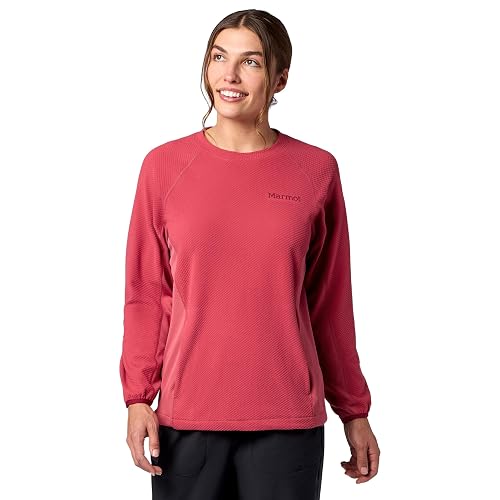
MARMOT Women’s Rockbound Fleece Pullover

adidas Men’s Terrex Multi Full-Zip Fleece Jacket

Rab Men’s Nexus Stretch Fleece Jacket
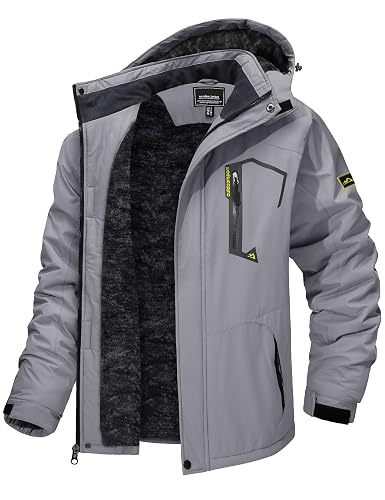
TACVASEN Men’s Winter Skiing Jacket
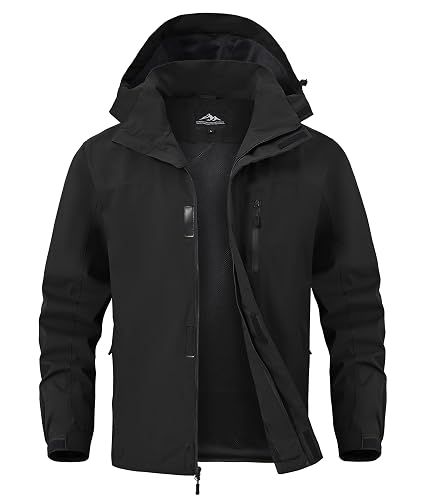
Zoofly Men’s Waterproof Hiking Jacket with Hood
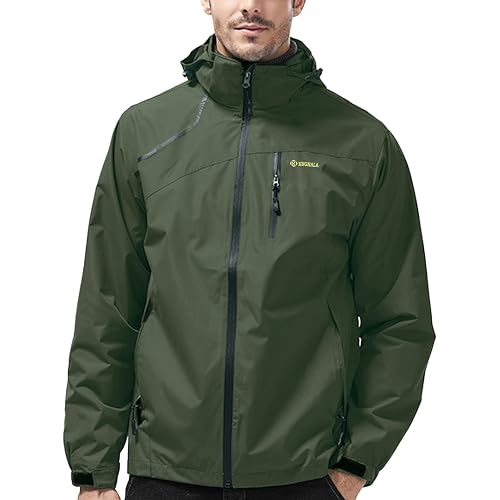
Kugnala Lightweight Waterproof Hooded Jacket
The Picks, Examined More Closely
The Rockbound earns its spot as the coziest midlayer on the list, built around a grid-textured fleece that traps warm air in little waffle pockets while still letting body heat escape. As a pullover rather than a full zip, it runs a touch warmer than the adidas Terrex below, which matters on chilly morning approaches when you don’t want a zipper draft at the neck.
Compared with the heavier TACVASEN ski coat further down, this Marmot is the piece you actually keep on once the pace picks up, light enough to wear under a shell on shoulder-season hikes. Pack-friendly seams and a relaxed cut mean it slides cleanly over a base layer without bunching under hip belts.
Bright Spots
- Grid fleece breathes well during sustained uphill walking, reducing the clammy chill that comes with sweat-soaked cotton layers.
- Relaxed silhouette layers easily over a thermal top without restricting arm movement when reaching for trekking poles.
- Pullover design adds warmth at the neckline, a small but welcome touch on breezy ridgelines.
- Compresses into a daypack pocket when the sun warms the trail.
Things To Consider
- Fleece holds odor faster than synthetic shells, so plan on airing it out after sweaty days.
- Not weatherproof on its own; pair with a shell in real rain or wet snow.
Made For
Shoulder-season hikers and campers who want one warm, packable piece to wear from trailhead to campfire.
Consider Something Else When
The Rab Nexus Stretch Fleece Jacket suits you better if stretch and full venting during fast ascents matter more than pullover coziness.
The Terrex Multi is engineered for the friction point most fleece jackets ignore: where shoulder straps press against fabric for hours. Its slightly offset shoulder seams sit behind the pressure zone, so the material doesn’t bunch or wear through when you’re grinding uphill with a loaded pack.
The full zip makes it a more adaptable piece than the pullover Marmot above; you can dump heat quickly on steep sections and zip back up at the summit. Soft fleece against the skin stays comfortable even when you sweat, and the breathable weave keeps steam from pooling inside.
A Few Highlights
- Backed-off shoulder seams reduce chafing under pack straps, a detail that shows up most on multi-hour climbs.
- Full-length front zip lets you regulate temperature faster than any pullover design.
- Zip-close pockets keep a phone, map, and snacks from sliding out on rough descents.
- Breathable fleece manages sweat during continuous movement better than heavy thermal layers.
Trade Offs
- Pile fleece tends to attract lint and pet hair in camp settings.
- Sizing runs closer to athletic; you may need to size up if you plan to wear a thick base layer underneath in winter.
Feature Snapshot
Who It Suits Best
Day hikers and fast-packers carrying a medium-weight pack who want a fleece that disappears under shoulder straps.
Skip It When
The TACVASEN Winter Skiing Jacket fits better for sub-freezing days where insulation and weatherproofing outweigh breathability.
The Nexus earns its reputation as the most athletic fleece in this roundup, with stretch-woven fabric that moves with you instead of fighting you on rock scrambles. Compared with the more relaxed adidas Terrex above, this Rab has a noticeably trimmer cut, built for people who treat their midlayer like a second skin.
Flatlock seams (a stitching method where fabric edges overlap without raised ridges) sit flush against the shoulders, so nothing digs in when you shoulder a pack or shrug into a harness. The full zip pairs cleanly with a hardshell, and the pockets stay accessible even with a hip belt cinched tight.
Practical Advantages
- Stretch-knit fabric reaches forward easily when grabbing handholds, no riding-up at the hem.
- Flatlock construction keeps seams from pressing into shoulders under backpack straps.
- Two zippered hand pockets remain reachable above a fastened hip belt.
- Lightweight build stuffs small enough to keep in a pack as a backup layer on summit pushes.
Honest Caveats
- Trim fit won’t accommodate thick insulating layers underneath, so plan your sizing for a baselayer-only pairing.
- Pilling (small fabric balls forming on the surface) can show up where pack straps rub, especially after long trips.
- Not a standalone weather piece; you’ll want a shell for rain or sustained wind.
Built With In Mind
Fast-and-light trekkers, climbers, and alpine travelers who need a stretchy midlayer that keeps up with technical movement.
A Better Fit Elsewhere
The MARMOT Rockbound Fleece Pullover suits you more if you want a roomier, cozier piece for casual weekend camping rather than high-output days.
The TACVASEN sits at the opposite end of the spectrum from the lightweight fleece picks above. This is an insulated, waterproof shell built for genuine winter, the kind of jacket that handles chairlift wind, sideways snow, and trailhead temperatures well below freezing.
Compared with the breathable fleeces earlier in this list, the trade-off here is weight: you’ll feel it on the trail, but you’ll also feel the warmth when standing still on a ridgeline. The thermal fill means you can often skip a separate midlayer, simplifying your kit for cold-weather day trips.
What Earns Its Place
- Combined waterproof shell and insulation removes the need to plan a separate midlayer for short winter outings.
- Thermal fill retains warmth during stationary moments, lift rides, belay sessions, and breaks.
- Outer shell beads off snow and sleet, keeping inner layers dry through long storm cells.
- Coverage and cut work well over base layers without feeling restrictive on chairlifts or gentle slopes.
Points To Keep In Mind
- Heavier than the fleeces above, so you’ll notice it on long approaches with a pack.
- Insulation runs warm during sustained uphill hiking; expect to unzip the core for venting.
- Bulky profile takes up significant pack space when stuffed.
Core Details
Right Fit For
Cold-weather hikers, resort skiers, and snowboarders who want one jacket that handles snow, wind, and freezing temps without layering gymnastics.
Not Your Match When
The Zoofly Waterproof Hiking Jacket fits better for shoulder-season trips where packability and lighter weight matter more than insulation.
The Zoofly is the kind of shell that disappears into a daypack and reappears when the weather turns, a lightweight waterproof layer built for travel days, fishing trips, and three-season hikes. Unlike the insulated TACVASEN above, this one gives up warmth for weight savings, so it works best over a fleece or thermal in cold rain.
Zippered pockets, an adjustable hood, and a packable construction make it a strong “just in case” layer for trips where forecast confidence is shaky. Compared with the Kugnala rain jacket further down, the Zoofly leans more hiking-oriented in cut and pocket placement.
Strong Points
- Lightweight build keeps the jacket out of the way until rain actually arrives.
- Adjustable hood seals out wind without restricting peripheral vision on the trail.
- Multiple zip pockets organize phone, trail snacks, and small gear without bulk.
- Waterproof shell works across hiking, fishing, and travel scenarios without specialized cuts.
Softer Spots
- No insulation, so pairing with a fleece is required in cold or windy weather.
- Lightweight fabrics can show wear faster than heavier shells under abrasive pack straps.
Quick Facts
Whose Shelf It Belongs On
Travelers and three-season hikers who need one packable shell for rain, wind, and breezy evenings around camp.
Reach For A Different Pick When
The TACVASEN Winter Skiing Jacket fits better for genuinely cold outings where insulation matters as much as weatherproofing.
The Kugnala closes out the list as the most accessible option: a no-fuss waterproof shell designed for running, hiking, cycling, and travel, with a size range that runs from M all the way to 7XL. Where the Zoofly above leans hiking-specific, this piece plays a wider role across active use.
It’s the jacket to grab for unpredictable mornings, dog outings, and gear lockers where one shell needs to fit everyone in the household. The trade-off is straightforward: it’s a basic rain layer, so don’t expect taped seams, technical fabrics, or insulation.
Where It Excels
- Wide size range makes it easy to outfit multiple body types from a single purchase.
- Lightweight packability suits travel, commuting, and stashing in a running belt bag.
- Windproof and waterproof construction handles light-to-moderate rain without weighing you down.
- Cuts that work across running, hiking, and cycling remove the need for activity-specific shells.
Possible Compromises
- Basic construction means limited features compared with technical shells.
- No insulation, so layering is required in cold conditions.
- Durability under heavy pack use is more limited than heavier hiking shells.
Feature Rundown
Who Should Grab It
Casual hikers, runners, cyclists, and travelers who want one affordable waterproof shell that works for many activities.
Where A Sibling Pick Shines
The Rab Nexus Stretch Fleece Jacket is the better pick when breathability and stretch take priority over rain protection.
What to Weigh Before Picking a Trekking Jacket
A trekking jacket earns its keep in three places: breathability on the climb, weather protection at the summit, and packability when conditions stay calm. Match the jacket to the season first, then the activity intensity, then weight. Most people pick something too warm and end up carrying it tied to their pack half the trip.
Layering logic matters more than any single garment. A breathable midlayer (a midweight insulating piece worn under your shell) like the Rab Nexus or the adidas Terrex, paired with a waterproof shell like the Zoofly, covers most shoulder-season conditions. In real winter, an insulated jacket like the TACVASEN removes a layer from the equation.
Fit is where most shoppers go wrong. A jacket that’s perfect standing still often pulls at the shoulders when you reach forward. Look for articulated sleeves (sleeves shaped with a built-in bend at the elbow), offset seams, and enough room to wear your insulation underneath without compression. Pocket placement matters more than pocket count; pockets that sit above a hip belt stay usable on the trail.
Finally, weight and packability trade off against durability. Ultralight shells handle drizzles and wind but show abrasion faster under heavy packs. Heavier jackets last longer and weather harsher conditions, at the cost of more weight in your pack.
Key Considerations Across These Picks
Where Shoppers Go Wrong
The biggest mistake is choosing by fabric name rather than use case. “Waterproof” tells you almost nothing without knowing the jacket’s weight, taped seams, and breathability. A cheap rain shell looks identical on a hanger to a technical one, until you’re soaked through two miles in.
Another common trap is buying one jacket to cover every season. A summer rain shell fails in a snowstorm, and a winter parka cooks you alive on a summer ridge. Two narrower jackets almost always outperform one compromise piece.
Where The Extra Money Goes
Higher-tier trekking jackets earn their cost through seam sealing (taped strips applied over stitched seams to block water), better face fabrics, and pattern cuts designed for movement. YKK zippers, articulated patterning, and helmet-compatible hoods show up long before exotic fabric names do. The upgrade is worth it for multi-day trips and serious weather; casual weekend hikers can usually skip it.
Frequently Asked Questions
Do I need a waterproof jacket for trekking?
A waterproof shell is useful for most trekking above treeline, even in summer, since afternoon storms arrive fast. For drier climates, a wind shell with light water resistance may be enough.
What is the best layering system for trekking?
A moisture-wicking base layer, an insulating midlayer like a fleece, and a waterproof and breathable outer shell cover most three-season conditions. Adjust the midlayer weight for the temperature.
Can I wear a trekking jacket in winter?
Light shells alone are not enough in winter; pair them with a warm midlayer or use an insulated jacket like the TACVASEN. Down or synthetic insulation is required below freezing for most hikers.
How should a trekking jacket fit?
You want enough room for a base layer plus a midlayer underneath without restriction at the shoulders or hem. Sleeves should reach your wrists with arms extended forward, and the hem should cover your hips.
How do I clean and store a trekking jacket?
Wash technical jackets with a mild technical cleaner rather than regular detergent, which can strip water-repellent coatings. Hang to dry or tumble dry low to reactivate DWR (Durable Water Repellent, a surface treatment that makes water bead off fabric), and store loosely folded rather than compressed long-term.
Wrap Up
The right trekking jacket depends less on brand hype and more on your terrain, your season, and how hard you plan to push. Match the weight to the weather, the cut to your pack, and the layering system to your trip length. With those basics handled, any of the six picks above should serve you well across many trail miles.