
Your water bottle quietly shapes the whole day on the trail. Pick the wrong capacity and you’re refilling every hour; pick a leaky lid and your pack stays damp for miles; pick a clunky shape and the bottle refuses to play nice with your hip belt or cup holder. The right bottle disappears into the routine, which is exactly what you want when you’re four miles in and the only thing on your mind is the next switchback.
This roundup looks at ten options that span the major hiking styles: ultralight thru-hikers, weekend day-trippers, national park collectors, and folks who just need a tough commuter that can also handle a trailhead or two. Every pick here was chosen for a specific reason, so you can match the bottle to your route, not the other way around.
The Lineup, Simplified
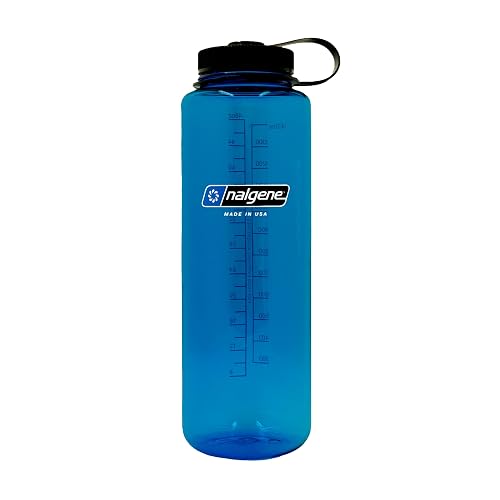
Nalgene 48 oz Wide Mouth Silo Water Bottle, Blue

National Parks 32 oz Insulated Stainless Steel Bottle (Green)
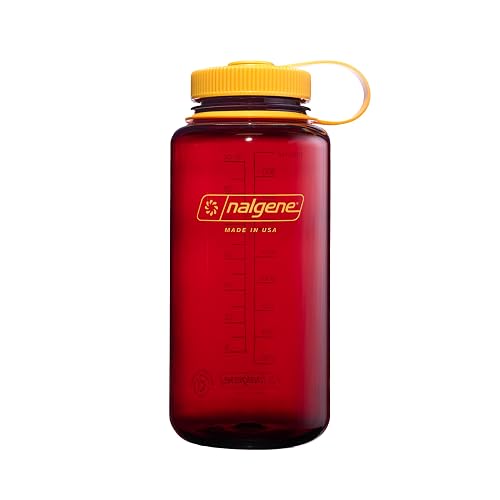
Nalgene 32 oz Wide Mouth Water Bottle
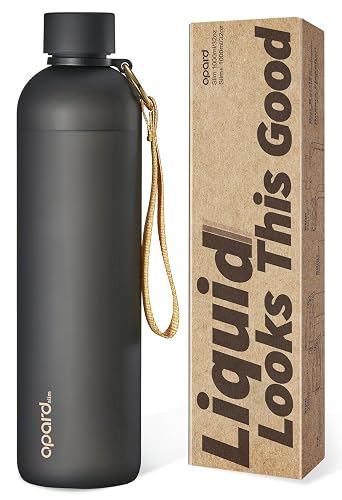
Opard Slim Water Bottle 32oz (Charcoal Black)
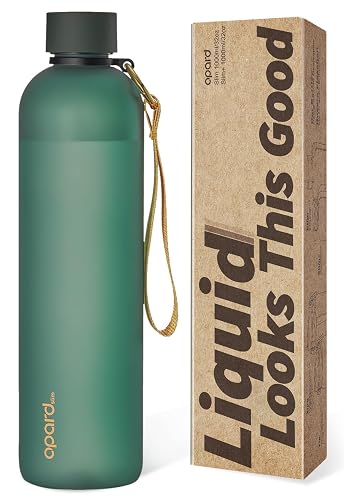
Opard Slim Water Bottle 32oz (Forest Green)
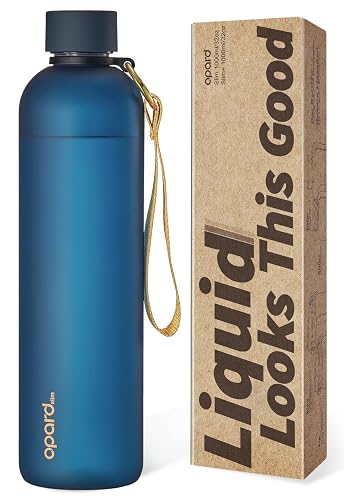
Opard Slim Water Bottle 32oz (Midnight Blue)

VANPET 2L & 1L Water Bag for Sawyer Squeeze Filter

VANPET 1L Collapsible Bottle 2-Pack

1L Hiking Collapsible Bottle 6-Pack
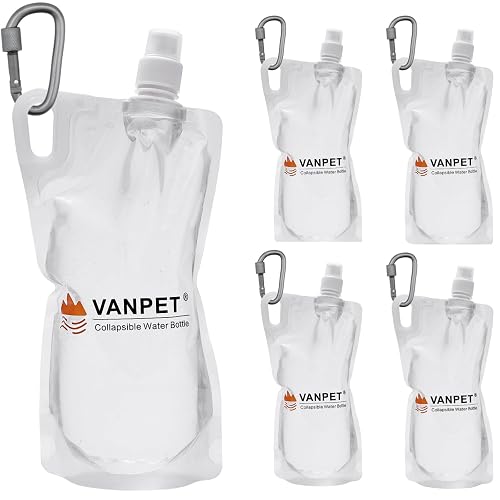
VANPET 1L Collapsible Bottle 4-Pack
Meet The Standout Selections
The Nalgene 48 oz Wide Mouth Silo Bottle leans into a single, very practical promise: carry more, refill less. At 1.4 liters, it holds close to double what a typical 24 oz bottle manages, which is the difference between a single refill at the saddle and a constant hunt for streams. The wide mouth (a classic Nalgene trait) makes scooping from a stream filter or plopping in ice cubes painless.
For long ridge walks and dry stretches where you don’t want to plan your route around water sources, the volume pays for itself in peace of mind. It’s not the sleekest bottle here, but it doesn’t need to be.
Benefits That Matter
- 48 oz capacity covers long stretches between reliable water sources.
- Wide mouth accepts ice, drink mixes, and stream-filter scoops without fuss.
- Tough plastic body shrugs off typical trail drops and pack-pressure abuse.
- Simple screw-top design is easy to clean with a bottle brush.
Trade-Offs Worth Knowing
- The 48 oz size may feel bulky in smaller daypacks and most car cup holders.
- Plastic construction does not insulate, so cold drinks warm up on hot climbs.
Quick Facts
Who It Suits Best
Day hikers covering long mileage between water sources will appreciate the extra capacity most.
Where Another Pick Suits Better
For insulation on hot days, the National Parks 32 oz Insulated Stainless Steel Bottle (Green) holds temperature far longer.
The National Parks 32 oz Insulated Stainless Steel Bottle (Green) is the one that shows up at every trailhead gift exchange, and for good reason. It pairs an insulated stainless body with a 2-in-1 straw-and-spout lid, then throws in a stack of waterproof park stickers and a tracker map, so the bottle pulls double duty as a hydration tool and a travel keepsake.
If you’re logging parks with kids or a partner, the sticker pack turns every summit into a small ritual. Even without the sticker angle, the dual lid is genuinely handy: straw for slow sipping at camp, spout for fast gulps on the move.
Noteworthy Benefits
- Vacuum-style insulation is built for long, warm trail days.
- Dual lid system covers sipping, gulping, and dust-free transport.
- Stainless steel body resists dings and rough pack handling.
- Sticker bundle adds real value for park-visiting families.
Things To Consider
- Stainless steel adds weight versus plastic bottles of the same capacity.
- More lid parts means more pieces to keep track of on the trail.
Feature Snapshot
Made For
National park collectors and gift-givers who want a bottle with a built-in adventure log will get the most out of this one.
Swap It Out When
Ultralight hikers should reach for the VANPET 1L Collapsible Bottle 2-Pack instead, since it flattens when empty and trims pack weight noticeably.
The Nalgene 32 oz Wide Mouth Water Bottle sits in the sweet spot for most hikers. It uses a recycled resin (a plastic built from recovered material that’s been processed back into bottle-grade feedstock) that keeps the weight low and the footprint a little lighter, all without sacrificing the wallop-absorbing build Nalgene built its name on.
It feels like the bottle most people picture when they hear “hiking water bottle”: wide mouth for ice and easy washing, screw cap that won’t drip in your pack, and a 32 oz capacity that balances nicely between hydration and pack bulk.
The Upside
- Recycled resin construction appeals to hikers trying to lower plastic impact.
- Wide mouth makes hand-washing fast and ice simple.
- 32 oz is the most versatile capacity for half-day to full-day routes.
- Proven Nalgene durability handles years of trail use.
Small Caveats
- Plastic body lacks insulation; drinks reach ambient temperature quickly.
- Screw cap can loosen slightly inside a fully loaded pack over time.
Best Suited To
Everyday hikers who want a reliable, easy-to-clean bottle for typical trail distances will find this hits the mark.
Not Your Match When
For insulated temperature control on summer climbs, the National Parks 32 oz Insulated Stainless Steel Bottle (Green) is the stronger choice.
The Opard Slim Water Bottle 32oz (Charcoal Black) is a plastic bottle that quietly solves a real-world problem: fitting in places standard wide-mouth bottles can’t. The slim body drops into car cup holders, backpack side pockets, and laptop bags without forcing a compromise on the 32 oz capacity.
For hikers who also commute, this dual-life shape earns its spot. It’s lighter than the stainless steel options, dishwasher safe, and sealed with a screw top that’s designed to stay put in a packed bag.
Where It Helps
- Slim profile fits standard car and backpack pockets with no adapter required.
- Dishwasher-safe plastic simplifies post-trail cleanup.
- Leakproof screw top keeps packs dry on rough descents.
A Few Limitations
- Narrow mouth makes adding ice cubes or filter scoops a tight squeeze.
- Plastic does not insulate; warm hikes mean warm water.
Perfect Match For
Commuters who hike on weekends and want one bottle that handles both worlds will appreciate the slim shape.
Look Elsewhere When
For backcountry water hauling, the VANPET 2L & 1L Water Bag for Sawyer Squeeze Filter handles streams and reservoirs more naturally.
The Opard Slim Water Bottle 32oz (Forest Green) is the same proven slim profile as its charcoal sibling, dressed in a color that disappears into a forest setting. If you tend to leave gear on rocks during breaks, the green finish tends to blend in rather than shout.
It’s the same lightweight, dishwasher-safe plastic build with a leakproof screw top, so the body of the review matches the Charcoal Black bottle. The color choice is the real differentiator here.
The Good Stuff
- Forest-friendly colorway blends with woodland trails and packs.
- Slim 32 oz body slips into standard cup holders and side pockets.
- Plastic build keeps weight low for fast day hikes.
- Dishwasher-safe material speeds up post-trip cleanup.
Honest Caveats
- Color may scuff visibly after heavy rocky use.
- Same narrow-mouth limitation as the other Opard Slim colors.
Who Should Grab It
Forest hikers who prefer low-visibility gear and a slim carry profile will like this colorway best.
Another Choice May Suit
For insulated performance on hot climbs, the National Parks 32 oz Insulated Stainless Steel Bottle (Green) is the stronger match.
The Opard Slim Water Bottle 32oz (Midnight Blue) finishes the Opard trio in a deep, office-friendly blue. It’s the pick for anyone whose bottle lives on a desk as often as it rides in a pack, and the slim shape carries the same easy-in-cup-holder fit that makes this line work for commuters.
The plastic body and screw-top leakproof design are identical to the other Opard colors, so the trade-offs carry over. What changes is the surface tone, which keeps a polished look through daily handling.
Real Benefits
- Deep blue finish holds a clean look after repeated daily handling.
- Slim 32 oz profile works for both car commutes and trailheads.
- Screw-top lid is built to avoid mid-commute drips.
Points To Note
- Plastic construction warms up under direct summer sun.
- Narrow opening makes in-field filling from shallow streams less convenient.
Whose Shelf It Belongs On
Office-bound commuters who head for trailheads on weekends get the best dual use from this colorway.
Reach For A Different Pick When
For backcountry trips requiring stream collection, the VANPET 2L & 1L Water Bag for Sawyer Squeeze Filter handles the task with less hassle.
The VANPET 2L & 1L Water Bag for Sawyer Squeeze Filter shifts the conversation from a bottle to a hauling system. It comes as a dual-size kit: 2 liters for camp cooking and washing, 1 liter for on-trail drinking, both made from TPU (a flexible, tough plastic often used in hydration bladders) that’s BPA and PVC free.
The whole setup is designed to pair with 28mm screw-cap filters, so you can scoop from a stream, screw on a filter, and squeeze clean water into your cooking pot or drinking bottle. For multi-day routes, that combination removes a lot of friction.
Notable Upsides
- Dual 2L and 1L sizes cover both camp water and on-trail drinking.
- 28mm threading pairs with major backcountry filter brands.
- TPU material rolls flat for compact pack storage.
Trade-Offs To Consider
- Soft walls need careful handling to avoid punctures on rough terrain.
- Filter sold separately; budget for a compatible squeeze filter.
Key Specs
Built With In Mind
Multi-day backpackers who filter stream water along the route will get the most value from this hauling setup.
Skip It When
For short day hikes with refill points, the Nalgene 32 oz Wide Mouth Water Bottle is a simpler, lower-maintenance choice.
The VANPET 1L Collapsible Bottle 2-Pack focuses on one specific problem: pack space. When empty, the soft flasks fold down flat; when full, they hold a useful liter of water and pair with the same 28mm filter thread as the larger bag system.
Two bottles in a pack give you a clean drinking side and a dirty filter side, which is a smart setup for stream-heavy routes. For thru-hikers counting grams, the collapsible form factor is hard to beat.
The Value In It
- Empty bottles flatten to roughly the size of a soft pouch, freeing pack space.
- Two-bottle setup separates clean and filtered water on trail.
- 28mm threading accepts major squeeze filter brands.
- Lightweight BPA-free plastic keeps carried weight minimal.
Where It Is Less Suited
- Soft walls are easier to puncture than rigid plastic bottles.
- Requires a filter purchase to unlock the full backcountry value.
Right Fit For
Lightweight pack hikers who want flexible water storage without rigid-bottle bulk will find this two-pack a useful upgrade.
Consider Something Else When
Rugged day hikers who want drop-proof simplicity should reach for the Nalgene 48 oz Wide Mouth Silo Water Bottle, Blue instead.
The 1L Hiking Collapsible Bottle 6-Pack scales the same flexible-bottle idea up to a group or family supply. Six 1L flasks, all collapsible, all filter-ready, all BPA free: enough for a full car-camping crew or a season’s worth of backup bottles stashed in different packs.
It’s a different buy than the others here: less about one hiker’s perfect bottle, more about stocking up for several trips at once. The per-bottle cost tends to drop with the bulk pack, which is part of the appeal.
Useful Strengths
- Bulk six-pack covers family or group hydration needs in one buy.
- Each bottle collapses flat when empty for compact storage.
- 28mm threading supports the same filter ecosystem as the smaller kits.
Some Limits To Know
- Six bottles is more than most solo hikers actually need on hand.
- Bulk storage takes up shelf space at home between trips.
The Right Fit
Trip leaders outfitting a group or households stocking several packs at once get the most value from a multi-pack this size.
A Better Fit Elsewhere
Solo hikers should size down to the VANPET 1L Collapsible Bottle 2-Pack for a leaner, more focused carry.
The VANPET 1L Collapsible Bottle 4-Pack splits the difference between the 2-pack and 6-pack, giving you four filter-ready soft flasks for backup bottles, shared trips, or a rotating home supply. It’s the most balanced bulk option in the lineup for households that hike often but don’t need a full six-pack.
Like the other VANPET soft bottles, these flatten when empty and thread onto standard 28mm squeeze filters, so they integrate cleanly with the larger bag system if you already own it.
Features That Help
- Four bottles strike a balance between solo and group supply.
- Collapsible body keeps storage footprint tiny between uses.
- Same 28mm filter compatibility as the rest of the VANPET line.
What To Weigh
- Soft construction needs careful packing around sharp gear.
- Filter hardware is sold separately across the whole line.
Best Suited To
Regular hikers who want a flexible backup supply without committing to a six-pack will find this four-bottle bundle a sweet spot.
Where A Sibling Pick Shines
For larger crews, the 1L Hiking Collapsible Bottle 6-Pack delivers the same bottle at higher volume.
What To Weigh Before Choosing Water Bottles For Hikers
Capacity sets the foundation. Think about the longest stretch between refill points on your usual route. A 32 oz bottle handles most half-day hikes without refills, while 48 oz covers long ridges where water sources are scarce. Collapsible bags in the 1L to 2L range work better for hauling water from streams to camp.
Material affects weight, insulation, and durability. Plastic bottles are light and tough but don’t hold temperature. Insulated stainless steel keeps cold drinks cold on hot climbs but adds ounces. TPU soft flasks disappear in a pack but need gentle handling.
Lid style matters more than most shoppers expect. A screw top won’t drip in a packed bag; a straw lid is easier to drink from on the move; a wide mouth accepts ice and stream scoops; a narrow mouth forces you to drink in small sips. Match the lid to how you actually drink on the trail.
Filter compatibility becomes essential on multi-day routes. If you plan to drink from streams, look for bottles or bags with 28mm threading that pairs with popular squeeze filters.
Shape and pack fit often decide daily comfort. Slim bottles slip into side pockets and cup holders; wide-mouth bottles are easier to clean but take up more space. Try to picture the bottle clipped, holstered, or slid into your actual pack before committing.
Key Considerations Across These Picks
Wrong Turns To Avoid
The most common slip-up is buying a bottle that’s too big for the actual hike. A 48 oz jug feels heroic in the parking lot and burdensome by mile three. Match capacity to your route, not your ambitions. Another trap is ignoring lid style: a leaky flip-top soaks a sleeping bag faster than any rainstorm. Test the closure mentally before you trust it on trail. Finally, skipping a brush on a wide-mouth bottle leads to funk buildup that no rinse cycle fixes, so plan for basic cleaning tools from day one.
Where The Extra Money Goes
Higher-tier bottles in this category usually spend the premium on insulation, build materials, or accessory ecosystems. Insulated stainless steel costs more because the vacuum layer inside genuinely holds temperature. Filter-ready kits cost more because the threads, valves, and TPU walls are engineered to mate with specialty hardware. For casual day hikers, a basic plastic bottle is plenty; for hot climates, multi-day routes, or gift-grade bottles that double as keepsakes, the upgrade tends to pay off in daily comfort rather than abstract spec gains.
Frequently Asked Questions
How many ounces should a hiking water bottle hold?
Most day hikers settle on 32 oz, which balances carry weight with enough water for several hours on the trail. Longer routes or dry climates push that up to 40 to 48 oz.
Are plastic water bottles safe for hot hiking days?
BPA-free plastics are widely used across hiking bottles and avoid the most common concern. The bigger trade-off is temperature: plastic does not insulate, so warm drinks warm up fast in summer sun.
What is a collapsible water bottle good for?
Collapsible bottles shine on trips where pack space and weight matter more than rigid durability. They flatten when empty, fit easily in running vests, and often pair with backcountry filters for stream-side use.
Do insulated stainless steel bottles really keep water cold?
Vacuum-insulated stainless bottles hold cold temperatures far longer than plastic or single-wall steel. The trade-off is added weight and a higher cost.
How do you clean a hiking water bottle?
A bottle brush and warm soapy water handles most bottles. Wide-mouth designs clean fastest; narrow-mouth and straw lids often need a dedicated straw brush to reach the inner curves.
The Takeaway
The best hiking bottle is the one that matches your route, your pack, and your drinking habits without making you think about it. Lean toward simple, tough, and easy to clean for daily trail use; reach for insulated steel when temperature control matters; bring collapsible bags along when pack space or stream filtering is part of the plan. Pick the bottle that disappears into your routine, and the trail gets a little easier from the first switchback.