
A wet backpack turns a good hike into a miserable one. Your phone, snacks, and an extra layer all suffer when fabric soaks through, and a sudden rainstorm miles from the trailhead makes a dry pack feel less like gear and more like a safety net. The picks below cover the kinds of conditions real hikers hit: drizzly ridge walks, creek-side scrambles, festival downpours, and long days where you need water on demand without stopping.
A Side-By-Side Look
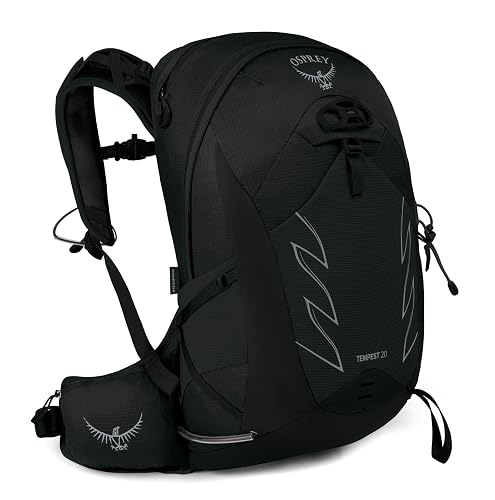
Osprey Tempest 20L Women’s Hiking Backpack, Stealth Black

YETI Crossroads Backpack
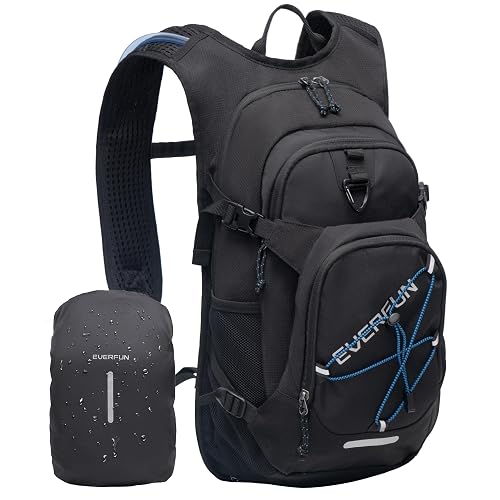
Everfun 18L Hydration Backpack with Water Bladder
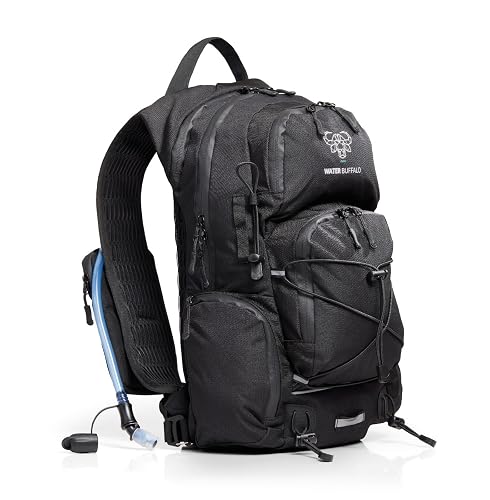
Water Buffalo Sherpa 22L Hydration Backpack
The Details Behind The Selections
The Osprey Tempest 20L earns its spot for hikers who treat every weekend like a training day. The pack uses a women’s-specific harness (the shoulder strap and torso length are tuned shorter, which matters more than most shoppers expect on longer miles) paired with a wraparound hipbelt that transfers weight off the shoulders and onto the hips.
An injection-molded back panel, the firm foam plate with ventilation channels that sits against your spine, lets air move while you climb, and 20 liters is the sweet spot for fast day missions: a shell, lunch, a 1L bottle, and room for a layer at the summit. Compared to the roomier YETI Crossroads below, this one stays flat and stable when the trail pitches up.
Practical Pluses
- Trekking pole, ice axe, and blinky light attachment points turn it into a true technical pack for shoulder-season objectives.
- A dedicated bike helmet carry frees up hands on bike-to-trail commutes and saves you from awkwardly strapping it with a bungee.
- The continuous-wrap hipbelt stays put on steep descents, where most daypacks start swinging and tire your lower back.
- At 20L, it’s light enough for fast hiking days without forcing you to leave a rain shell behind.
Things To Consider
- Twenty liters feels tight if you also want to pack a full hydration reservoir plus a camera; layering your kit matters.
- The women’s-specific cut won’t suit every torso, so trying it on with weight inside is worth the trip to a shop.
- Like most technical daypacks, the fabric sheds light rain well but needs a pack cover or dry bag for sustained downpours.
Quick Facts
Made For
Hikers with a shorter torso who want a stable, technical daypack for fast objectives and shoulder-season trips.
Consider Something Else When
The YETI Crossroads suits travelers who want a clamshell-opening bag that doubles as wet-weather commuter gear.
The YETI Crossroads sits in a different lane than the Osprey above: it isn’t built for alpine mileage so much as wet-weather commuting, weekend travel, and overnights where you need to organize gear like a suitcase. The 180-degree clamshell opening, a zipper that runs almost all the way around the main compartment so it folds flat like luggage, makes it easy to live out of in a hotel or a car.
Where this bag shines is in hard use and weather: the shell uses YETI’s typical thick, water-shedding fabric, and the structure holds its shape when fully packed, which keeps shoulder straps from digging in. If you live somewhere wet and want one bag that handles laptop, gym clothes, and a flight, the Crossroads earns its place.
Key Advantages
- The clamshell opening lets you pack and unpack like a carry-on, no digging through a top-loading tube.
- Thick, structured shell fabric resists abrasion from airline cargo holds and crowded overhead bins.
- A pass-through panel slides over roller luggage handles, which saves your shoulders on long airport walks.
- Internal organization keeps a laptop, charger, and shoes separate from a wet rain shell.
Honest Caveats
- It’s heavier than a true daypack, so trail use feels overbuilt once you’re carrying it for hours.
- The clamshell format is overkill if you only need a small daypack for short hikes.
- Like most structured packs, it doesn’t compress flat when empty and takes up closet space.
Right Fit For
Commuters and travelers who deal with rain, flights, and overnights and want one bag that handles daily and trip duty.
Swap It Out When
The Osprey Tempest 20L is the smarter pick for hikers who care more about torso fit and trail stability than suitcase-style packing.
The Everfun 18L is the kind of bag that solves the “I just want water on my back” problem without much fuss. It ships with a hydration bladder, the soft reservoir that lives in a dedicated sleeve and feeds a drinking tube over the shoulder, and the 18-liter body is sized for movement: running, biking, fast hiking, and festival days where a full-size pack feels like a billboard.
Where it earns its value badge is in the pocket layout: a velvet-lined pocket protects sunglasses and a phone screen, a mesh zip pocket inside the main compartment holds wallet and passport, and a front quick-access pocket handles keys. Compared to the Water Buffalo below, this one prioritizes general-purpose storage over trail-specific hauling.
Where It Delivers
- An included bladder removes the usual upcharge, so you can hydrate from day one without an extra accessory run.
- Multiple pockets, eight functional compartments in all, keep phone, keys, and snacks reachable without dumping the bag.
- The lightweight build suits runners and bikers who don’t want a heavy pack bouncing against their lower back.
- Insulation around the bladder slows water warming in summer sun.
Points To Note
- Lightweight construction is comfortable but feels less rugged under sharp branches than a heavier hiking pack.
- Cleaning the bladder and tube thoroughly takes patience, which matters if you plan to use it daily.
- At 18L, winter layering crowds the main compartment fast.
Perfect Match For
Runners, festival-goers, and entry-level hikers who want an all-in-one hydration pack without spending for premium materials.
Look Elsewhere When
The Water Buffalo Sherpa suits hikers who want a slightly larger 22L body and a BPA-free bladder focused on longer trail days.
The Water Buffalo Sherpa 22L is the most trail-shaped of the hydration packs on this list. It ships with a 2L BPA-free bladder, meaning the reservoir plastic is free of bisphenol A, a chemical sometimes used in clear plastics, and the bite valve sits on an easy-access hose so you can drink without breaking stride on a climb.
Six storage pockets handle the usual suspects: snacks, a layer, a first-aid kit, and trail trash. Compared to the Everfun above, this one trades a bit of pocket variety for a roomier main compartment, which makes more sense for full-day hikes than fast running sessions.
Positive Takeaways
- The wide-mouth bladder opening makes filling and cleaning meaningfully easier than narrow-mouth rivals.
- BPA-free construction reduces one more thing to worry about when kids borrow the pack.
- An adjustable harness lets you tighten the load once it’s heavy, which keeps it from sloshing on technical terrain.
- Six pockets spread gear across the bag, so the weight sits closer to your back instead of pulling on your shoulders.
Small Caveats
- The 2L bladder is the right size for most hikes but runs short on hot, multi-hour efforts in dry climates.
- Some owners find the shoulder straps firmer than premium packs during the first few outings before they break in.
Feature Snapshot
Who Should Grab It
Day hikers tackling longer routes who want hydration built in without committing to a technical pack like the Osprey Tempest 20L.
Reach For A Different Pick When
The Everfun 18L Hydration Backpack fits runners and festival-goers who want lighter construction and more pocket variety.
What To Weigh Before Picking a Pack
Fit Comes Before Capacity
Most shoppers sort by liters first, but torso length and hipbelt contact do more for comfort. A pack that ends at the right spot on your hips transfers weight where your body can carry it. Short torsos generally match women’s-specific or small sizing, while longer backs need medium or large frames. Trying a pack loaded with 10–15 pounds tells you more than any spec sheet.
Match Construction To Climate
Lightweight ripstop, a tightly woven nylon that resists tearing, works for fair-weather miles but holds up poorly under abrasion and downpour. Heavier denier ratings (the thread thickness of the fabric; higher numbers mean tougher material) and coated shells shed water longer, which matters in Pacific Northwest-style wet seasons. Pair either with a pack cover or dry bag if your routes cross exposed ridges or you camp overnight.
Decide Between Hydration And Bottles
Built-in bladders keep water on your back and let you sip while moving, ideal for running, biking, and hot climbs. Bottle sleeves suit shorter hikes and travelers who already carry a favorite insulated bottle. The packs above split along that line: the Osprey and YETI lean bottle-friendly, while the Everfun and Water Buffalo integrate hydration.
Plan For Organization
Daypacks with internal pockets stop you from digging for keys and a headlamp. Hydration packs with hose routing and quick-access pockets suit high-output activities. Commuter-leaning bags with laptop sleeves and clamshell openings serve travel better than trail use.
Common Pitfalls and Premium Trade-offs
Pitfalls Shoppers Hit
Going by liters alone is the most common miss: a 20L pack on a long torso rides high and pulls on the shoulders. Skipping the hipbelt for a slimmer look leaves you sore by mile six. Forgetting that “water-resistant” is not “waterproof” catches people out in real rain. Treating a hydration bladder as maintenance-free is another; tubes and bite valves need regular cleaning to stay sanitary.
Where The Extra Money Goes
Premium pricing typically buys tougher fabric, better zippers, and a real fit system. The YETI Crossroads leans into the first two for travel-grade durability, while the Osprey Tempest 20L leans into fit and trail-grade hardware. Higher-tier packs also tend to carry more thoughtful harness shaping, which compounds over hours on the trail in a way specs alone don’t capture. The upgrade is worth it if you hike weekly or carry heavy loads; a seasonal day hiker may be perfectly served by the value picks.