
A clear mountain stream looks inviting until you remember what might be living upstream. Picking up contaminated water on a trail means choosing between carrying every drop in or finding a way to treat what’s already there, and that’s the puzzle these products solve. If you’re heading into the backcountry for a weekend loop or planning a multi-day section hike, a reliable filter or purifier turns any freshwater source into a viable refill station. The lineup below covers ultralight straws, hand-pump microfilters, drop tablets, and a UV pen so you can match your gear to your pace, pack size, and tolerance for fiddly field maintenance.
The Essentials At A Glance

LifeStraw Personal Water Filter for Hiking, Travel and Emergency, Blue

Aquatabs 49mg Water Purification Tablets, 50 Pack
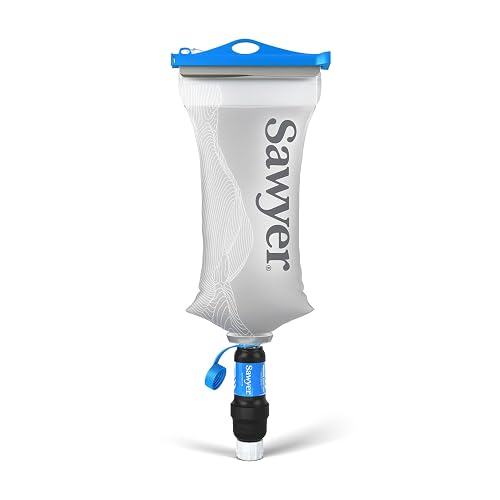
Sawyer Squeeze Water Filtration System
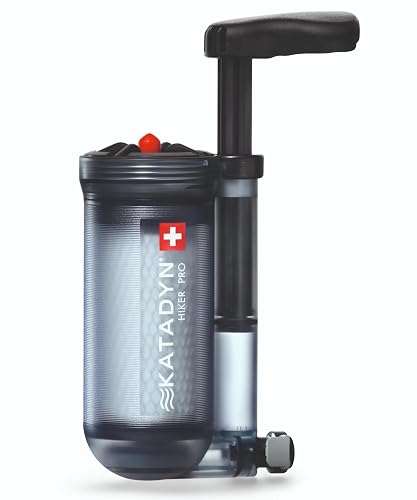
Katadyn Hiker Pro Transparent Hand Pump Water Filter
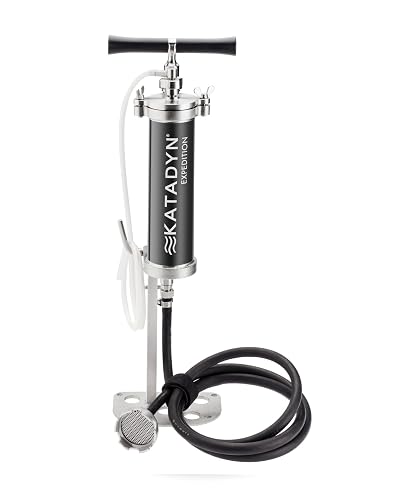
Katadyn KFT Expedition Stainless Steel Hand Pump Water Filter (Silver)
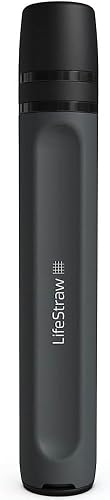
LifeStraw Peak Series Personal Water Filter Straw
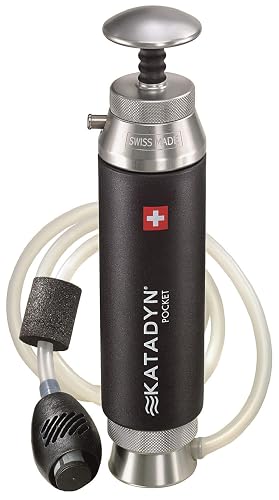
Katadyn Pocket Ceramic Hand Pump Water Filter
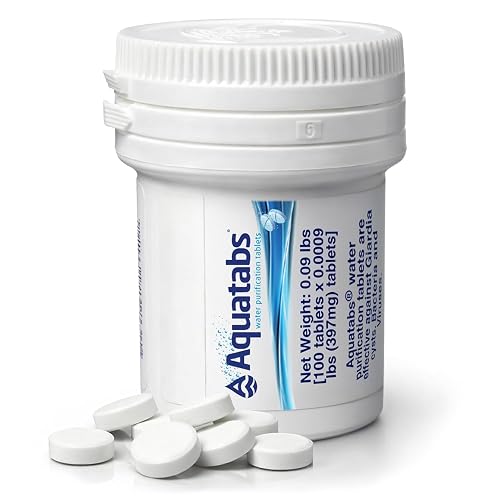
Aquatabs 397mg Water Purification Tablets, 100 Pack

SteriPen Adventurer Opti UV Personal Water Purifier
This is the straw-style filter that started the category for many hikers, and it remains one of the simplest ways to treat a drink on contact. Weighing just a couple of ounces and small enough to slip into a hip belt pocket, it pulls water straight from a stream or scoop and pushes it through a hollow fiber membrane. There’s nothing to pump, nothing to backflush in a rush, and nothing to read instructions for at the trailhead.
If you’re heading out for a short loop and care more about pack weight than liters per minute, the LifeStraw fills a useful role. Owners commonly keep one as a stash in a glove box or emergency kit, then reach for it as a primary option on casual day hikes.
Why It Works Well
- Ultralight footprint makes it easy to carry even on fast-and-light outings
- Drink-direct design removes the pumping step entirely
- No batteries, cartridges, or moving parts to babysit on the trail
- Filters bacteria, parasites, microplastics, and visible sediment
Worth Noting
- You must sip steadily through the straw, which isn’t ideal for filling a water bottle for cooking
- Doesn’t address viruses, so murky travel destinations may need a purifier instead
- Owners commonly report flow slowing in silty water without backflushing
Quick Facts
Who It Suits Best
Solo day hikers, ultralight travelers, and anyone assembling a car-side emergency kit who wants grab-and-go simplicity.
Consider Something Else When
Thru-hikers pumping liters for dinner need the faster refill behavior of the Sawyer Squeeze instead.
Aquatabs take a different approach: drop a small tablet into a liter of water, wait, and drink. The 49mg version in this listing targets bacteria, viruses, and cysts, which is one step beyond what a basic filter removes. The blister pack fits in a hip belt, a plane-side carry-on, or a glove compartment without taking up room a filter would.
For international trekking, the smaller dose is convenient because it adds almost nothing to your pack. One thing worth considering: you’ll want to plan around contact time, so it’s worth carrying alongside a wide-mouth bottle so you can drop, wait, and pour.
The Helpful Details
- Chemical treatment covers viruses that microfilters miss
- Compact tablet form slips into any kit without bulk
- Pack of 50 covers long trips or shared group use
- Long shelf life suits stash-kit and emergency storage
Trade Offs
- Requires a wait time before the water is safe to drink
- Doesn’t remove sediment, so cloudy water may need pre-filtering
- Faint taste can bother sensitive palates
Best Suited To
Travelers heading abroad and preppers building a backup supply who want viral protection in a near-zero-weight format.
Look Elsewhere When
Anyone drinking directly from silty streams needs the sediment handling of the Katadyn Hiker Pro Transparent instead.
The Sawyer Squeeze has earned its place on thru-hiker packing lists for good reason. It’s a small hollow-fiber filter that screws onto a pouch or water bottle, and you push water through by squeezing the bag. There’s no pumping motion to tire your arm and no moving hardware to break in the field.
You may find it most useful on sections where you refill two or three liters at a time before pushing on to camp. Compared to the LifeStraw straw above, the Squeeze trades direct-drinking convenience for the ability to fill multiple bottles in one go without sucking water through a tube.
Where It Excels
- Hollow fiber membrane rated for long-term reuse
- Squeeze design lets you filter into any bottle or bladder
- Simple backflush routine restores flow in the field
- Removes bacteria, protozoa, cysts, sediment, and microplastics
Points To Keep In Mind
- Doesn’t address viruses, so international travel may still need tablets
- Flow drops visibly when the membrane is loaded with silt
- You need to carry the included pouch or a compatible bottle
Feature Snapshot
Made For
Thru-hikers, section hikers, and small groups who refill multiple liters in a single stop and value long-term reuse.
A Better Fit Elsewhere
Filter-shy travelers who dislike the squeeze-and-wait routine may prefer the always-ready SteriPen Adventurer Opti.
The Hiker Pro is a hand-pump filter, which means you dip the intake hose into a stream and stroke the handle to push water through the cartridge. The transparent housing lets you see the filter element, so you can glance down and know when silt has built up enough to clean it.
If you’ve ever wasted time pumping faster and faster with no water to show for it, that visibility is the appeal. Same story with group use: you can pump clean water into shared bottles while others rest. The trade-off is the stroke effort, which is real over a liter of silty creek water.
What Pays Off
- Clear housing makes cartridge condition obvious at a glance
- Hand pump connects directly to most hydration packs and bottles
- Filters sediment, bacteria, and protozoa efficiently for two-person use
A Few Limitations
- Pumping adds effort versus squeeze or straw options
- Not designed for viral protection on its own
- Some owners carry a backup in case of mechanical hiccups
Who Should Grab It
Solo backpackers and pairs who want visibility into filter health and don’t mind pumping their water.
Reach For A Different Pick When
Anyone who finds the stroke motion tedious on long refill stops will prefer the Sawyer Squeeze’s hands-free flow.
This is the workhorse pump of the lineup. The KFT Expedition swaps plastic housings for stainless steel and uses a ceramic element designed for heavy, repeated use across long stretches of trail. It’s built for groups and expedition use where a single filter services the whole party.
For basecamps, scout troops, or trail crews moving in groups of four or more, the flow rate and durability earn the extra weight in your hauling bin. Solo hikers will likely find it overkill, which is exactly the kind of trade-off worth weighing.
The Good Stuff
- Stainless steel body shrugs off rough handling and cold weather
- Ceramic element is cleanable and rated for very long service life
- High output fills group containers quickly
Honest Caveats
- Heavier than microfilter options for the same use case
- Hand-pumping group volumes takes stamina
- Bigger price tag than plastic-bodied alternatives
The Right Fit
Groups, basecamps, and expedition crews who pump for the whole team and want gear that handles years of hard service.
Swap It Out When
Solo hikers seeking a lighter pack will do better with the plastic Katadyn Hiker Pro Transparent.
The Peak Series is LifeStraw’s reworked version of its flagship straw, and the upgrades show up in the details. The grip is friendlier in cold or wet hands, the flow rate is improved, and the materials lean toward a more sustainable build. It keeps the simple straw philosophy but feels like a modern version of the same idea.
It works well as a primary straw on quick hikes and an emergency backup for filter-equipped trips. If you carry the Sawyer Squeeze as your main filter, the Peak slips into your kit as a redundant safety layer without taking up noticeable space.
What Helps Most
- Updated grip handles gloved or wet fingers
- Faster flow than the original LifeStraw design
- BPA-free construction suits hydration-conscious hikers
- Ultralight and compact for stash-kit use
Things To Consider
- Drink-direct design still means no bottle-filling convenience
- Doesn’t cover viruses on its own
Spec Overview
Perfect Match For
Ultralight hikers and preppers who want a refreshed, grip-friendly version of the classic straw.
Skip It When
Cooks filling liters at a time should pick a filter that can push water into a bottle, like the Sawyer Squeeze.
The Katadyn Pocket has been a fixture of preparedness kits for years, and for good reason. The ceramic element can be scrubbed clean in the field, restoring flow without replacing parts. It’s a hand pump, so you stroke the handle, but the cartridge life is measured in thousands of gallons rather than months.
For long-term preparedness or repeat use, the Pocket sits in a different category than a throwaway filter. You’ll pay more up front, but the cartridge outlasts many of the hollow-fiber options on the list when properly maintained.
The Practical Payoff
- Ceramic element is field-cleanable for repeated service
- High total cartridge capacity suits long-term users
- Pump action allows filtering into any bottle or bladder
Practical Considerations
- Hand pumping tires the arm on long refill sessions
- Ceramic elements need gentle handling to avoid cracks
- Higher upfront cost than microfilter alternatives
Whose Shelf It Belongs On
Long-term preparedness households and frequent backpackers who value cartridge longevity over pack weight.
Where Another Pick Suits Better
Thru-hikers chasing an ultralight pack will prefer the much smaller Sawyer Squeeze.
The 397mg tablet in this larger pack purifies a larger volume of water per dose than the smaller tablets. The 397mg dose suits treating jerry cans and group containers, which is why emergency planners often stockpile this exact format.
You may find the 397mg format more useful than the smaller Aquatabs when you need to treat jerry cans at basecamp. The pack of 100 also suits families and group leaders who need to refill water for several people per day.
A Few Highlights
- Higher dose treats larger volumes per tablet
- Pack of 100 suits group or family stockpiles
- Targets bacteria, viruses, and cysts
- Long shelf life for home and emergency caches
Things To Weigh
- Doesn’t remove sediment from cloudy source water
- Requires a wait time before drinking
- Taste-sensitive palates may notice a faint chemical note
Who Will Love This
Family campers, group trip leaders, and emergency planners stocking home kits for viral protection.
Not Your Match When
Solo backpackers can save space using the 49mg Aquatabs pack instead.
The SteriPen takes a different path: instead of filtering water through a membrane, it zaps a small bottle of clear water with UV light to neutralize pathogens. There’s no squeeze bag, no pump, and no cartridge to clean, just a pen-shaped device you stir in a bottle for a few seconds.
It works well for travelers abroad where viruses are a concern, since UV light affects them where many microfilters don’t. The catch shows up in silty water: the light needs clear water to reach organisms effectively, so murky source water means you need to pre-filter or wait for sediment to settle.
Positive Points
- UV light targets bacteria, viruses, and protozoa
- Pen-style form fits in any pack or carry-on
- CR123 lithium batteries are easy to find worldwide
- Fast treatment of small bottles on the go
Some Limits To Know
- Requires clear water for UV to be effective
- Doesn’t remove sediment, taste, or particles
- Battery dependency means carrying spares on long trips
Technical Highlights
Built With In Mind
International travelers and urban hikers sourcing clear tap water or spring-fed streams who want viral protection without chemicals.
Another Choice May Suit
Backcountry drinkers sourcing silty creek water should pair it with the Sawyer Squeeze for sediment handling.
## Picking The Right Treatment For Your Trail StyleThe four main formats solve slightly different problems. Straws like the LifeStraw and Peak Series are the lightest and simplest, but they only work for direct sipping, not bottle-filling. Squeeze filters like the Sawyer balance weight with the ability to fill multiple bottles at once. Hand pumps like the Katadyn Hiker Pro, KFT Expedition, and Pocket pump water on demand with visible cartridge health, which is helpful for groups and cloudy sources. UV pens and chemical tablets handle viruses that microfilters miss, which matters most abroad or during outbreaks.Consider where you’ll hike. Clear alpine streams respond well to almost any treatment. Silty lowland rivers clog microfilters faster, so a pump with visible cartridge health or a pre-filter step pays off. If you’re crossing borders, layer a viral treatment like Aquatabs or a SteriPen over your filter to cover what microfilters miss.Think about maintenance tolerance. Hollow-fiber membranes like the Sawyer Squeeze recover flow with a syringe backflush, while ceramic elements like the Katadyn Pocket can be scrubbed clean with a cloth. UV pens need battery swaps but no cartridge cleaning. Pick the format that matches how much fiddling you want to do at the trailhead.Weight and group size round out the decision. Solo thru-hikers chasing ultralight packs gravitate to straws and squeeze filters. Basecamps and groups benefit from the higher output of the KFT Expedition or the larger Aquatabs dose. Carry a backup regardless: filters fail, batteries die, and tablets get crushed.## What To Watch Before You Commit### Pitfalls Shoppers HitTreating all water sources as equal is a common slip. A microfilter that handles a clear Sierra stream may struggle with the silt-laden creek of a coastal range, where sediment loads the membrane quickly. Match the format to your typical source water, not the ideal case.Another trap is skipping viral coverage on international trips. Most hollow-fiber and ceramic filters stop bacteria and protozoa but not viruses. Travelers heading abroad should layer Aquatabs or carry a UV pen to cover the gap.### Why Top Tier Costs MoreSpending up on a pump like the Katadyn KFT Expedition or a ceramic cartridge like the Katadyn Pocket buys metal-bodied durability and cartridge longevity measured in tens of thousands of gallons. The trade-off is weight and upfront cost, which only pay off for groups and frequent users. For solo day hikers, a lighter hollow-fiber option covers the same protection in a smaller package.## Frequently Asked Questions**Do water filters remove viruses?** Most microfilters on this list remove bacteria and protozoa but not viruses. If you’re traveling abroad or sourcing water in areas with viral risk, layer chemical tablets like Aquatabs or a UV pen like the SteriPen Adventurer Opti over a standard microfilter.**How often should I backflush a hollow-fiber filter?** Backflush whenever flow slows noticeably, especially after filtering silty or cloudy water. Owners commonly carry the included syringe for the Sawyer Squeeze to restore flow mid-trip.**Can I drink directly from a stream with any filter?** Straw-style filters like the LifeStraw and Peak Series are designed for drink-direct use. Squeeze and pump options require a container to push or pull water through.**How long do ceramic filter elements last?** Ceramic elements like those in the Katadyn Pocket and KFT Expedition can last for tens of thousands of gallons when cleaned regularly and stored properly between trips.**Are UV purifiers safe in cloudy water?** UV light needs clear water to reach organisms effectively. For silty sources, pre-filter with a cloth or pair your UV pen with a microfilter for sediment handling.## Closing RemarksThe right treatment depends on where you hike, how many liters you drink, and how much maintenance you tolerate at the trailhead. Match the format to your source water and pack weight, layer treatments when viruses are a concern, and carry a small backup even on short trips.